Greece and The Athens Marathon
Staci and I signed up for the Athens Marathon through a company called Marathon Tours, which we had previously used for our trip to Antarctica last March. We traveled to Greece a week before the marathon to explore Santorini, then returned to Athens for the race. After the marathon, we continued our travels with a Greek history tour.
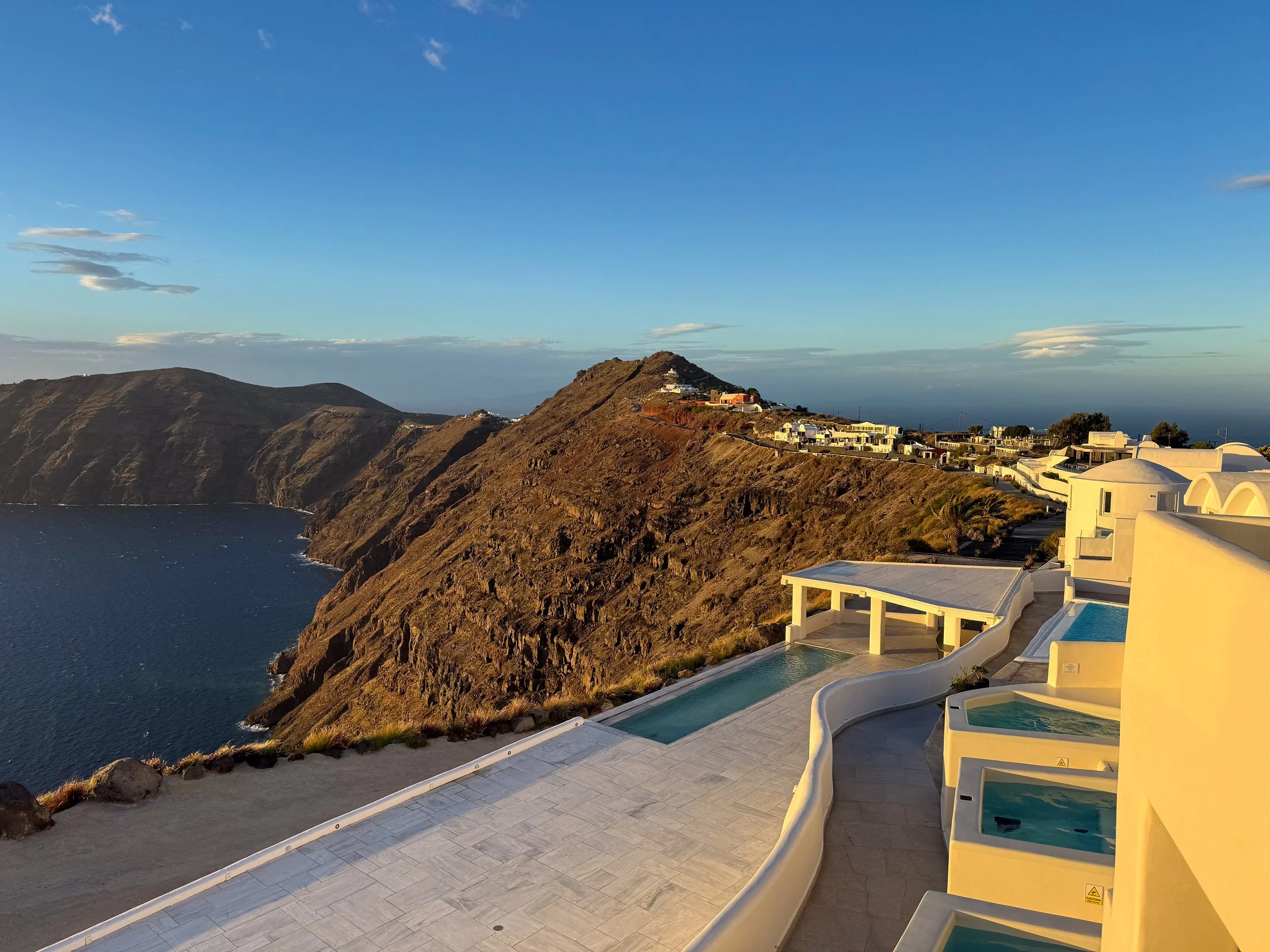
Santorini is one of the most well-known Greek islands and is famous for its dramatic cliffs and whitewashed buildings high up along the ridges. It has an interesting geography and is the rim of an ancient volcano whose eruption thousands of years ago created Santorini’s crescent shape.
Santorini was once a much larger circular volcanic island. In 1600 BC one of the largest volcanic eruptions in recorded history occurred there. Known as the Minoan eruption, it caused the central part of the island to collapse. This created the enormous caldera that formed Santorini’s crescent shape.
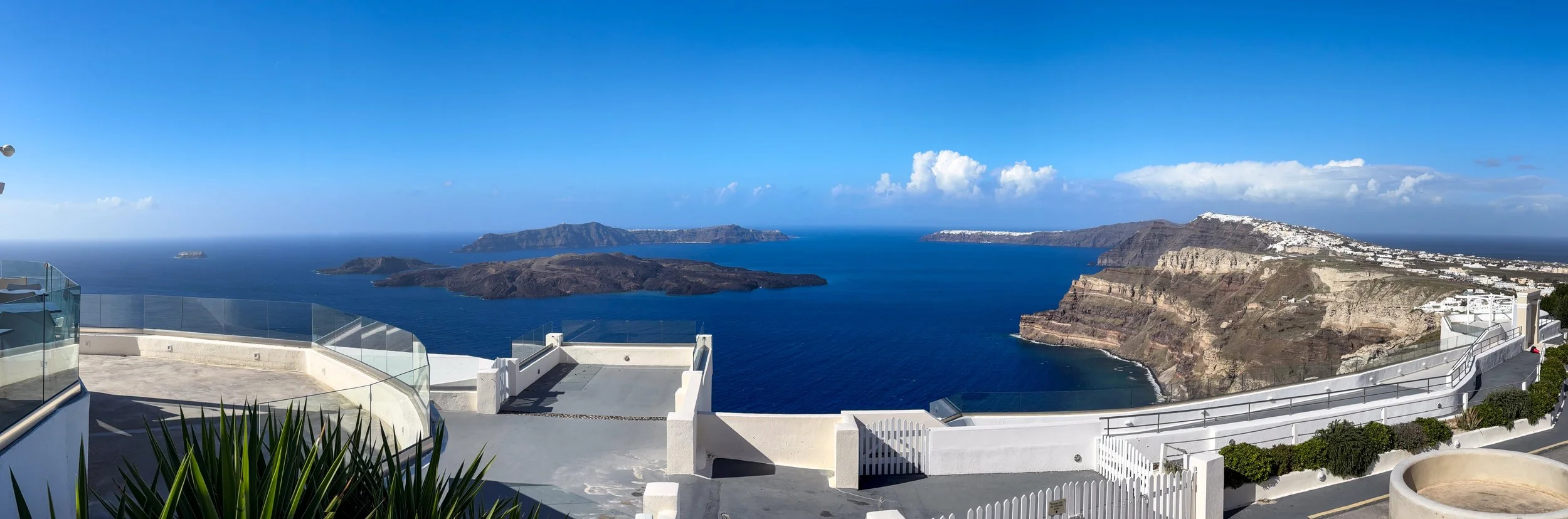
After arriving in Santorini, our first stop was Santos Wines where we did a wine tasting.
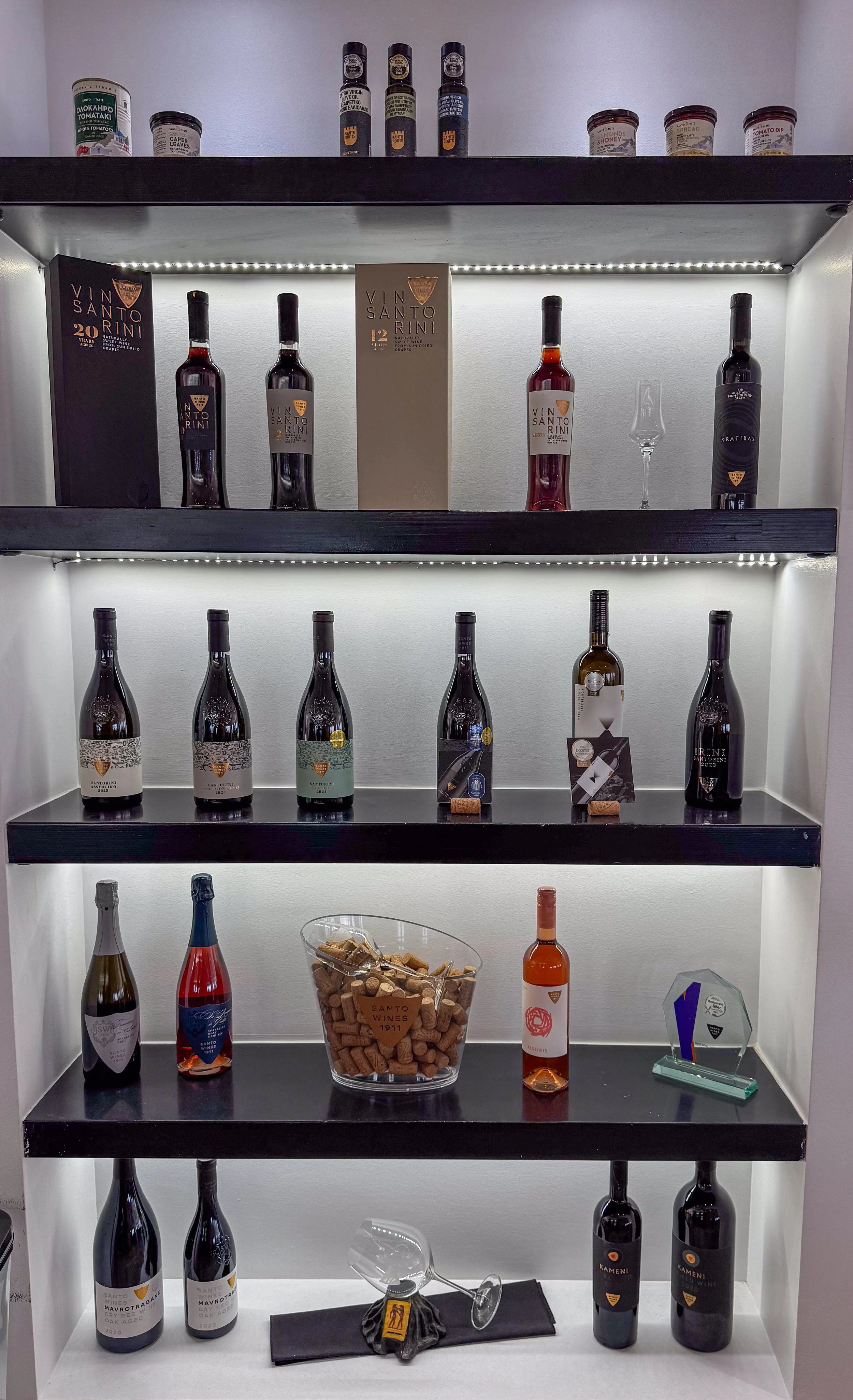
Santorini’s rich, volcanic soil lends itself to excellent White wines. It is know for its Assyrtiko white wine, which is considered one of Greece’s finest.
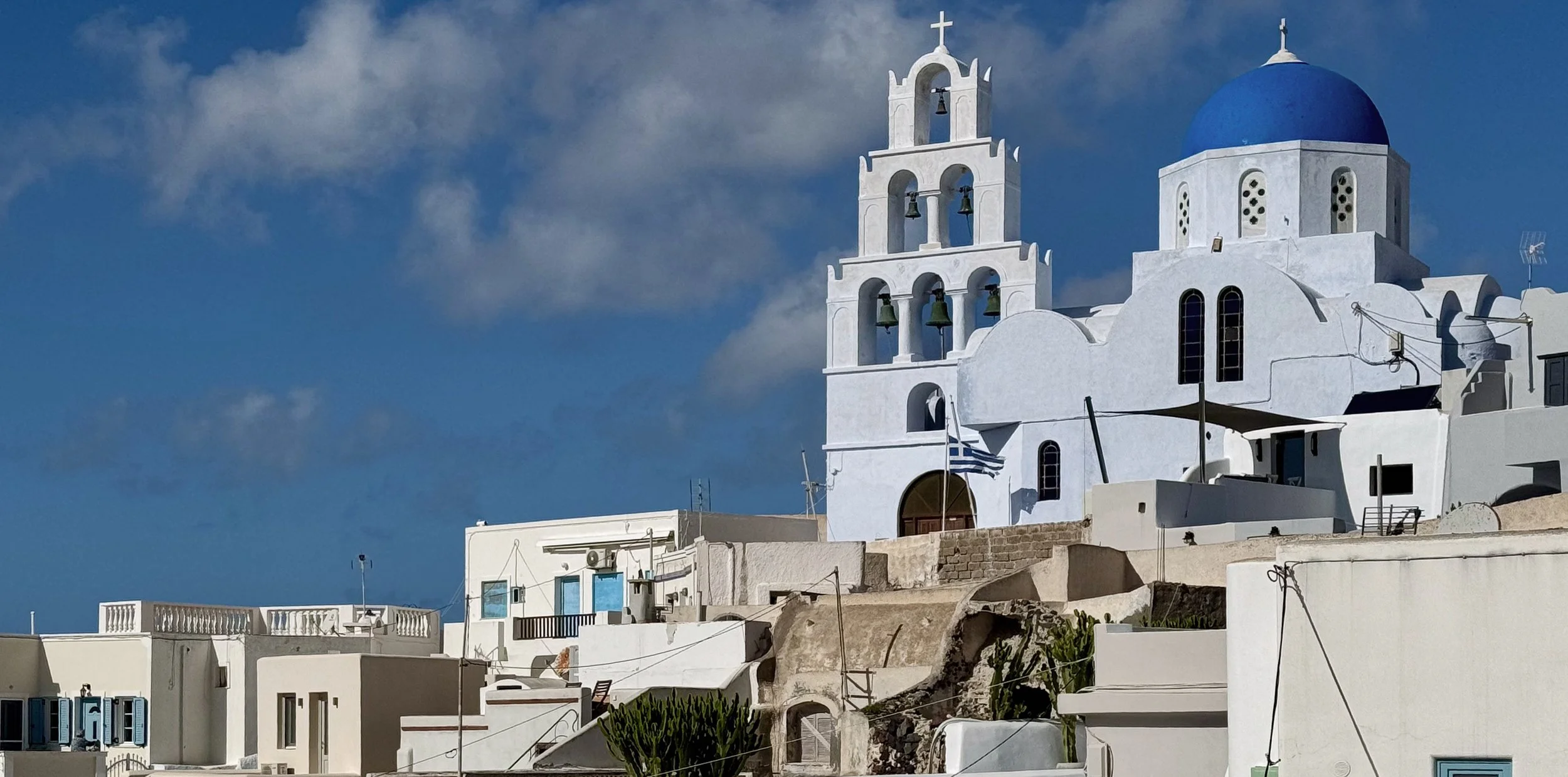
After the winery we headed to the medieval town of Pyrgos - a hilltop village with winding lanes, old churches and panoramic island views. Pyrgos was originally designed as a small fortress. Houses were built tightly together, with their exterior walls forming part of the defensive perimeter. Narrow, winding passageways made it difficult for intruders to navigate the settlement. As threats diminished in the 18th century the town expanded beyond the castle walls.
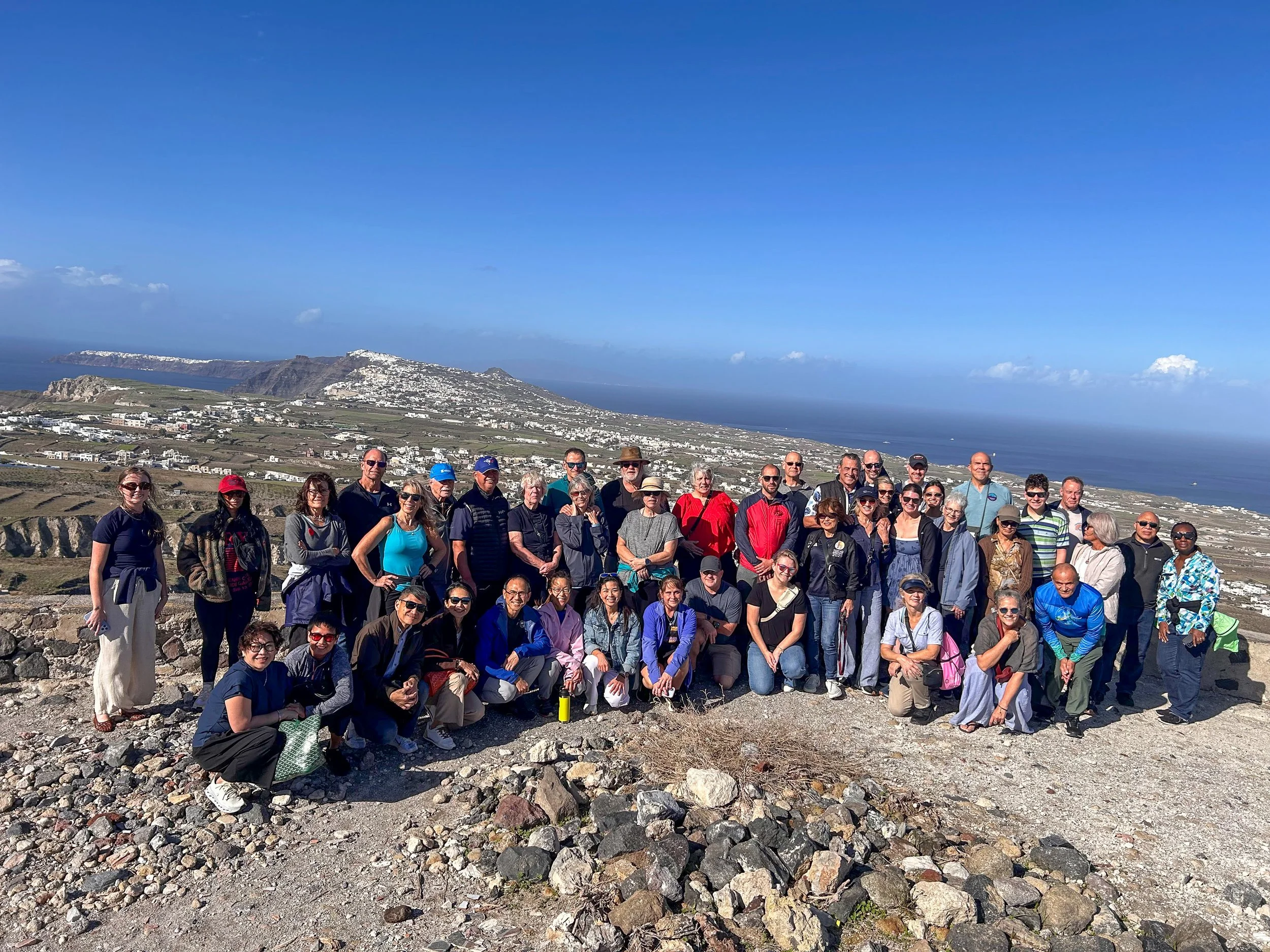
Our tour group on top of Pyrgos.
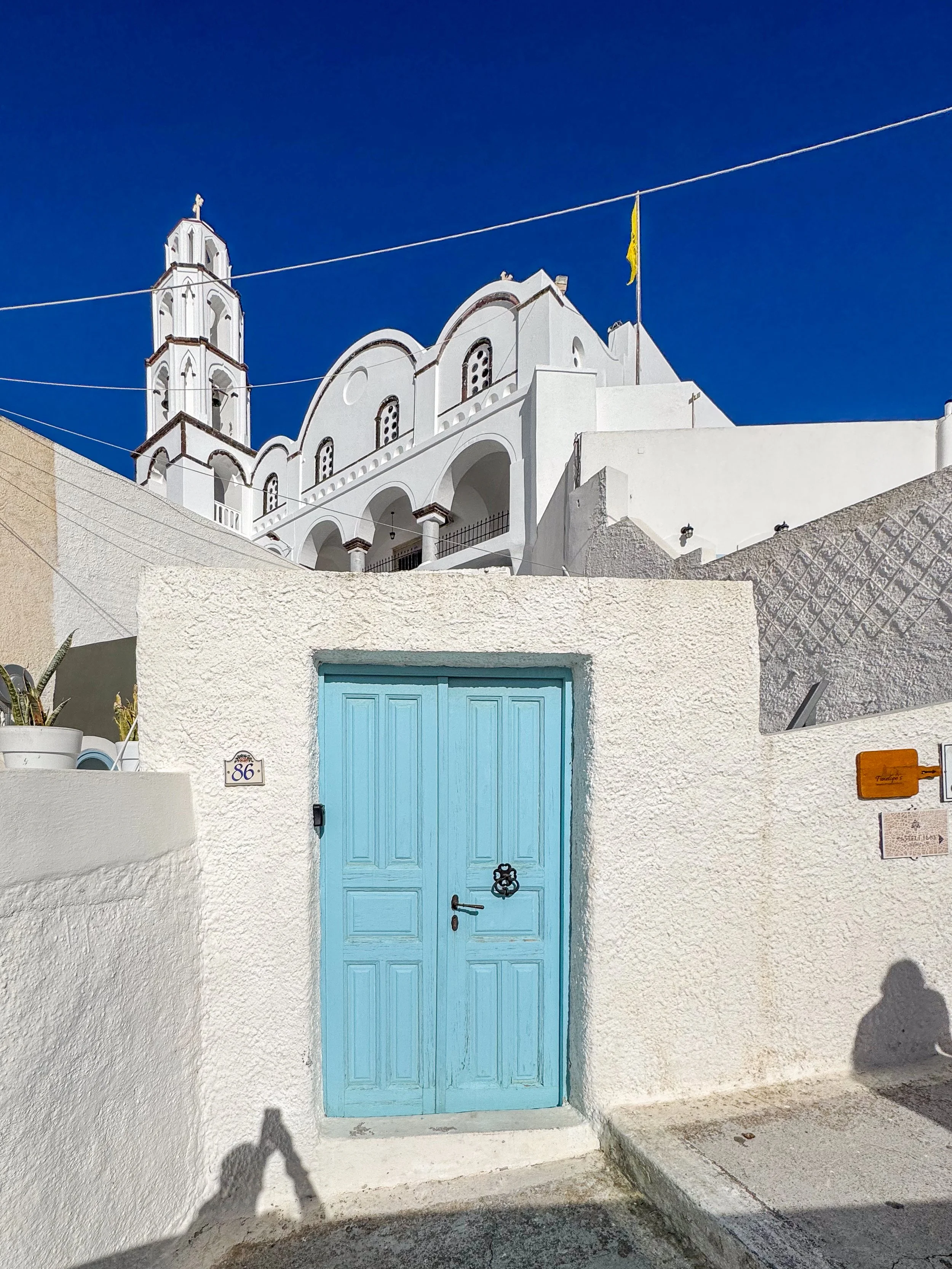
Pyrgos
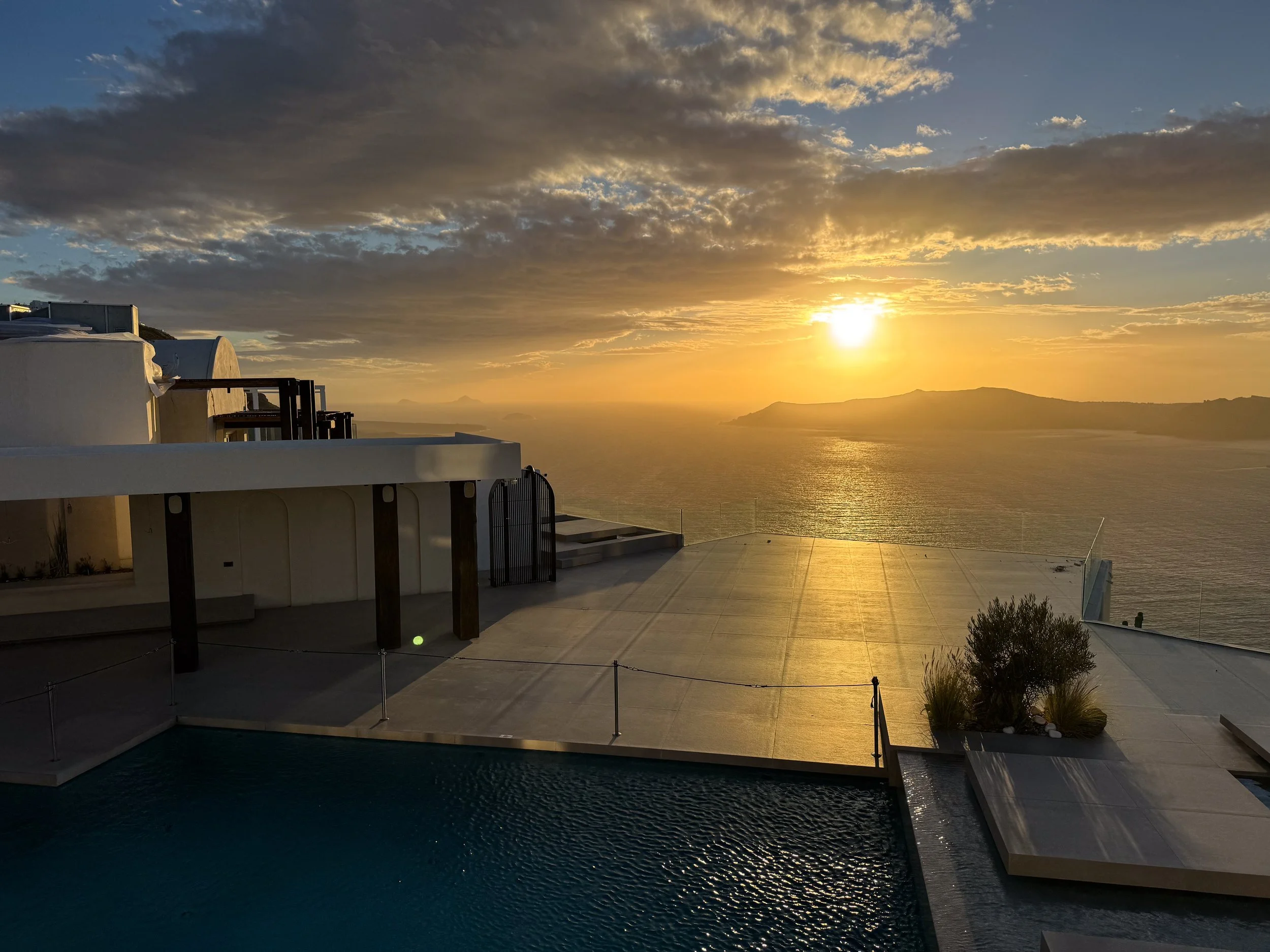
After touring Pyrgos we arrived at the Rocabella Hotel in Imerovigli. This hotel was perched along the cliffs a thousand feet above the water. The view was spectacular - especially at sunset.
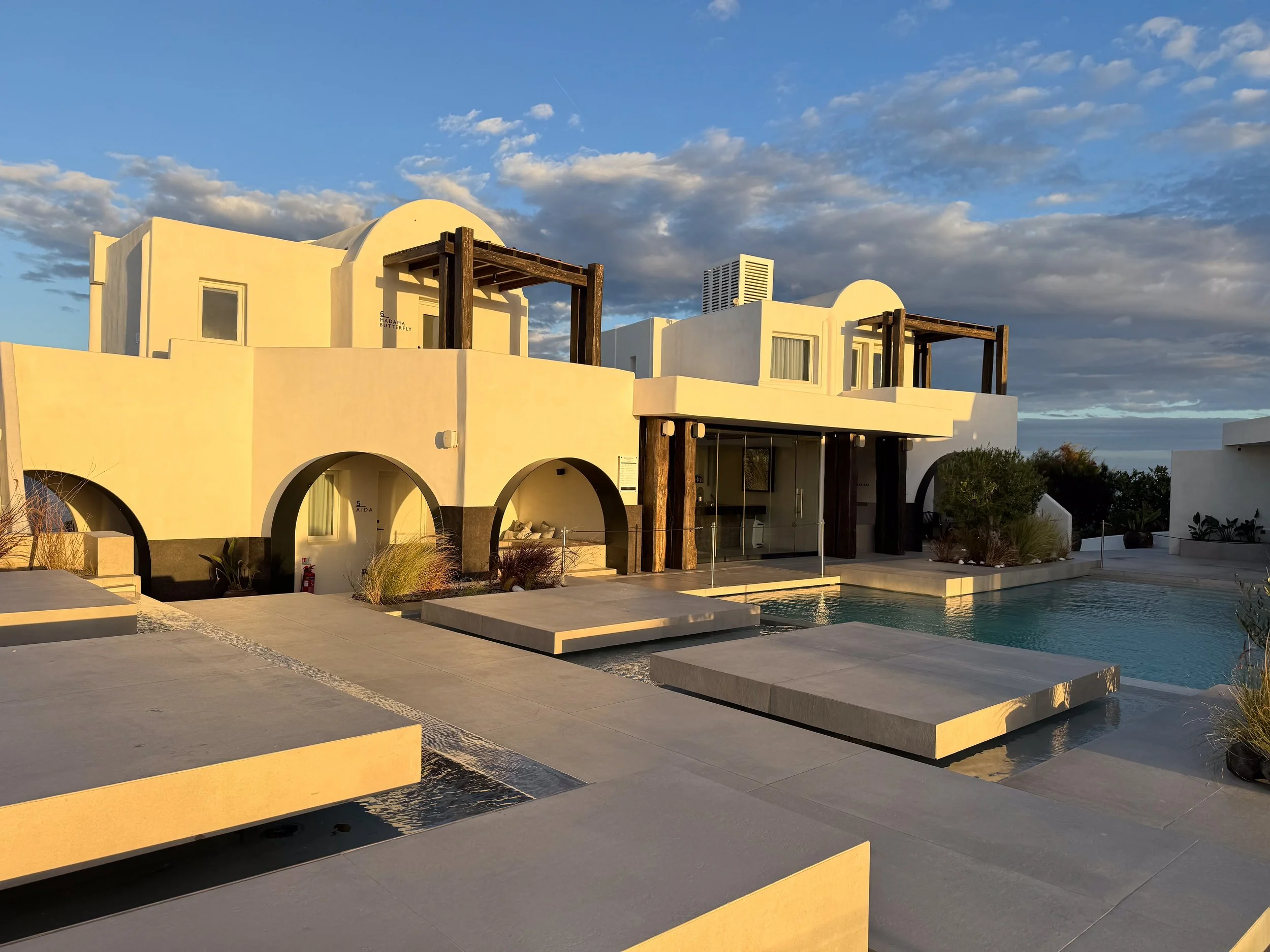
Sunrise at our hotel.
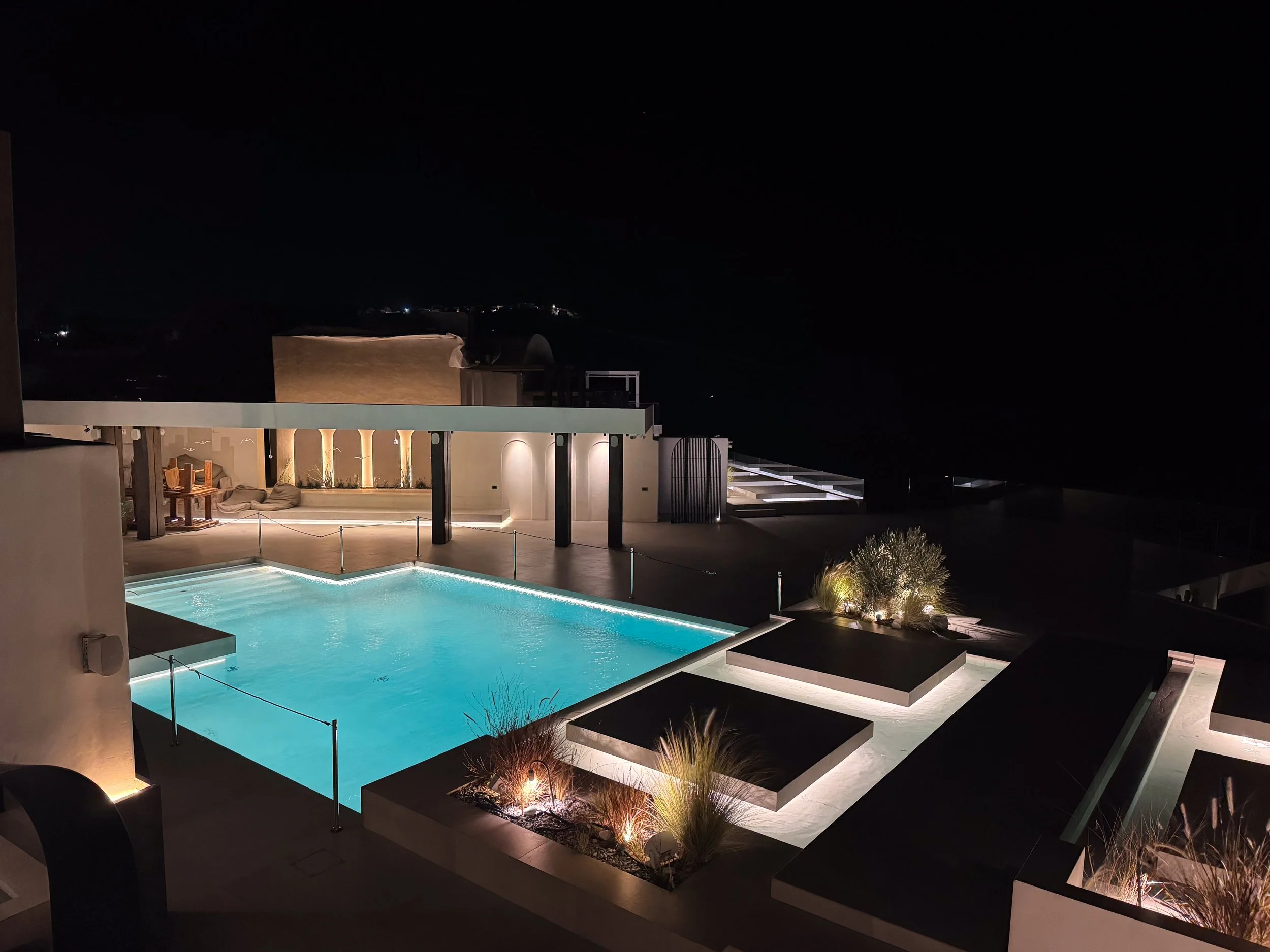
The pool was beautiful at night.
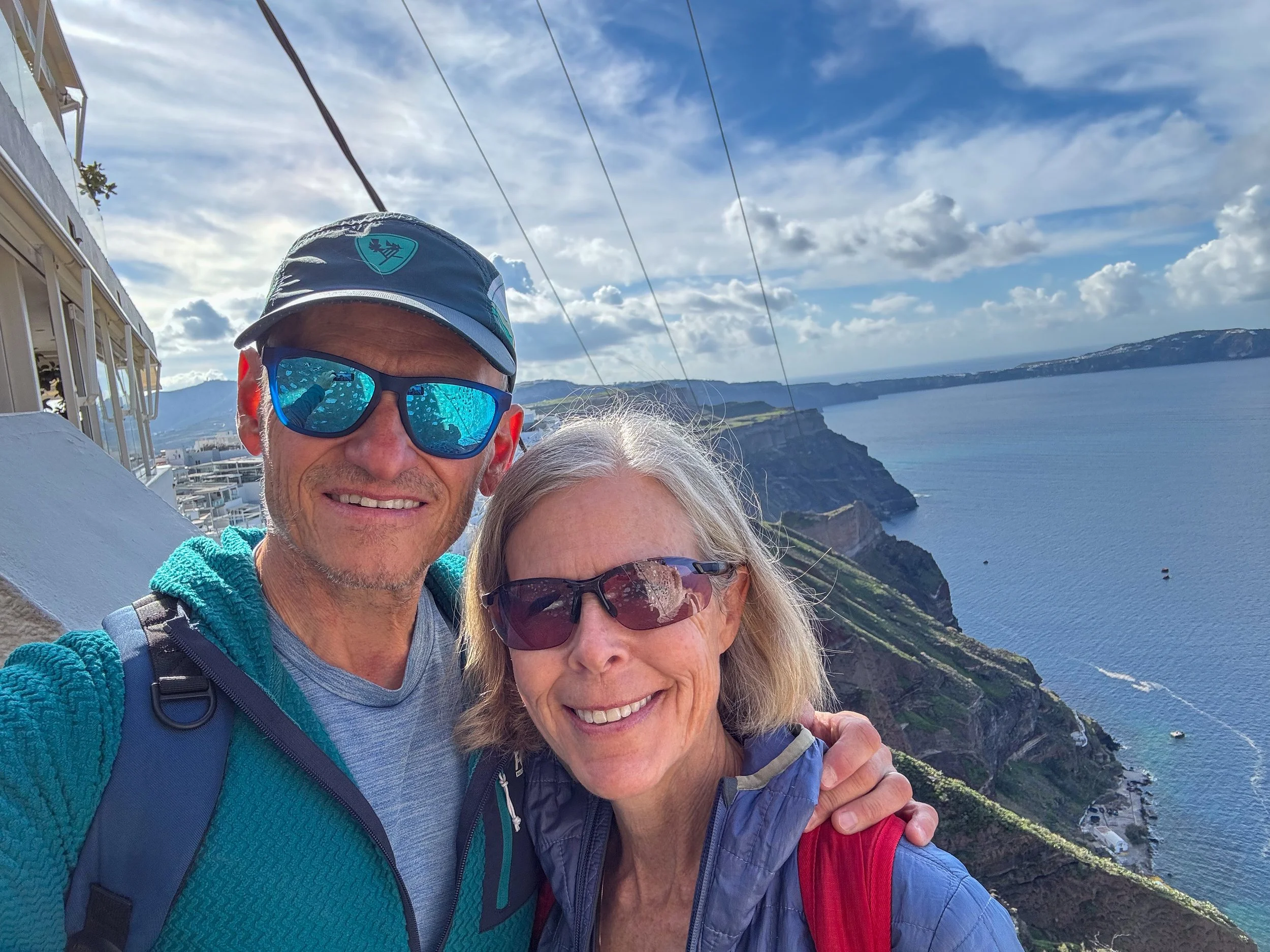
The next morning, we headed to Fira, where we took a gondola down to the waterfront. From there, we boarded a boat to Volcano Island (Nea Kameni), where we hiked to the summit.
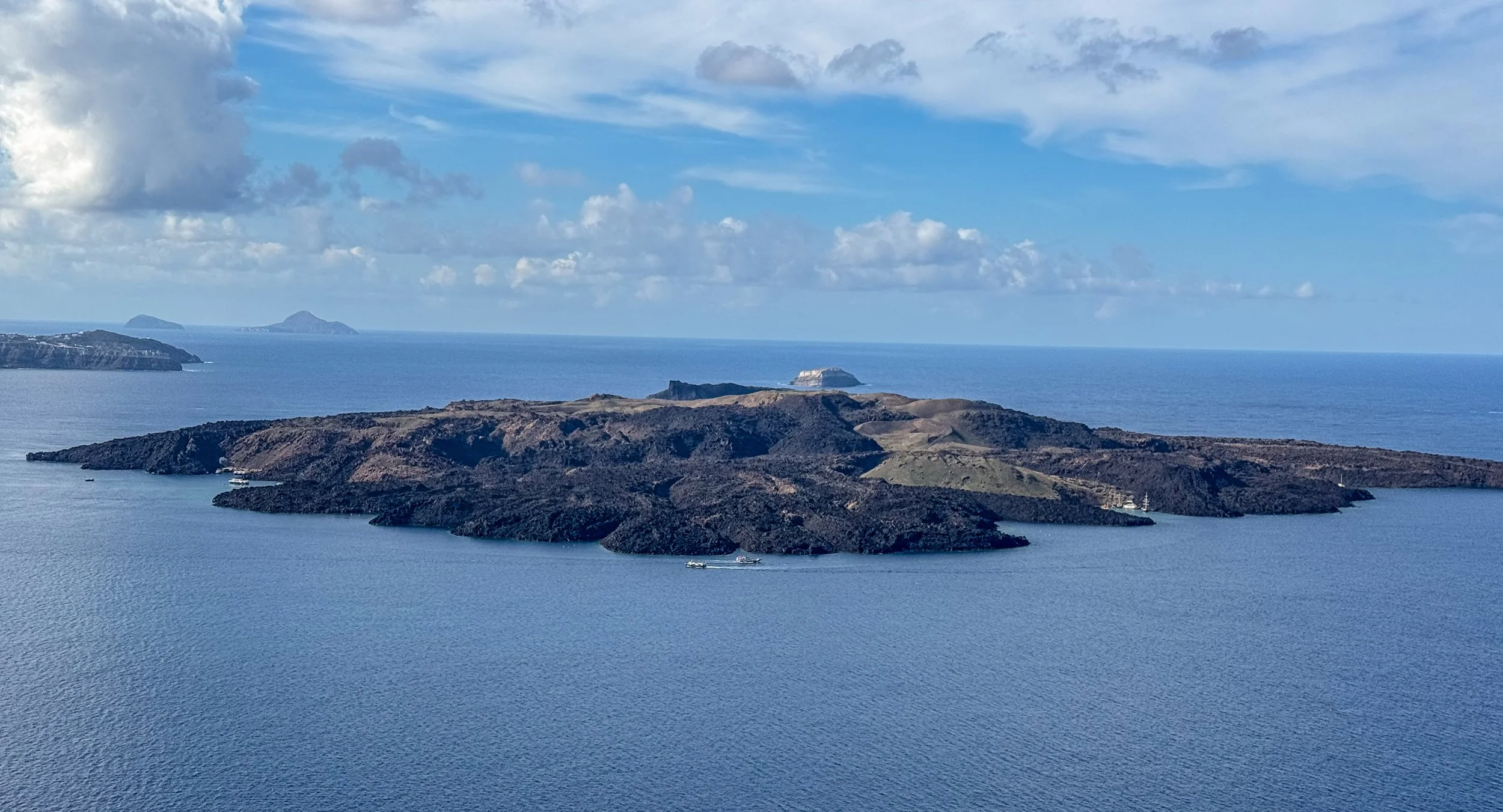
Volcano Island is a volcano that rose to of the sea within the Santorini caldera. It is geologically very young compared to Santorini.
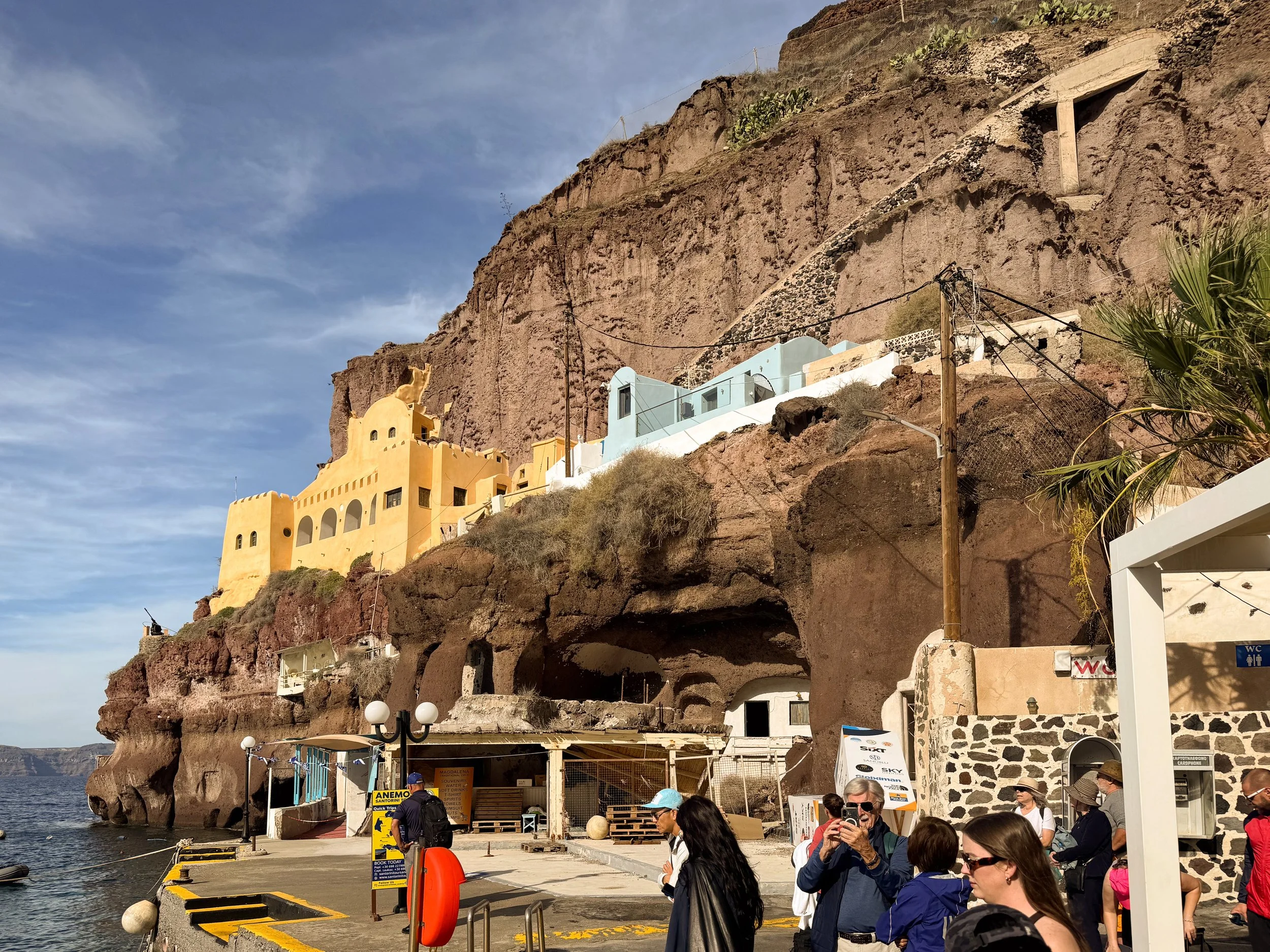
The Fira waterfront.
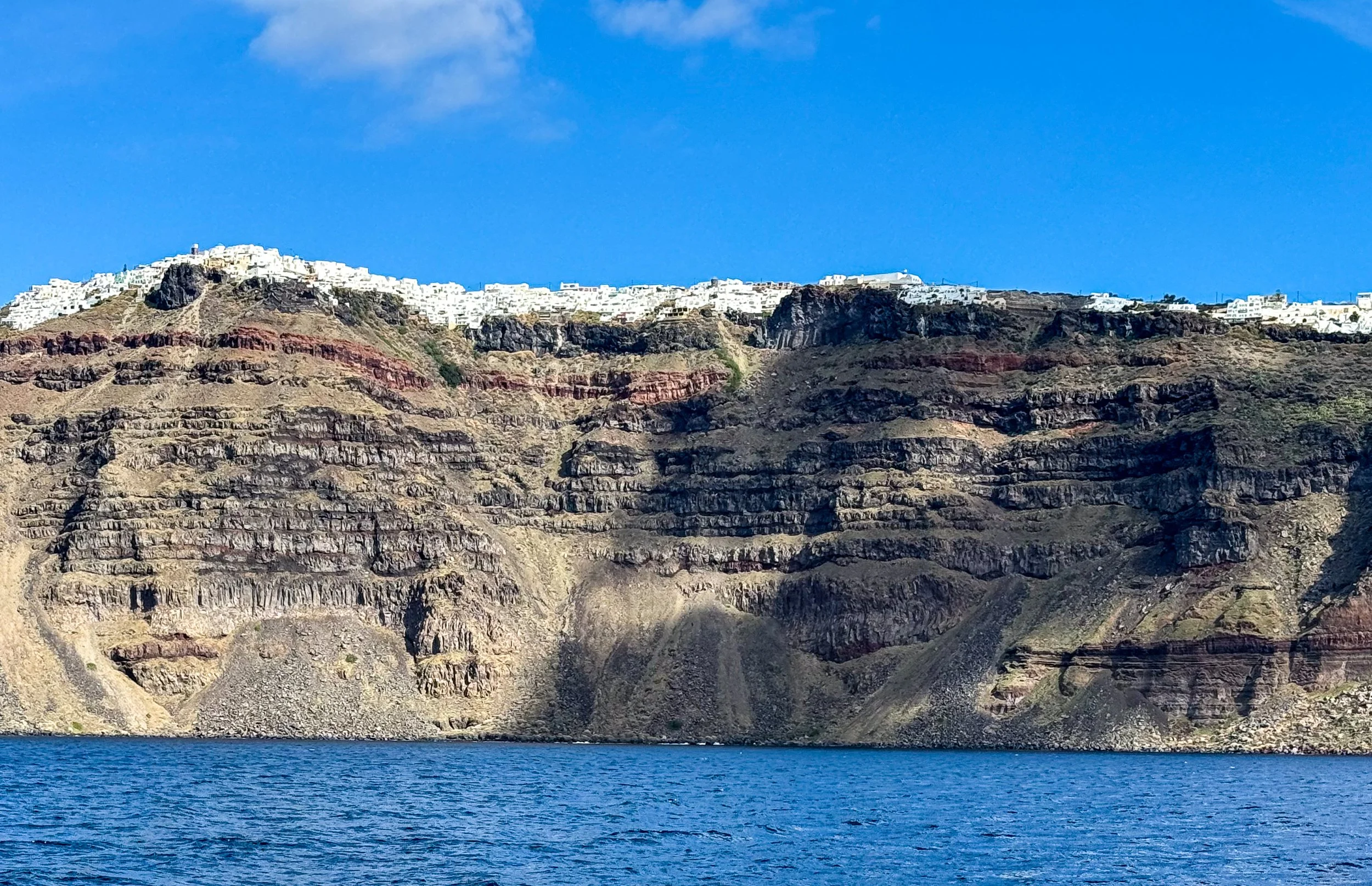
Looking back at the town of Fira, on top of the 1000 foot cliffs.
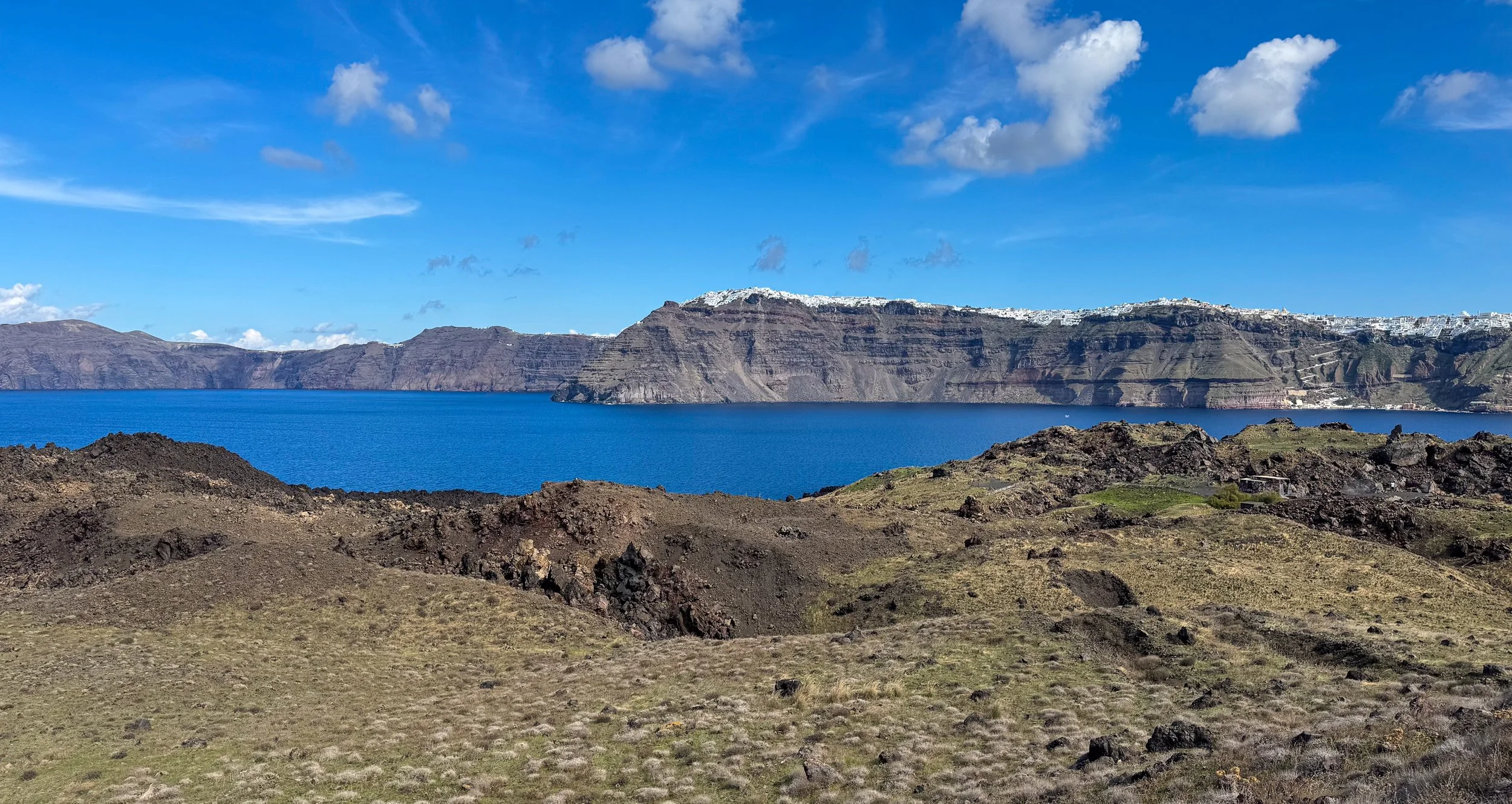
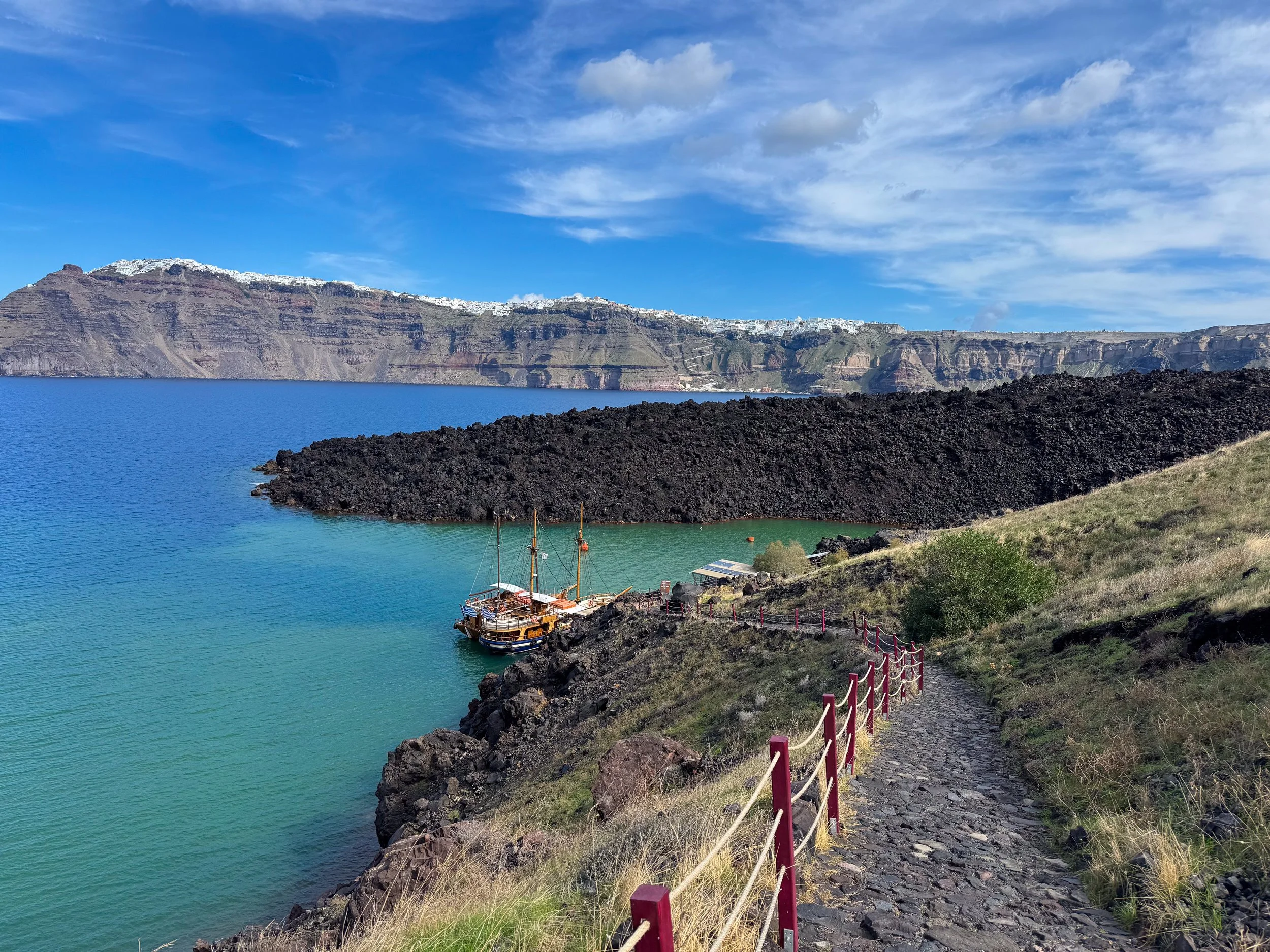
Hiking back down to the harbor.
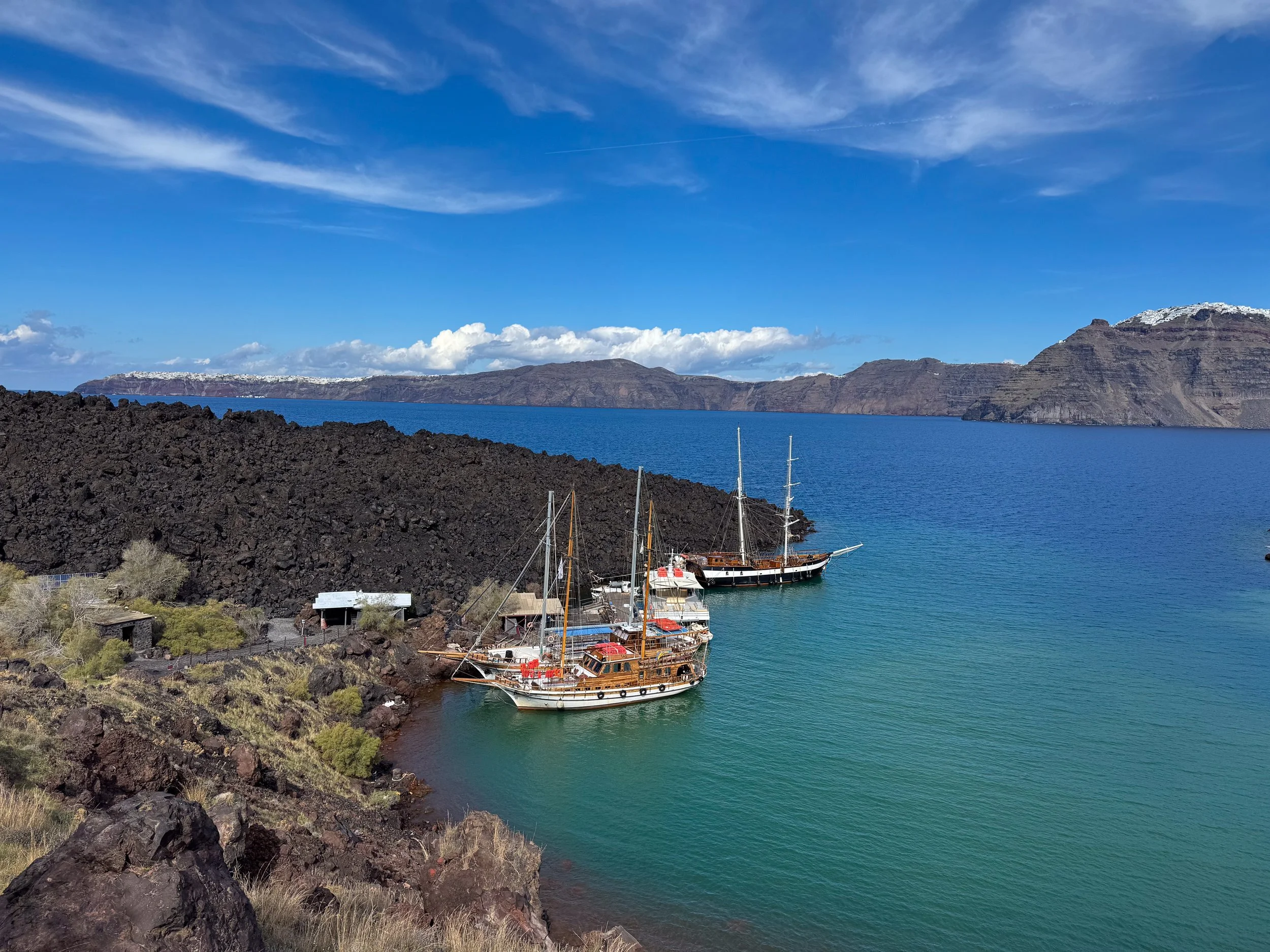
The small harbor on Volcano Island.
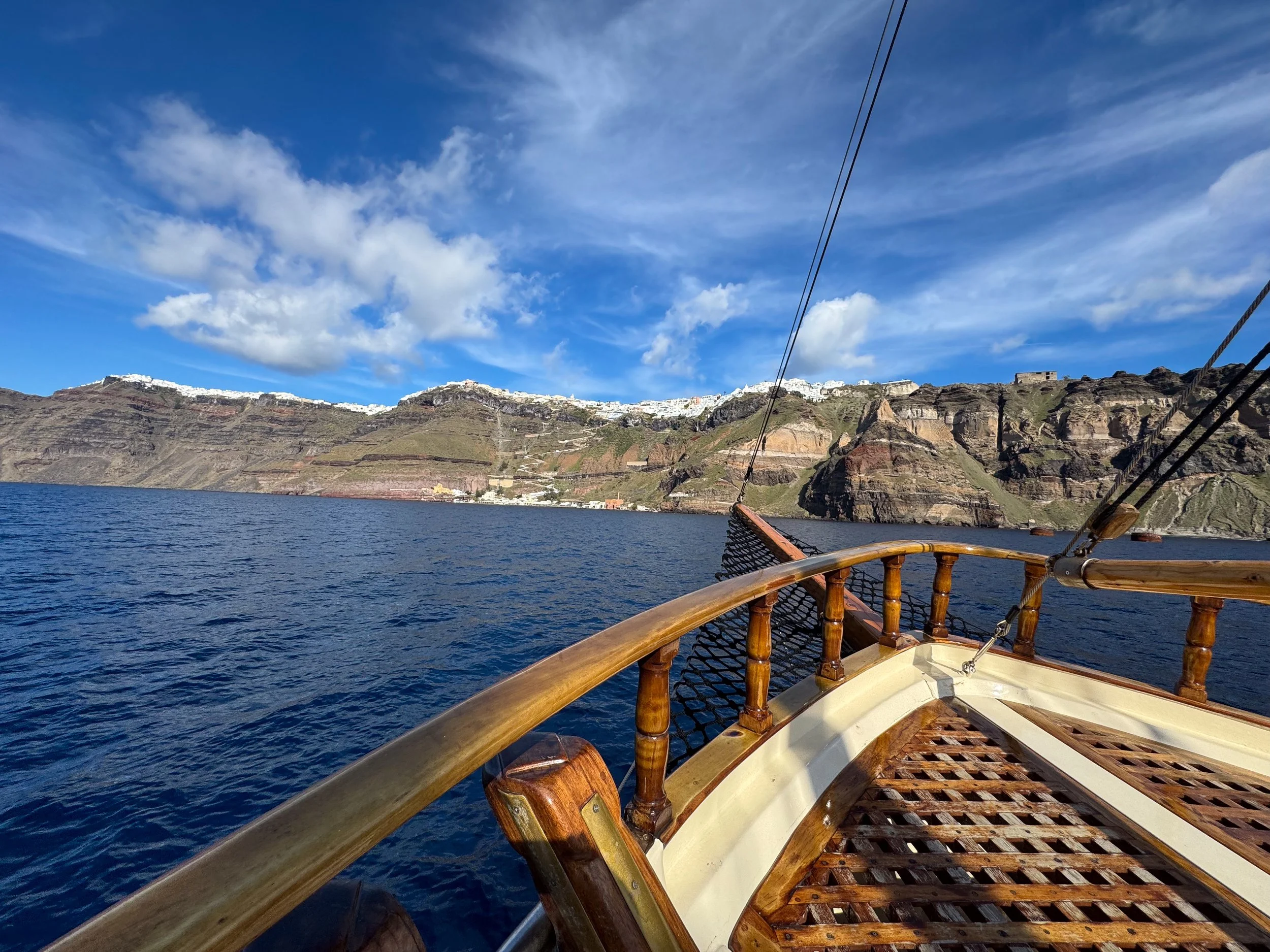
Heading back to Fira by boat.
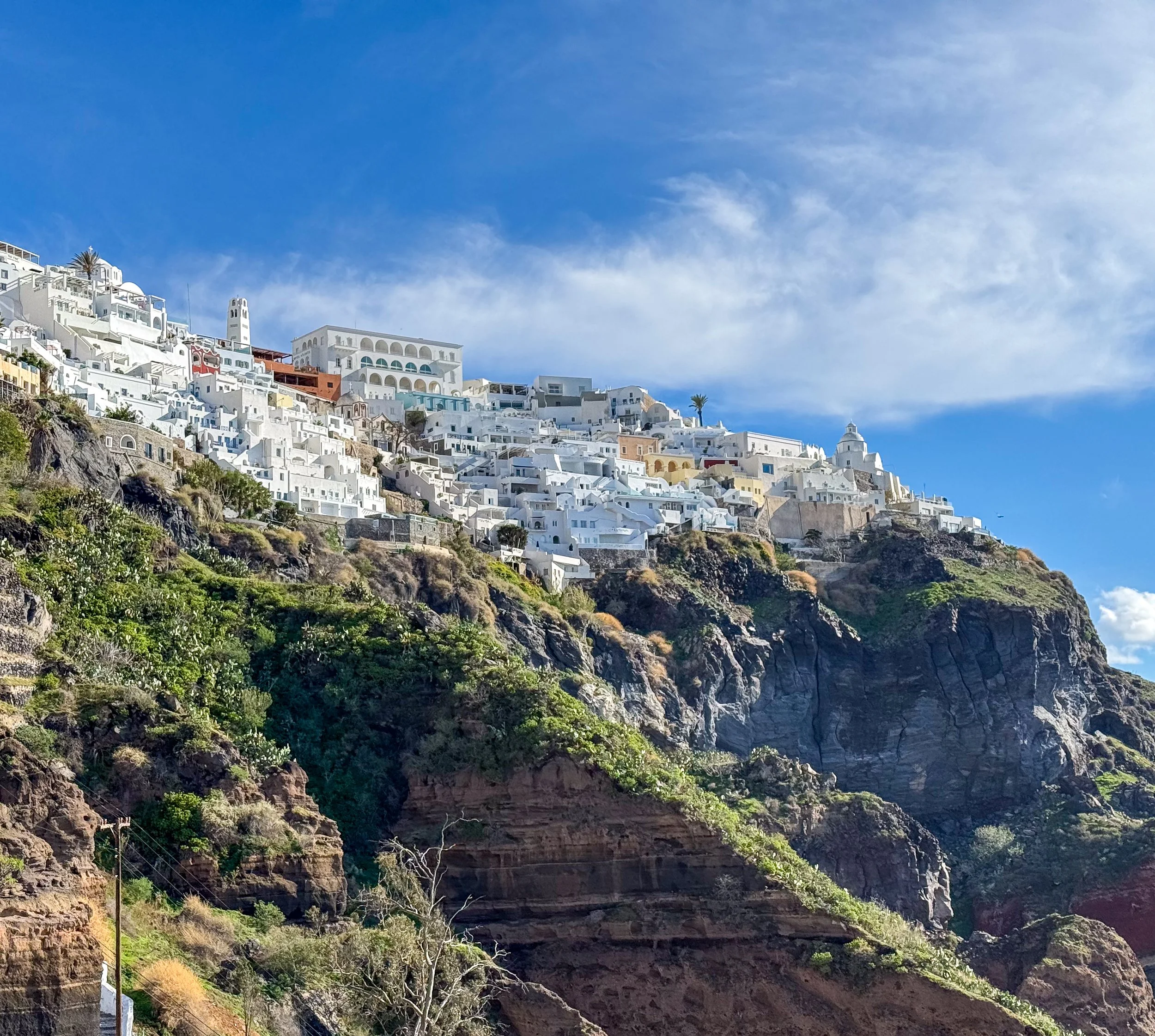
A view of Fira from the Gondola.
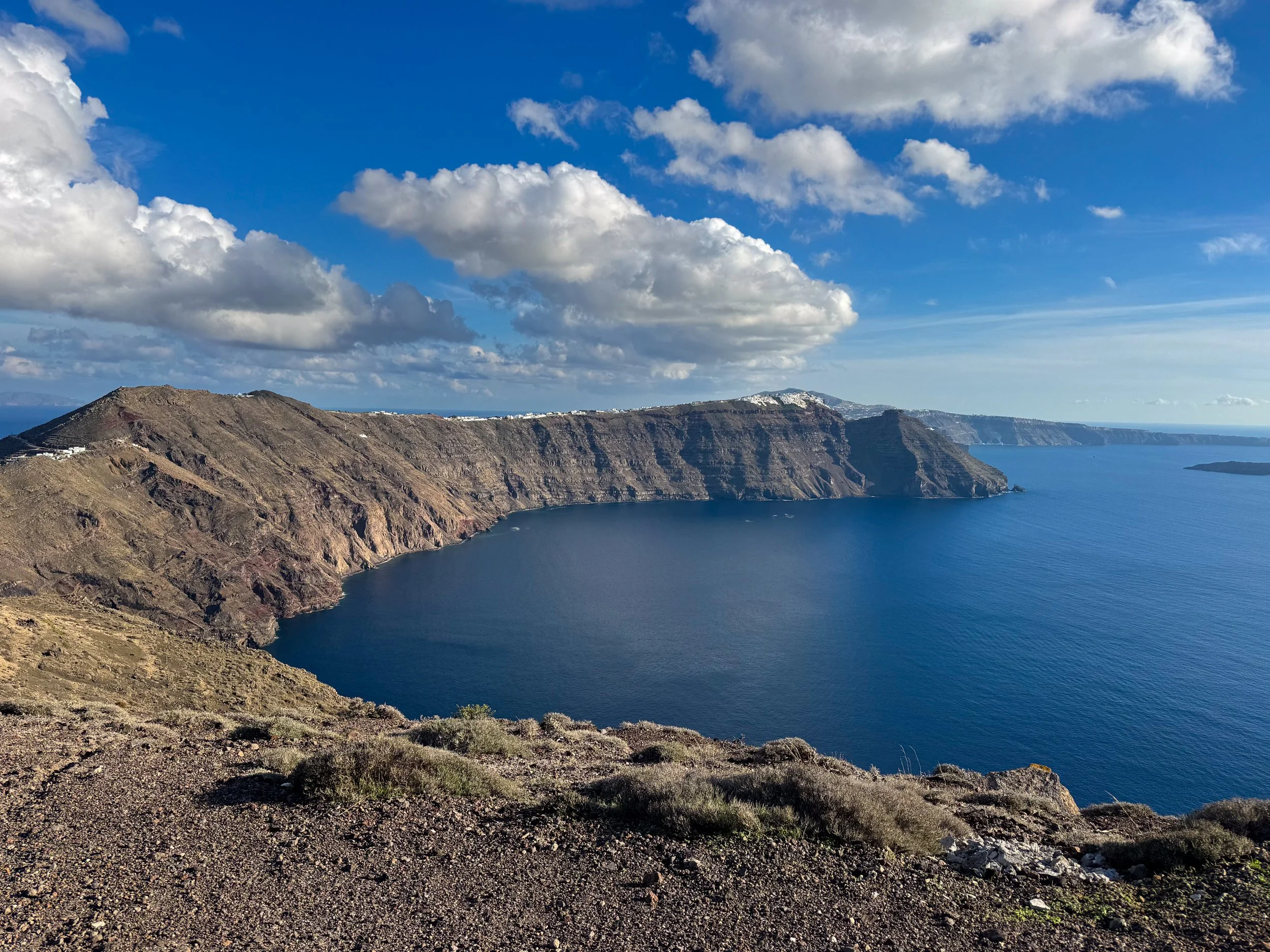
After lunch we hiked about 3 miles on the Caldera path to the town of Oia. This hike provided incredible views of the crescent-shaped coastline of Santorini.
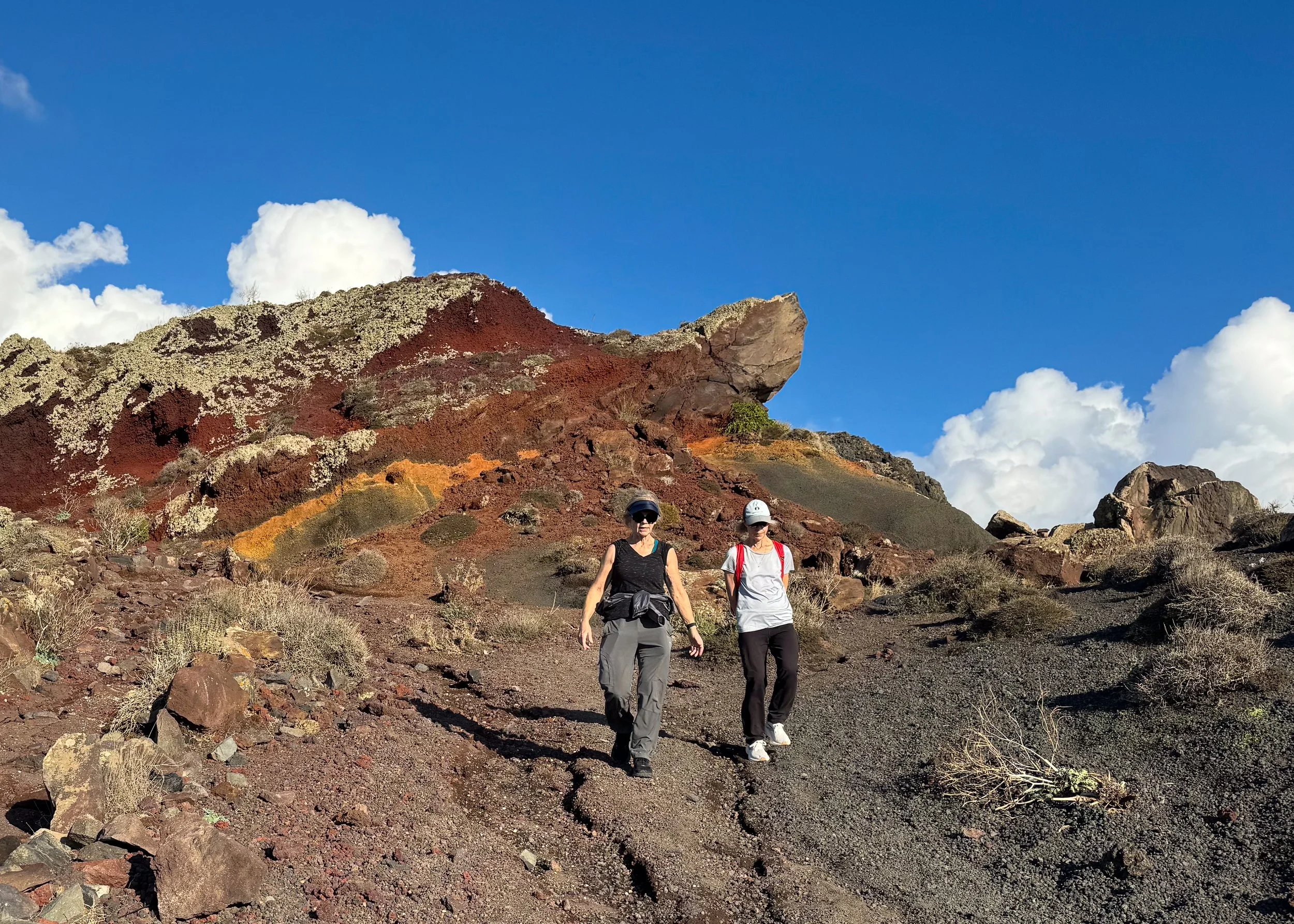
Staci hiking with our friend Beverly. We first met Beverly on the trip to Antarctica.
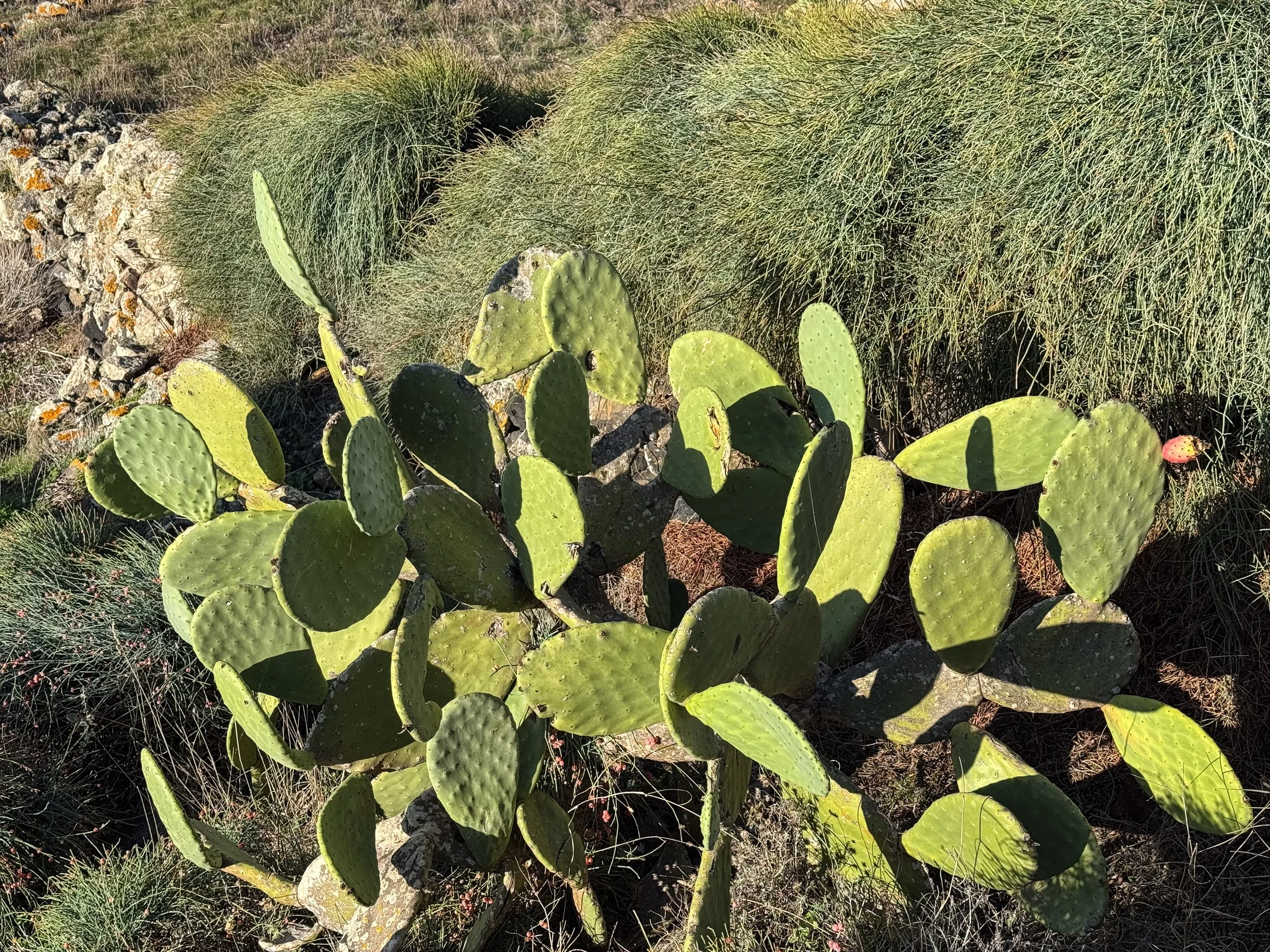
The Prickly Pear Cactus was introduced to the Greek islands by the Venetians in the 1600s. It thrived in the hot dry climate in Greece. The Greeks cultivated a spineless version of the Pricky Pear which is commonly seen through Santorini.
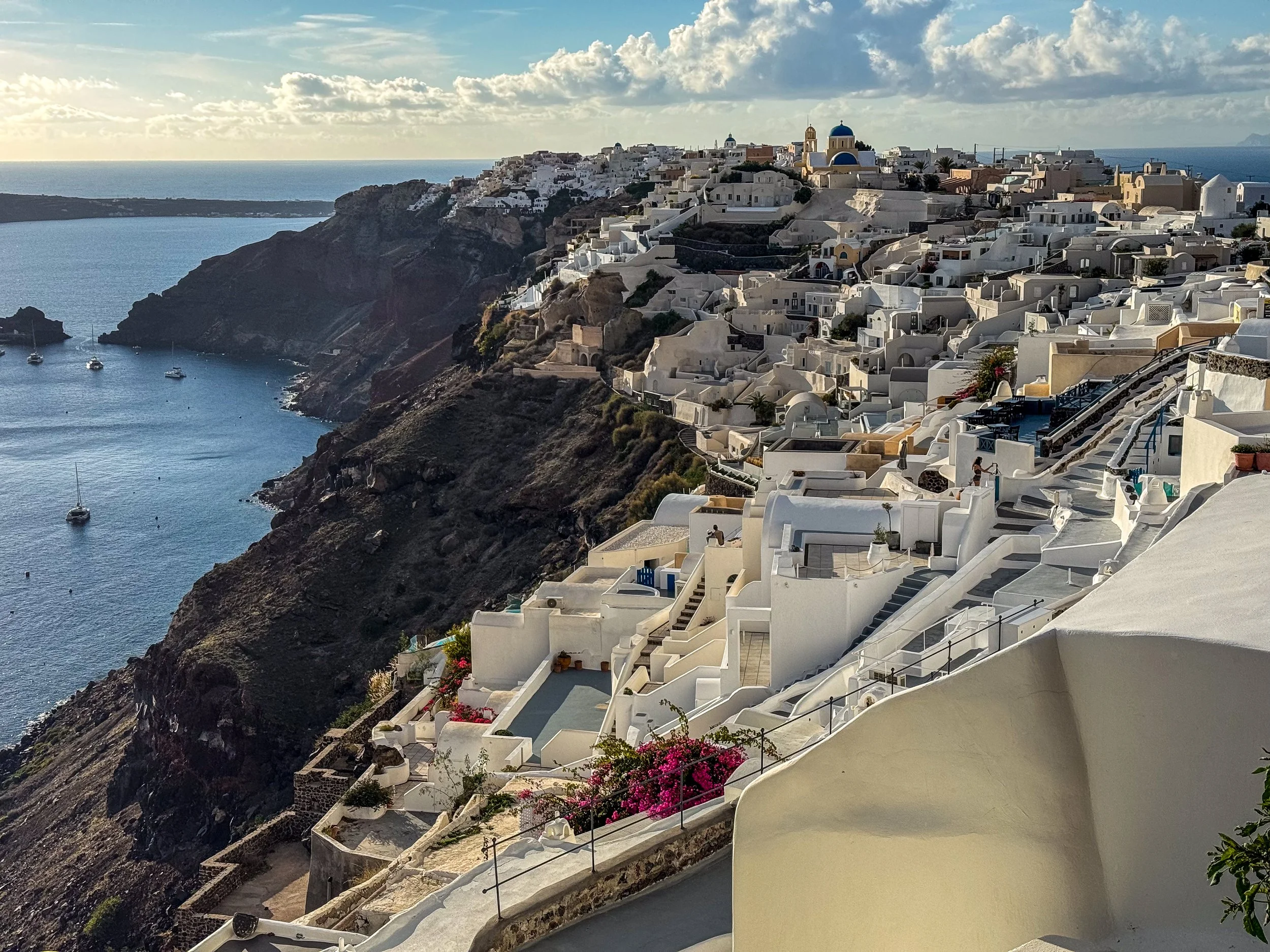
The trail ends at the lovely little town of Oia.
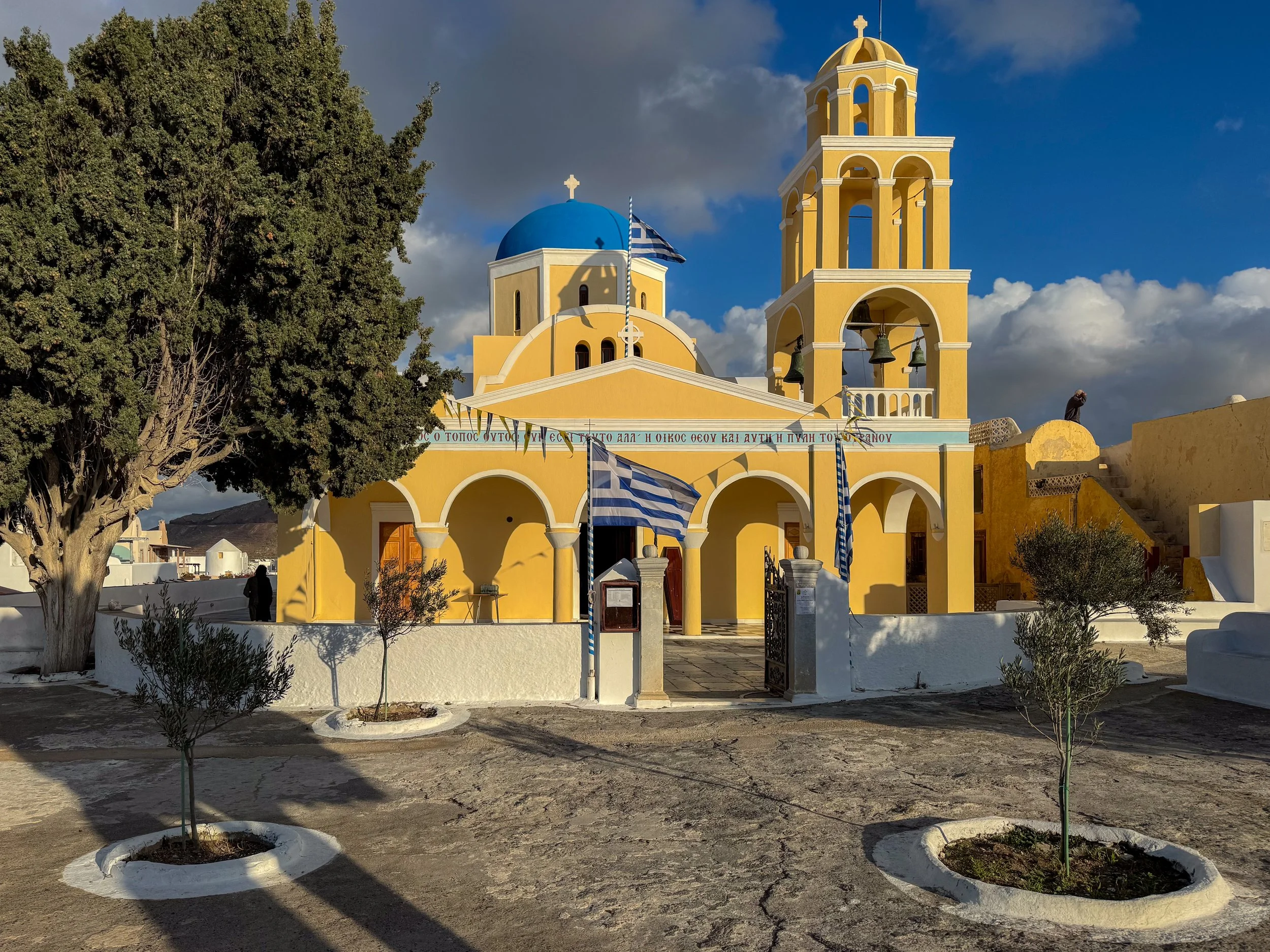
As we entered Oia we passed the beautiful Greek Orthodox Church of St. George.
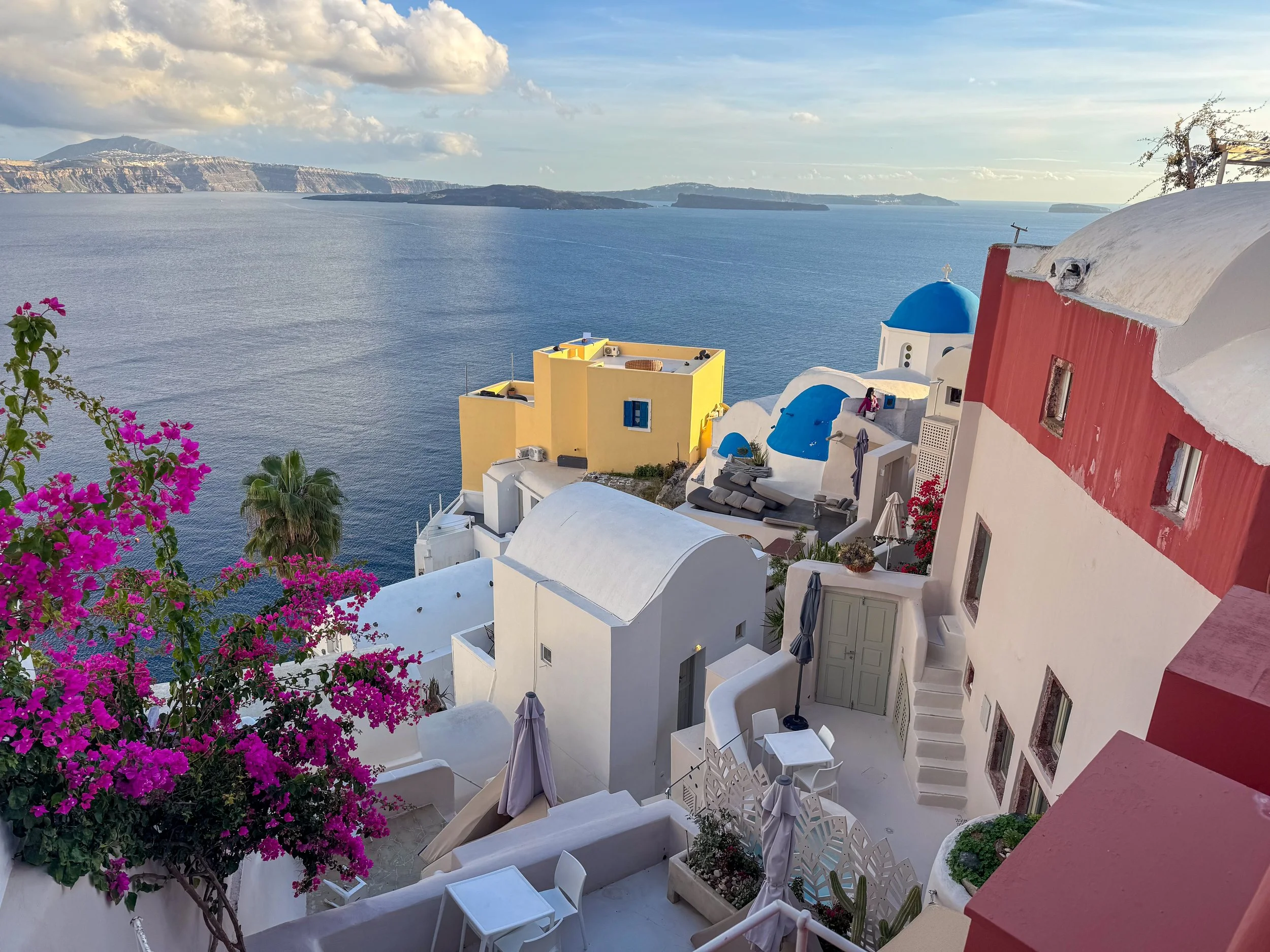
Oia is filled with narrow paths with views of the sea.
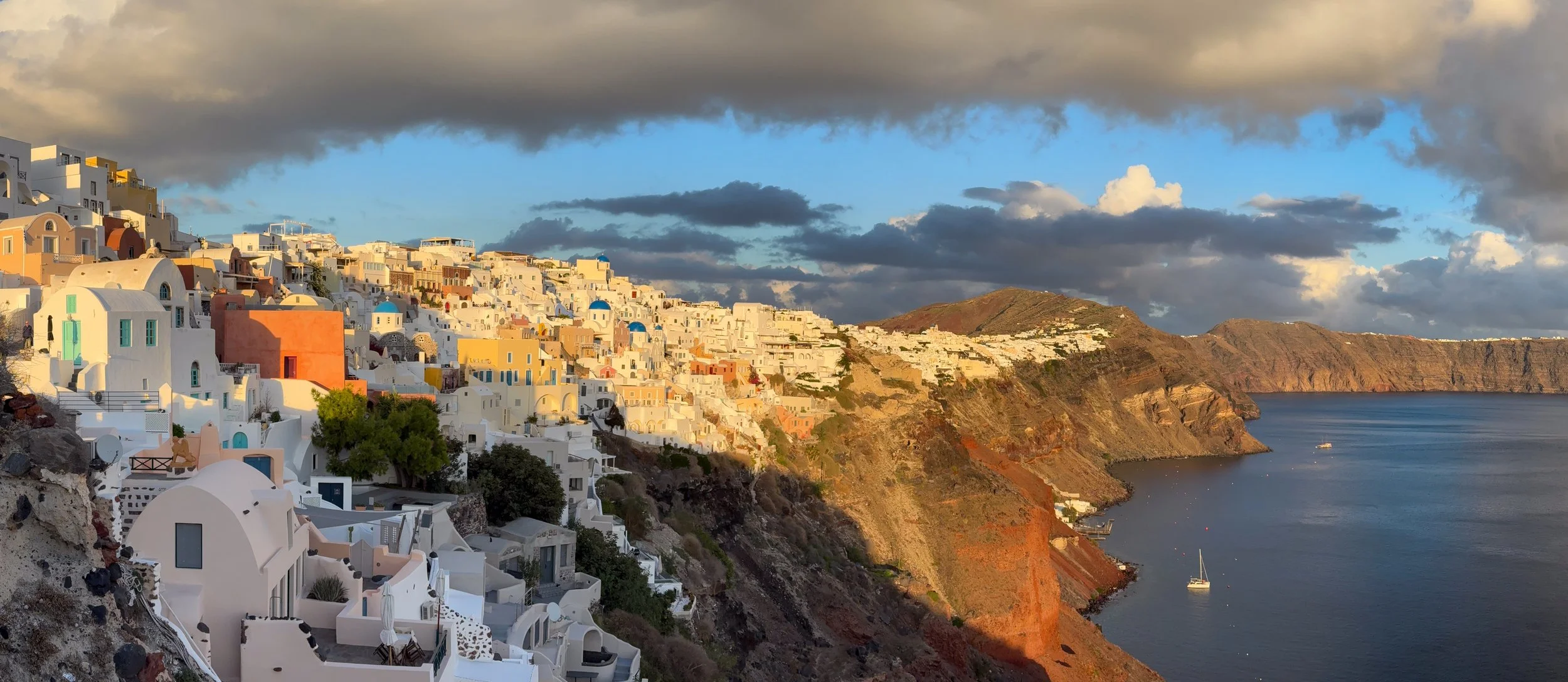
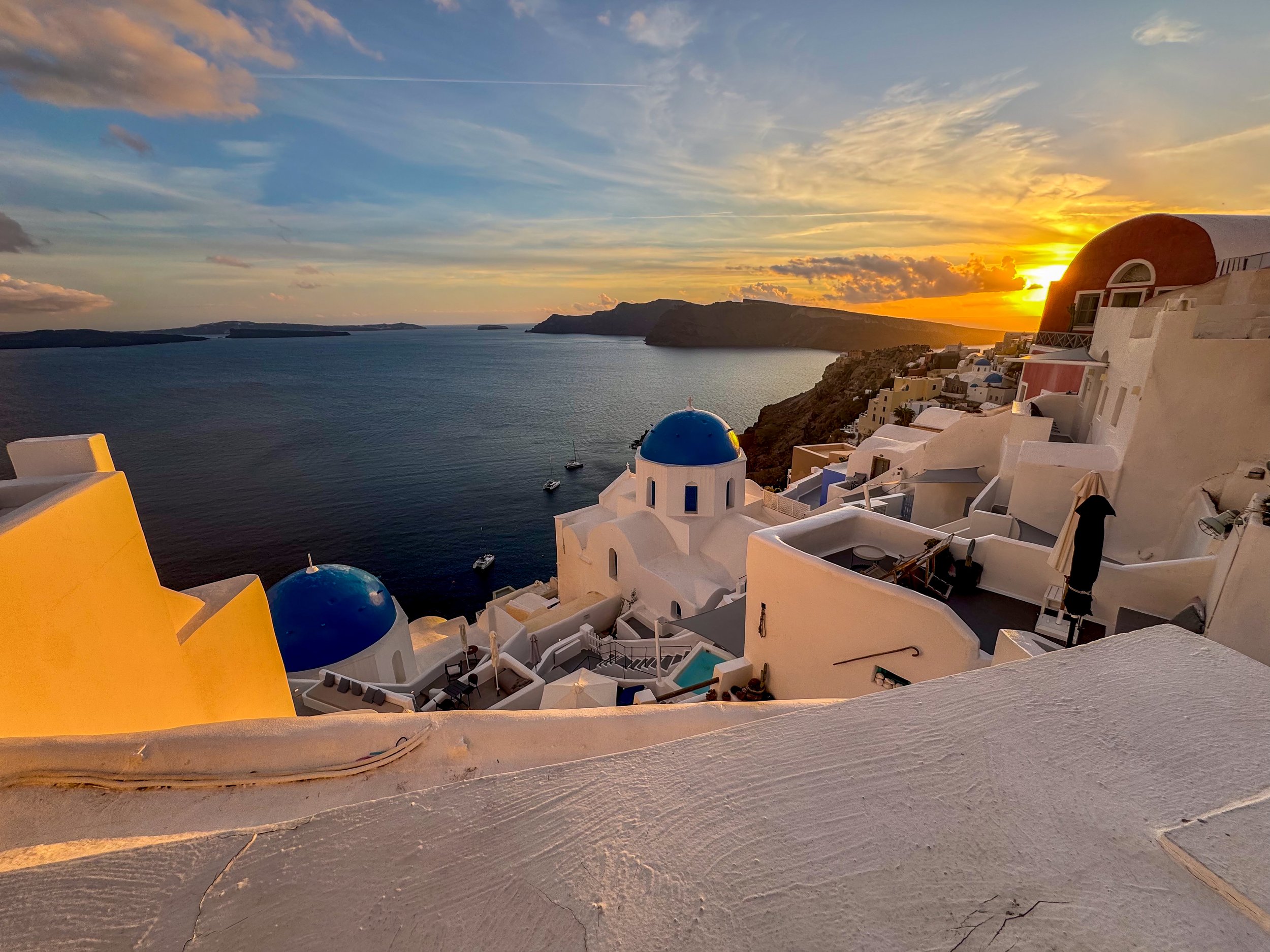
Oia at sunset.
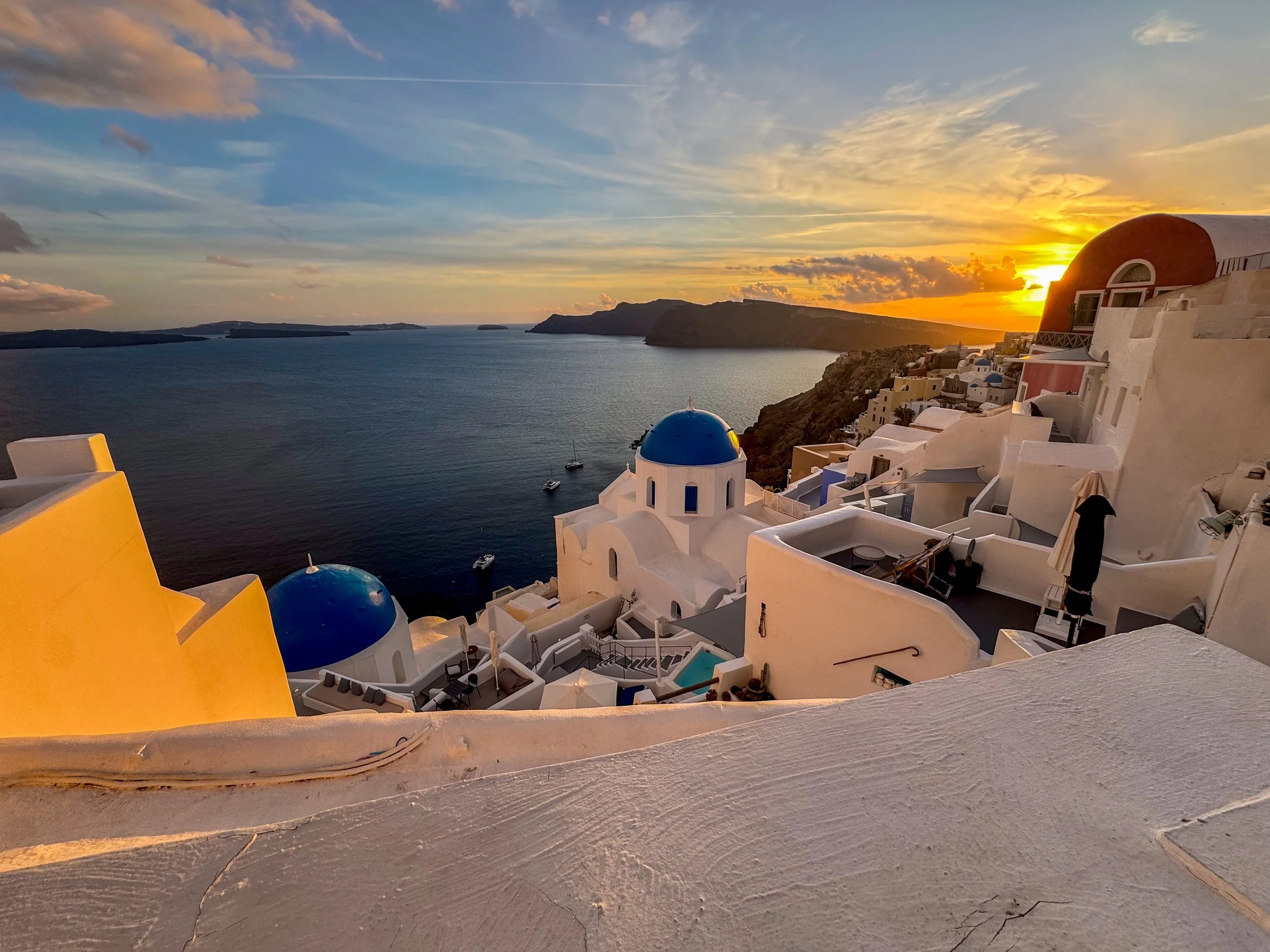
This is the most famous view of Oia (and Santorini) at sunset.
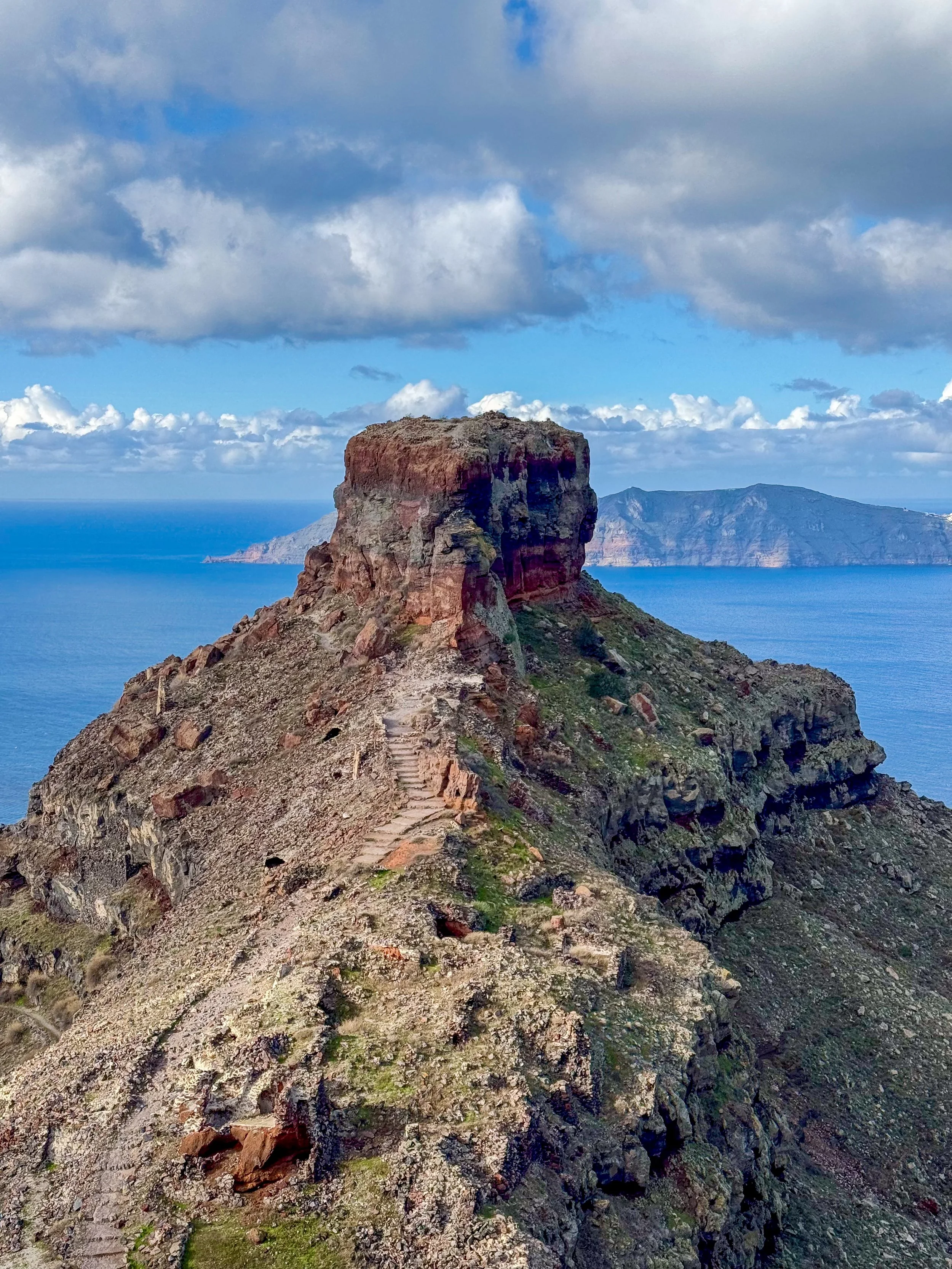
The next morning we hiked south on the Caldera trail to Skaros Rock. Skaros was a Venetian fortress in the 13th century that contained 200 residences along with churches, monasteries and government buildings. There was an upper castle known as Rocca and a lower residential area.
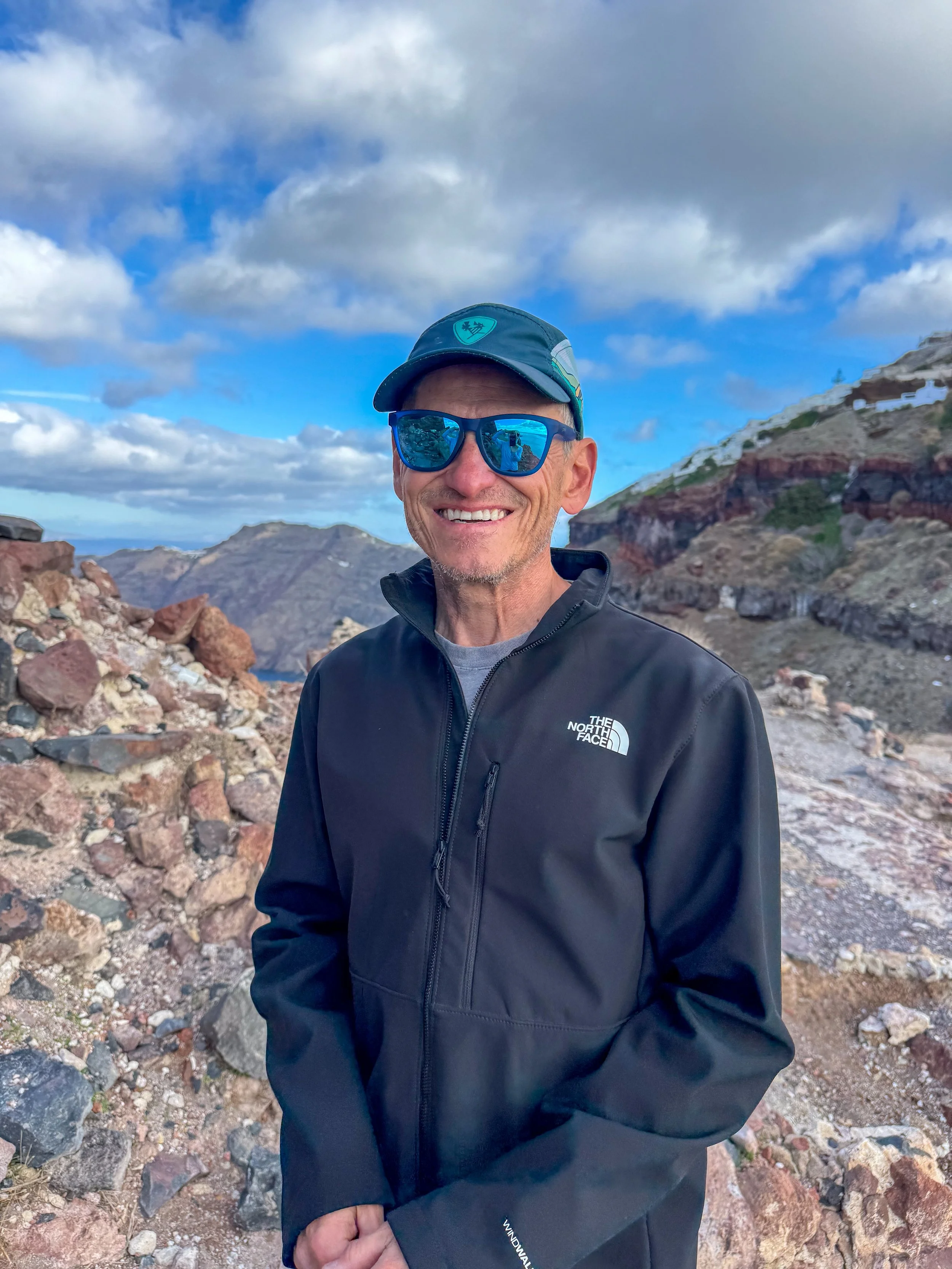
Rich on Skaros Rock.
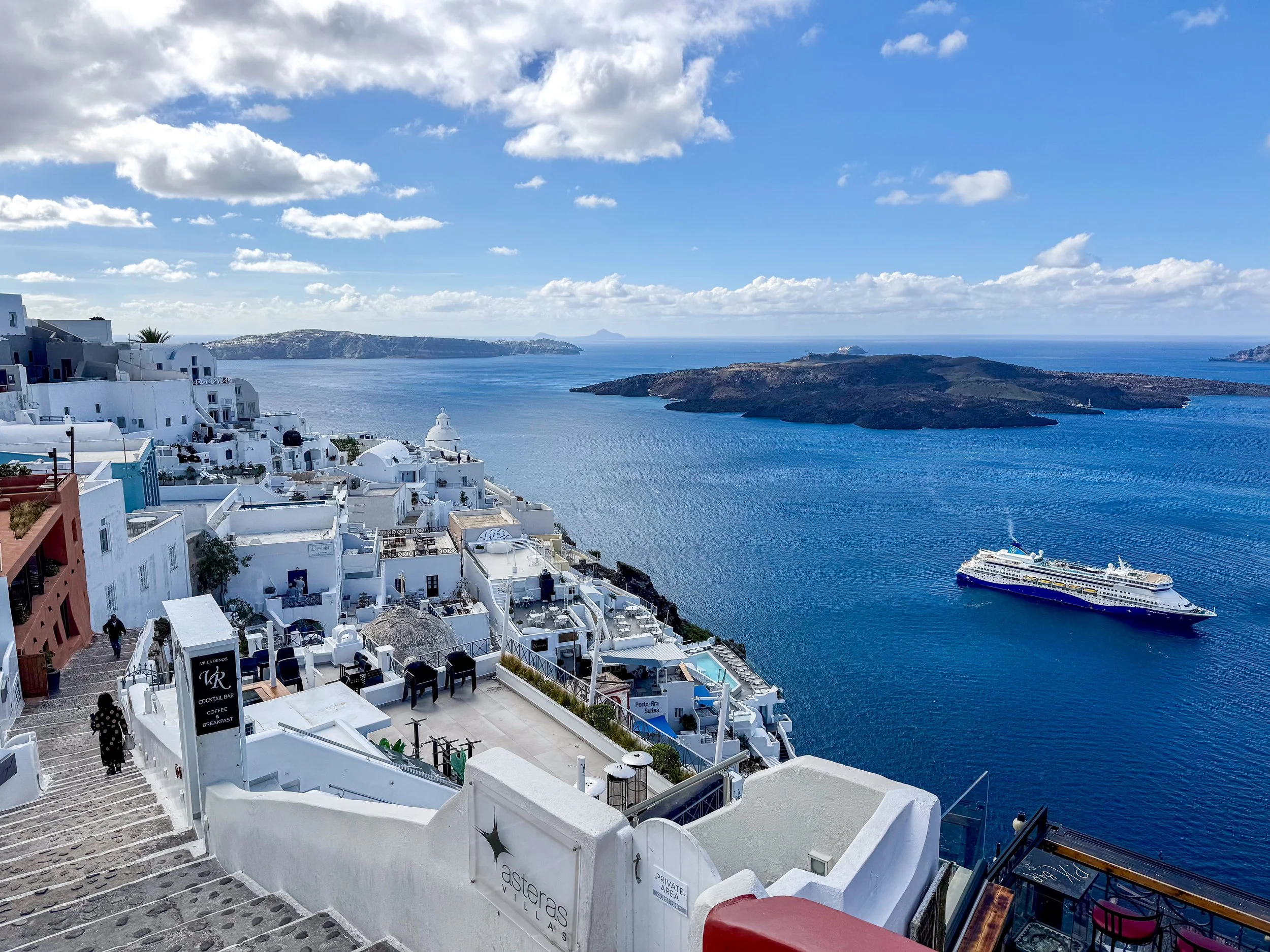
On the way to the airport we spent a few hours in the town of Fira.
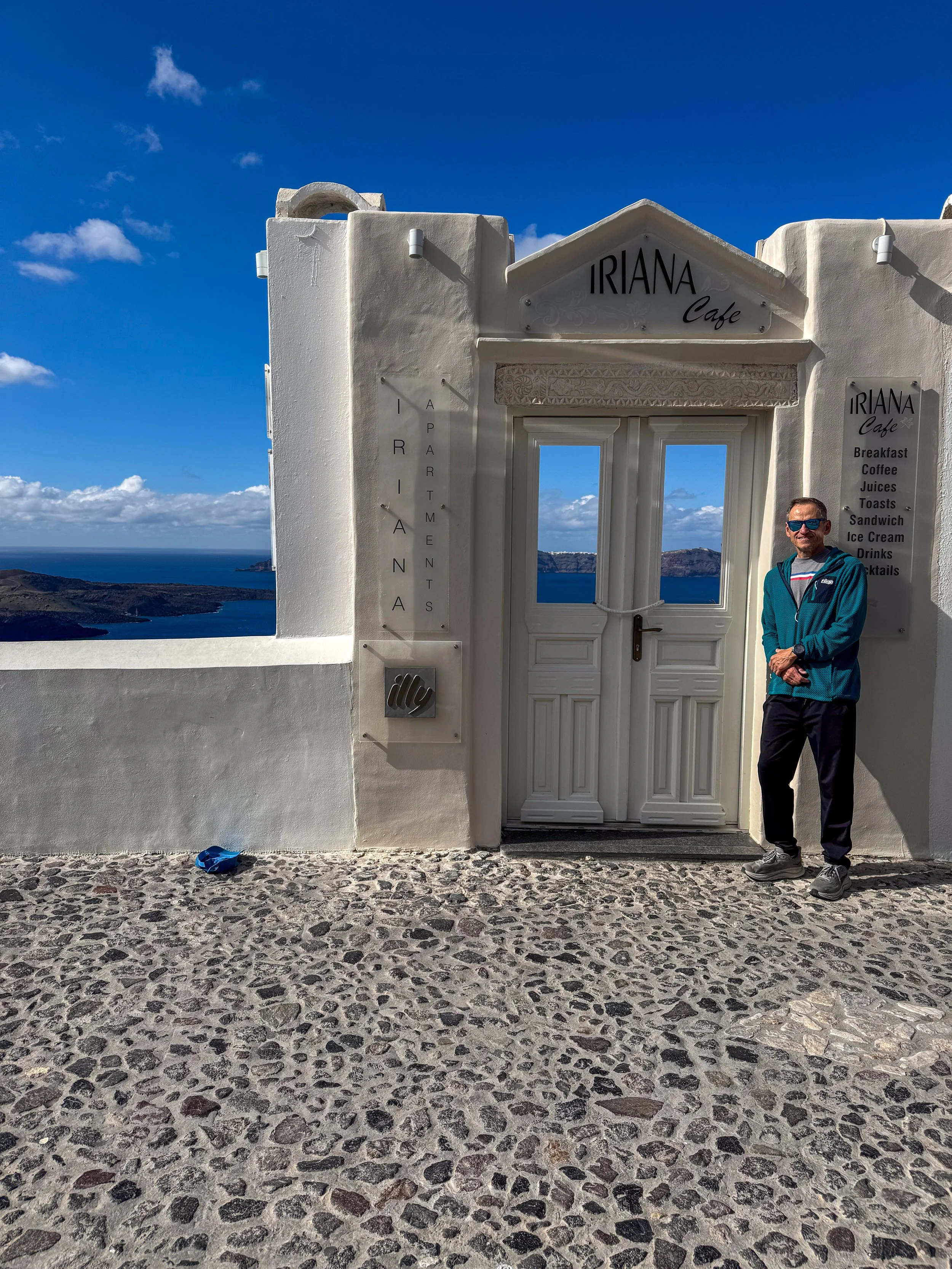
Fira has lots of what we called “doors to nowhere,” for obvious reasons. They actually lead to steep stairways to restaurants and bars.
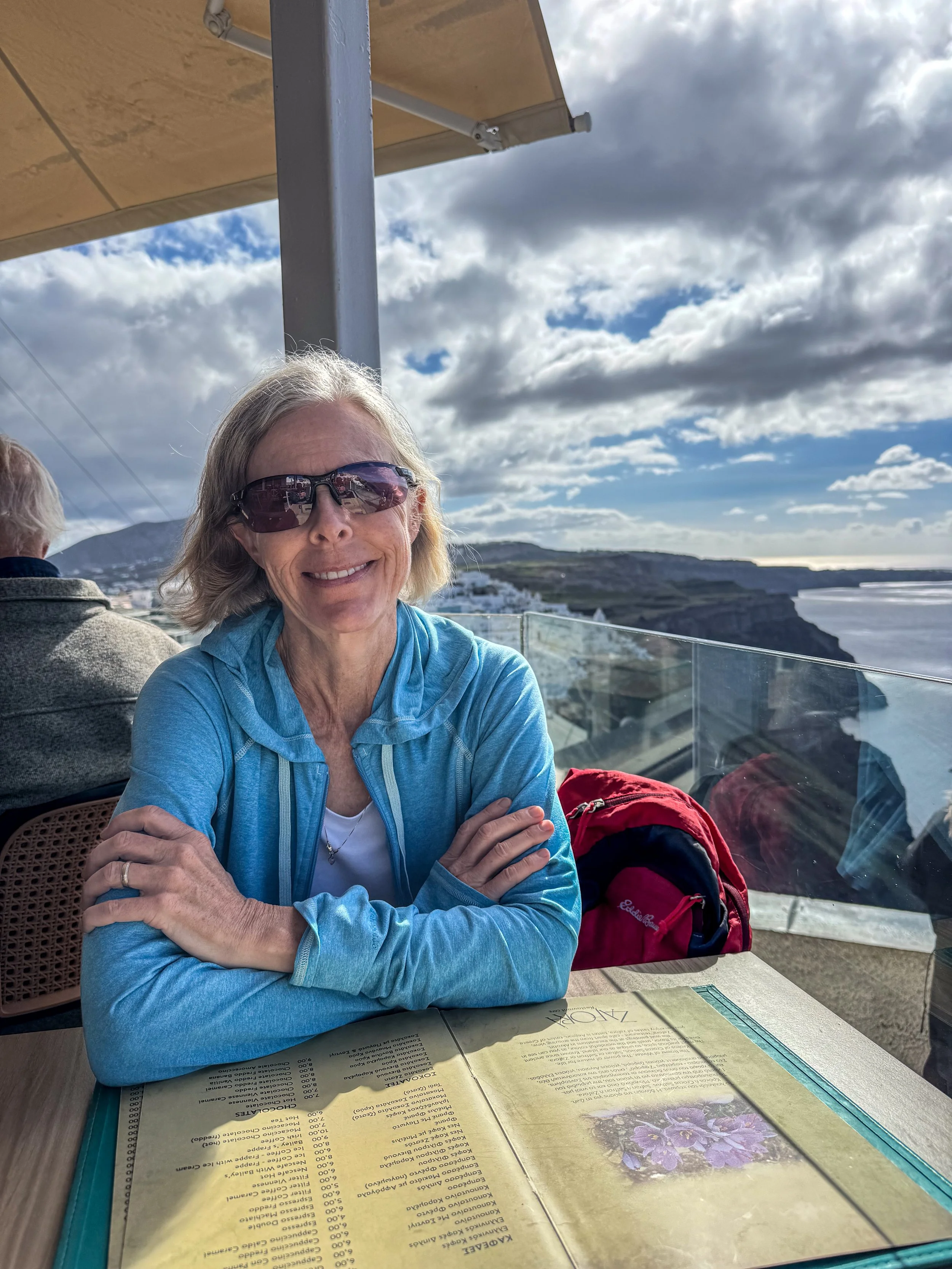
Having mid-day coffee in Fira before flying back to Athens.
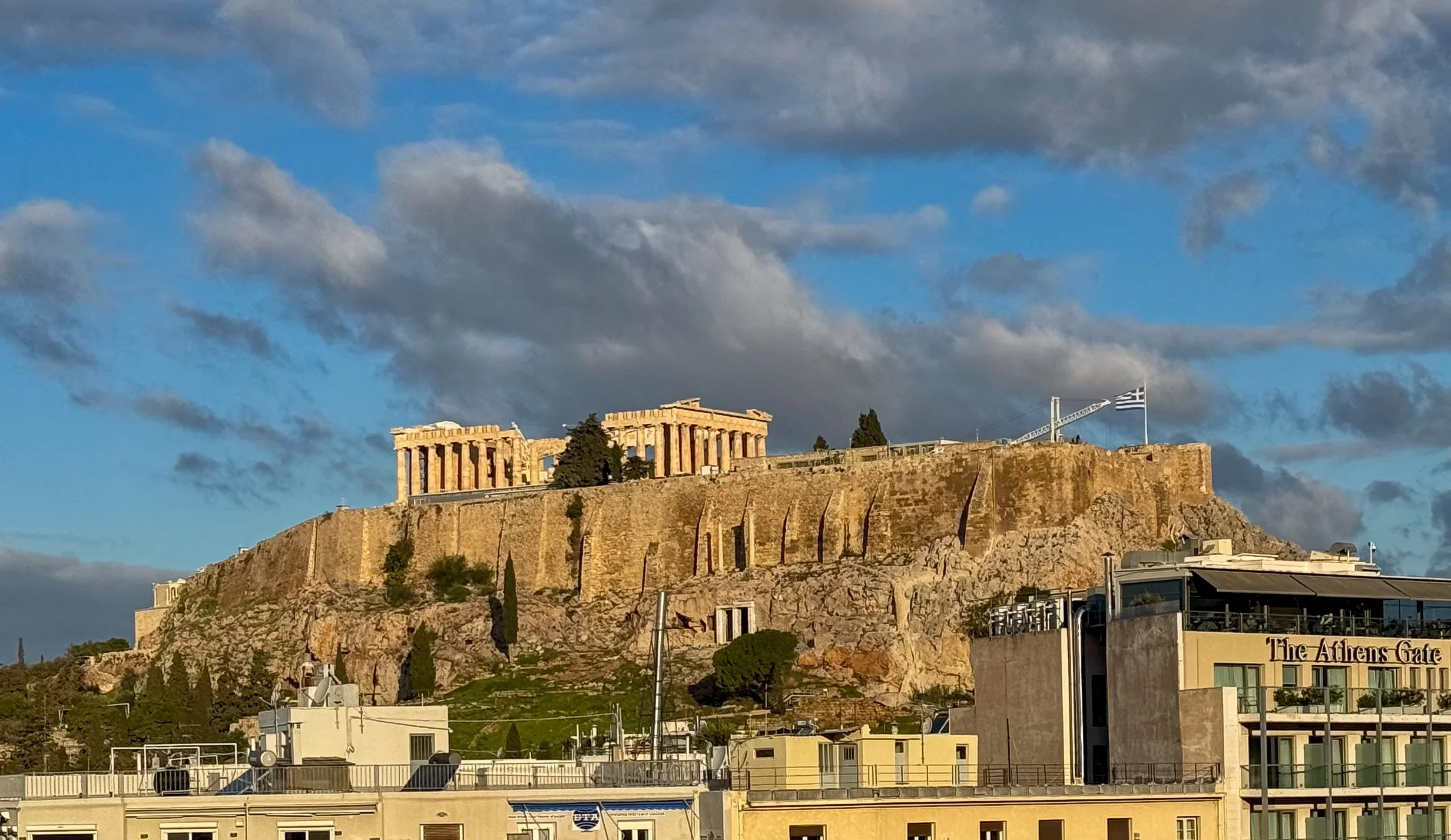
We arrived in Athens at the Royal Olympic Hotel which is located below the Acropolis (pictured above).
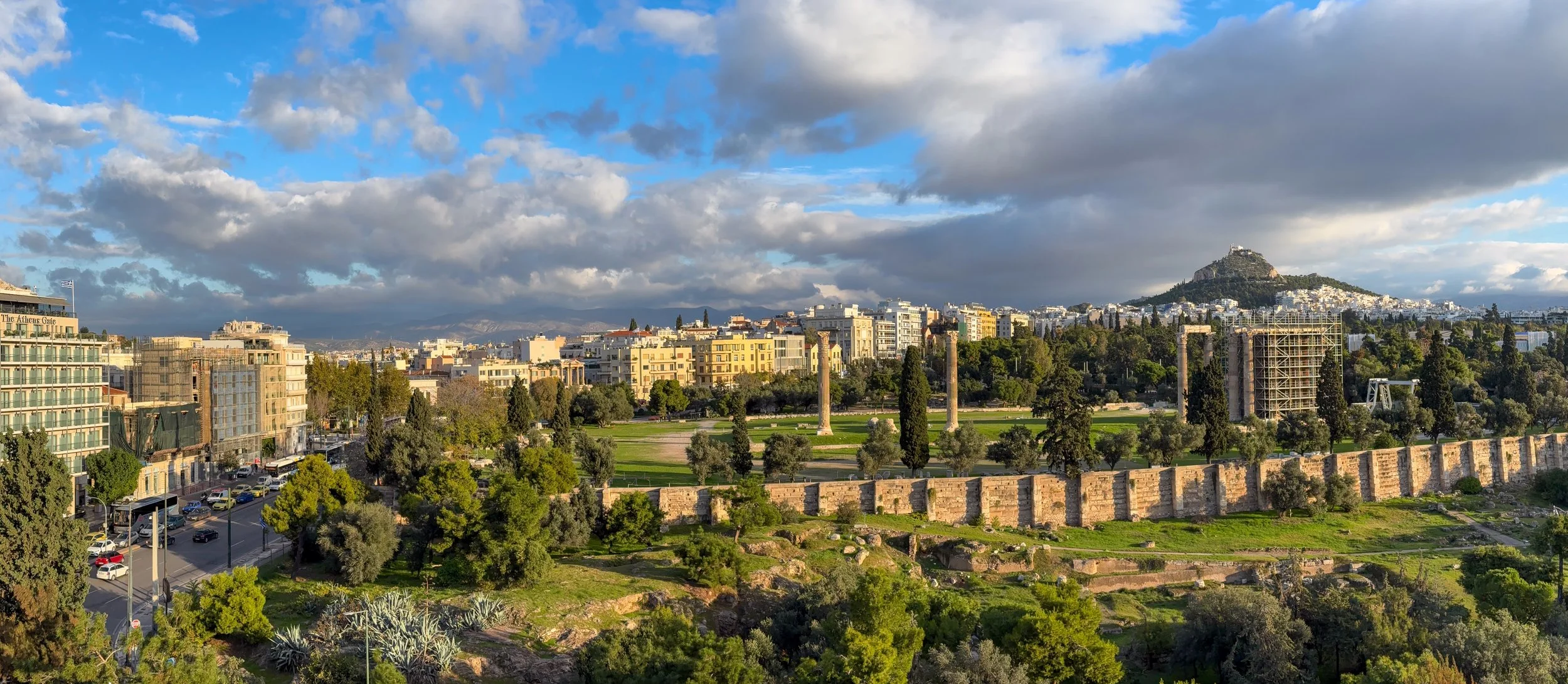
The Royal Olympic also had a great view of the Temple of Zeus and National Garden.
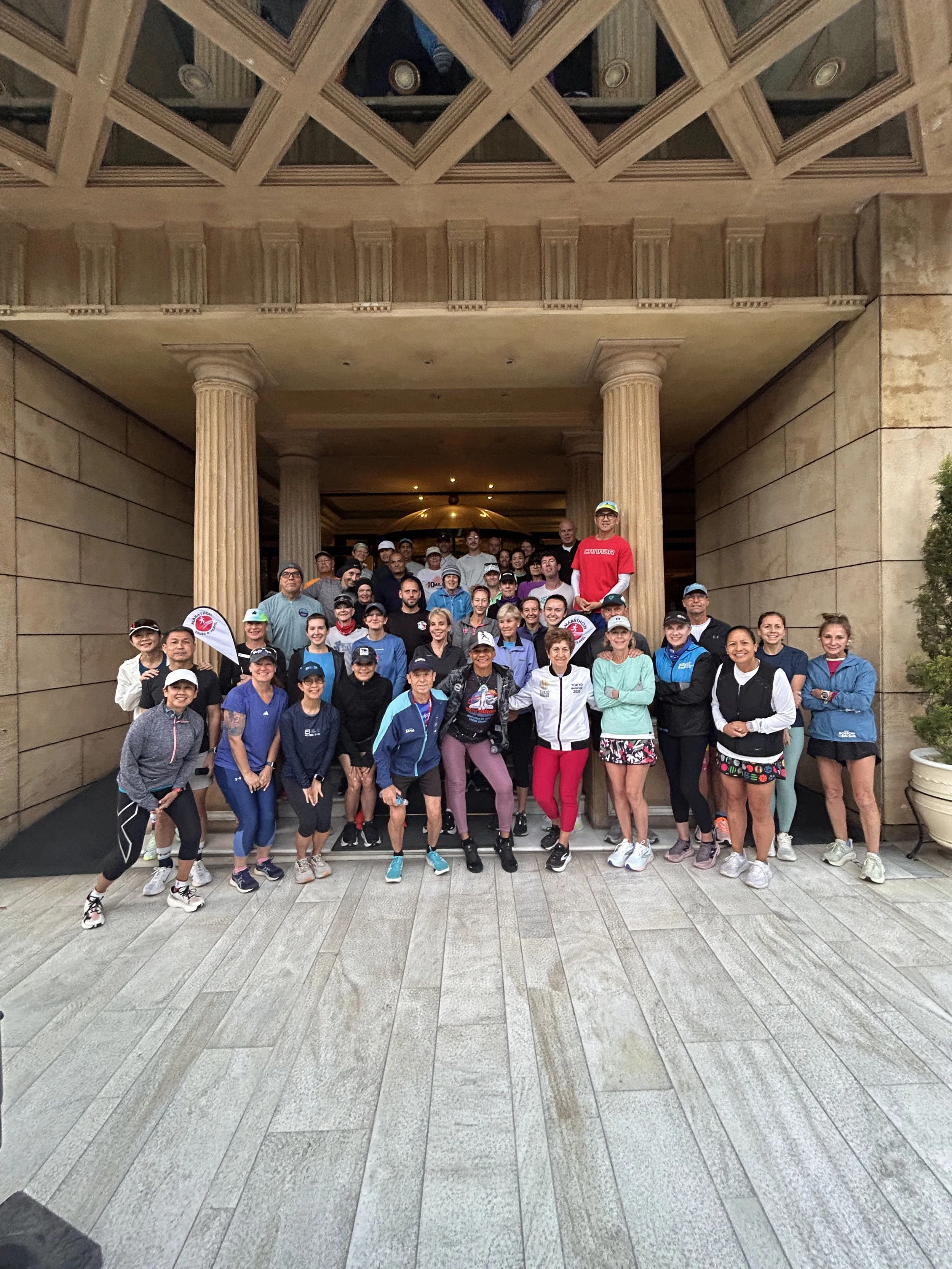
The Marathon Tours group gathered in front of the Royal Olympic Hotel for our pre-marathon shakeout run.
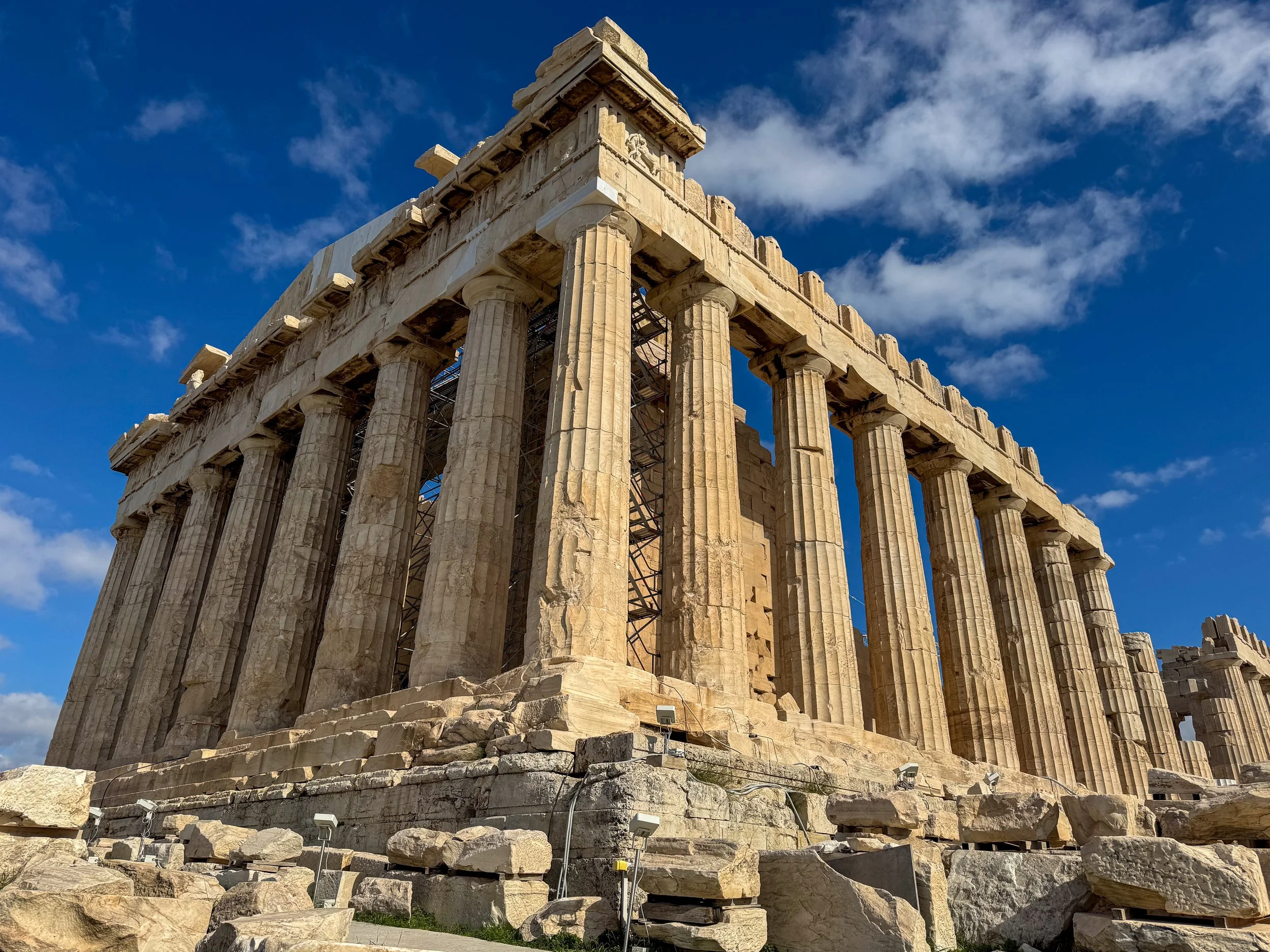
The Acropolis of Athens is one of the most important archaeological sites in Greece. Sitting on a rocky plateau 500 feet above Athens, the Acropolis was a religious, political and cultural center for more than 3000 years. Its most famous building, the Parthenon, is one of most extraordinary achievements of the Athenian civilization.
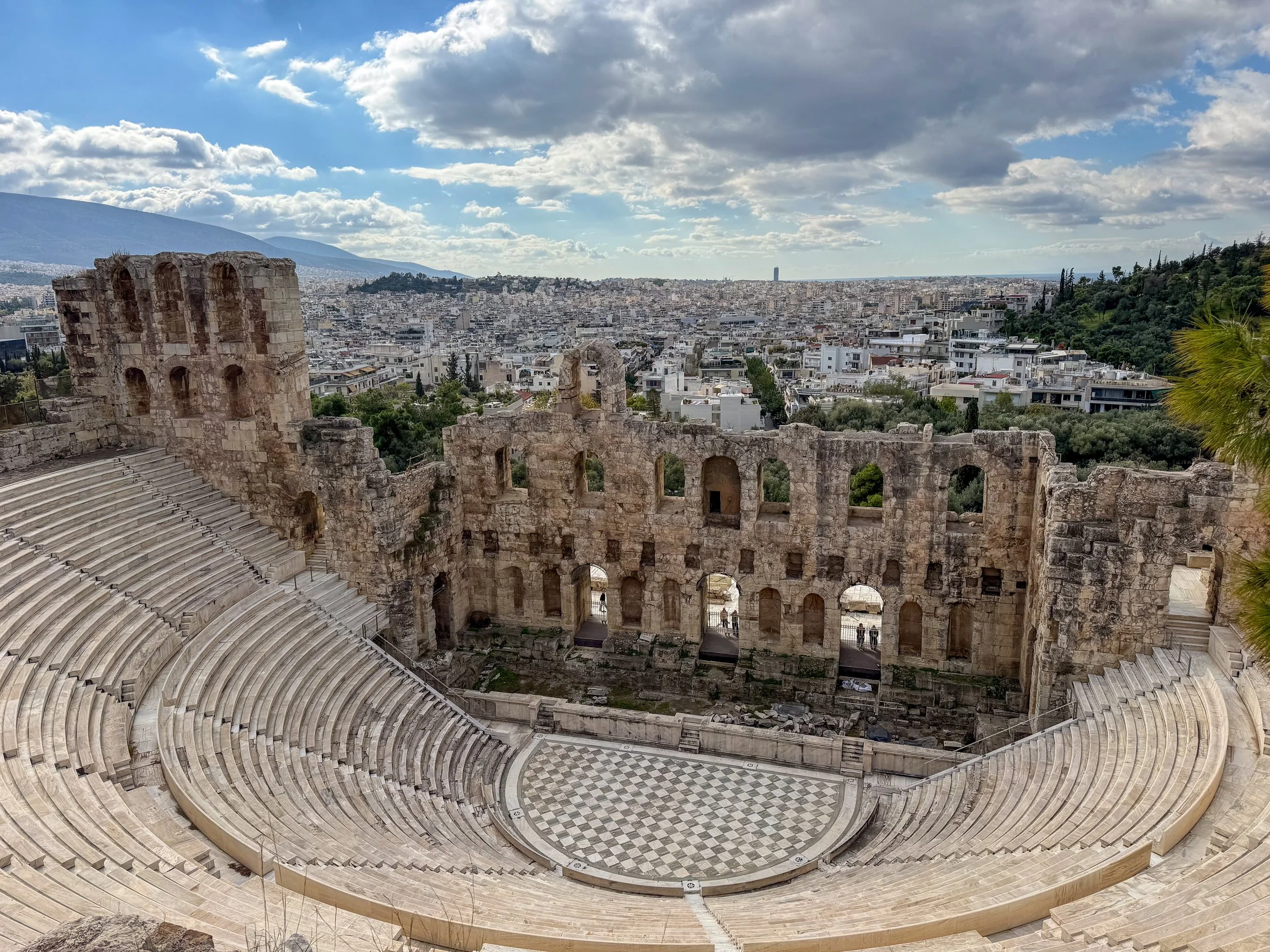
The Theater of Dionysus (the Greek God of wine, fertility and theatrical performance) is located on the southern slope of the Acropolis. it is considered the birthplace of western theater and is generally regarded as the world’s oldest theater.
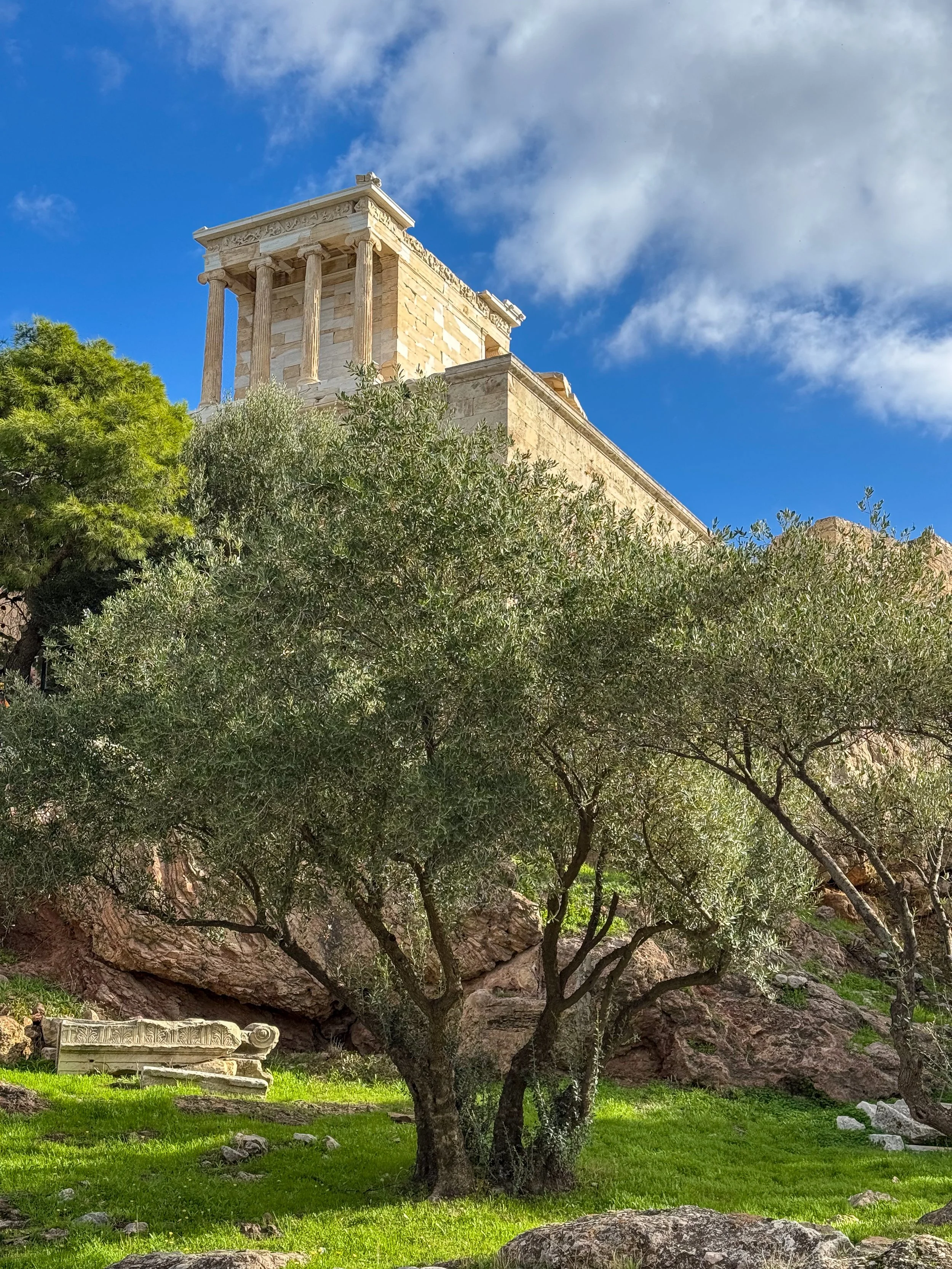
Looking up at the Acropolis from the south.
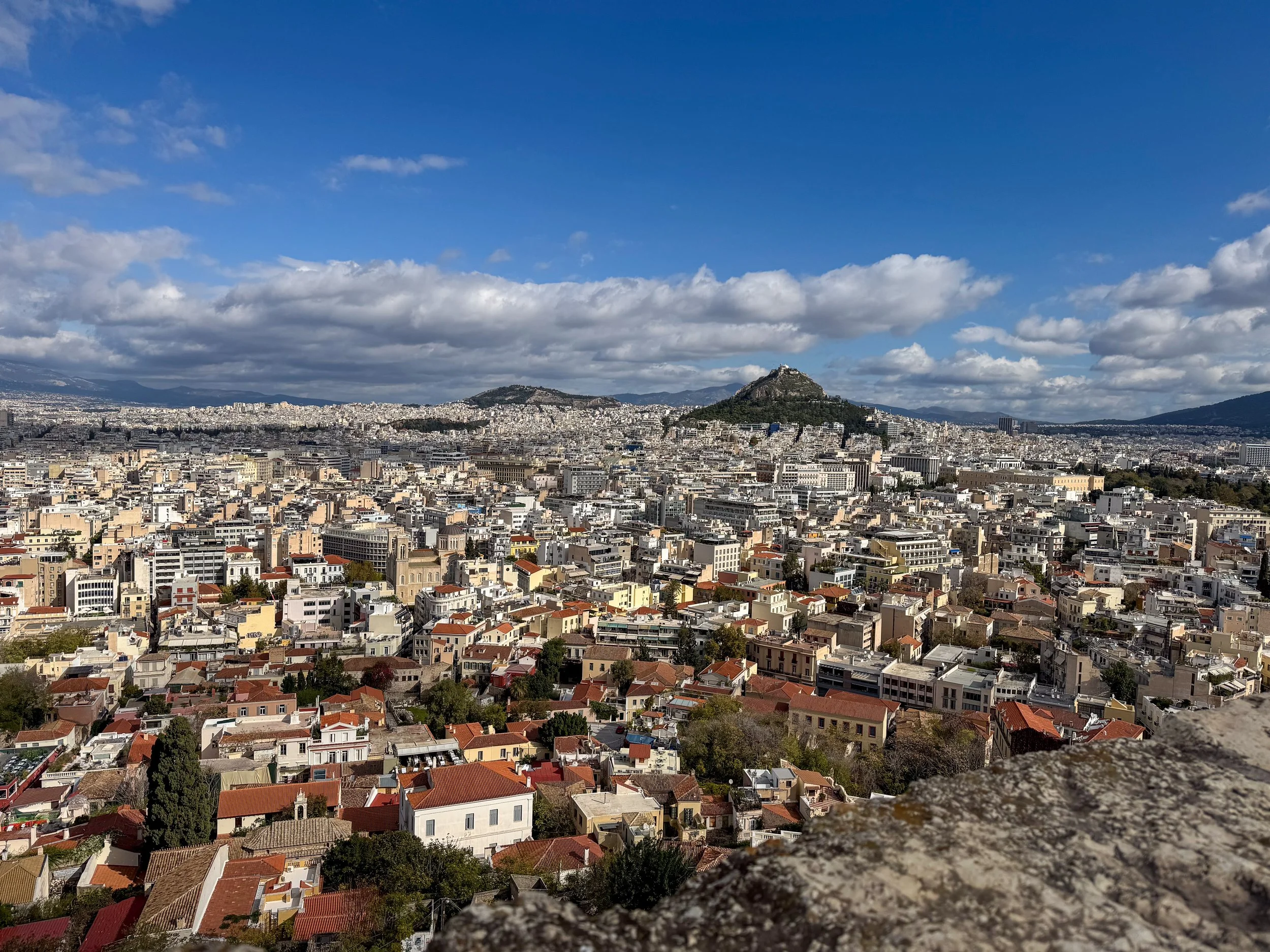
Looking North to the sprawling city of Athens. Athens has always restricted buildings from being higher than the Acropolis.
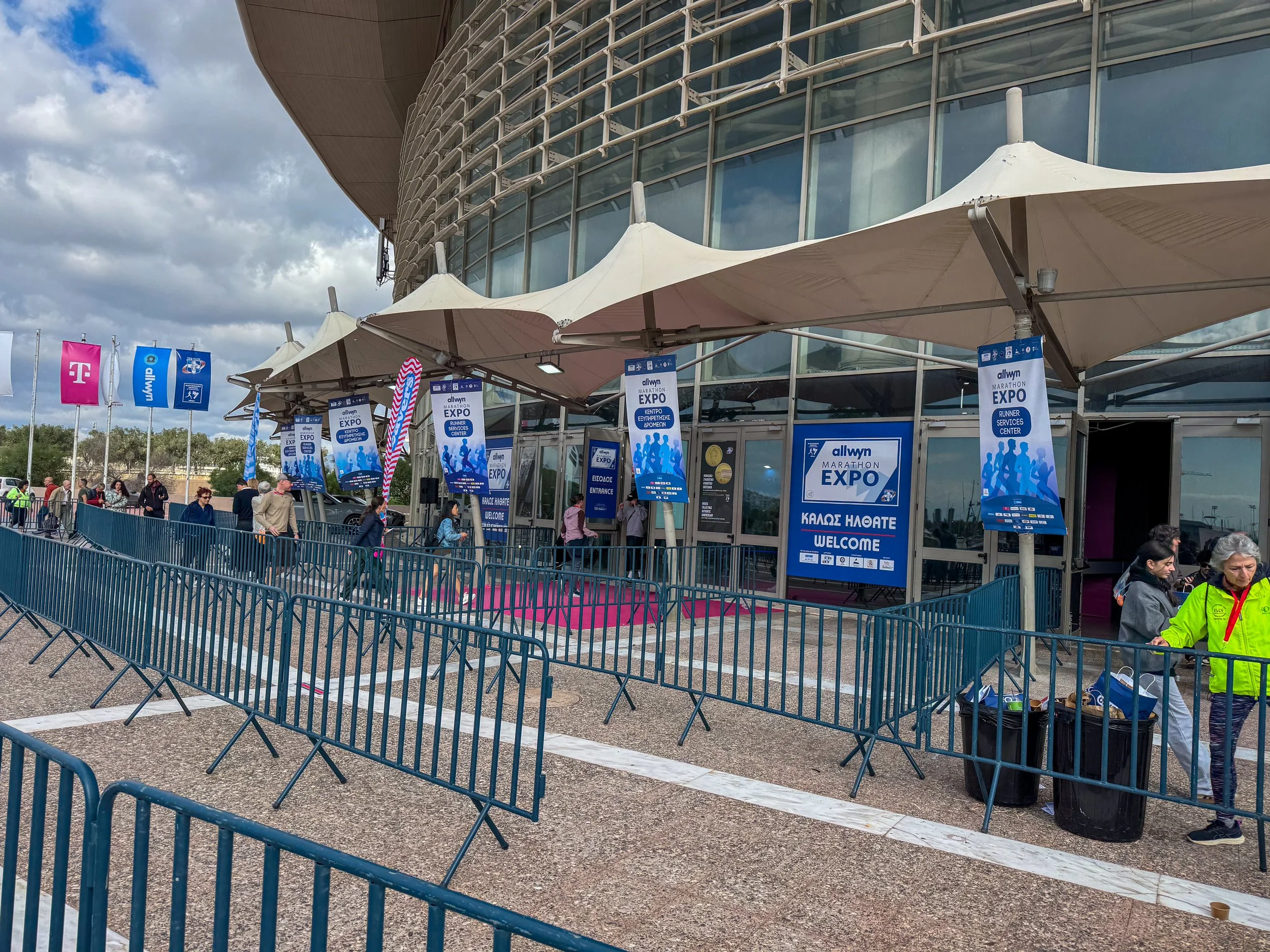
After visiting the Acropolis, we headed to the race expo where we picked up our race bibs.
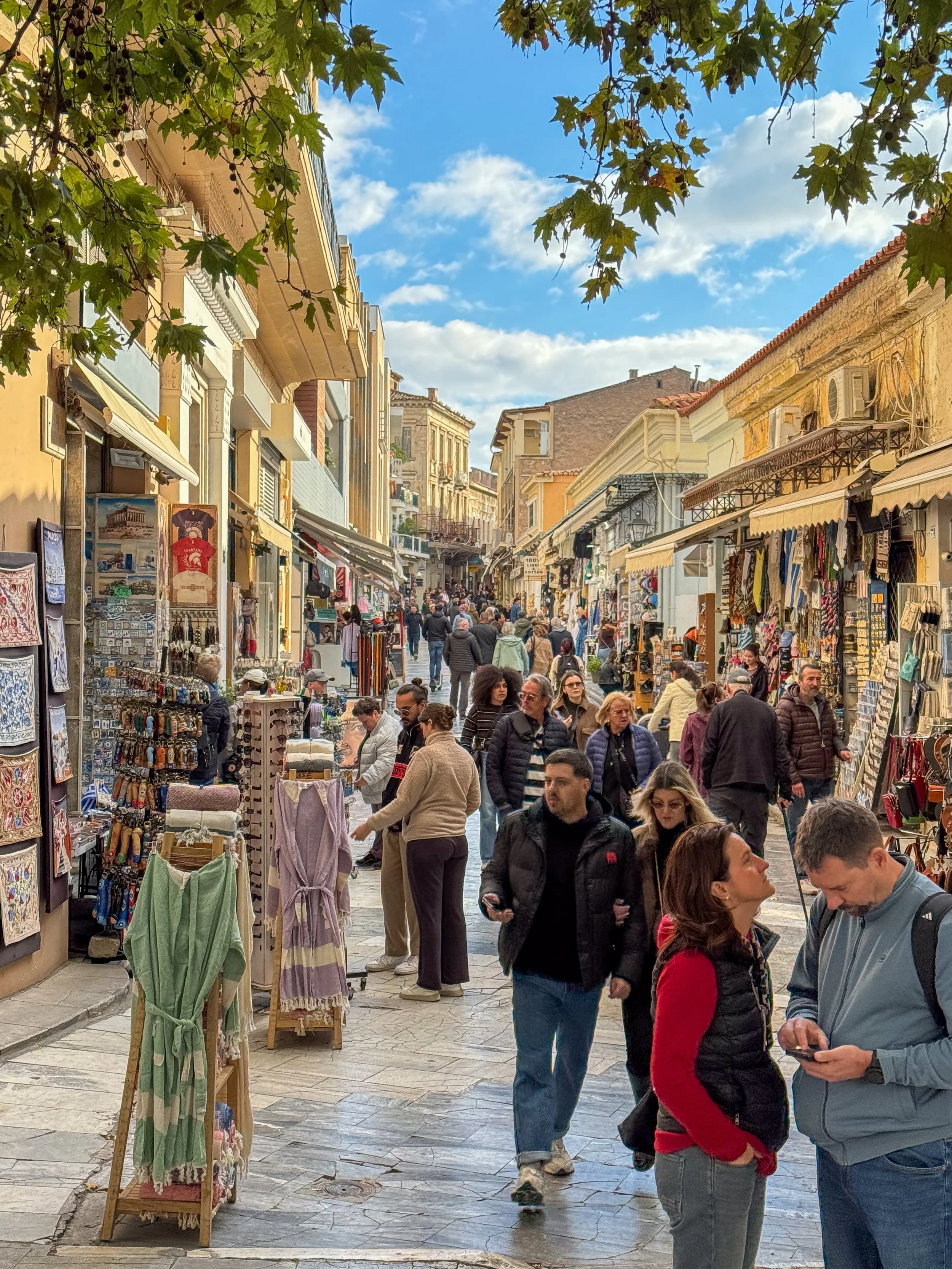
Our hotel was located next to the Plaka (old town) which had endless restaurants, bars and shopping.
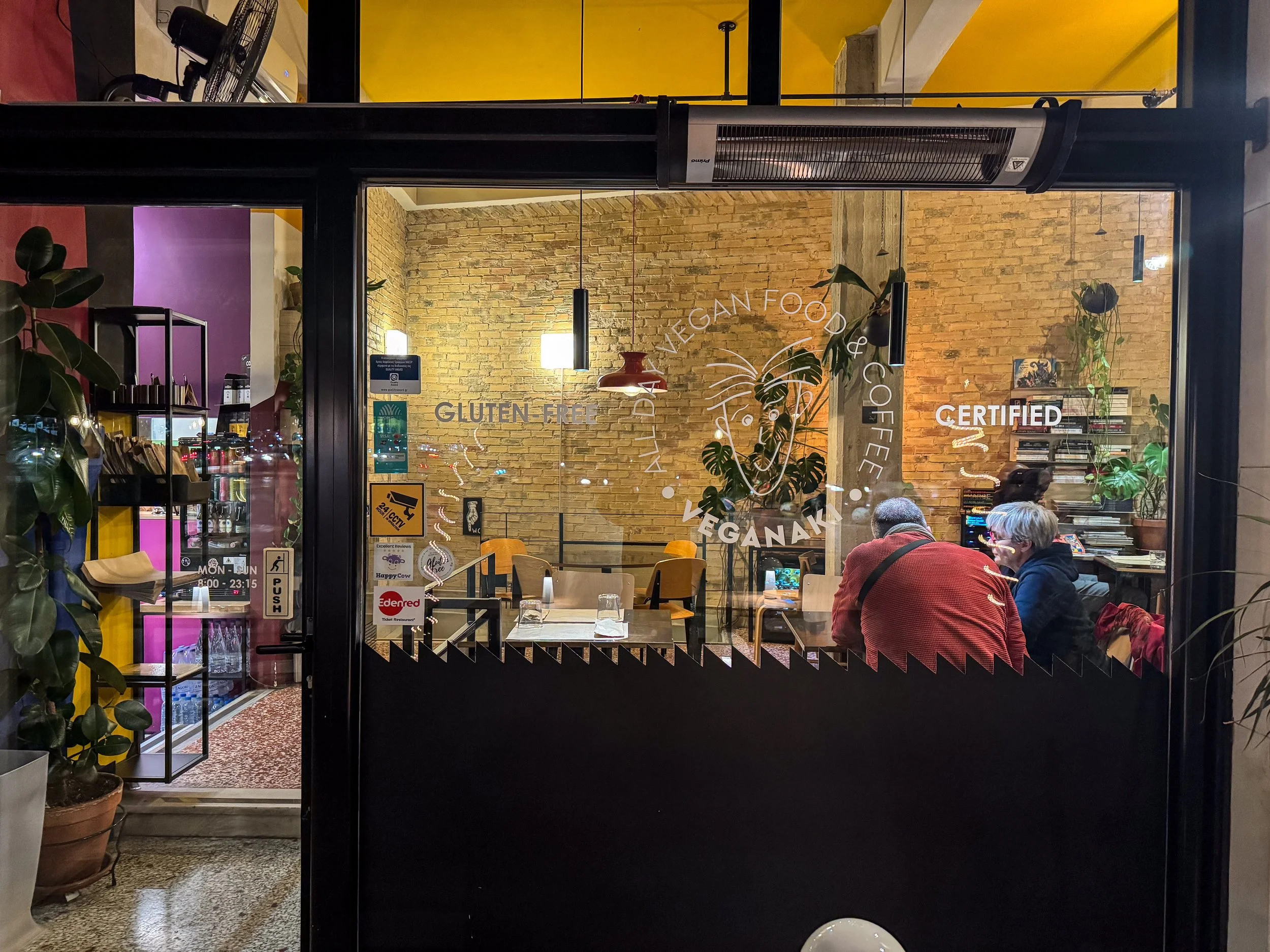
Before we left for Greece, Staci researched gluten-free restaurants. She found this wonderful gluten-free, vegan restaurant which amazingly was located next to our hotel. We had dinner there three nights!
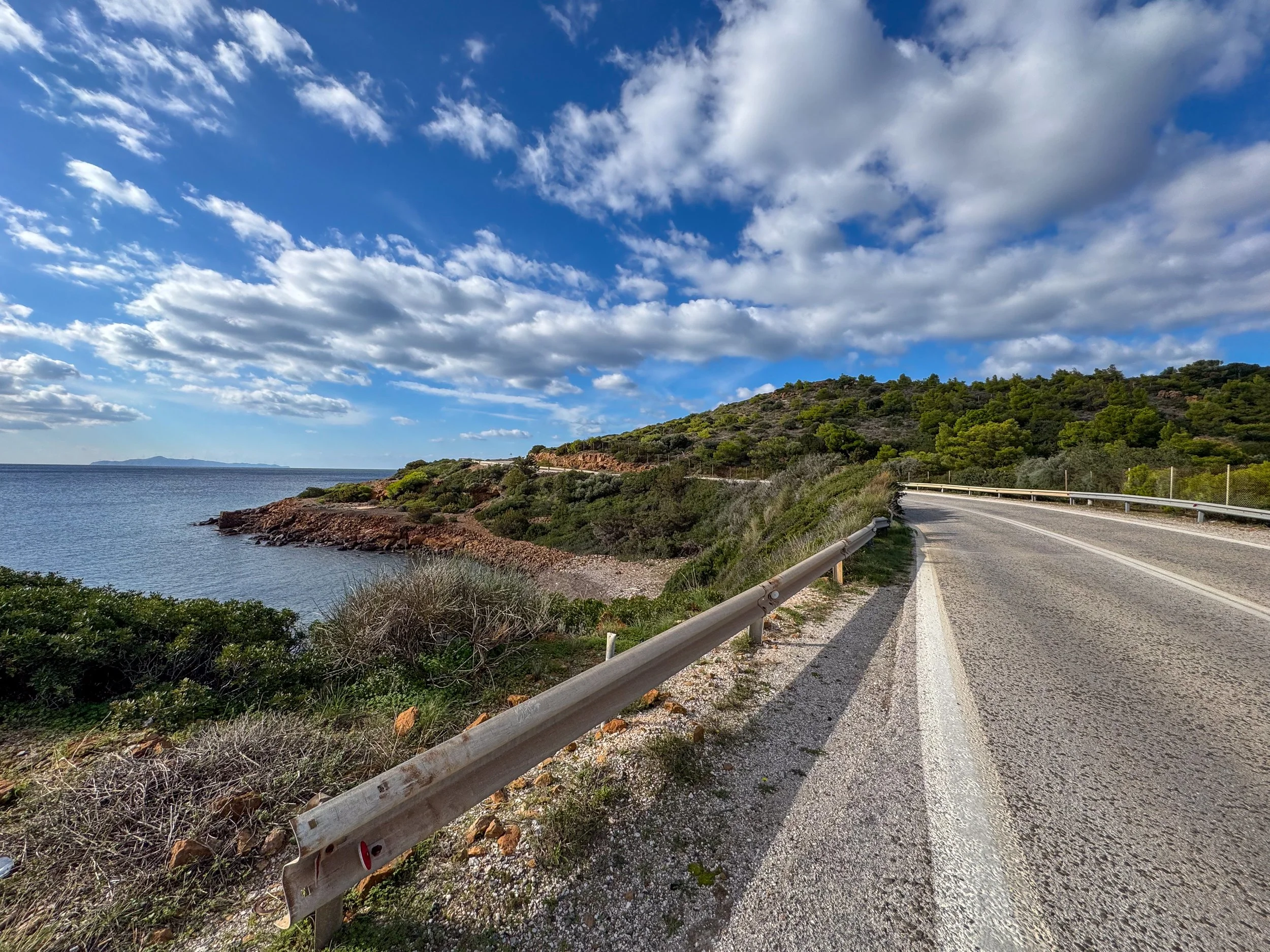
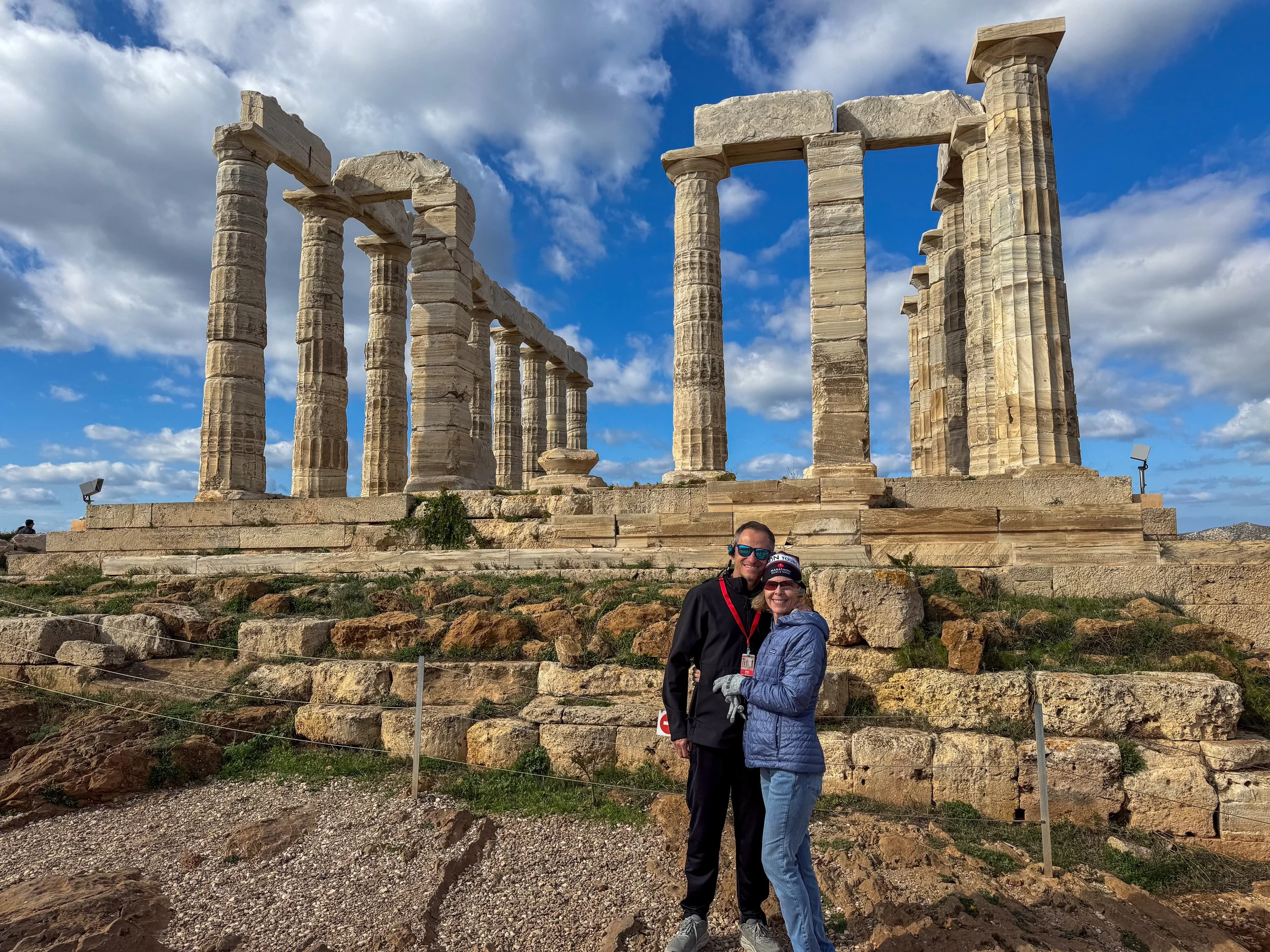
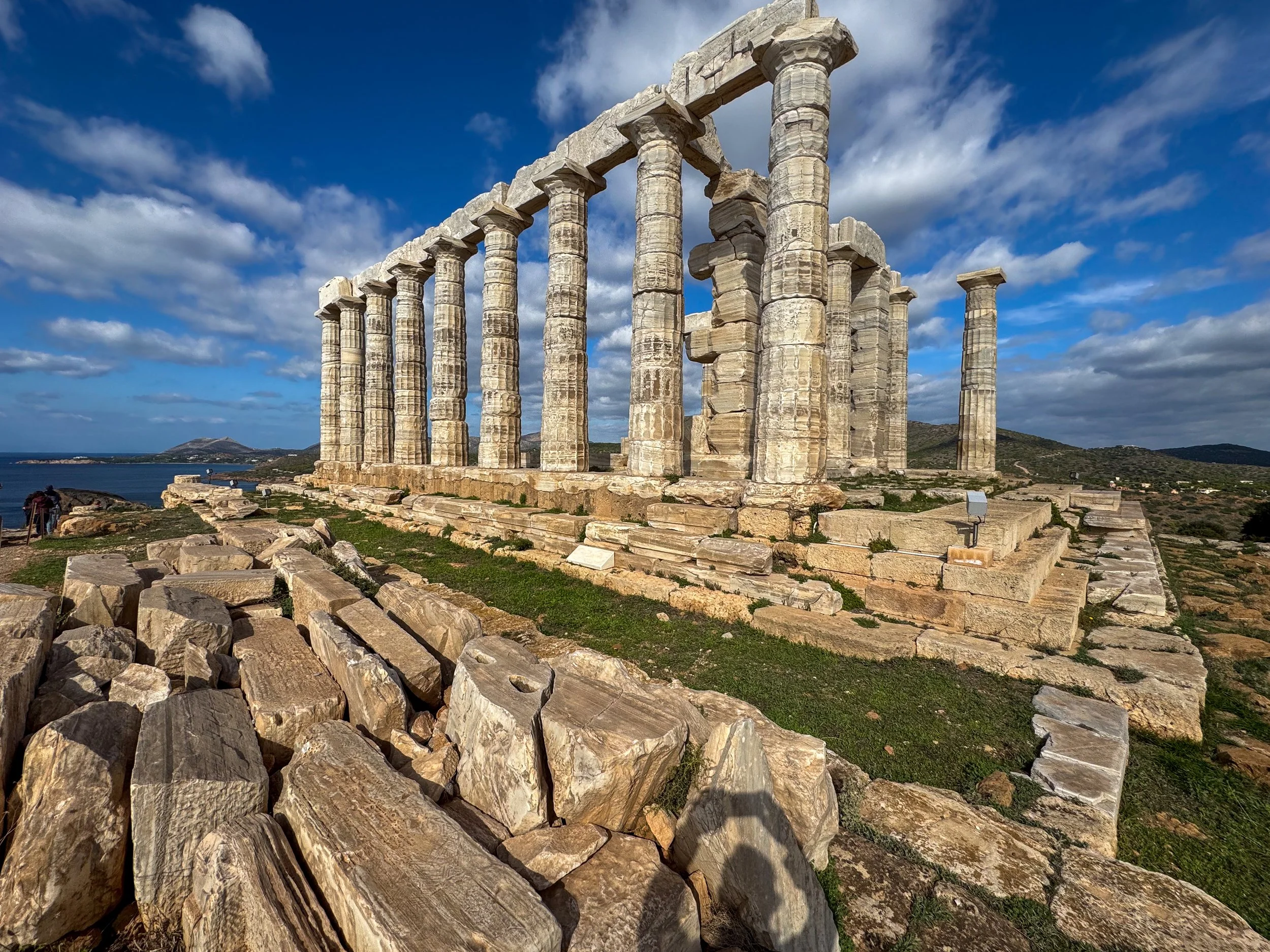
On our second day in Athens we headed down the coast to visit the Temple of Poseidon at Cape Sounion.
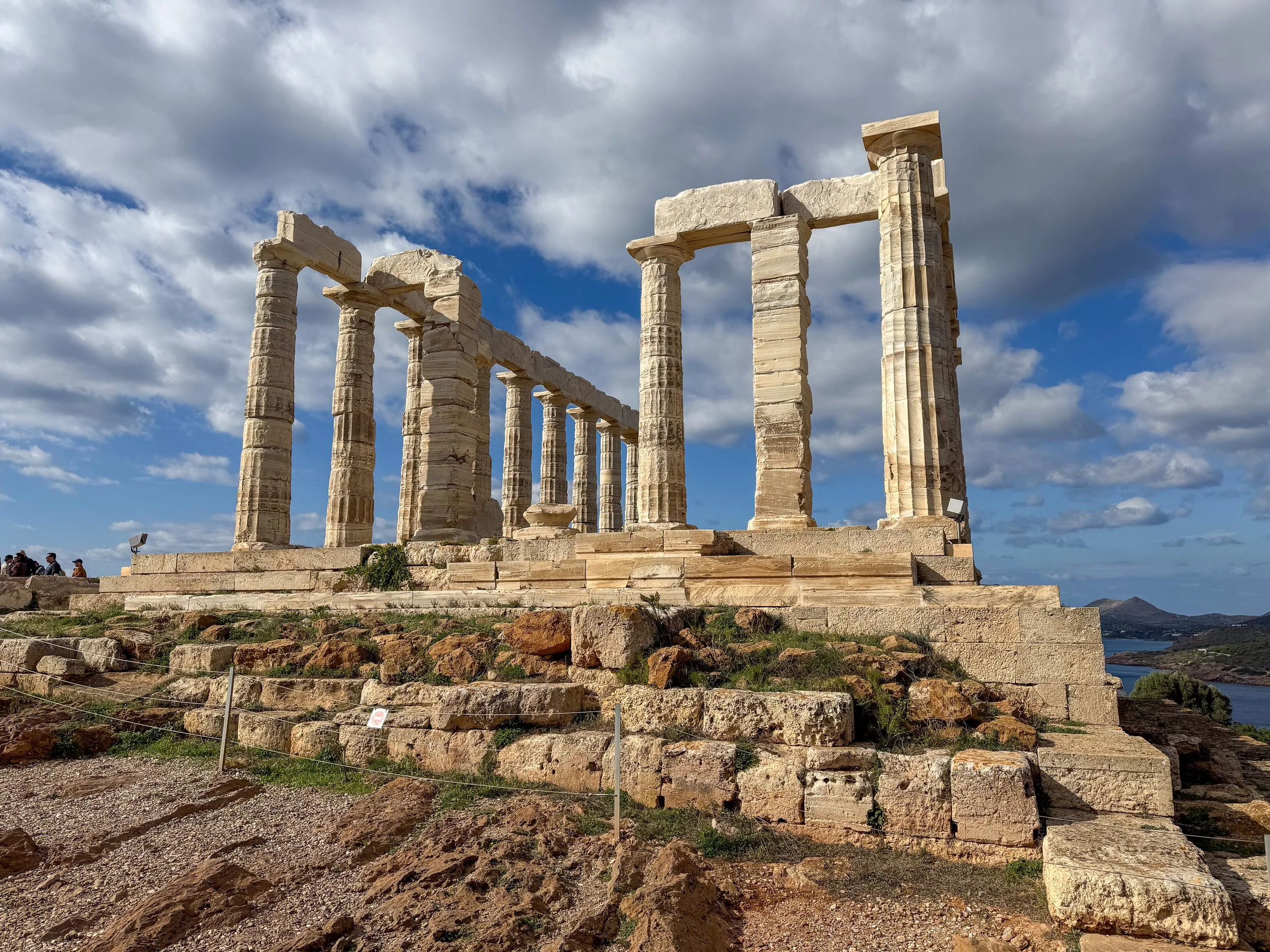
The Temple of Poseidon was built in the 5th century BC and dedicated to Poseidon, the Greek god of the sea. By the 7th century BC the area had become a religious sanctuary. In 480 BC, it was destroyed by the Persians during their invasion of Greece. Following the greek victory over the Persians, the Athenians constructed the current temple using the foundation from the earlier building.
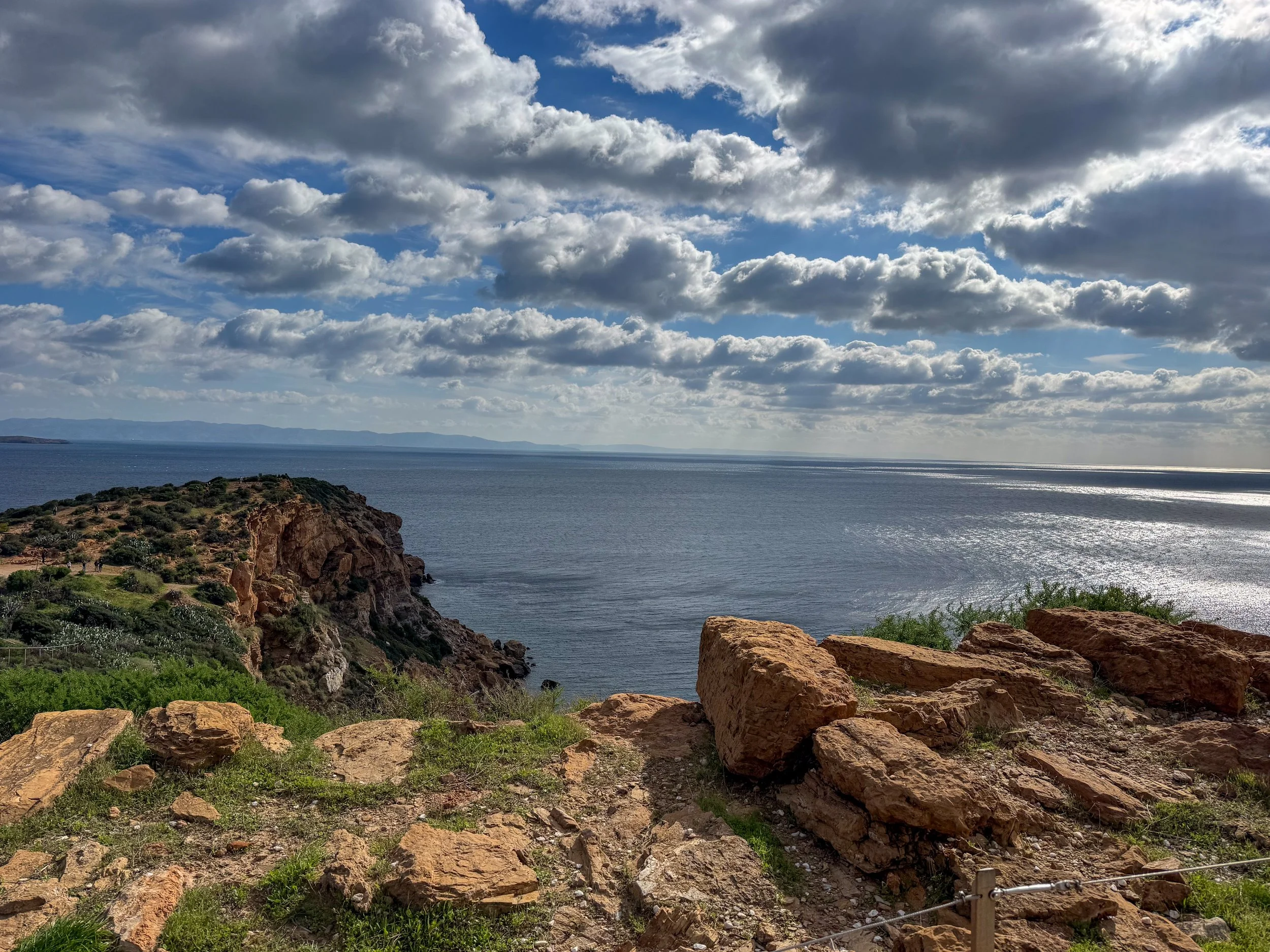
Looking out at Cape Sounion.
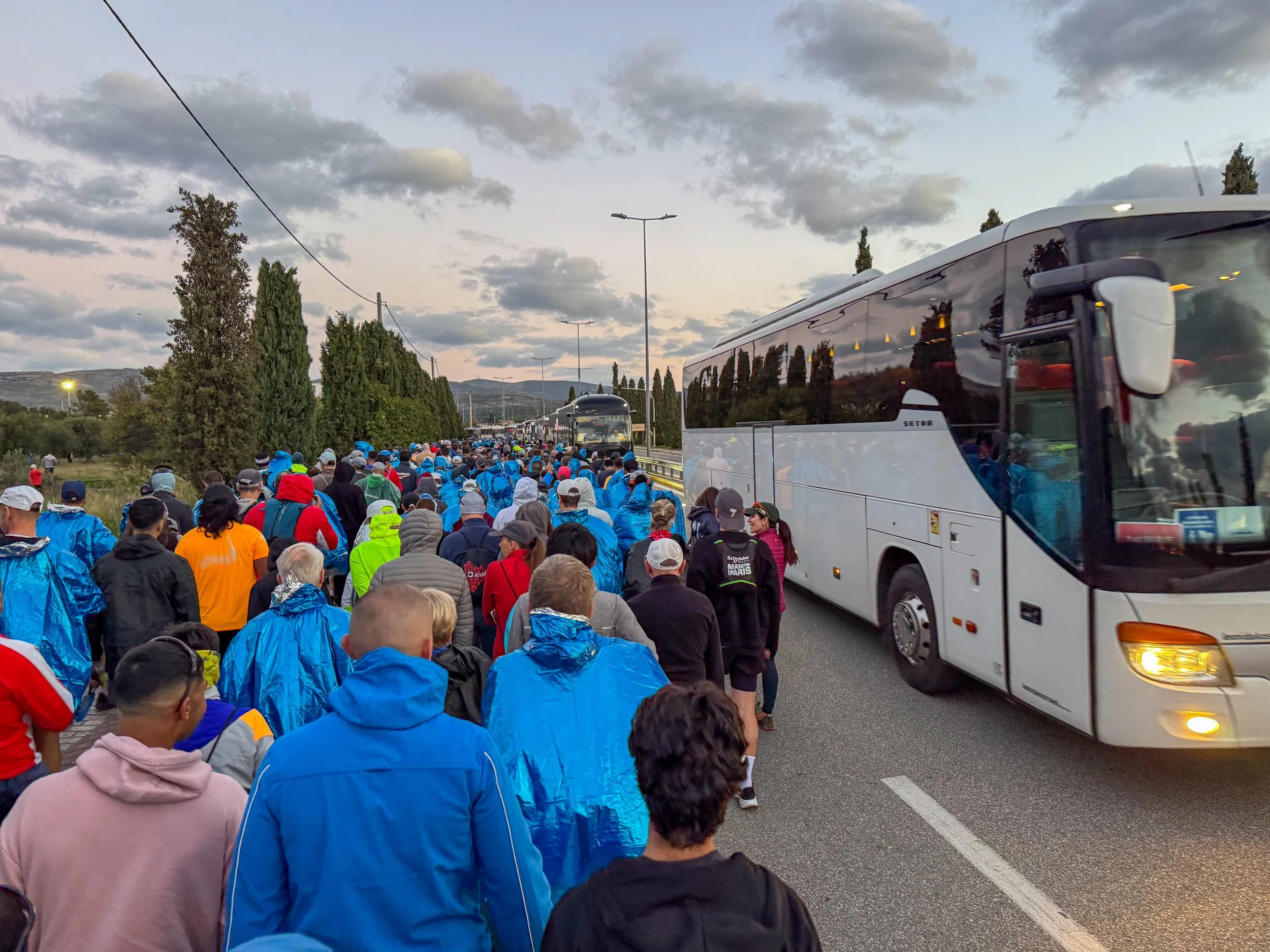
Marathon Morning! We took buses from downtown Athens to the start in the town of Marathon 26 miles away.
We’ve wanted to run the Athens Marathon for a long time because of its history. It follows the same route as the original Olympic Marathon and is the origin of the marathon distance (which was originally 24.8 miles). It was inspired by the story of Pheidippides who ran from the town of Marathon to Athens to announce the Greeks had defeated the Persians in the battle of Marathon in 490BC.
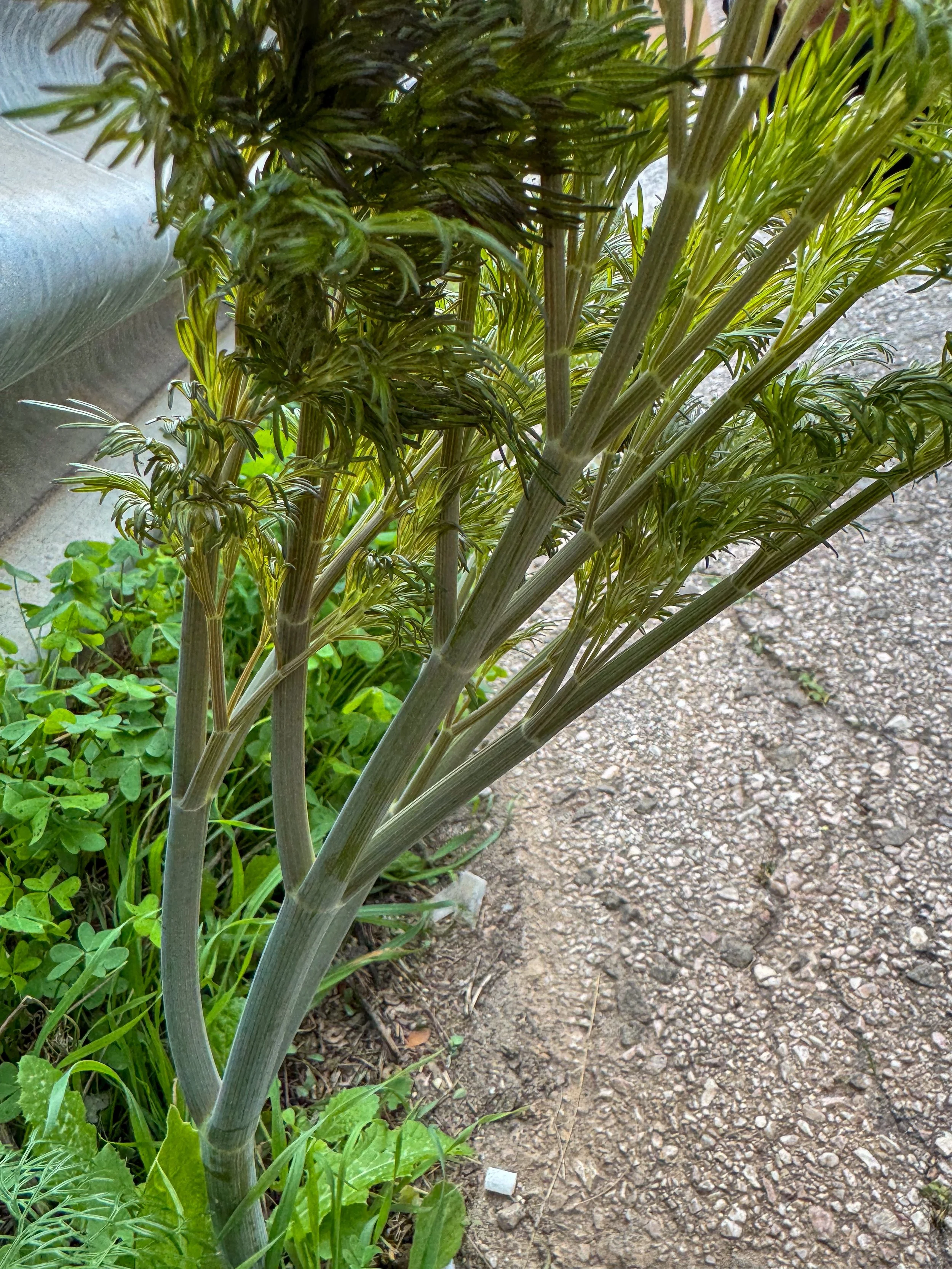
Marathon means “field of fennel”. The town of Marathon was named after the fennel plant that grew abundantly across the area.
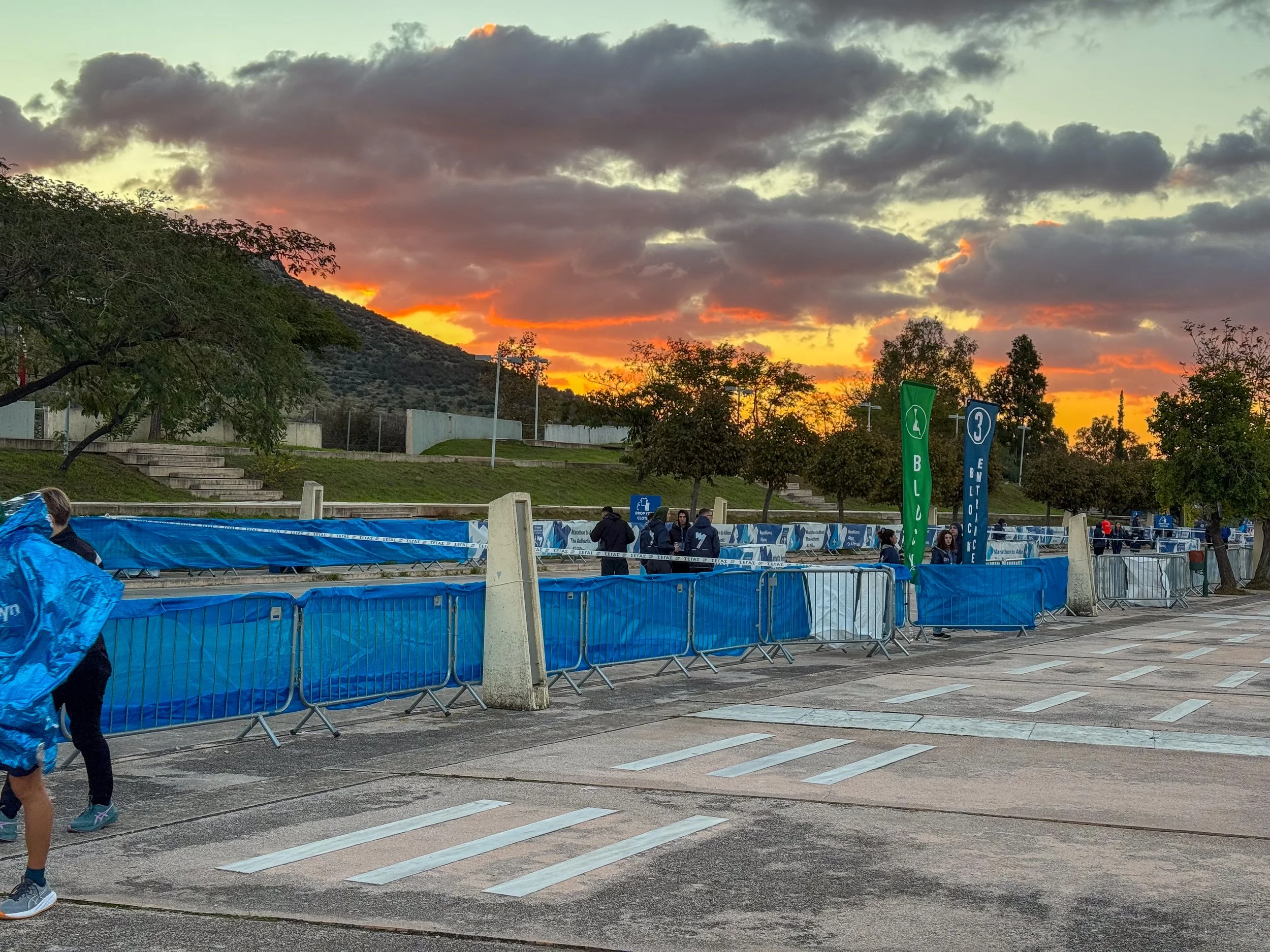
Arriving at the race start in the town of Marathon.
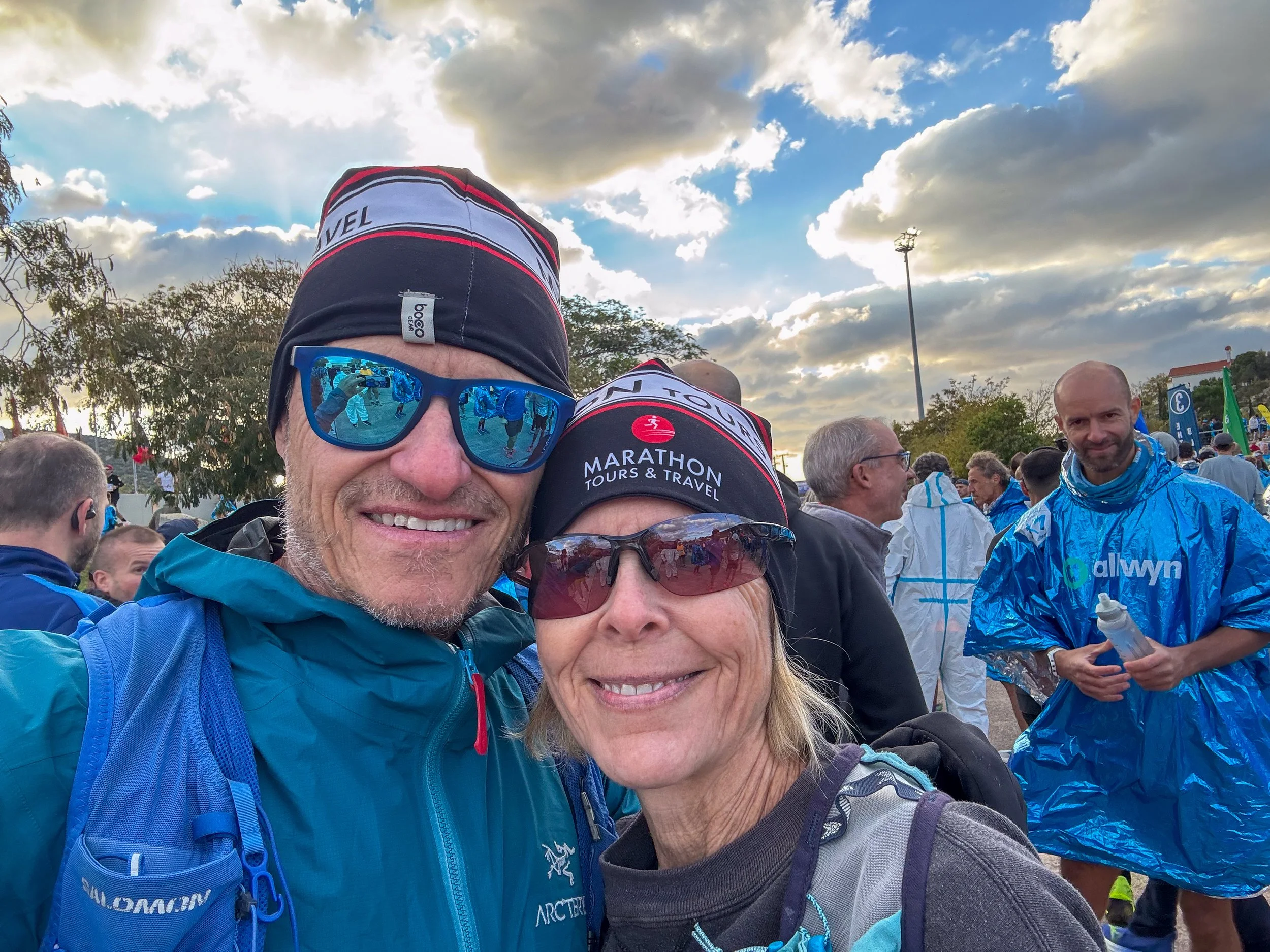
It was cold waiting at the start but the temperature was absolutely perfect for the race.
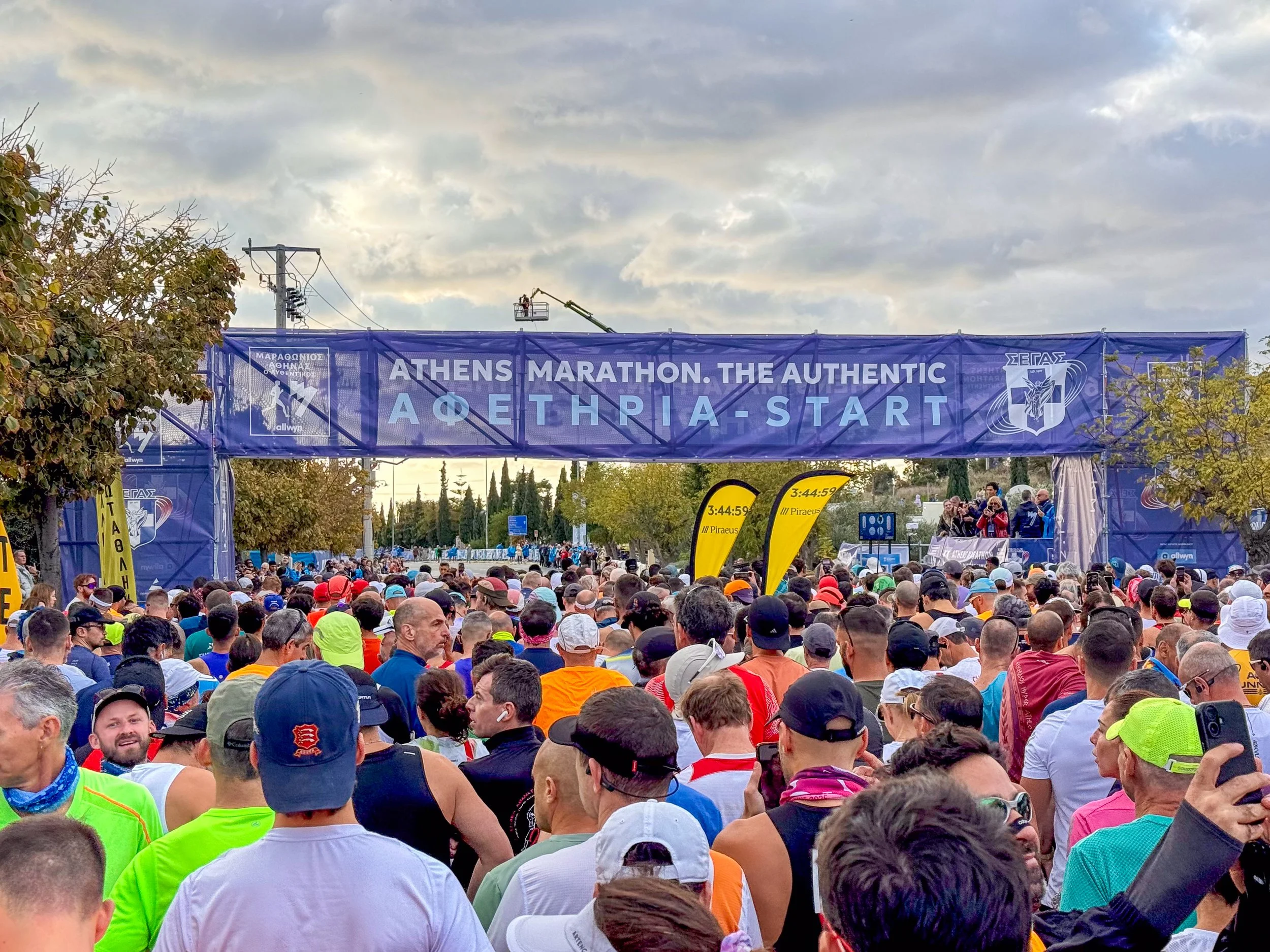
The Athens marathon had 25,000 runners. We started in corral 4.
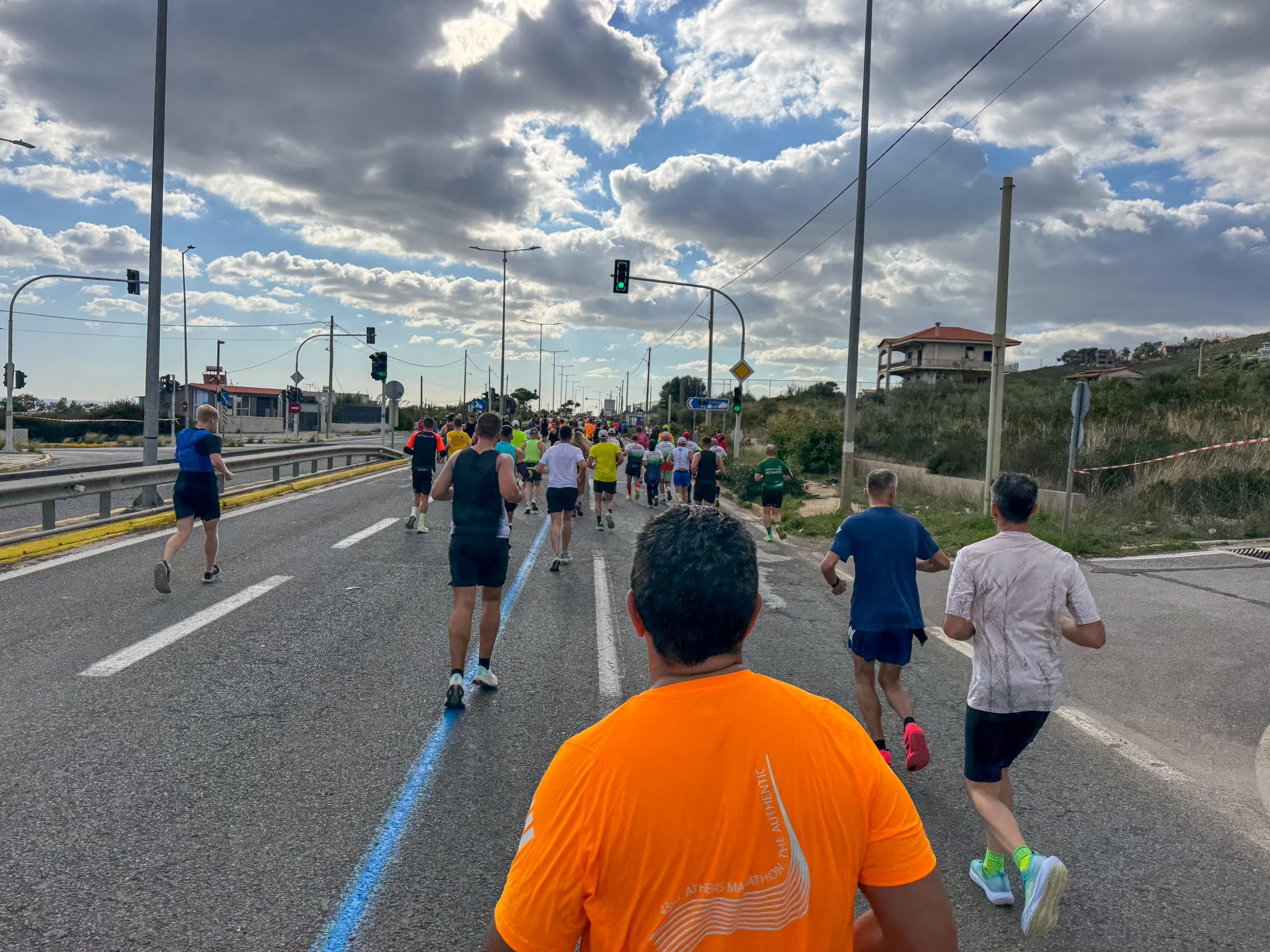
The beginning of the course.
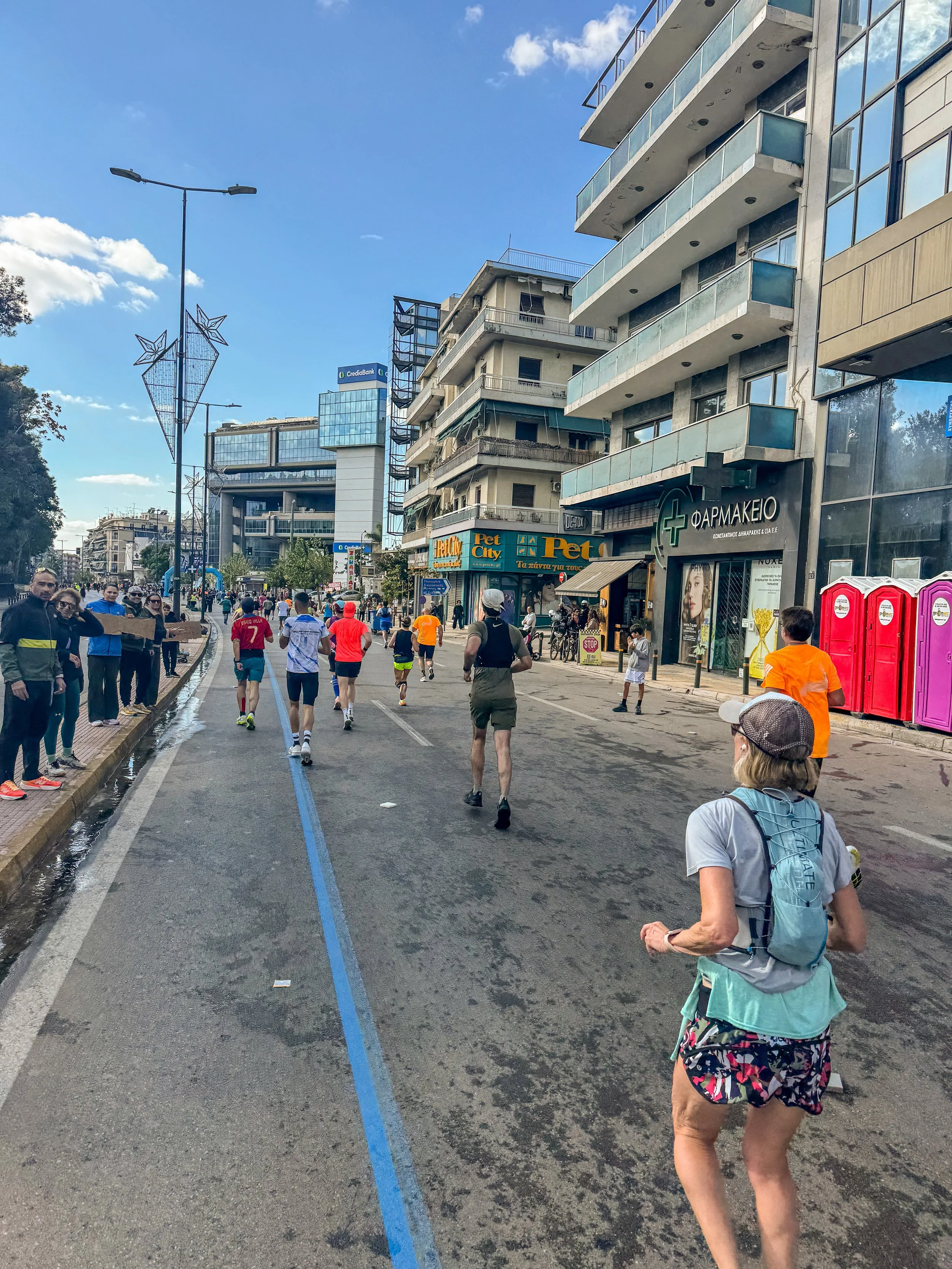
Running through the town of Ellinoroson-Erythros midway through the marathon.
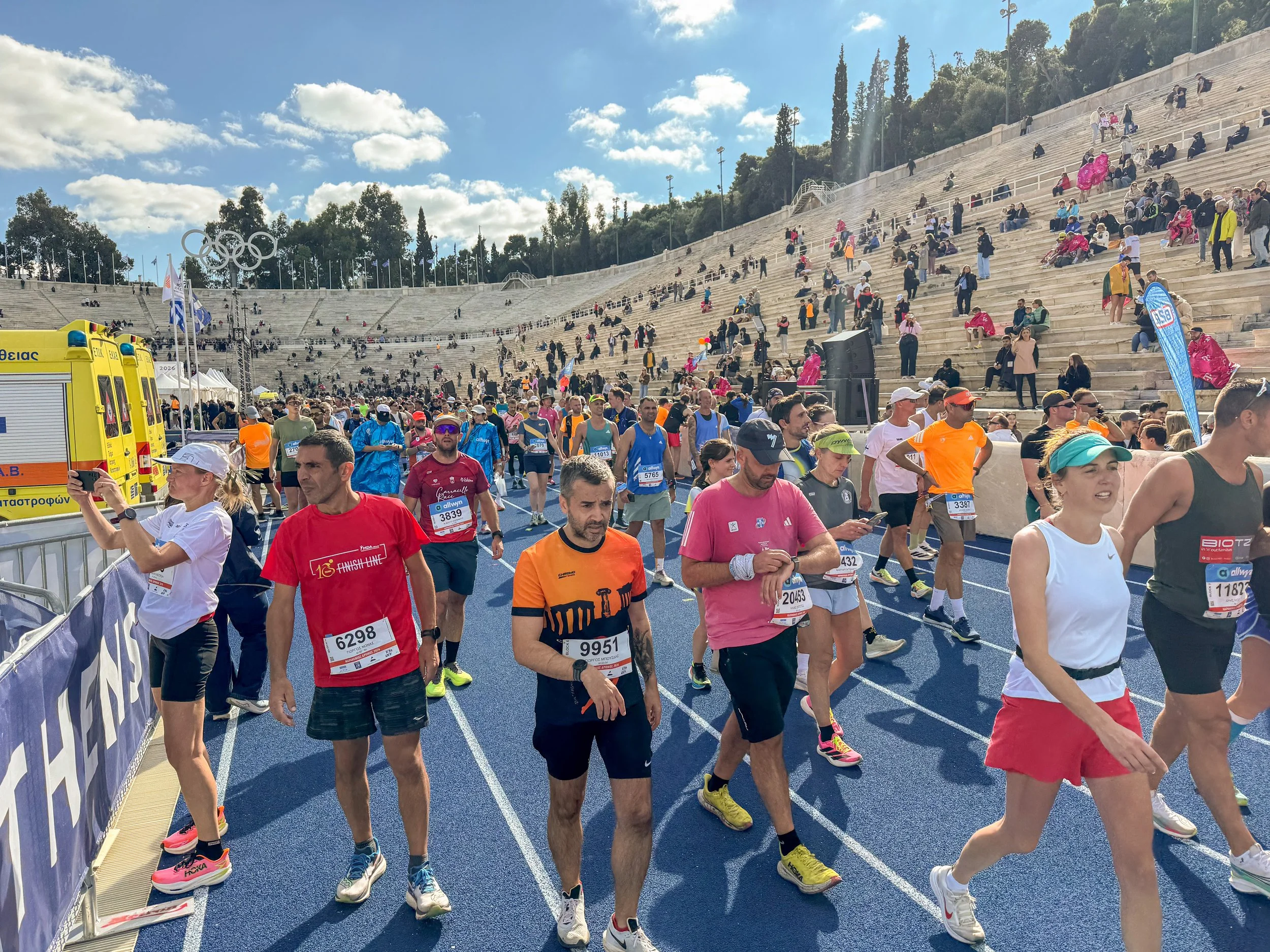
Arriving at the finish in the historic Athens Olympic stadium.
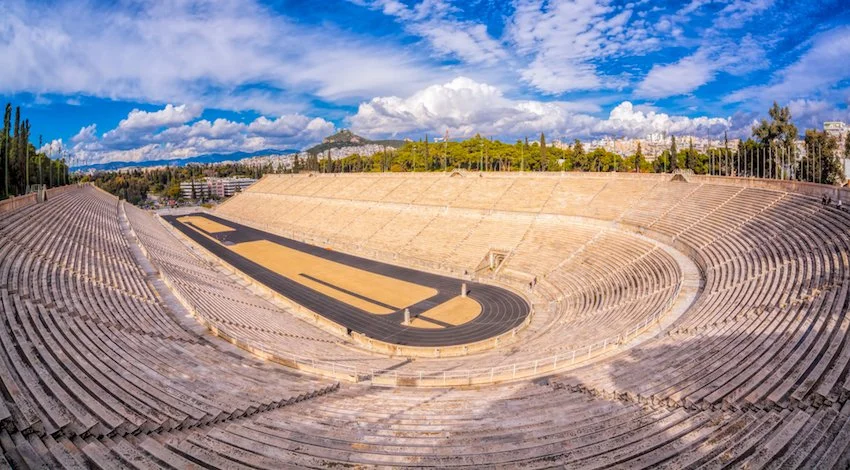
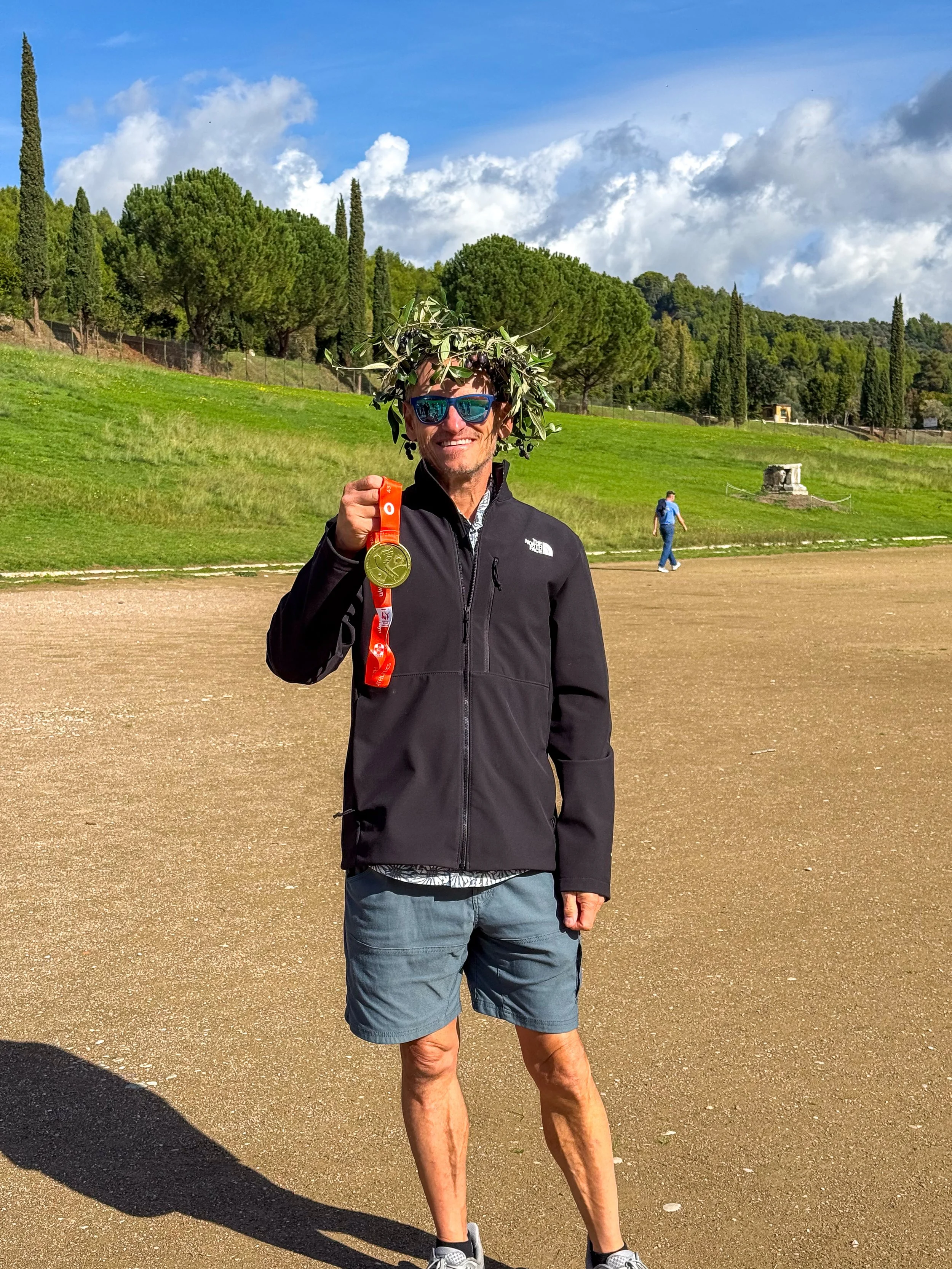
The Athen marathon finished in Olympic stadium that was built out of Marble for the first Olympic Games in 1896.
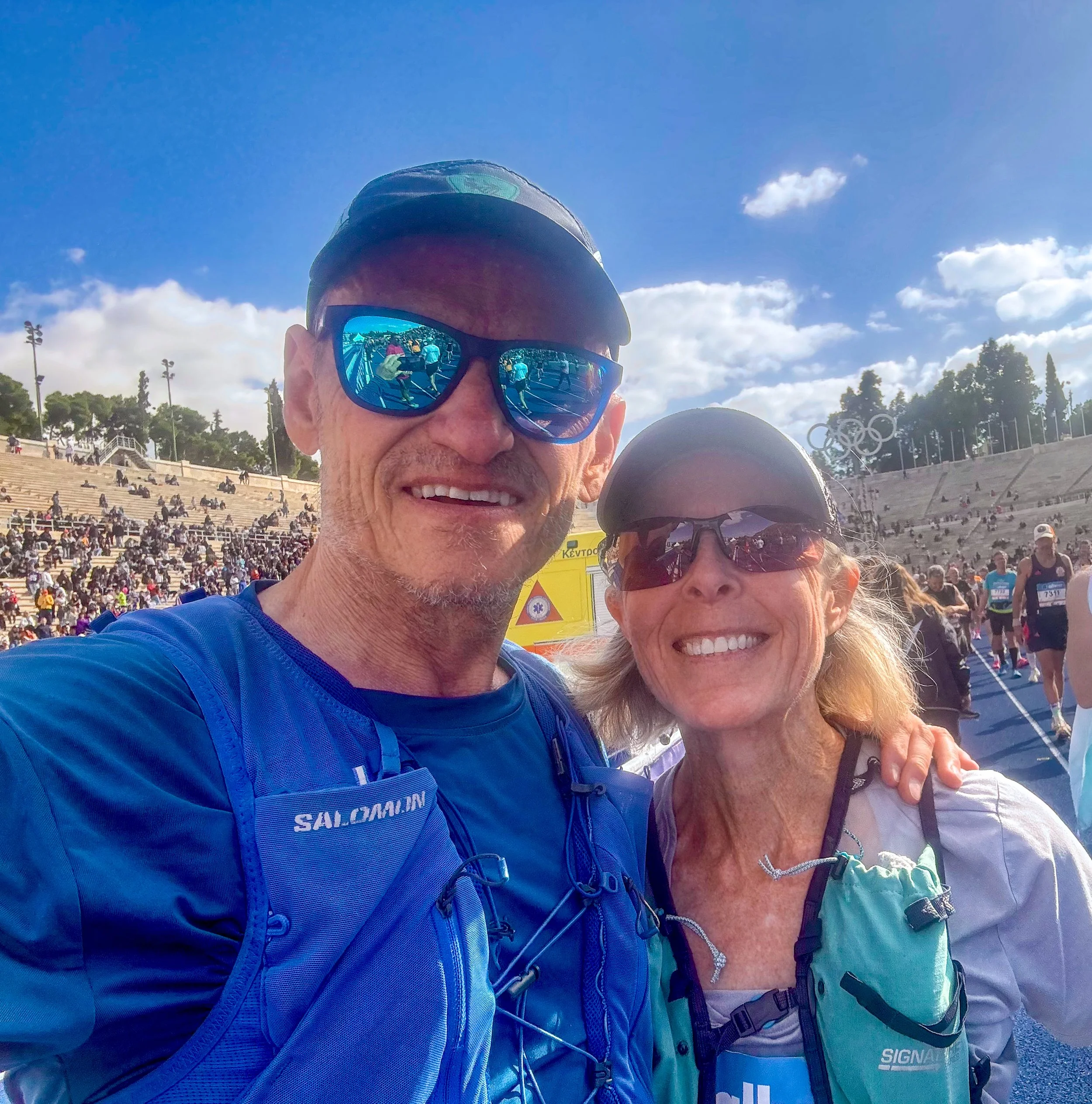
We both had a fantastic day and felt great during the whole race.
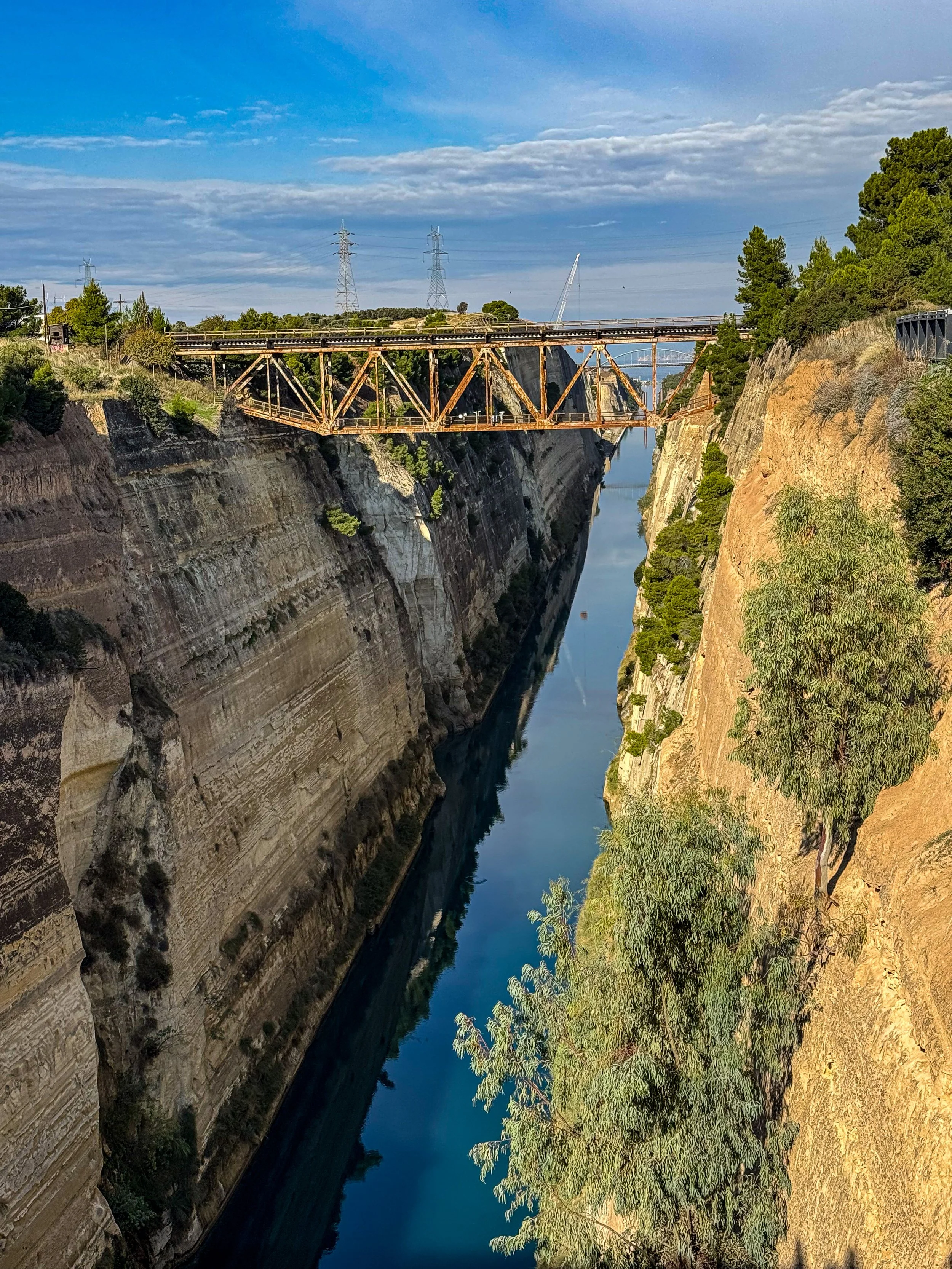
After the marathon we embarked on a Greek history tour. As we headed toward the town of Olympia we crossed the Corinth Canal which cuts through a narrow stip of land connecting mainland Greece with the Peloponnese. It is about 4 miles long and opened in 1893.
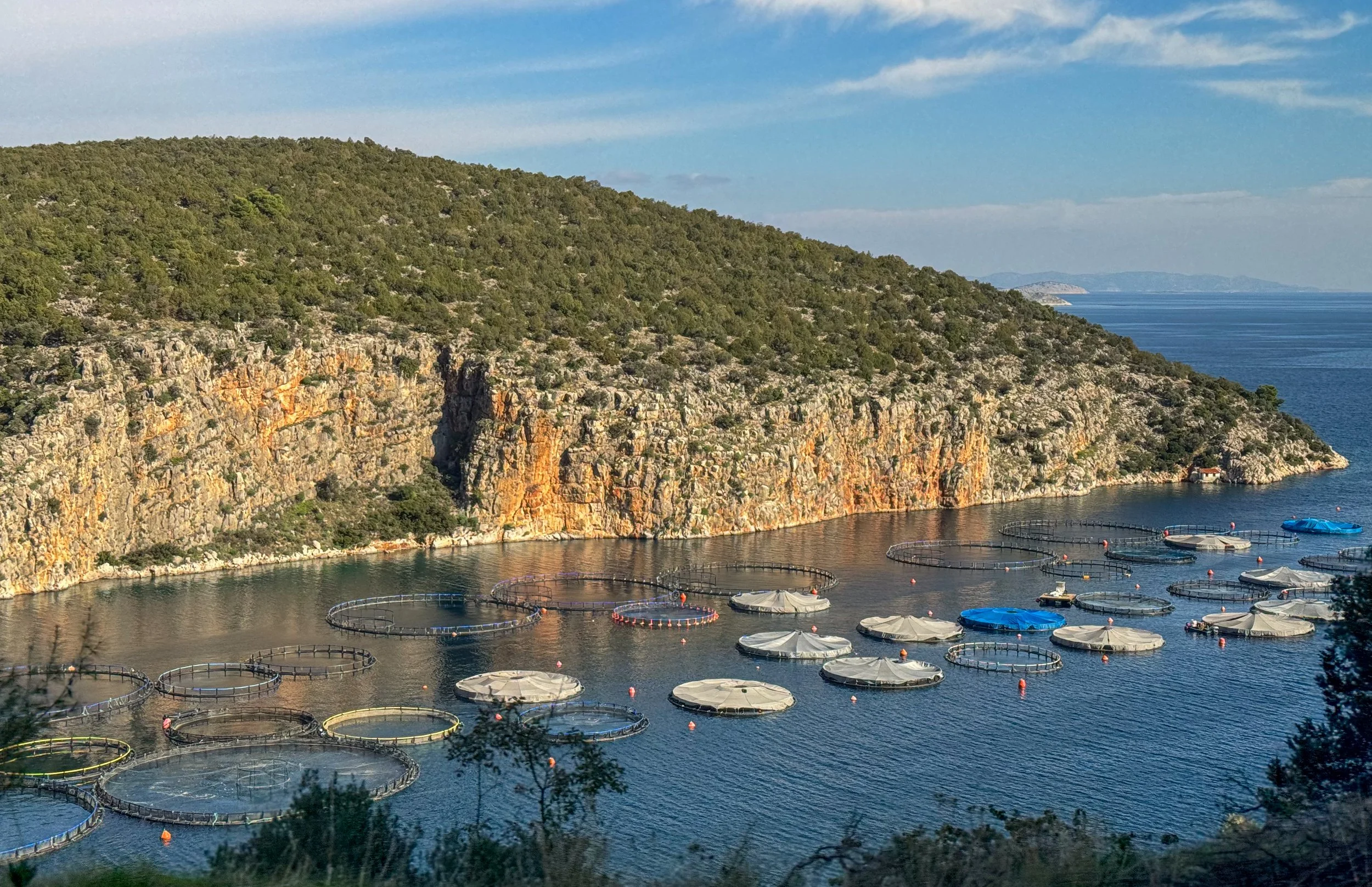
Greece has one of the largest farm-fishing industries in the Mediterranean.
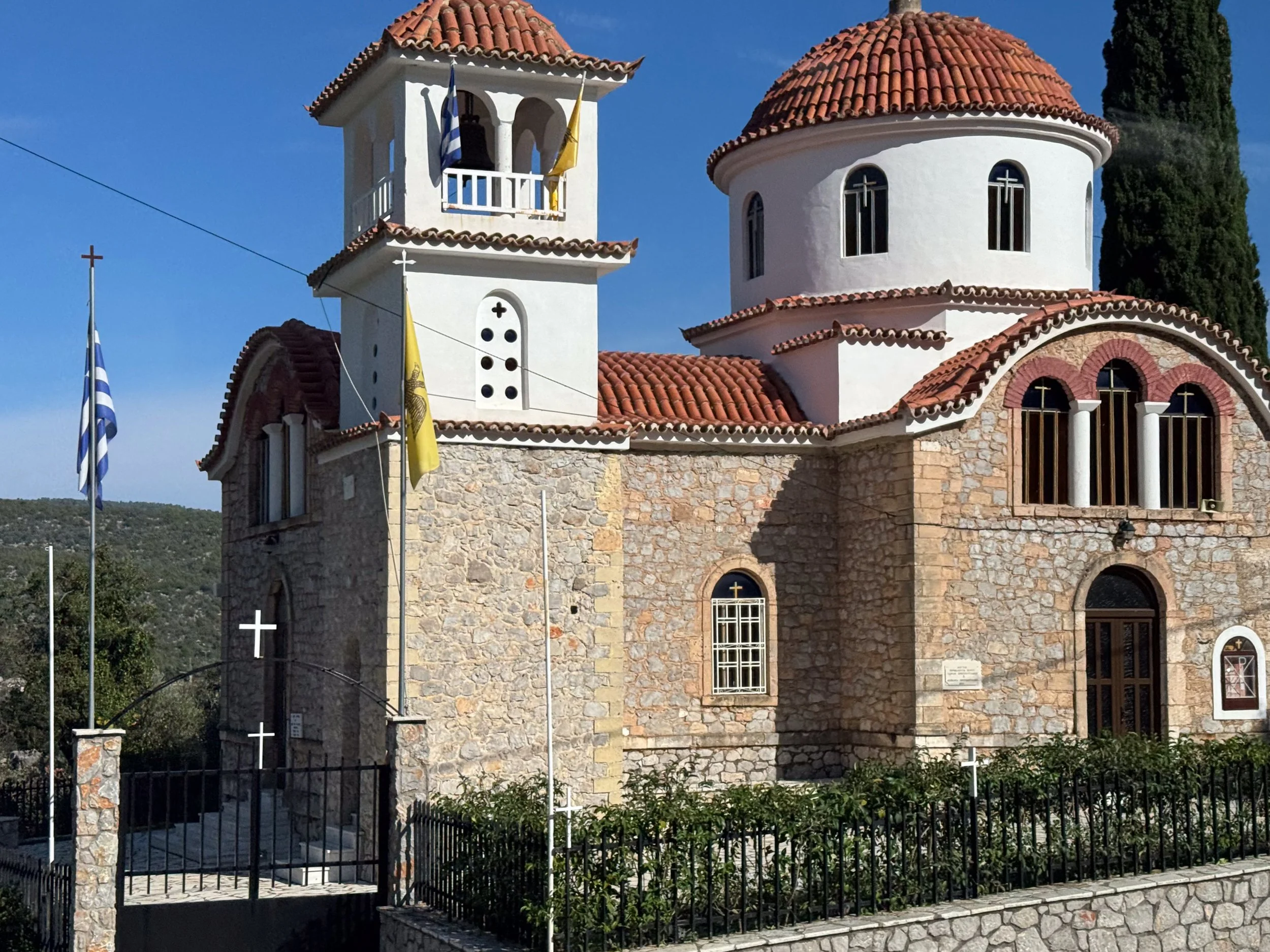
Greek Orthodox churches have a distinctive architectural style that developed over 2000 years.
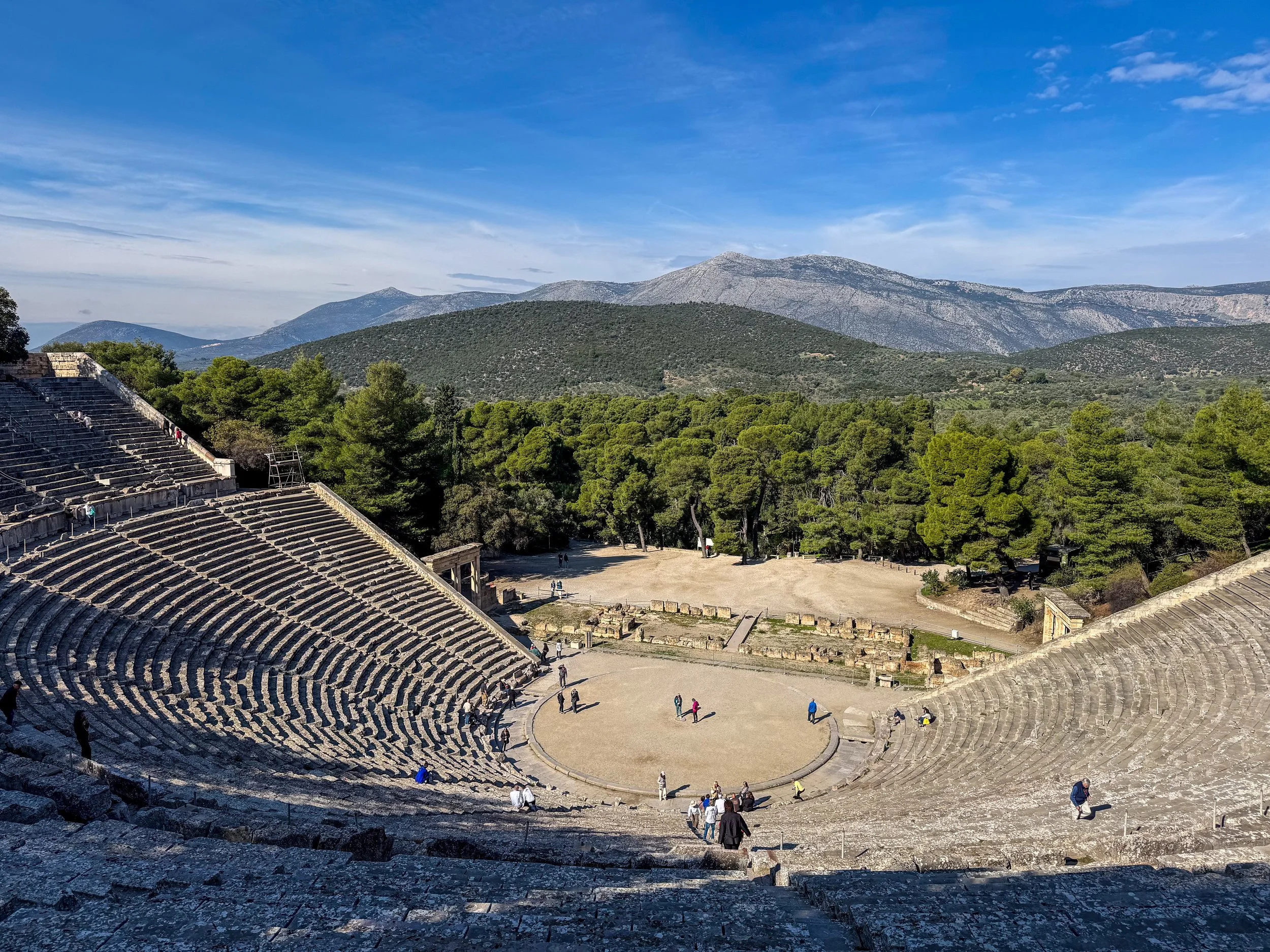
The ancient theater of Epicurus is one of the best-preserved theaters from Ancient Greece. It has amazing acoustics and is still used on occasion.
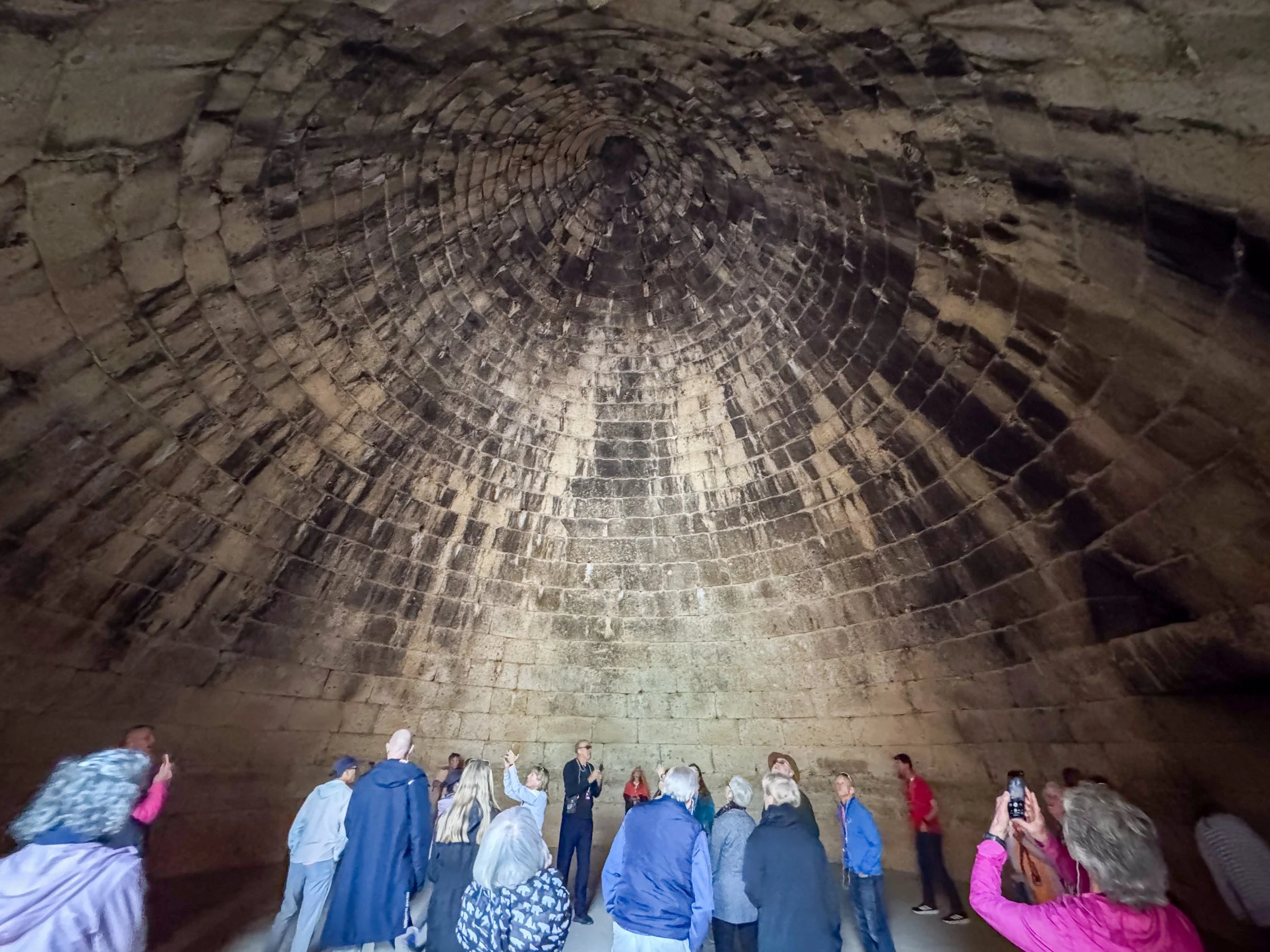
The Tomb of Agamemnon is one of the is one of the most interesting surviving monuments of the Mycenaean civilization and was built in 1250BC, making it more than 3200 years old.
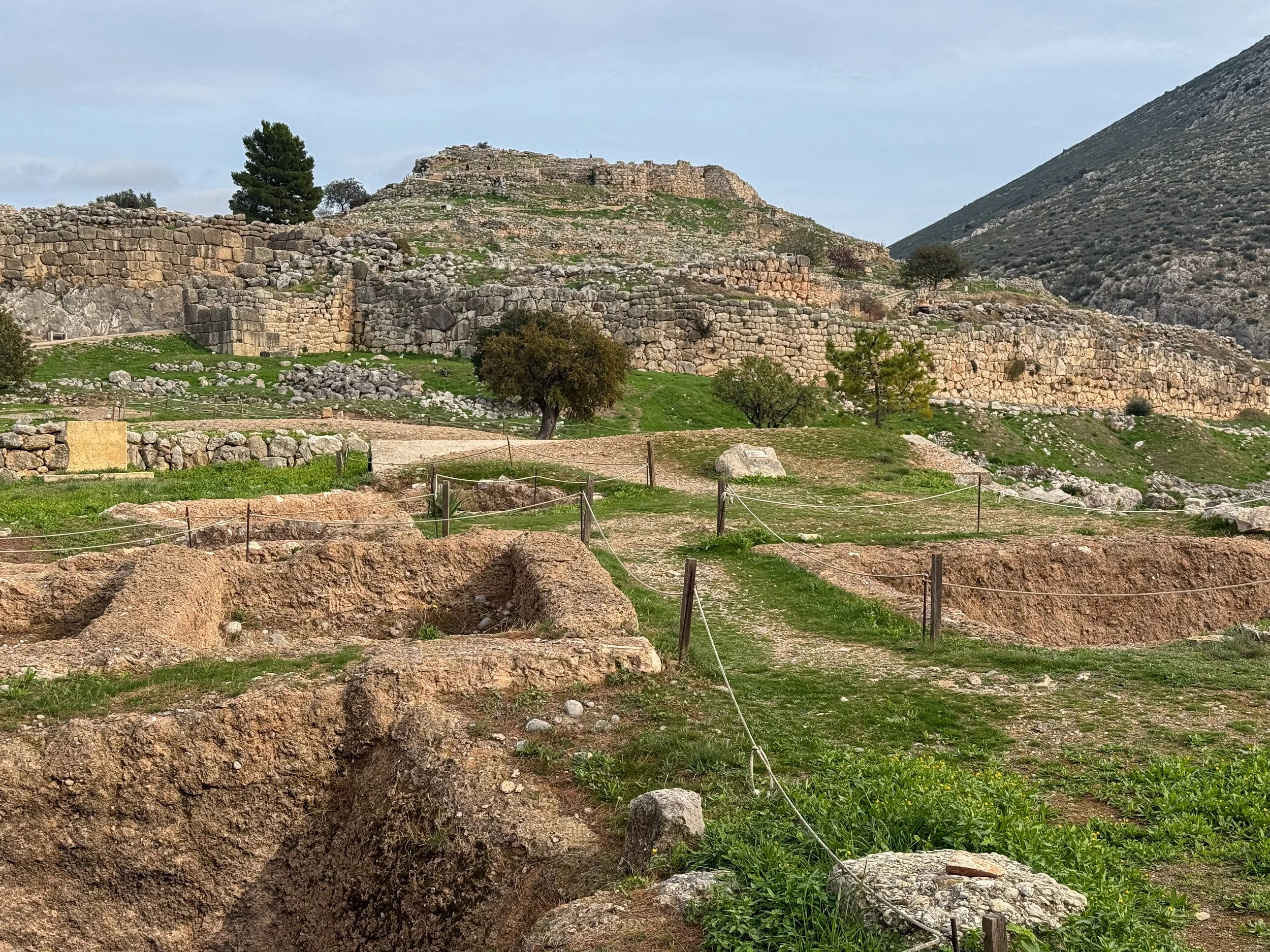
The archaeological site of Mycenae. The Mycenae flourished during the Late Bronze Age and was one of several powerful Mycenaean kingdoms in Greece. The Mycenaeans were known for their amazing engineering capabilities and ability to construct massive walls.
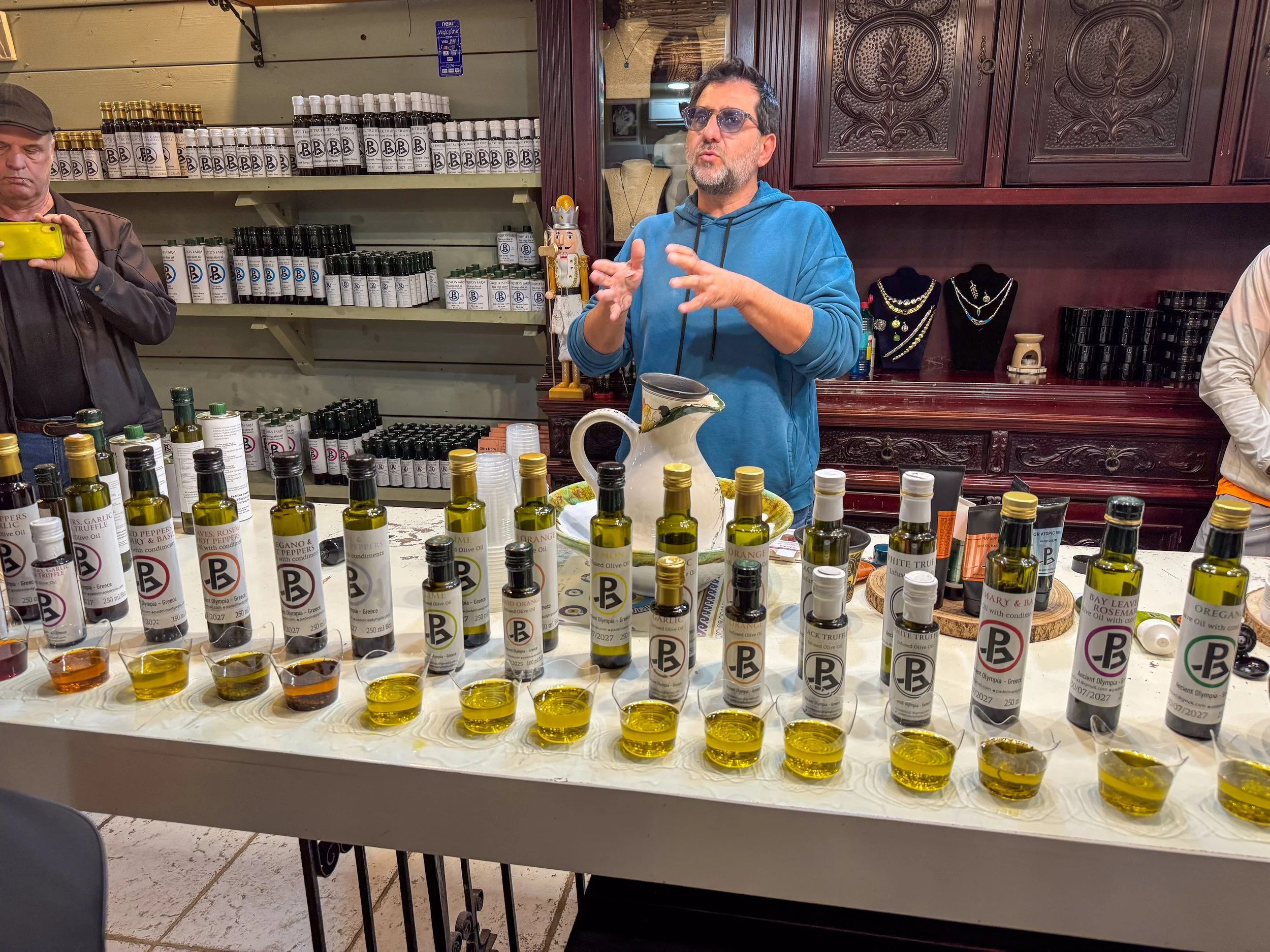
Greece has fantastic olive oils and we stopped for a tasting.
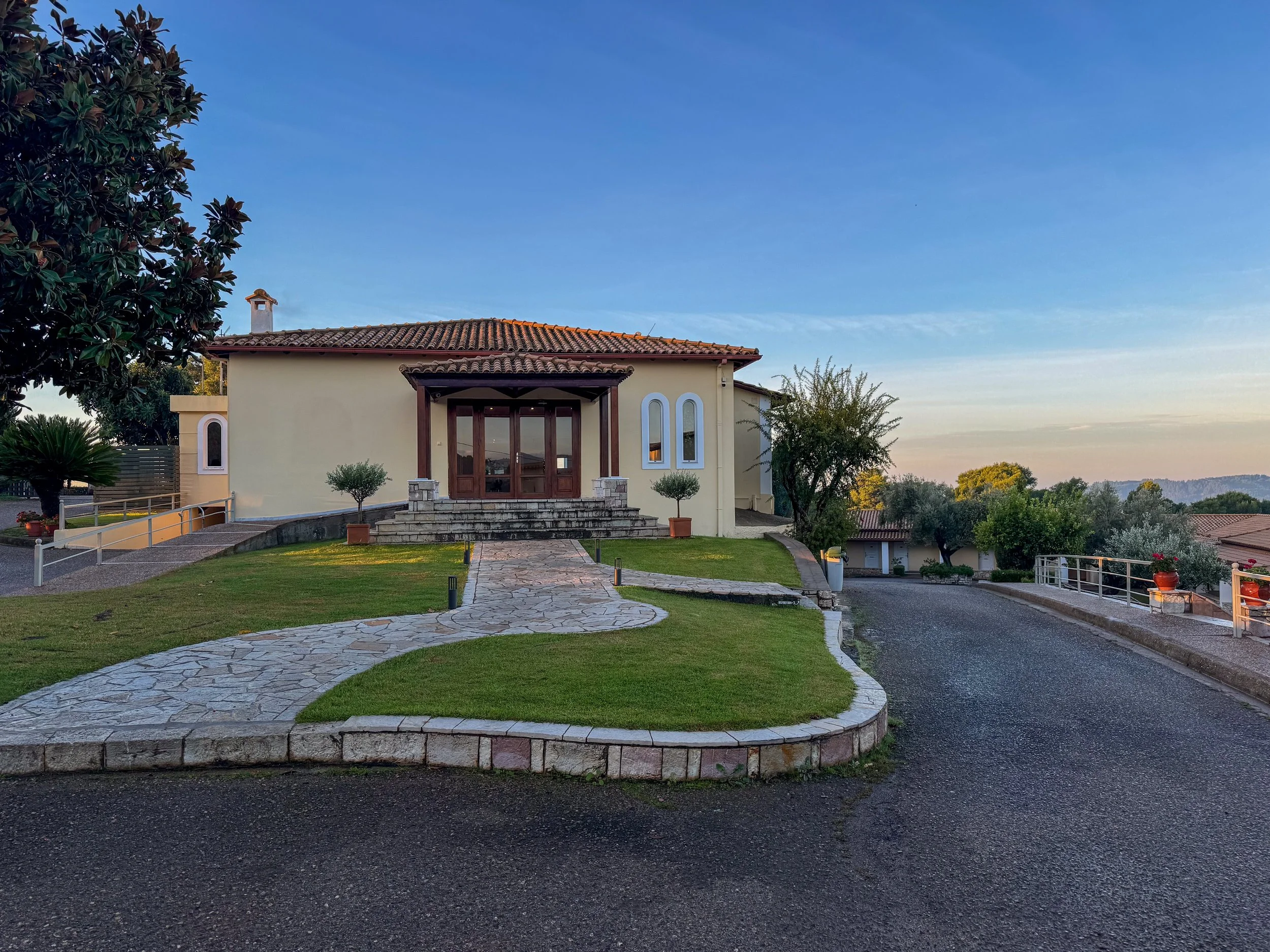
We stayed at the Olympian Asty hotel which is on a hill above the town of Olympia.
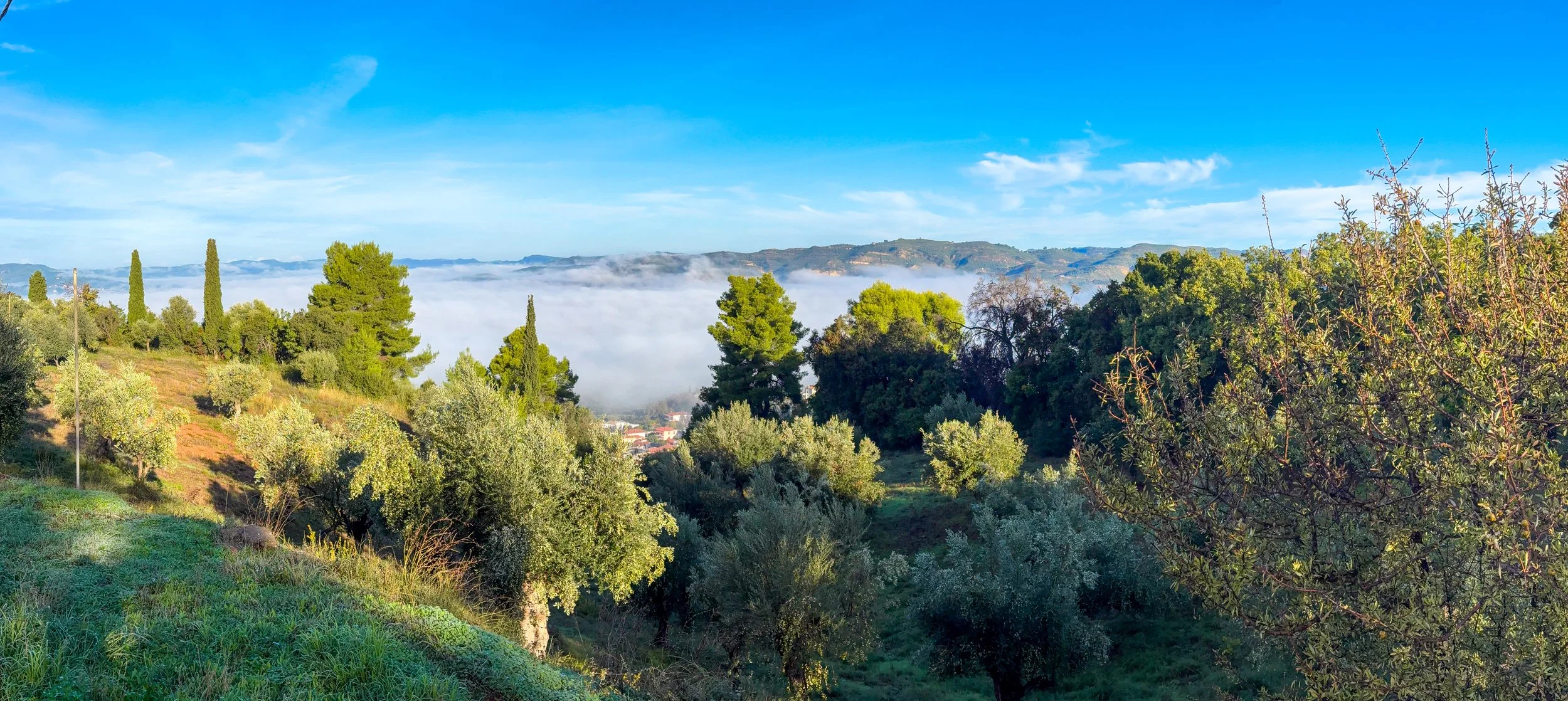
Looking out from our hotel at sunrise.
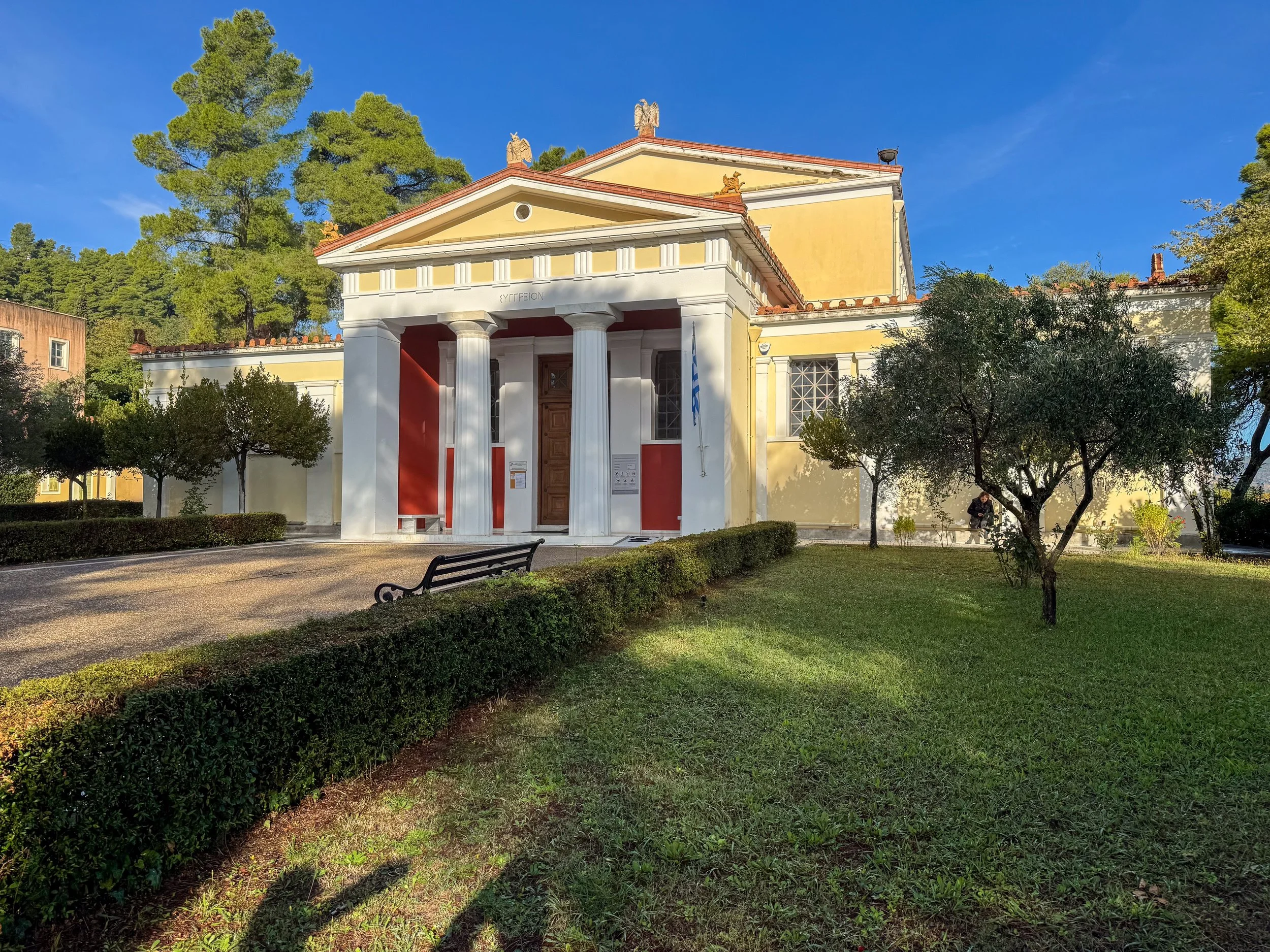
We visited the Museum of the History of the Olympic Games in Antiquity in Olympia.
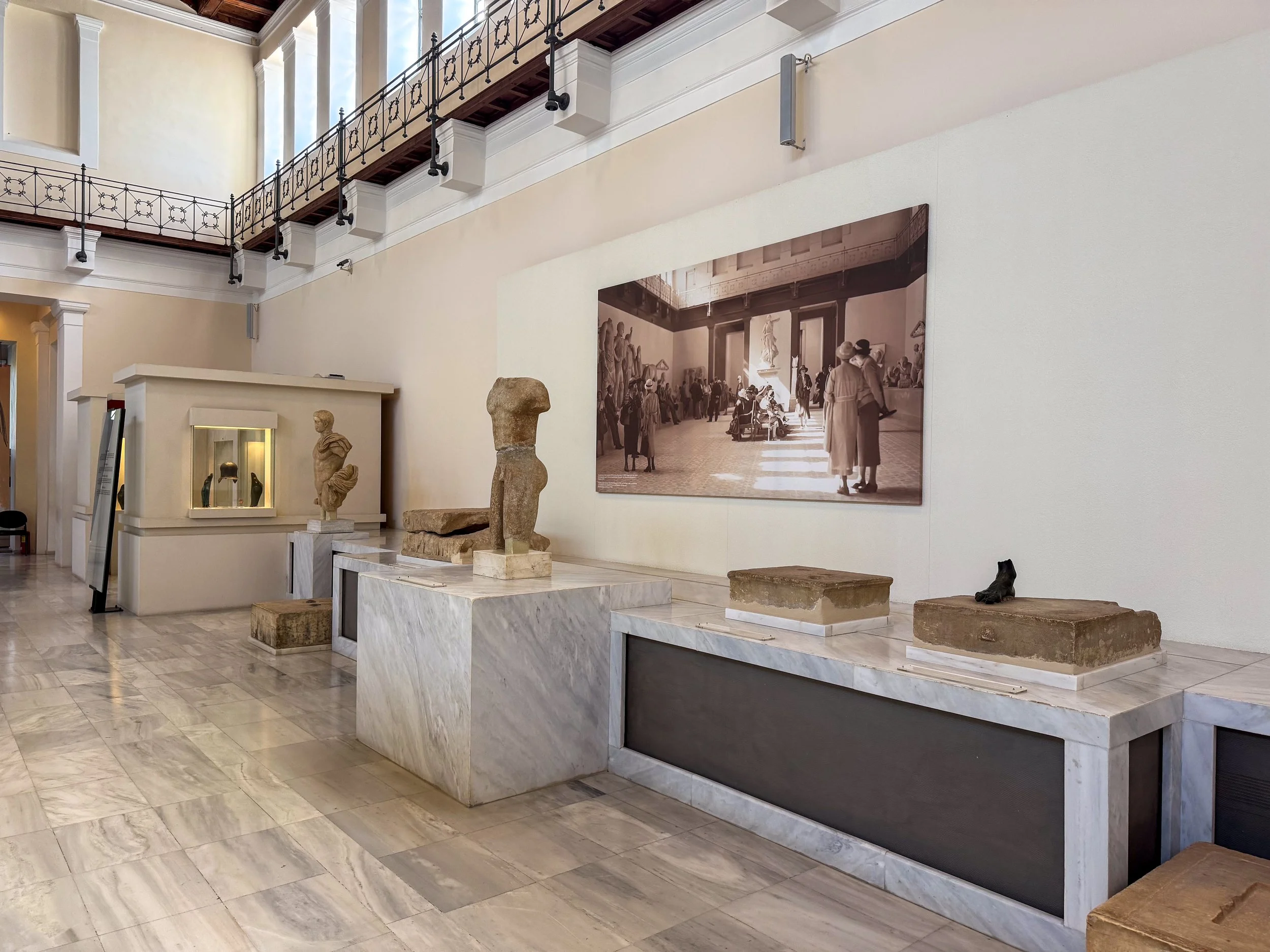
Olympia is know as the birthplace of the ancient Olympic Games that took place for more than 1000 years starting in 776 BC. It is where the modern Olympic Games traces its orgins.
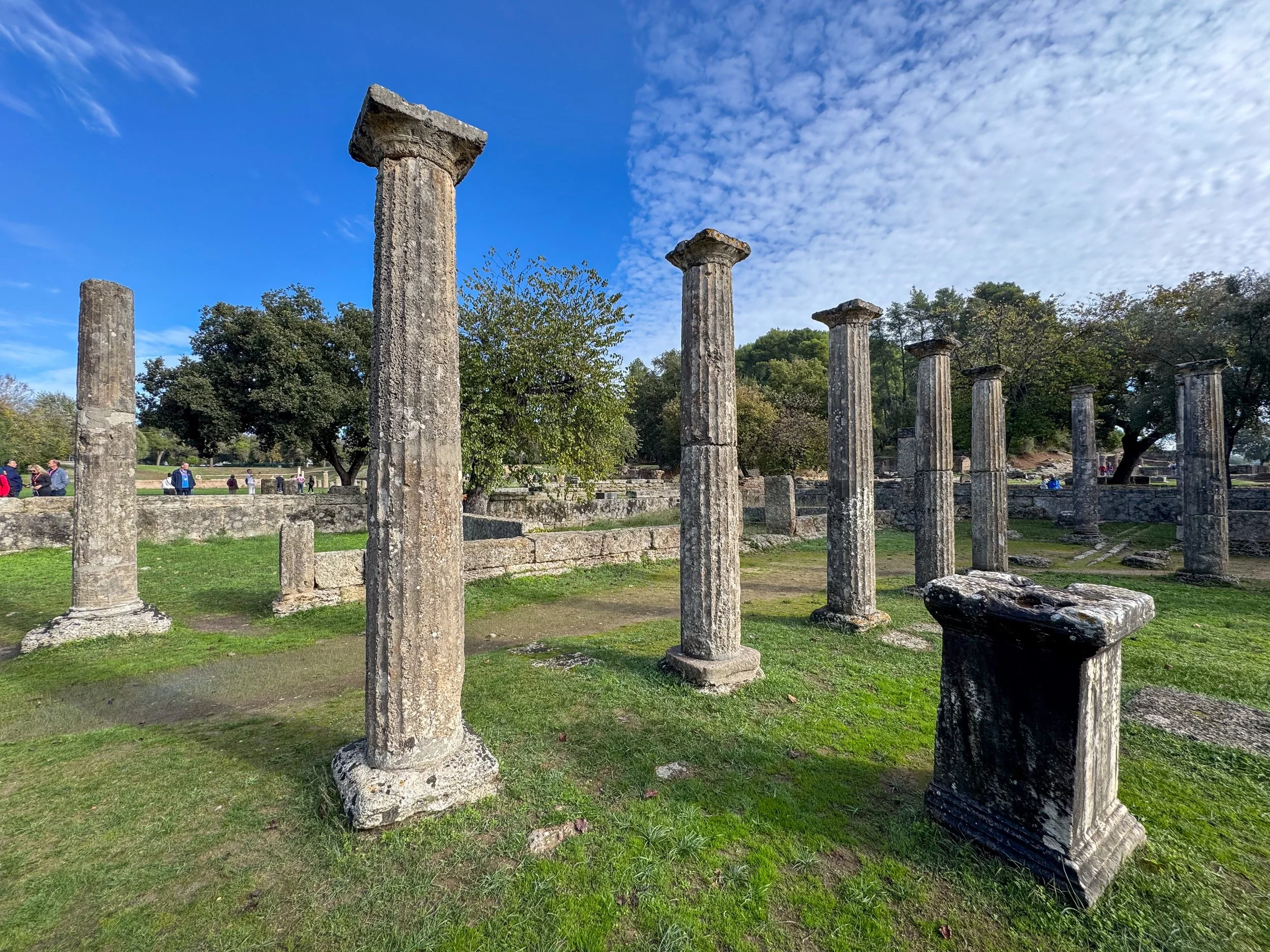
The archaeological site in Olympia is a fascinating combination of temples, athletic facilities and monuments.
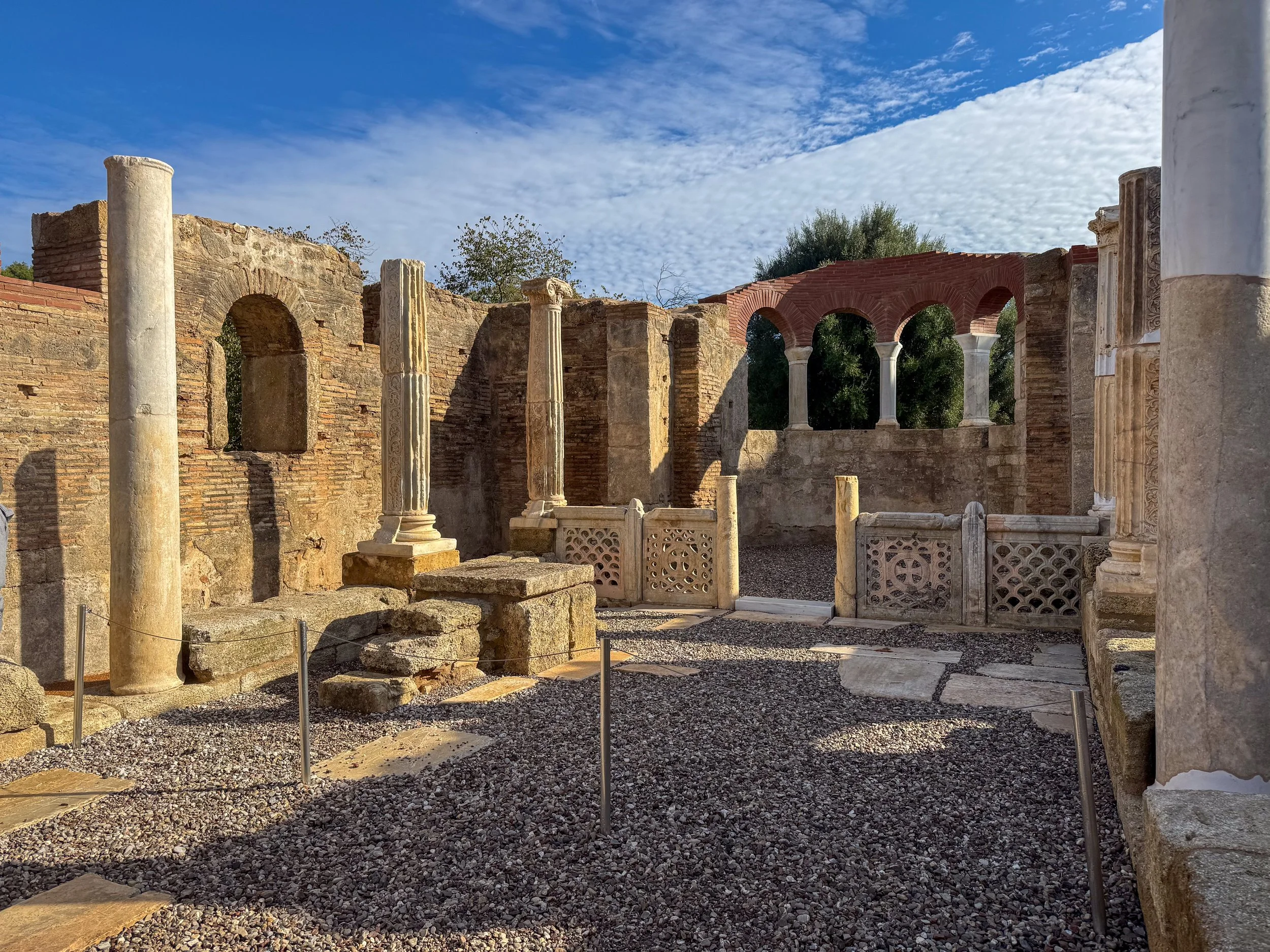
The Workshop of Phidias, where the famous Greek sculptor is believed to have created the enormous statue of Zeus that once stood in the nearby Temple of Zeus. Several centuries later, in the 5th century AD, the building was converted into an early Christian church. The remains offer an interesting glimpse into how the ancient world transitioned from pagan Greek religion to Christianity.
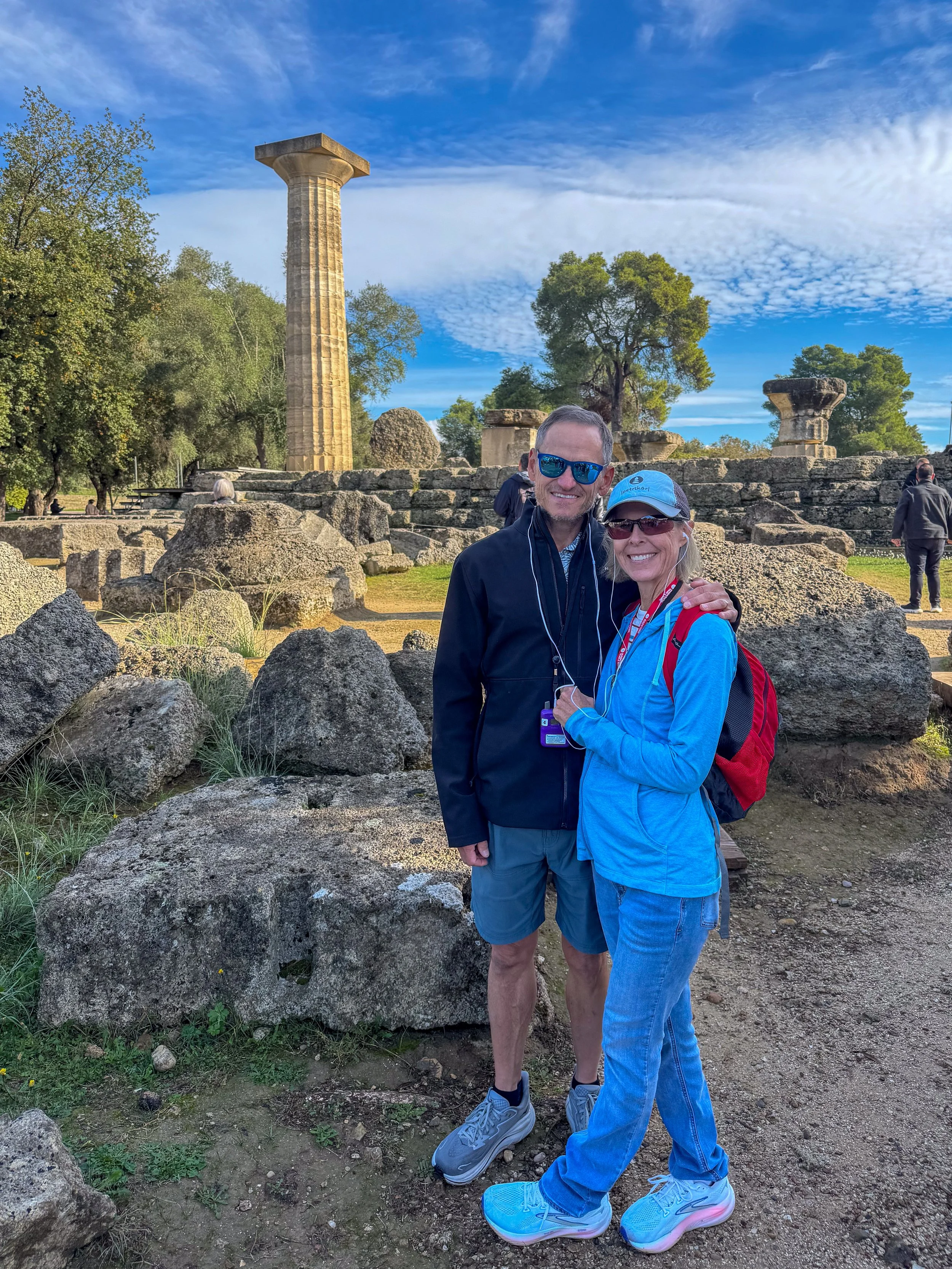
Standing in front of the Temple of Zeus.
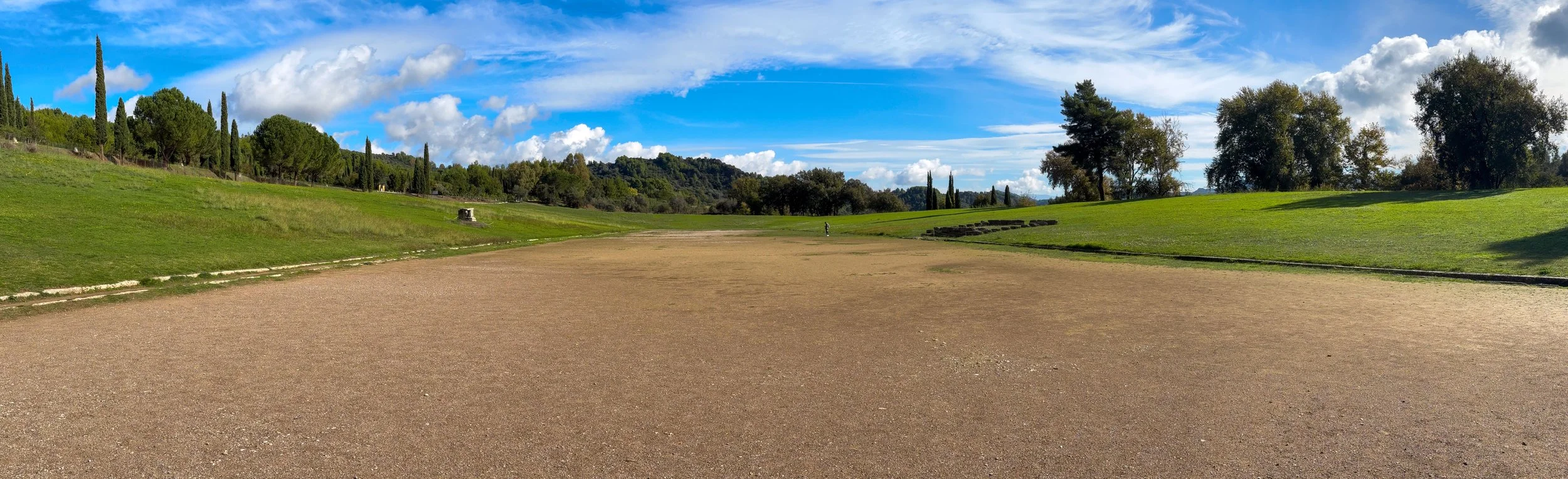
One of the most interesting parts of the ancient site is the original Olympic stadium. During the games, 40,000 people would gather on the grassy slopes surrounding the running track.
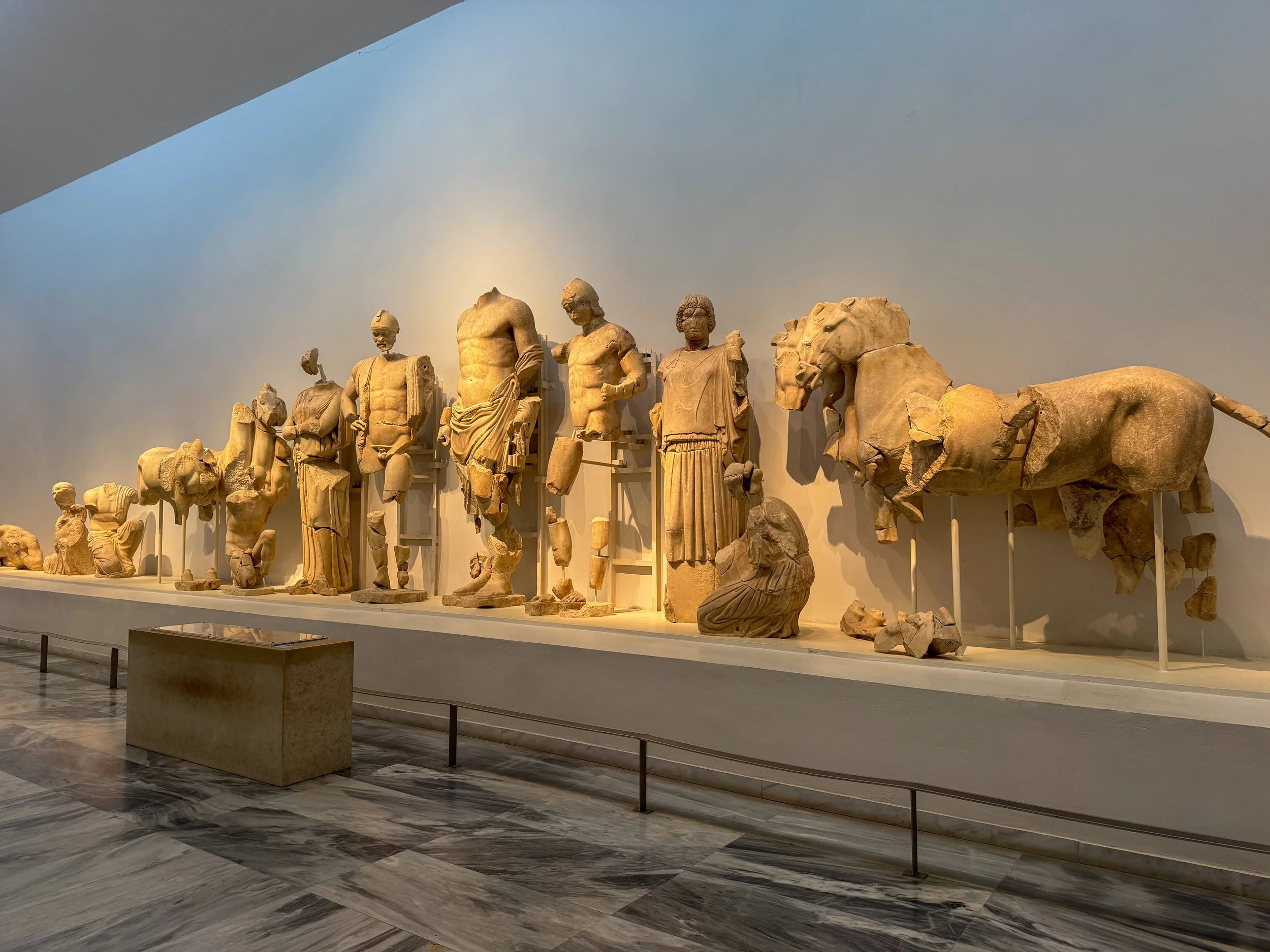
The east pediment of the Temple of Zeus portrays the fundamental myth of Olympia, which was the struggle for supremacy over the Sanctuary.
The story of Pelops and Oinomaos
Oinomaos was the king of Pisa, a kingdom near Olympia. He had a beautiful daughter named Hippodameia, but he was determined that she would never marry. According to legend, an oracle had warned Oinomaos that he would eventually be killed by his own son-in-law. To prevent this prophecy from coming true, he devised a deadly challenge for every man who sought his daughter's hand in marriage. The suitor had to compete against Oinomaos in a chariot race. The race began with the suitor receiving a head start while Oinomaos sacrificed to the gods. The king then pursued him in his chariot. If Oinomaos caught the suitor, he killed him.
Eventually, a young prince named Pelops arrived to seek Hippodameia's hand. He was the son of Tantalus, a legendary king, and was himself a figure of considerable importance in Greek mythology. Pelops was determined to win, but he knew he could not defeat Oinomaos with an ordinary chariot.
During the race, the wheel came loose, Oinomaos's chariot crashed, and the king was killed. Pelops won Hippodameia's hand and became ruler of the kingdom.
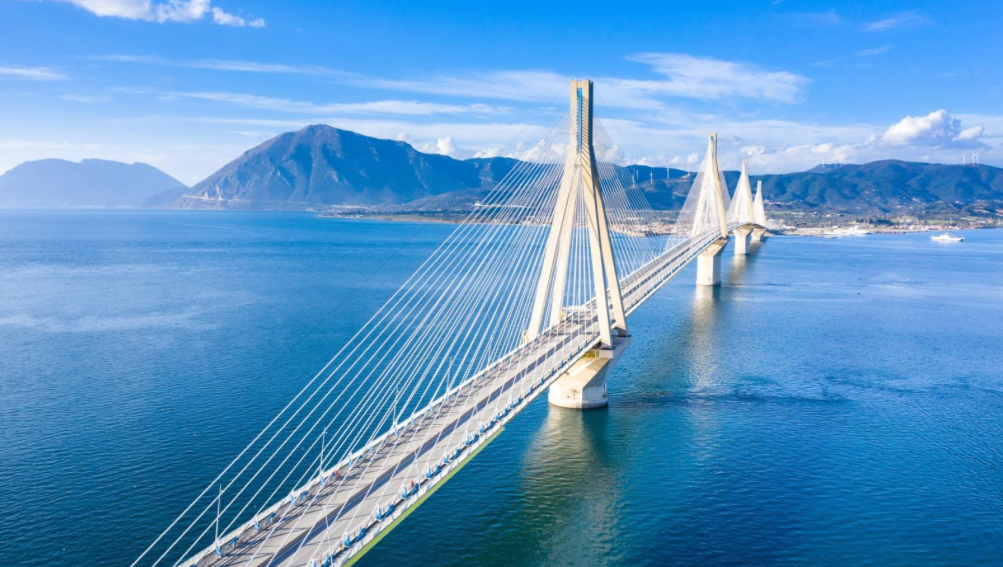
The Rio–Antirrio Bridge is one of Greece's most impressive modern engineering achievements. Spanning nearly 2 miles across the Gulf of Corinth, it connects the Peloponnese with mainland Greece. The idea was first proposed in 1889 by Prime Minister Charilaos Trikoupis, but it took more than a century before technology and financing made it possible. The bridge was finally built for the 2004 Summer Olympics and became a symbol of modern Greece.
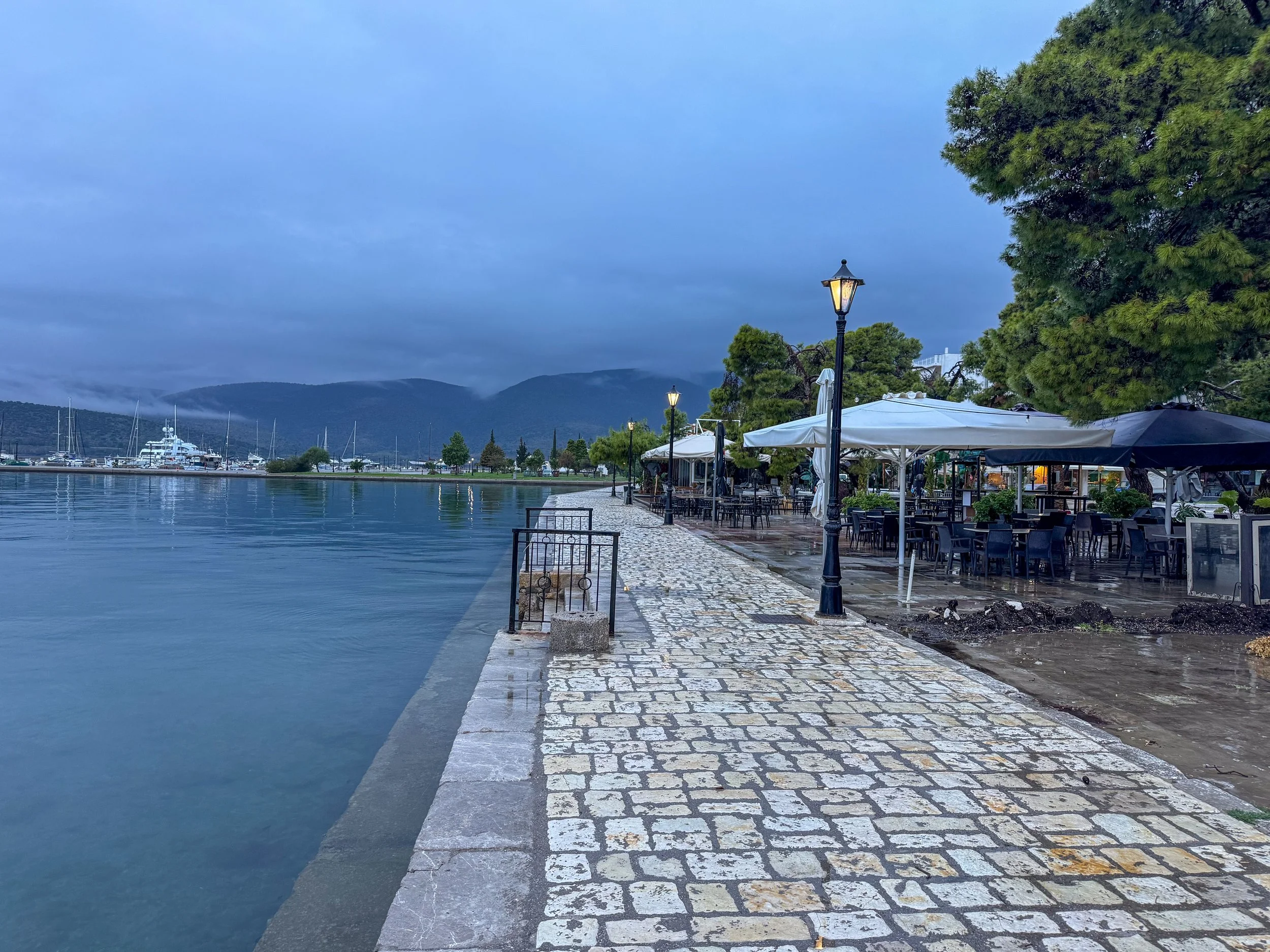
Our destination that evening was the otel Nafsika Palace in Itea. Itea is a small coastal town on the Gulf of Corinth, located below the ancient city of Delphi.
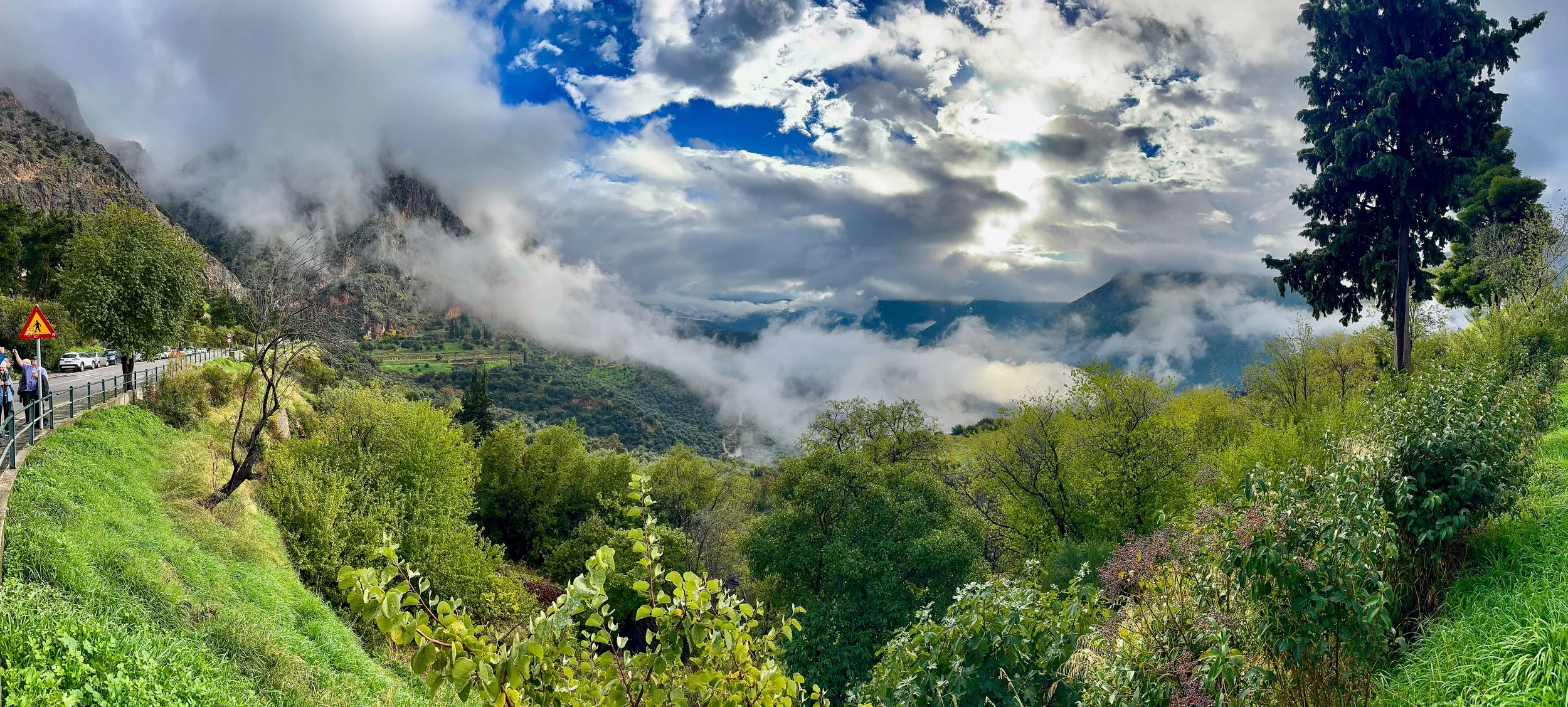
Driving from Itea toward Delphi.
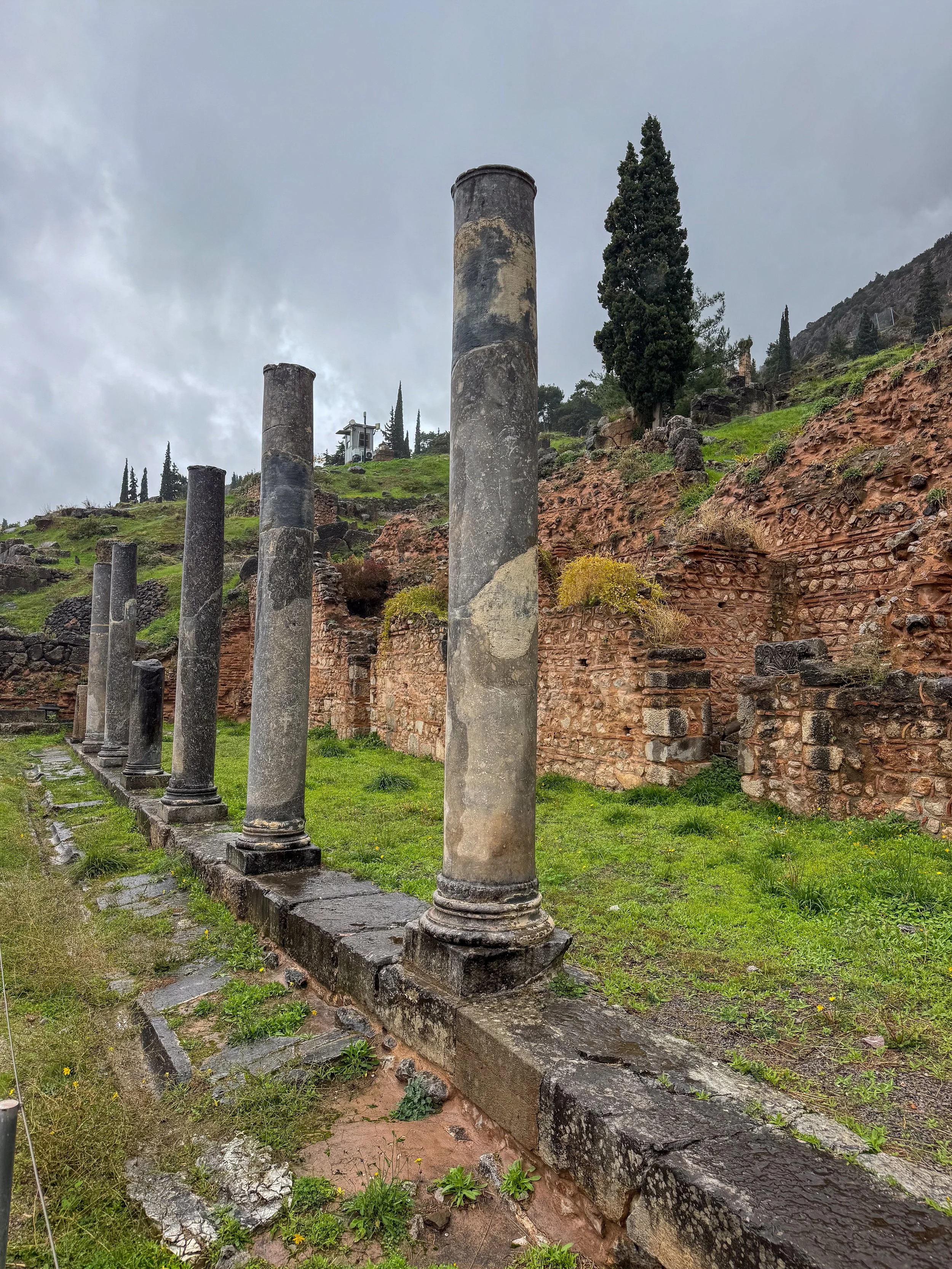
Delphi was considered by the ancient Greeks to be the very center of the world. According to mythology, Zeus released two eagles from opposite ends of the earth, and they met at Delphi. He marked the spot with a sacred stone called the Omphalos, meaning "navel" of the world.
The sanctuary sits dramatically on the slopes of Mount Parnassus, overlooking a valley of olive trees that stretches toward the Gulf of Corinth. The setting is spectacular, and it is easy to understand why the ancient Greeks considered it a sacred place.
Delphi was best known for the Oracle of Apollo, one of the most influential religious institutions in ancient Greece. People traveled from across the Greek world to seek advice about everything from marriage and personal decisions to wars, colonization, and political strategy.
Even powerful rulers consulted the Oracle. Its advice could influence major military campaigns and the founding of entire cities.
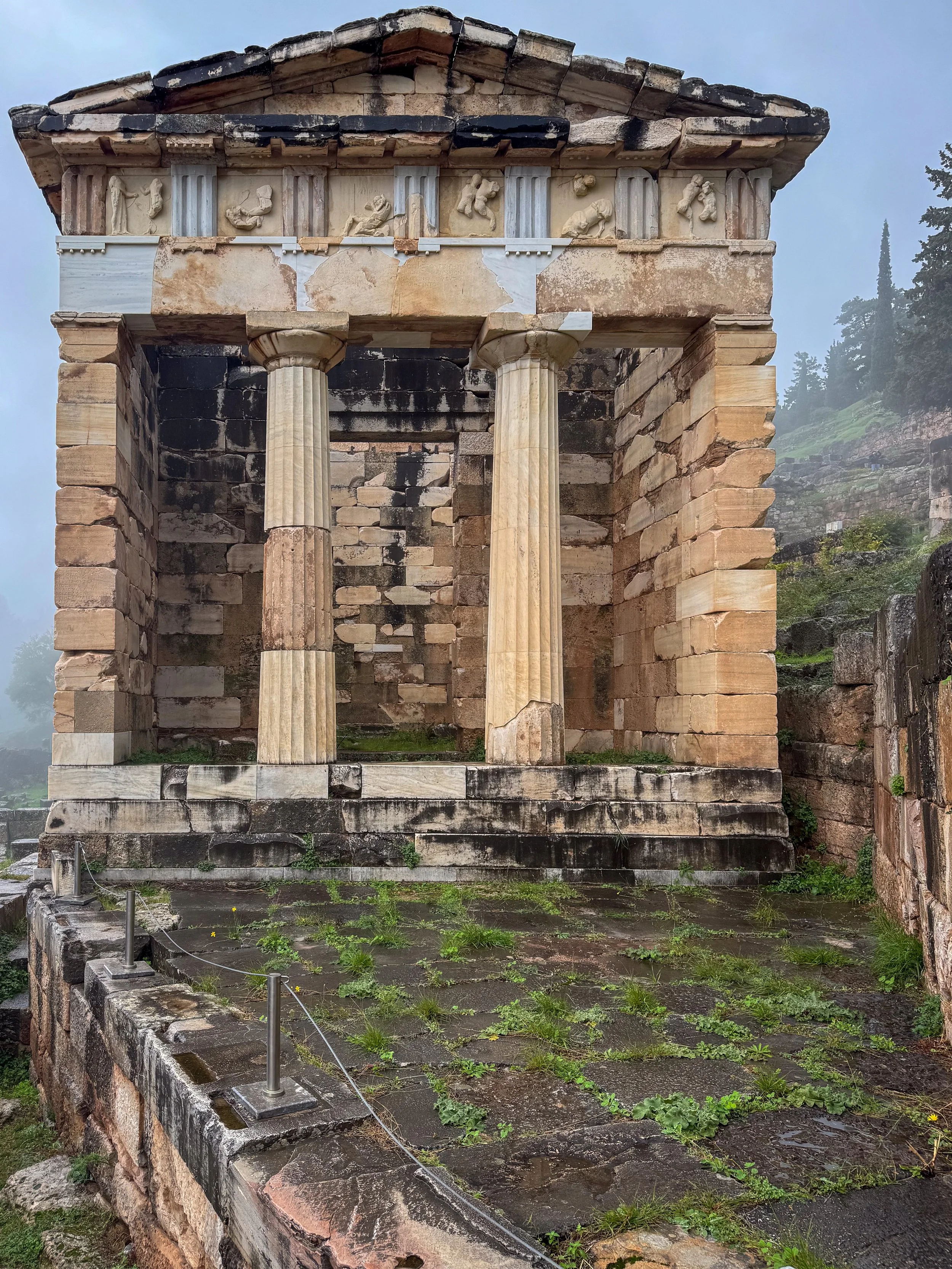
The Treasury of the Athenians at Delphi was built around 490 BC by the city of Athens to honor the God Apollo and celebrate Athenian victories, particularly the victory over the Persians at the Battle of Marathon.
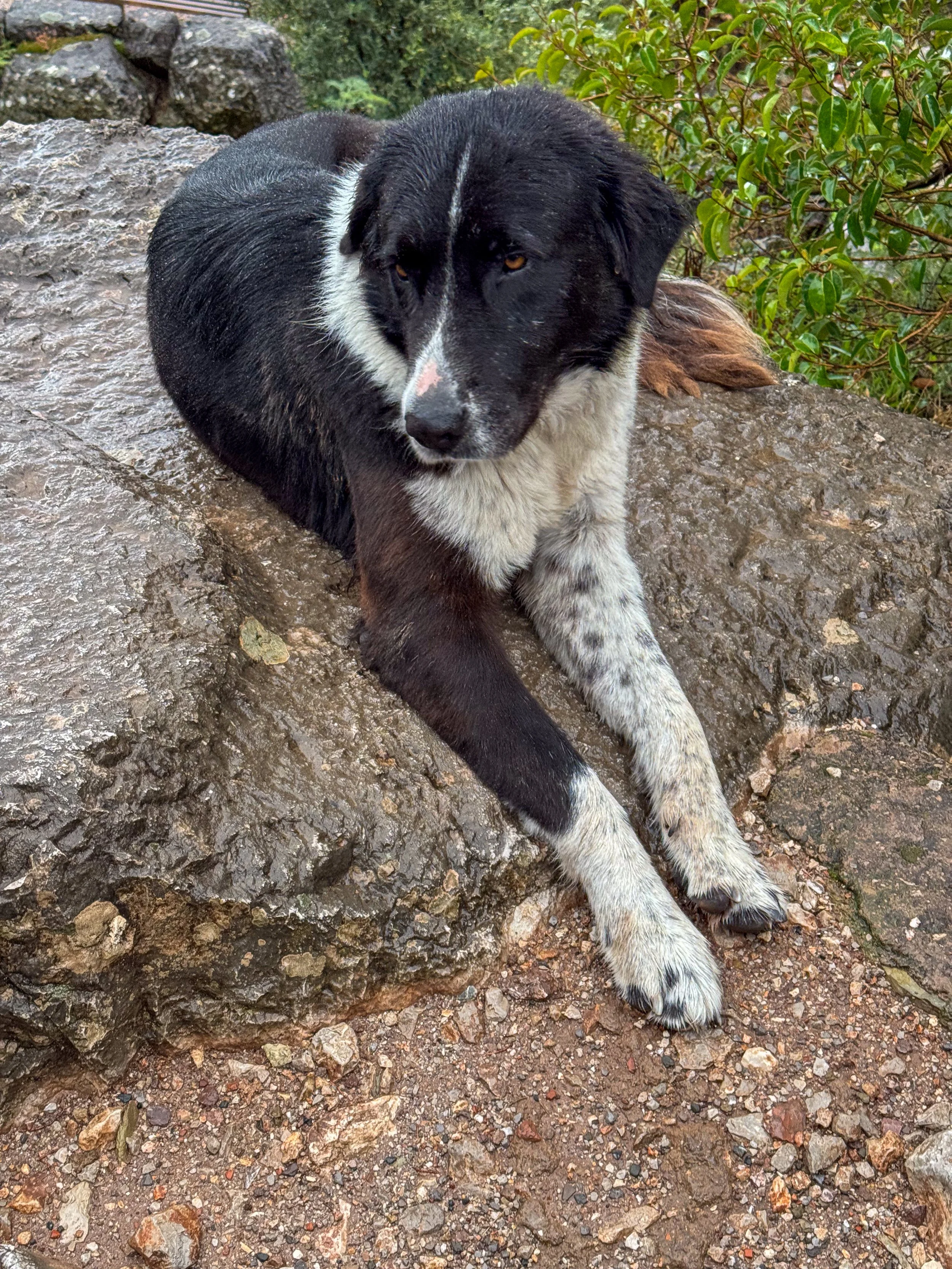
There are wild dogs and cats everywhere in Greece. They appear to be healthy and taken care of.
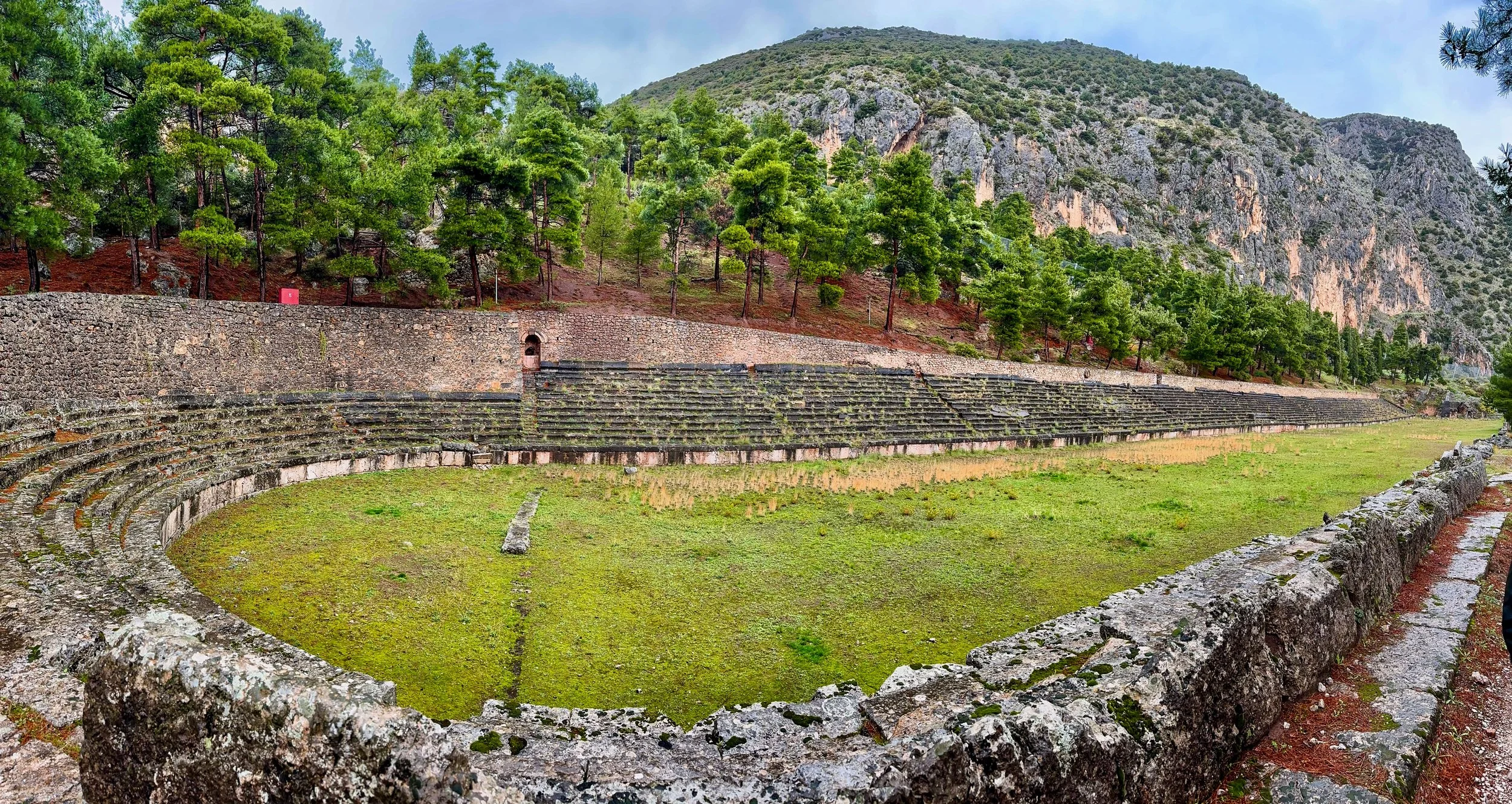
The ancient Stadium of Delphi where the Pythian Games were held every four years in honor of Apollo.
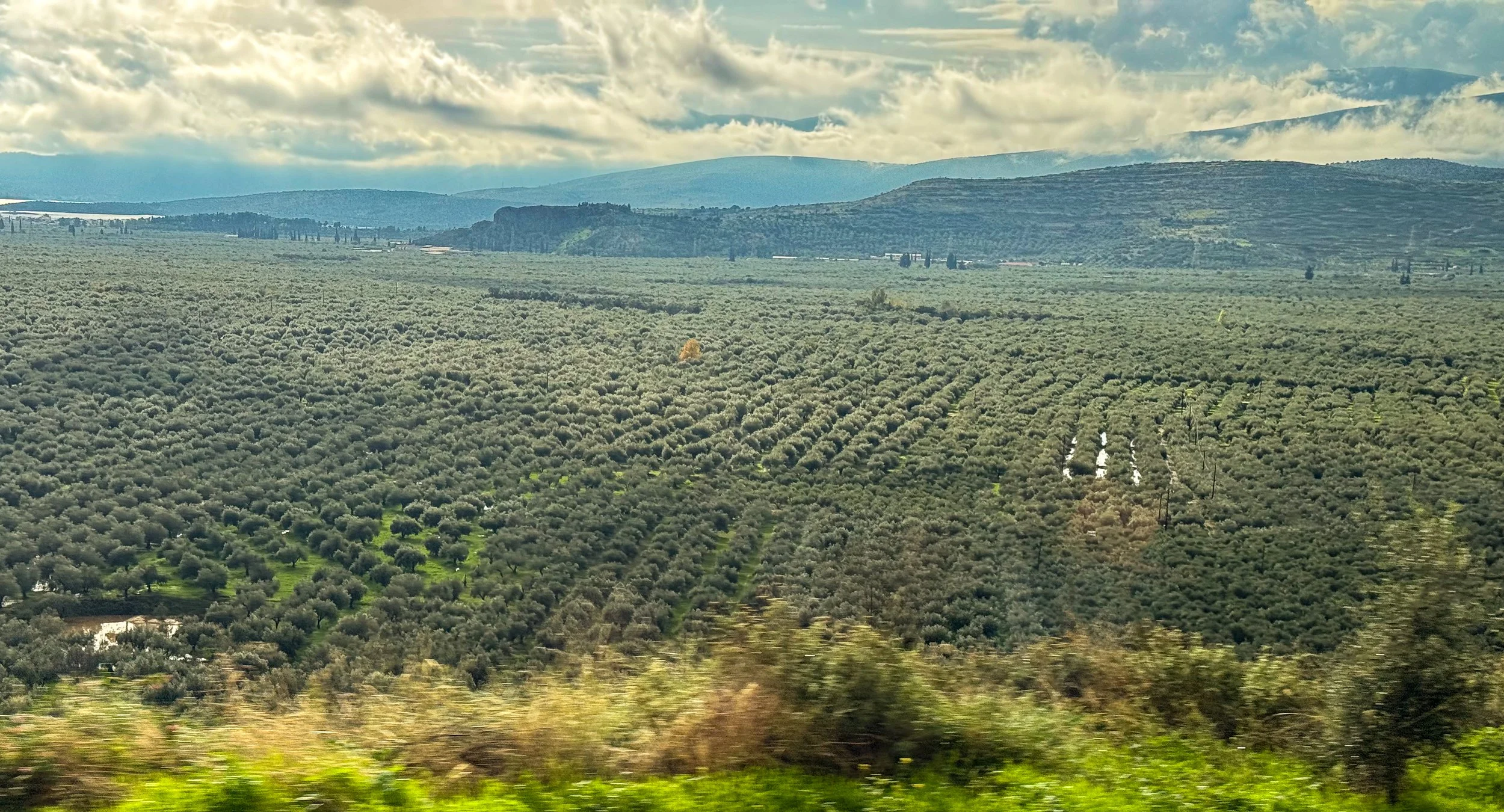
The vast valley of olive groves below Delphi. Apparently there are more than 3 million olive trees in these groves.
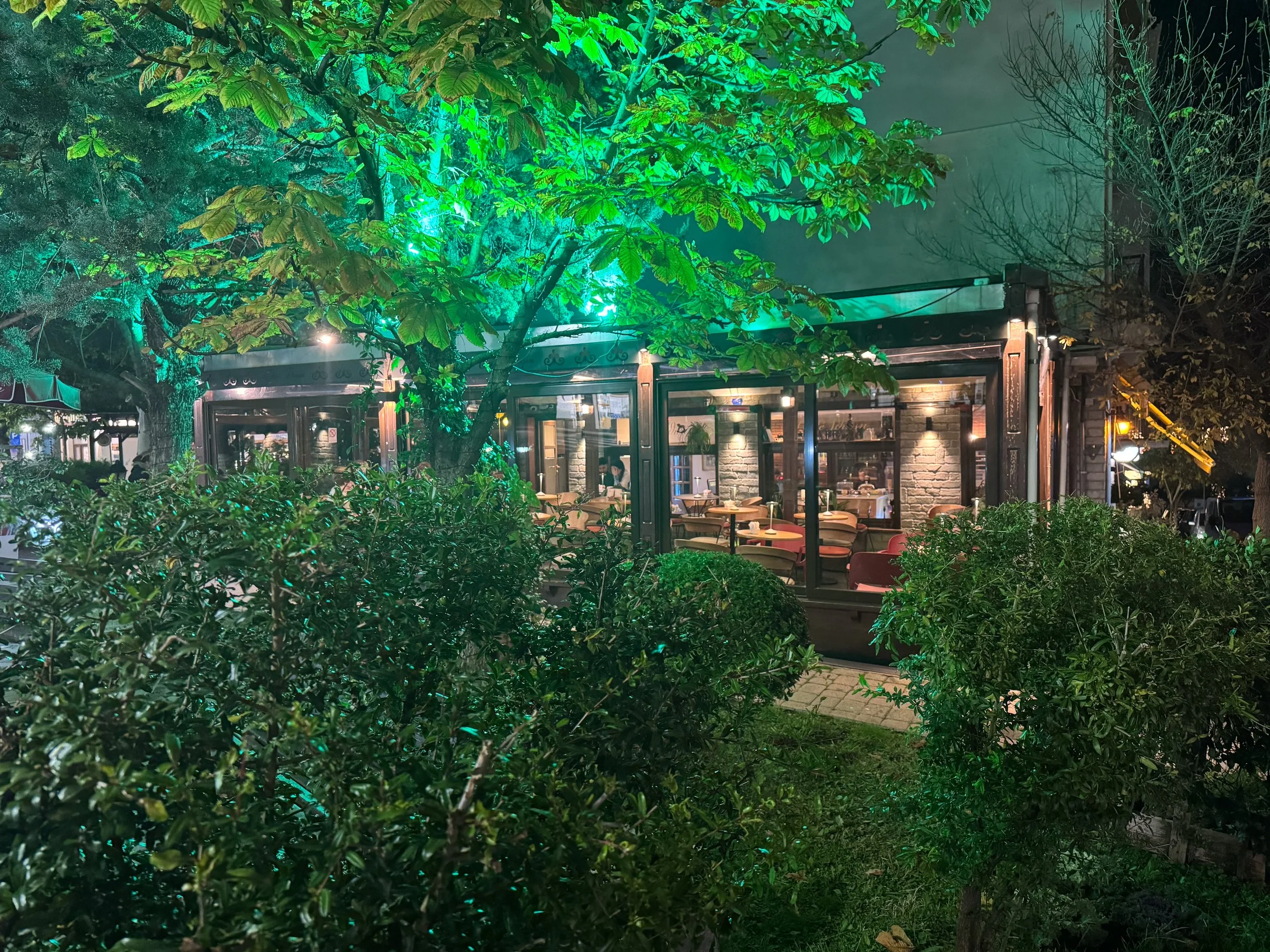
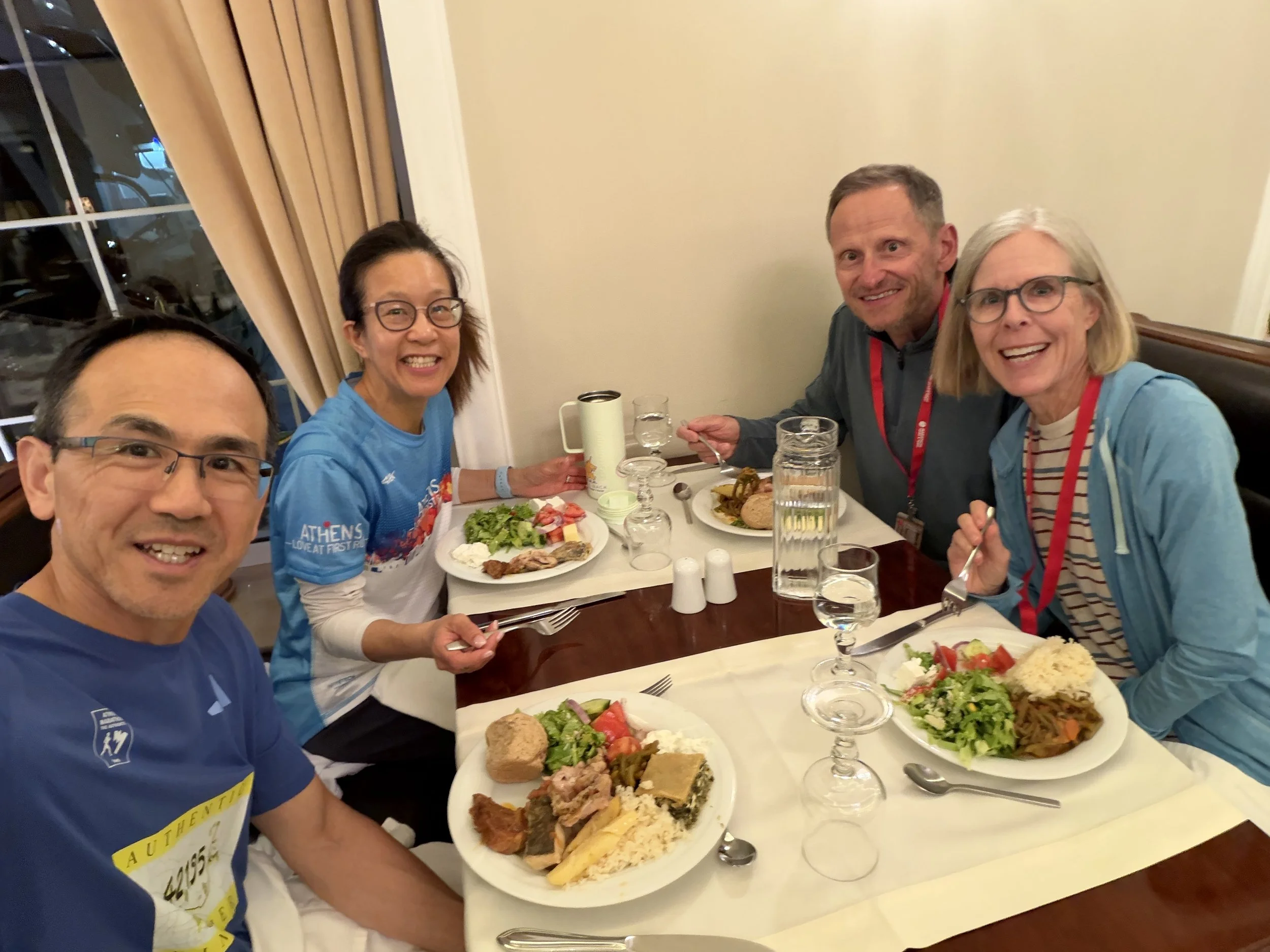
Dinner with Susi and James.
From Delphi we drove to Kalampaka and stayed at the Hotel Divani Meteora.
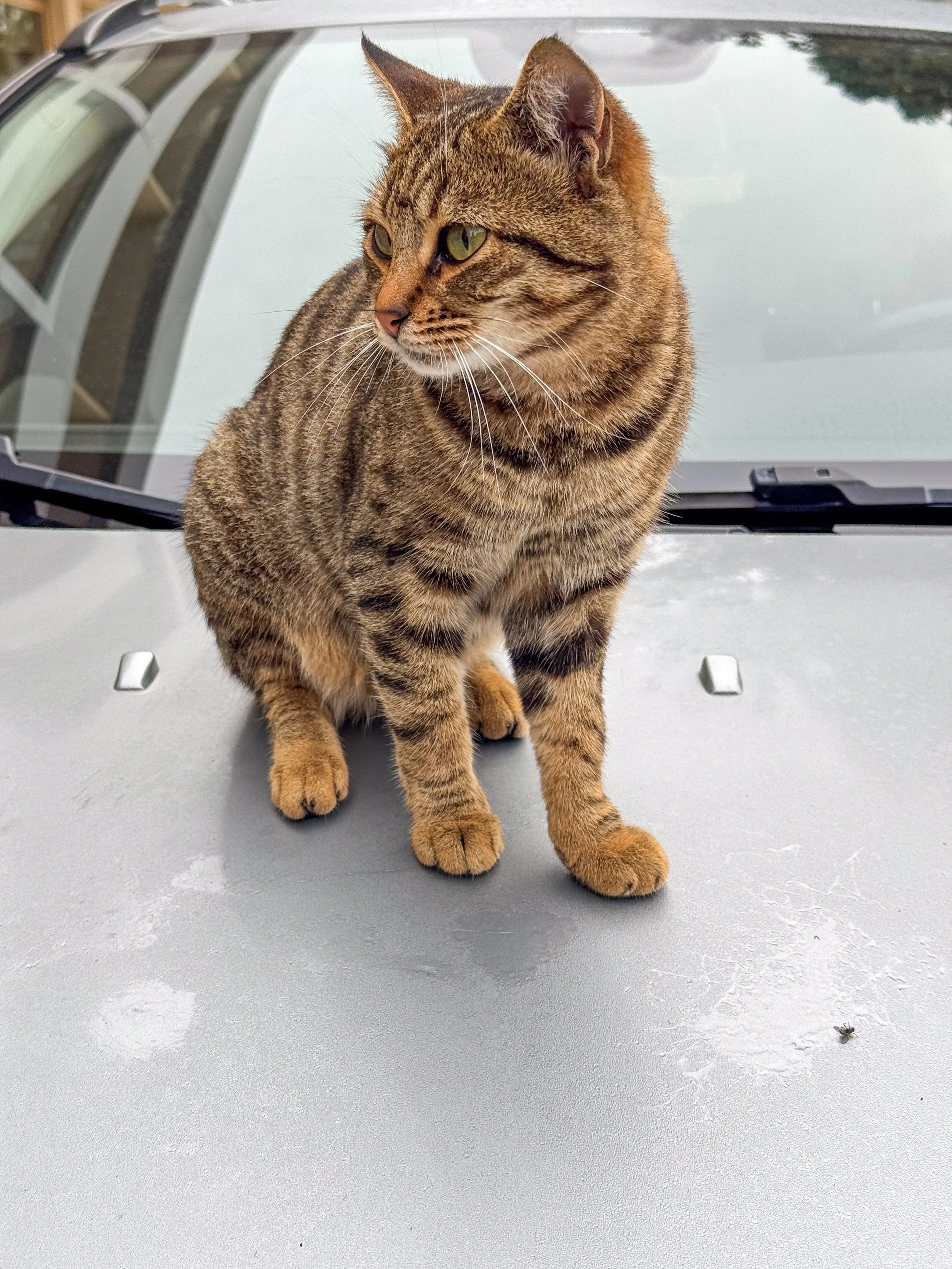
Cute cat guarding a car.
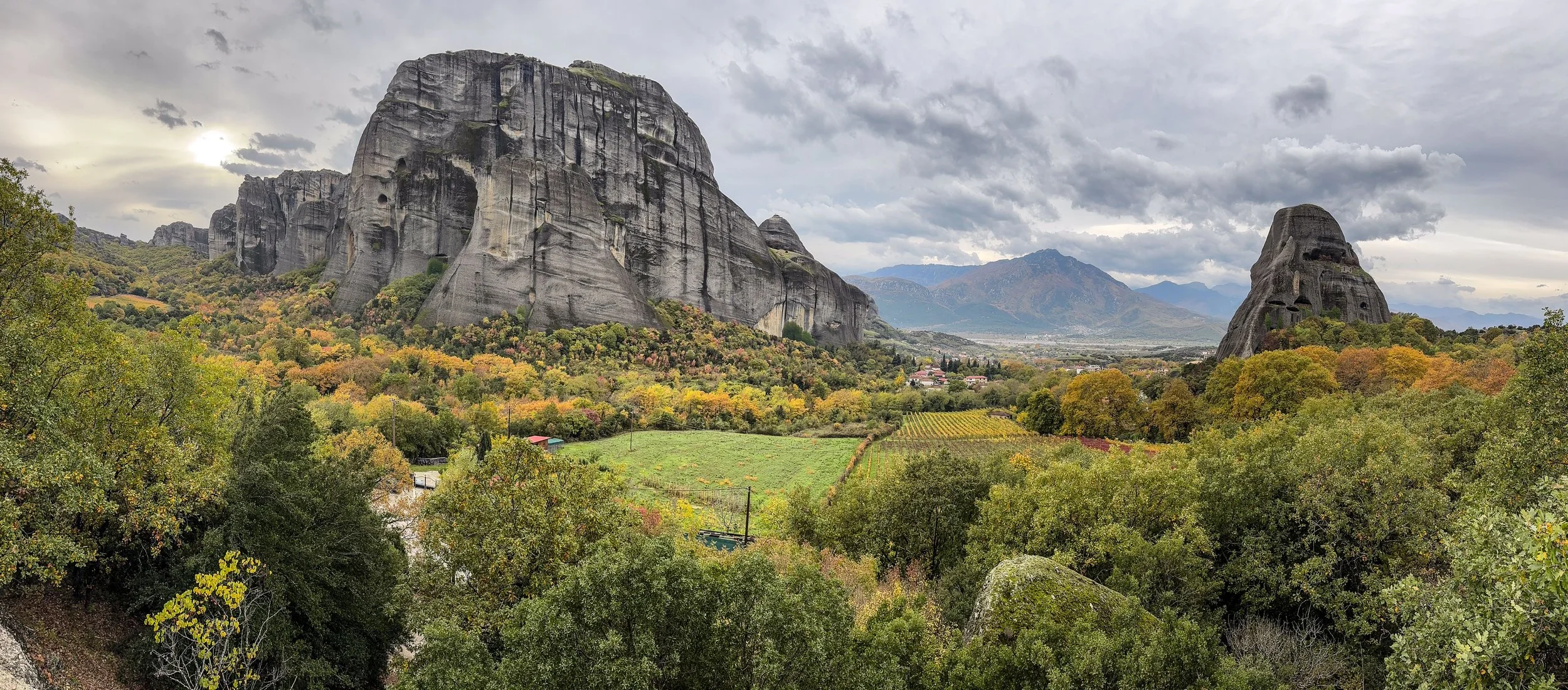
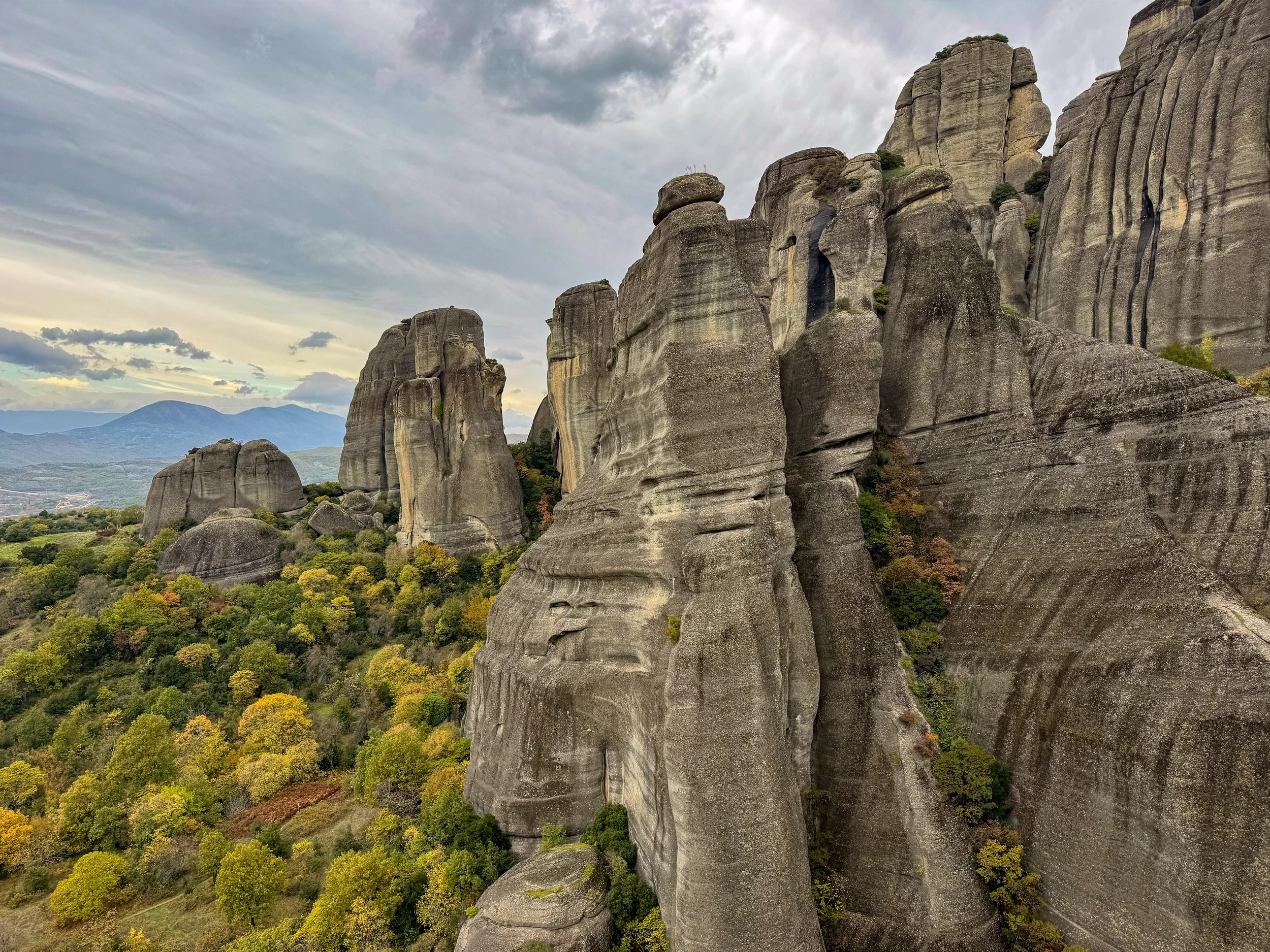
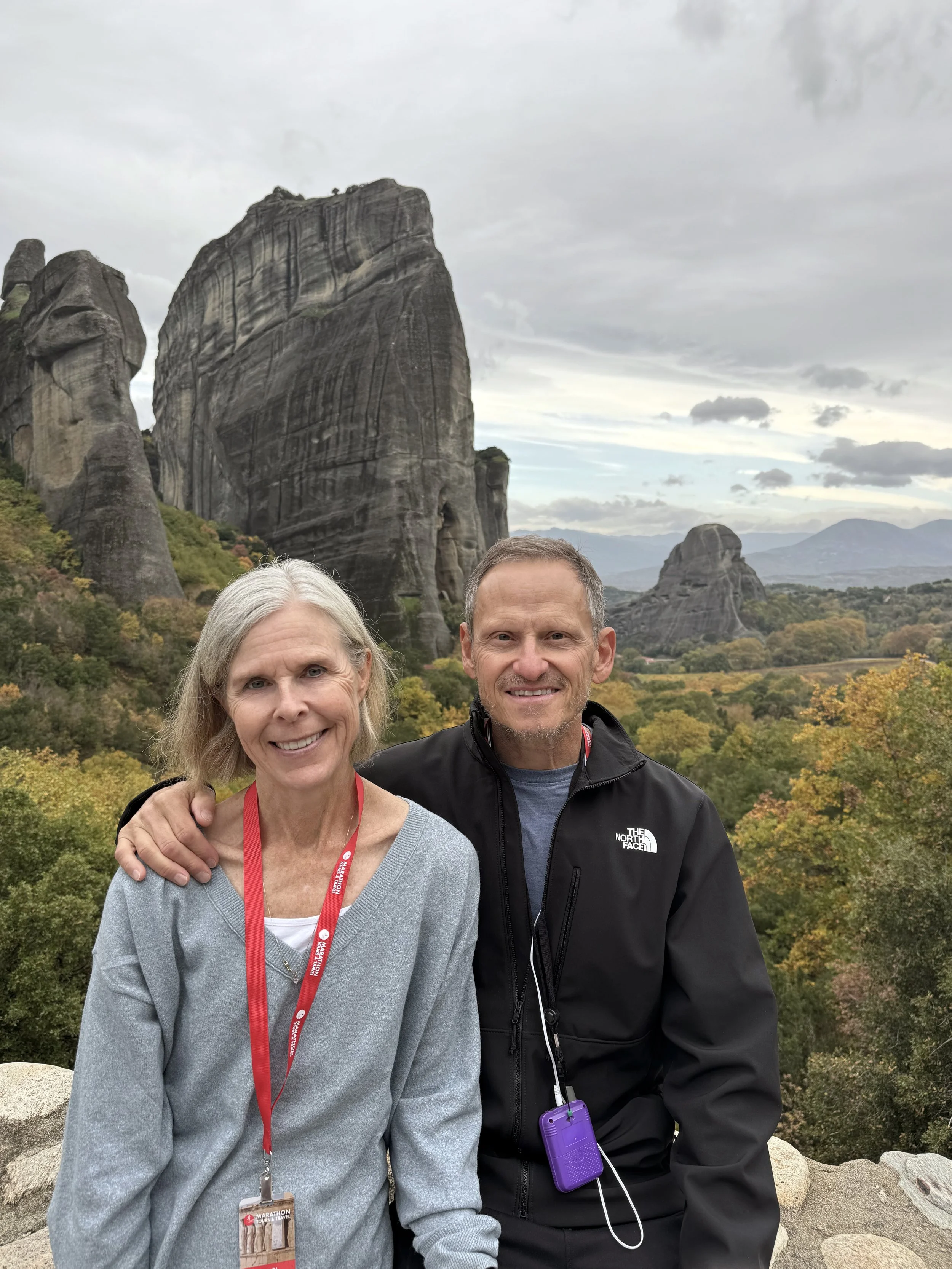
Meteora is famous for its unique rock formations and the monasteries built on top of them.
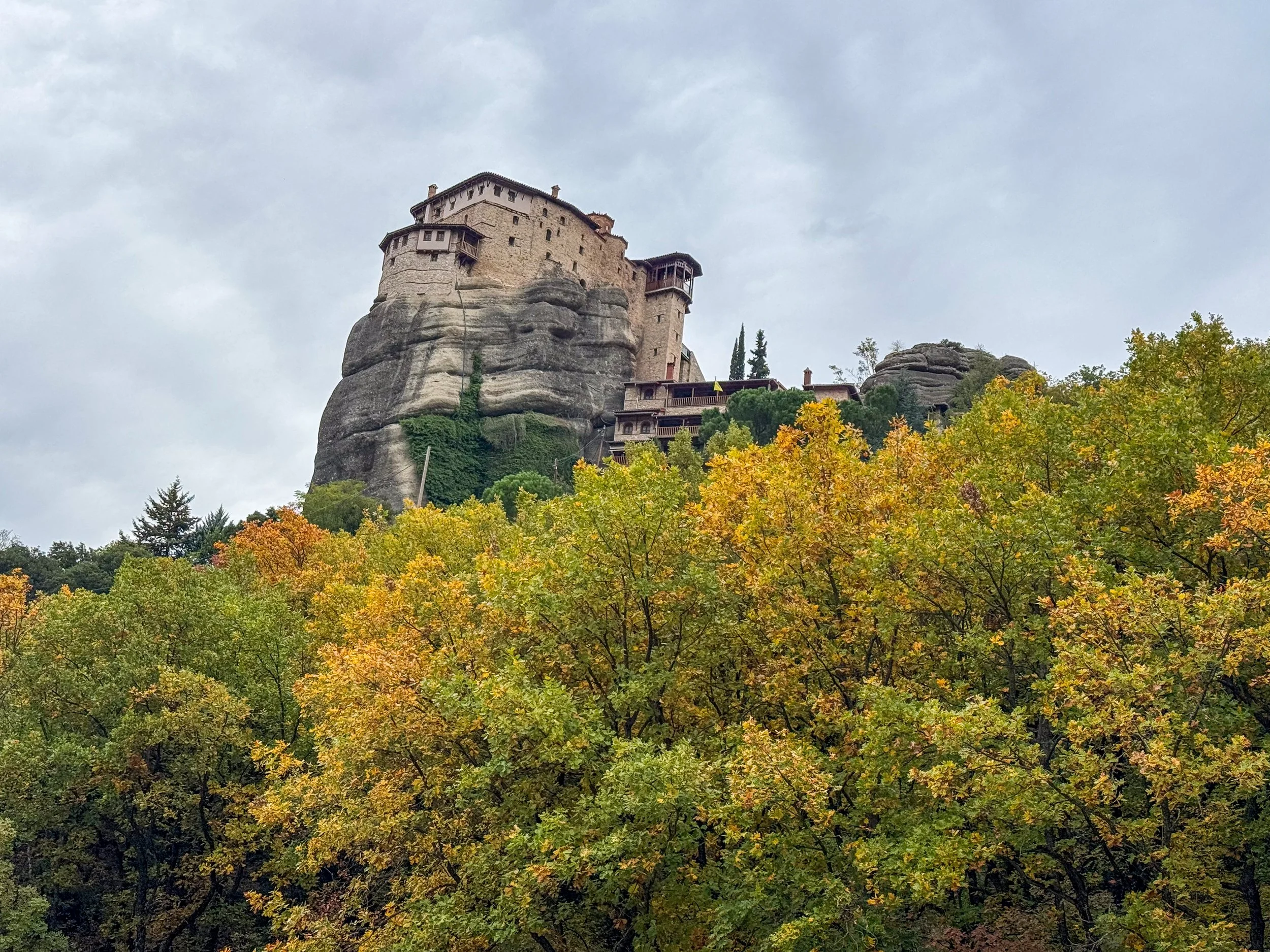
We visited the Rousanou Monastery. It appears almost to grow directly out of its rock formation and is now a convent inhabited by nuns and is particularly noted for its Byzantine-style frescoes.
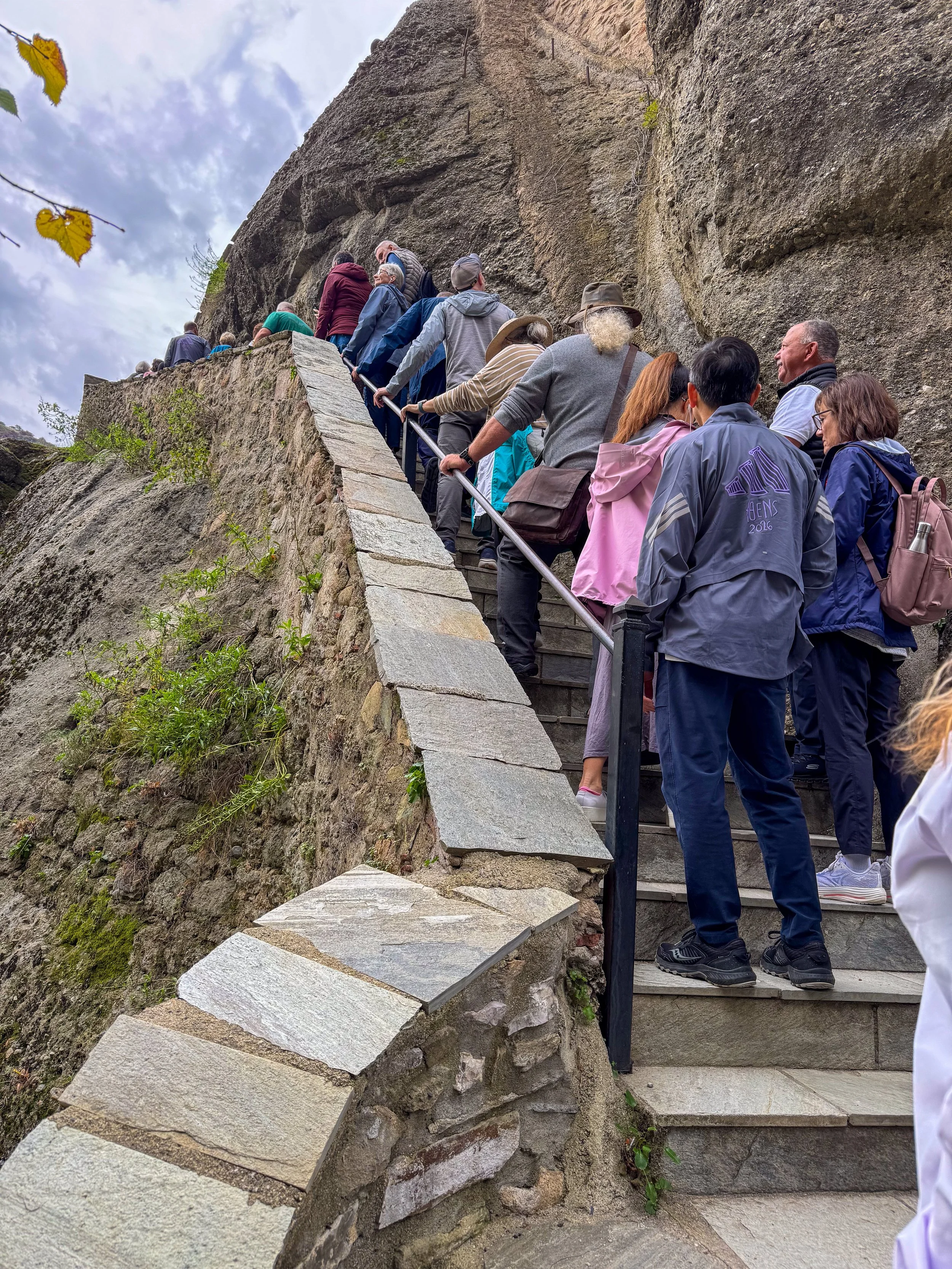
Climbing the steep stairs leading to the Rousanou Monastery.
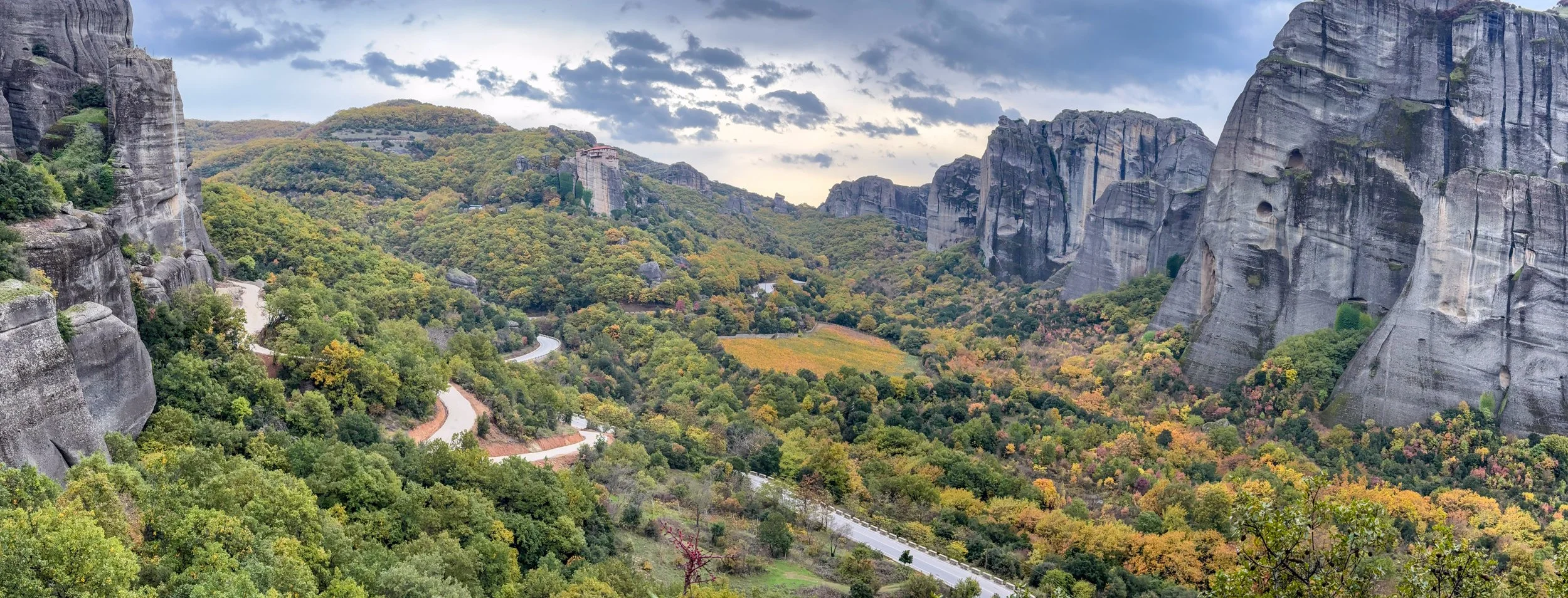
Looking out toward the rocks of Meteora.
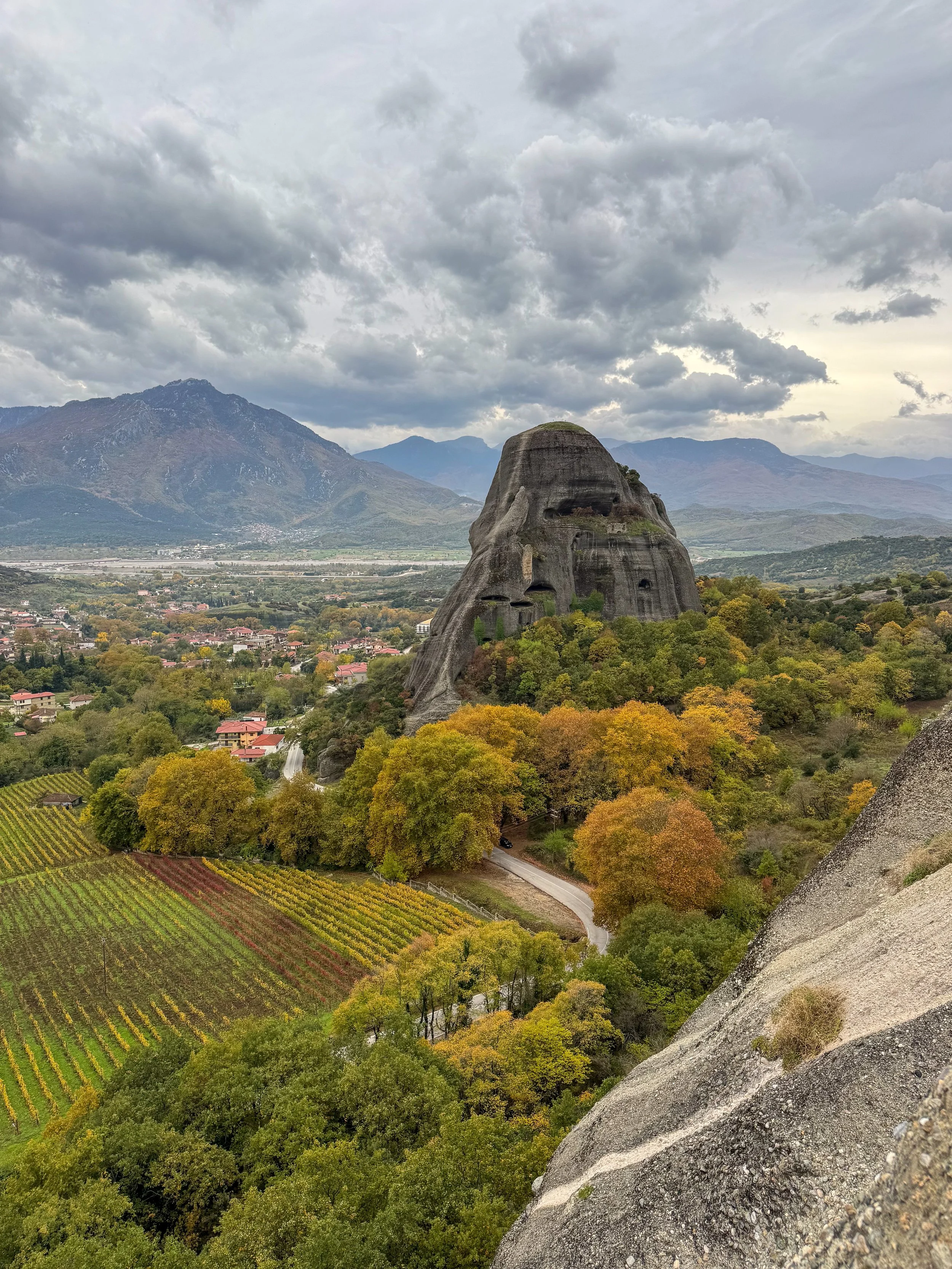
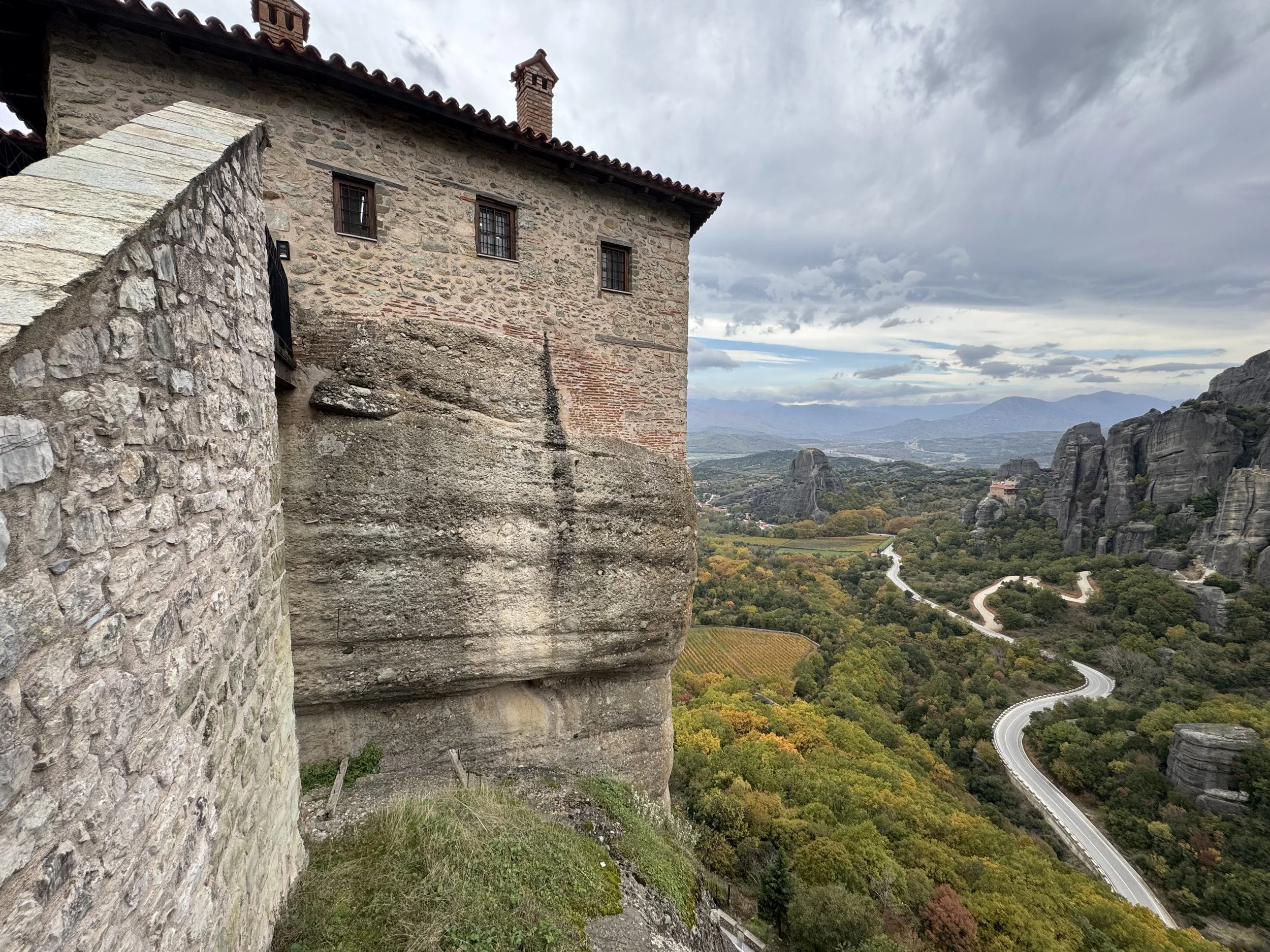
We also visited the Monastery of St. Nicholas Anapafsas.
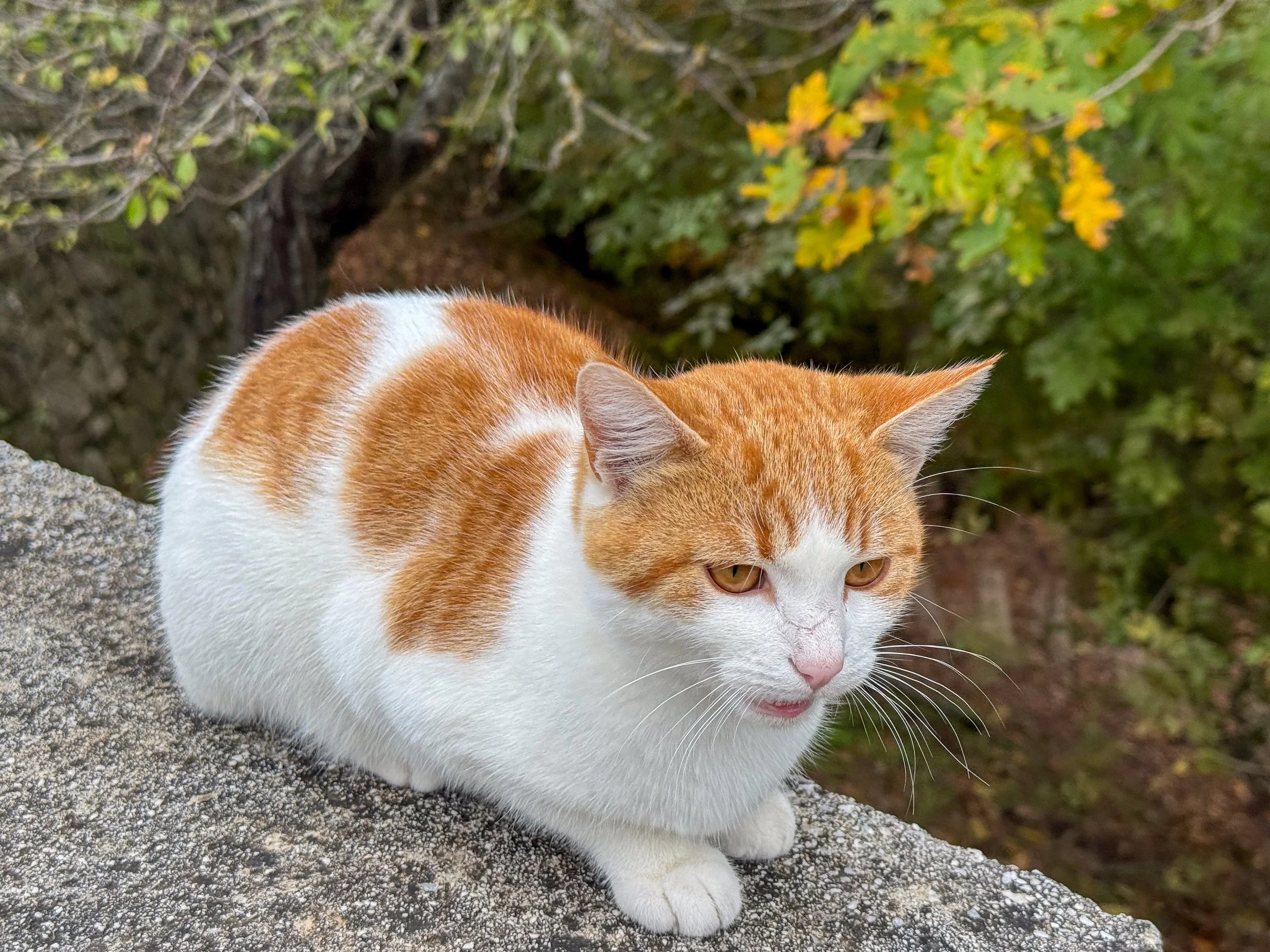
Another cute cat.
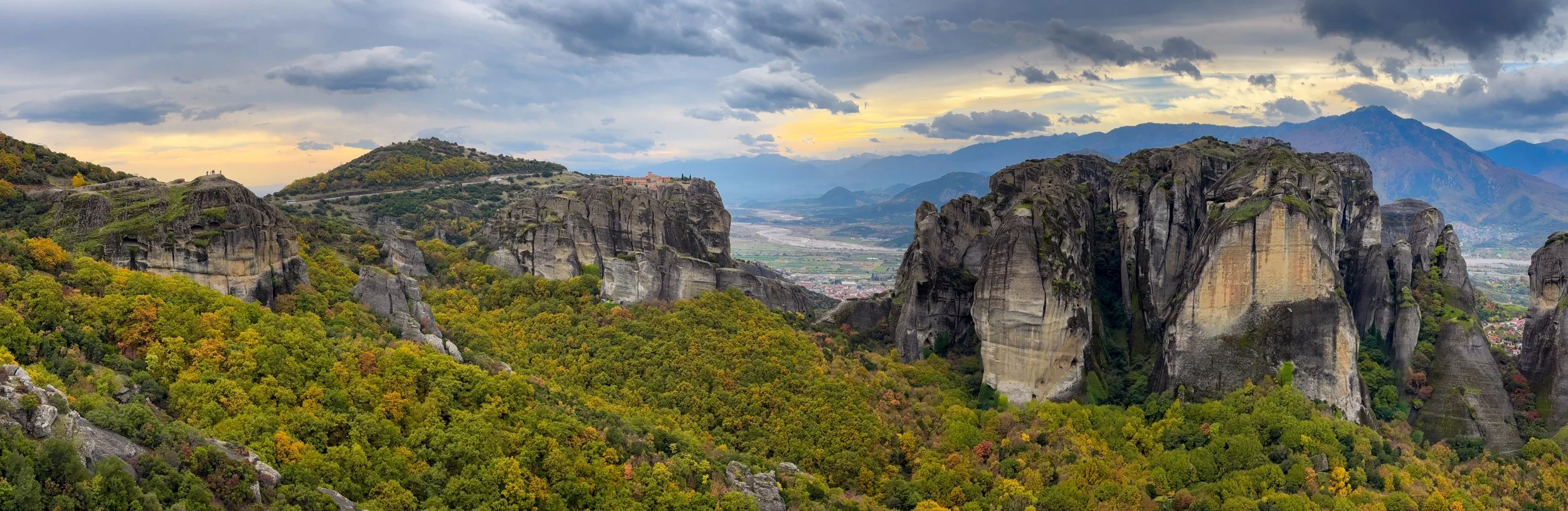
Panorama of the Meteora rocks.
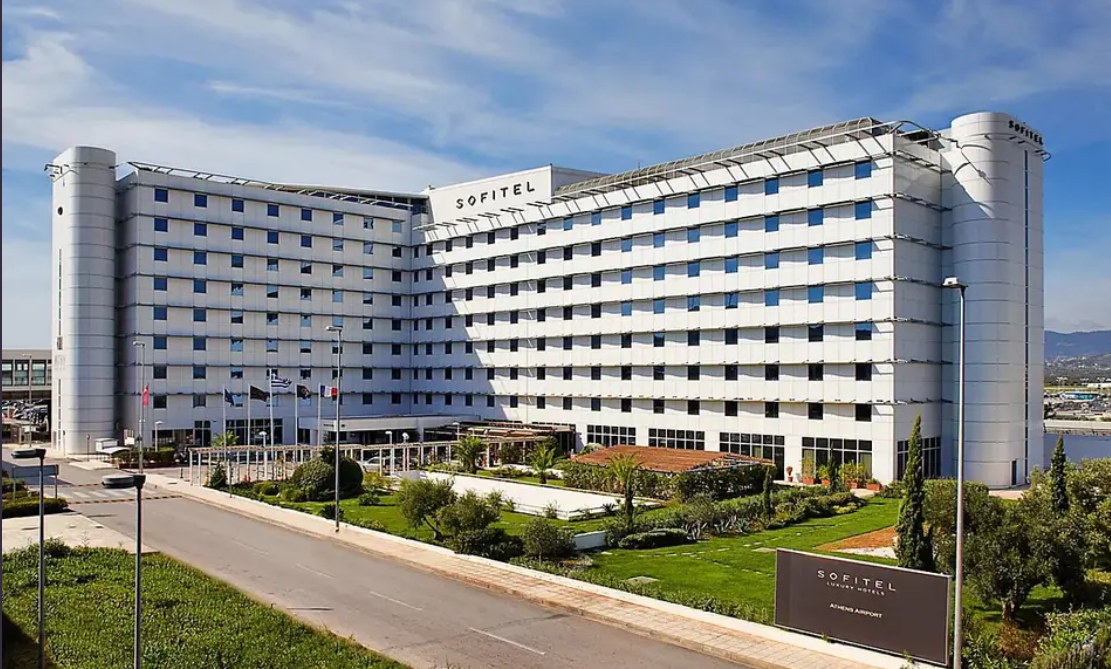
Our final night was spent at the Sofitel Athens Airport. This is a beautiful hotel and a 5 minute walk from the airport.
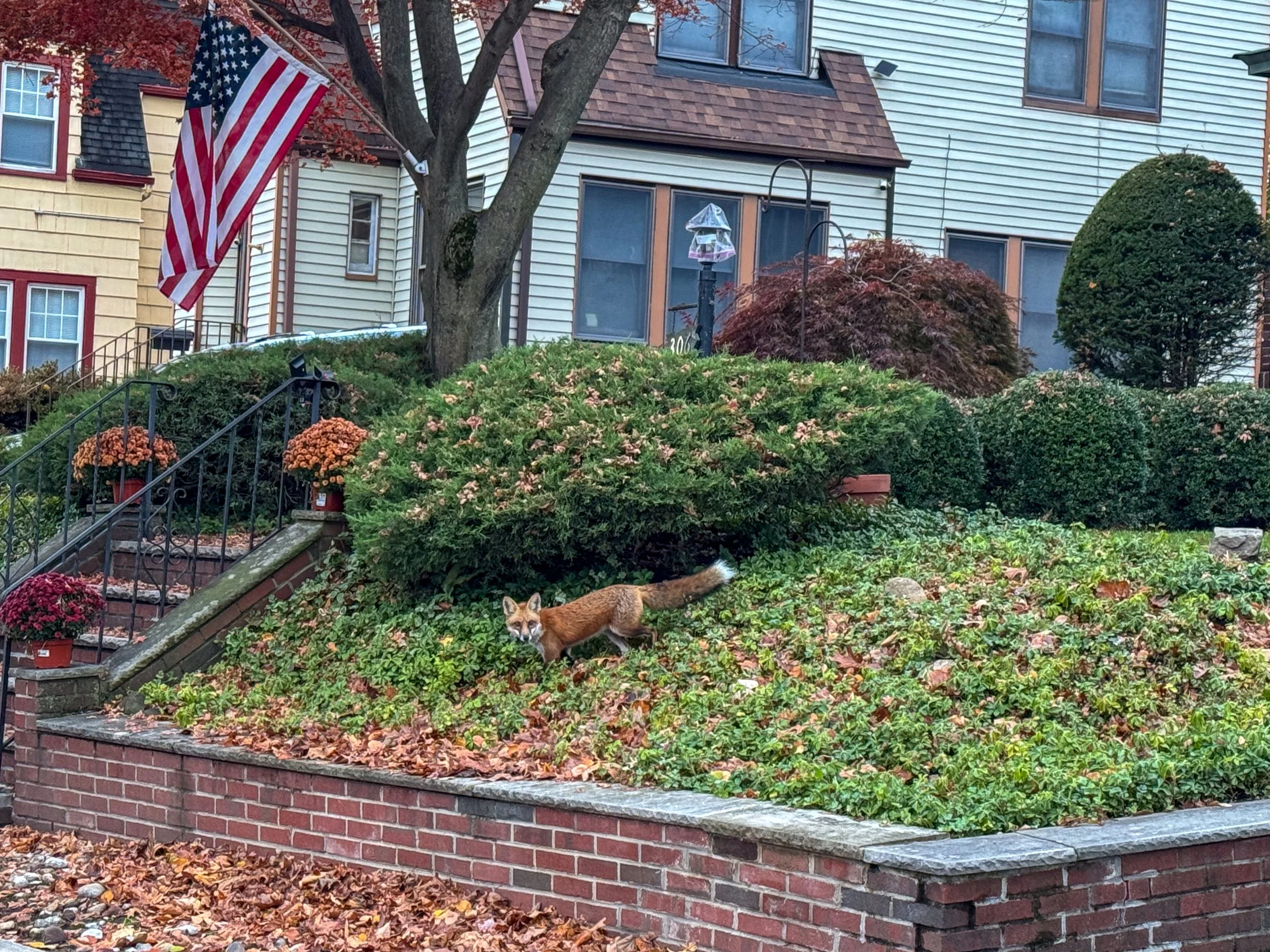
Our last night turned out to not be our last night. We made it back to Newark Airport but there was a FAA ground stop that resulted in our flight to Denver being cancelled. We spent an extra night in East Rutherford, NJ. The next morning we went for a run and saw this cute Fox in a yard.