Antarctica Marathon Trip
Top
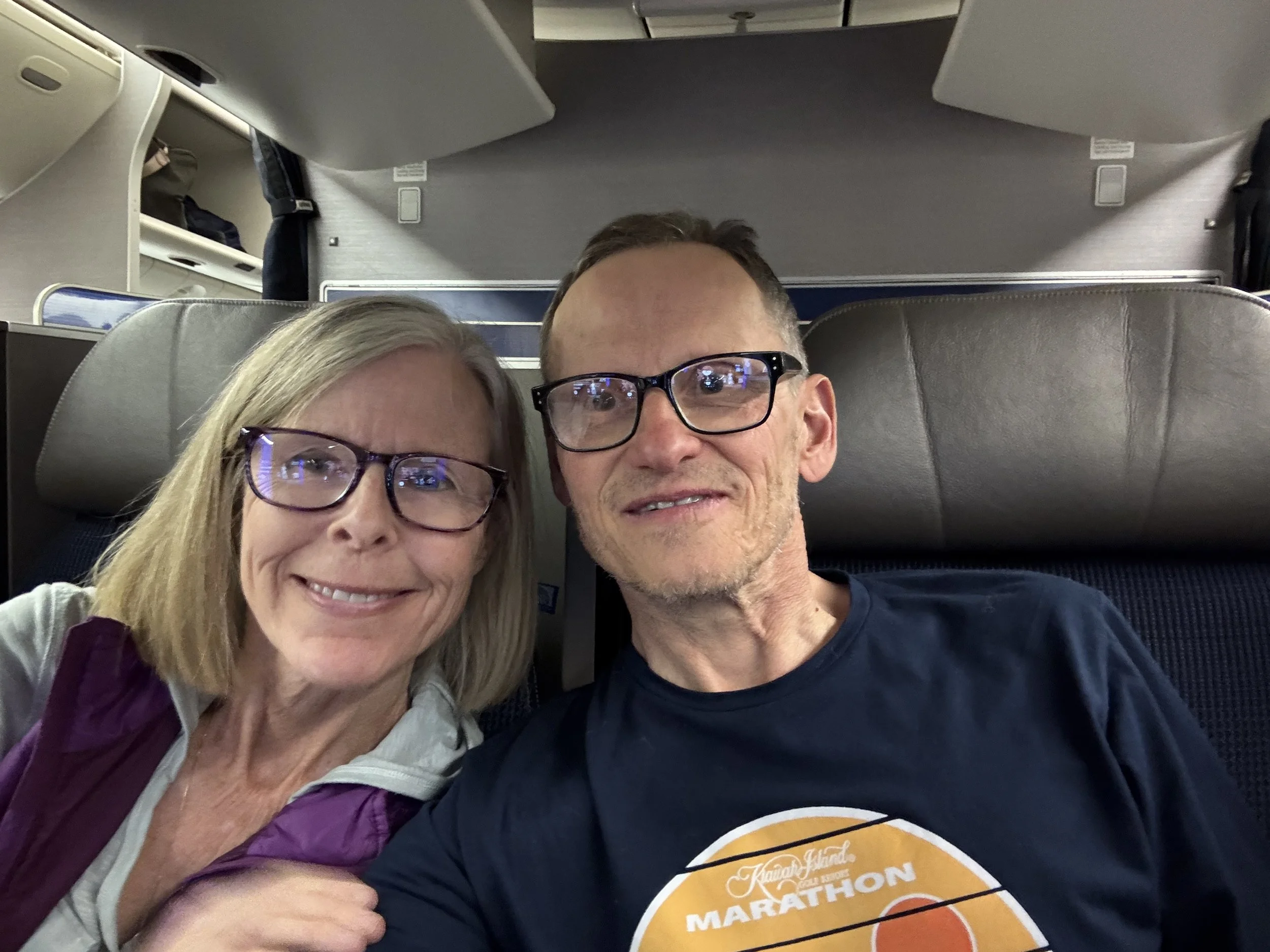
Our trip to Antarctica began with a United flight to Buenos Aires. We lucked out and got an upgrade to first class which made the 10 hour overnight flight much more enjoyable.
After arriving in Buenos Aires we met the rest of our marathon tour group. This trip was organized by Marathon Tours who organizes a range of marathons all over the world.
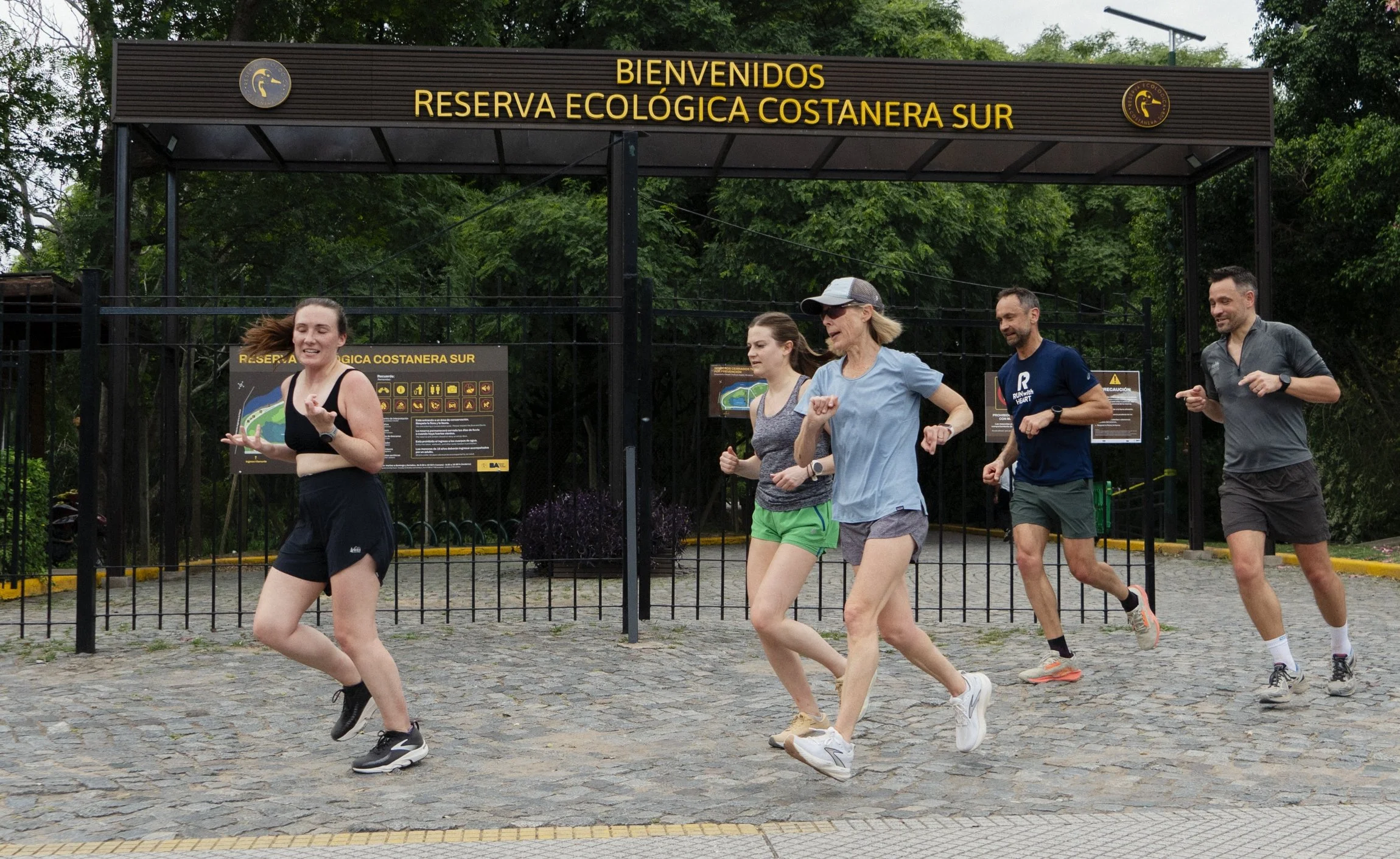
After checking into the Alvear Icon hotel, the entire group met for a short 5K run.
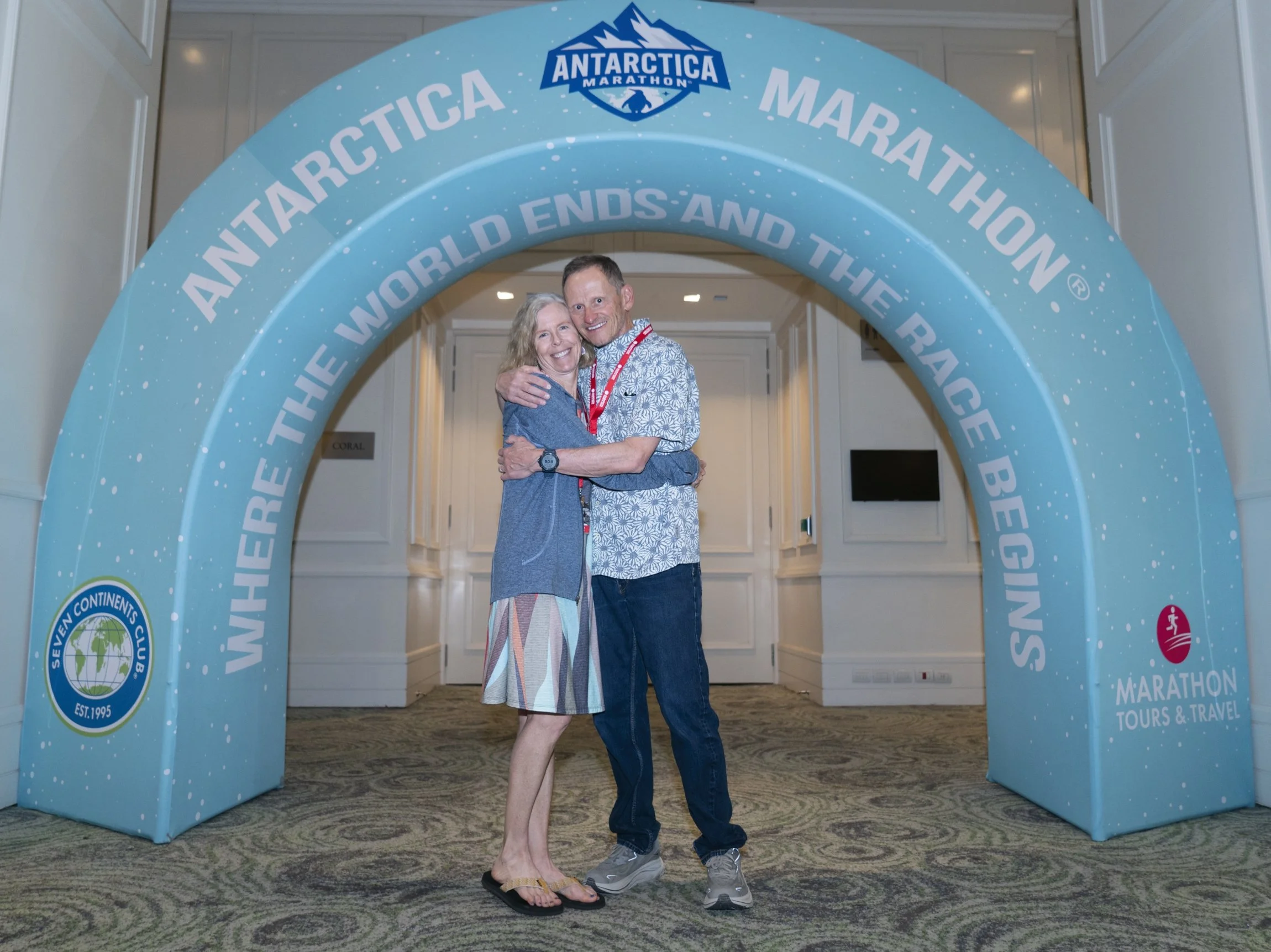
The quintessential pre-marathon photo.
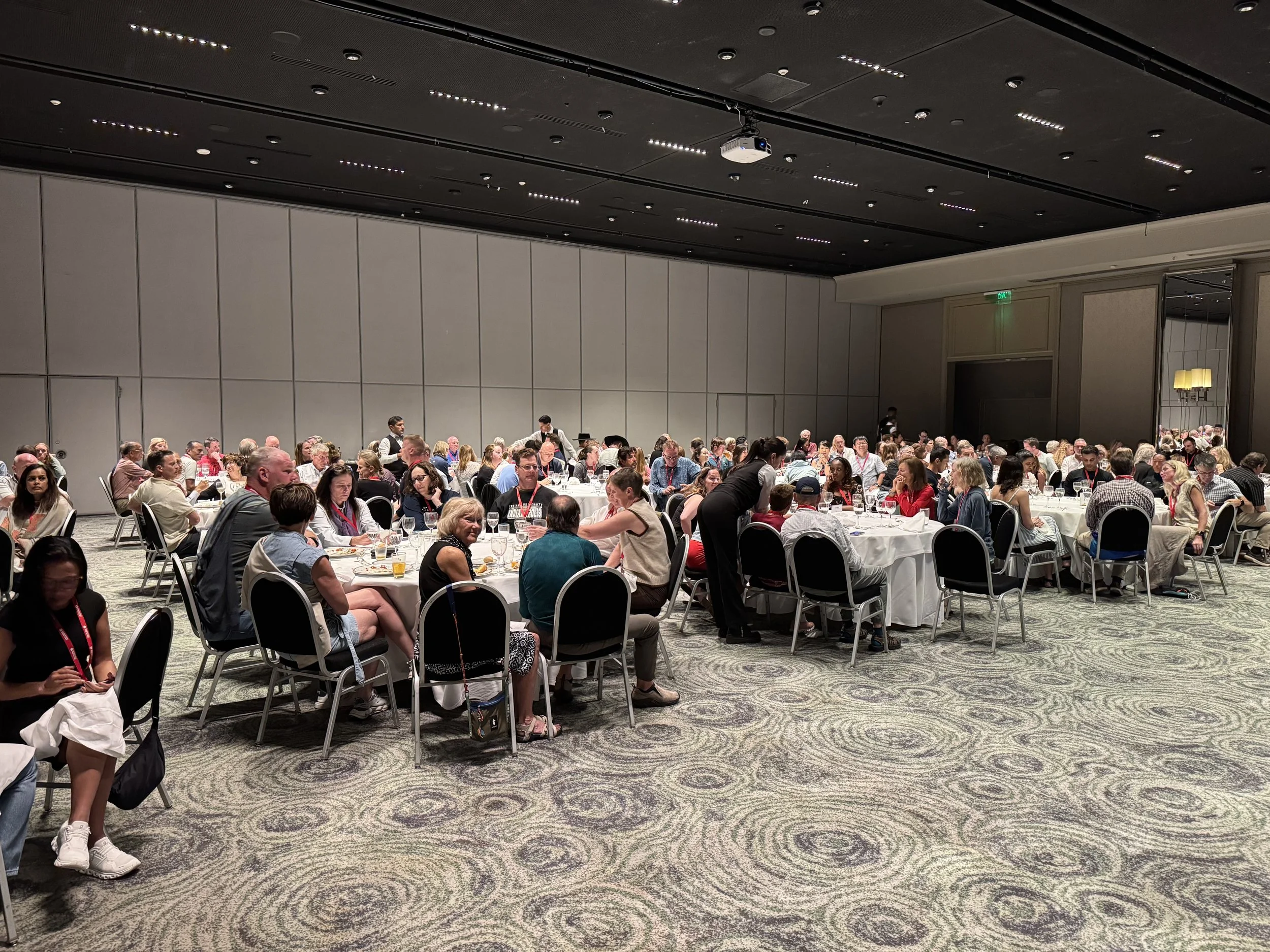
We joined the group for a reception, dinner and trip briefing. There were about 165 people on the tour, most of which were running the marathon or half marathon.
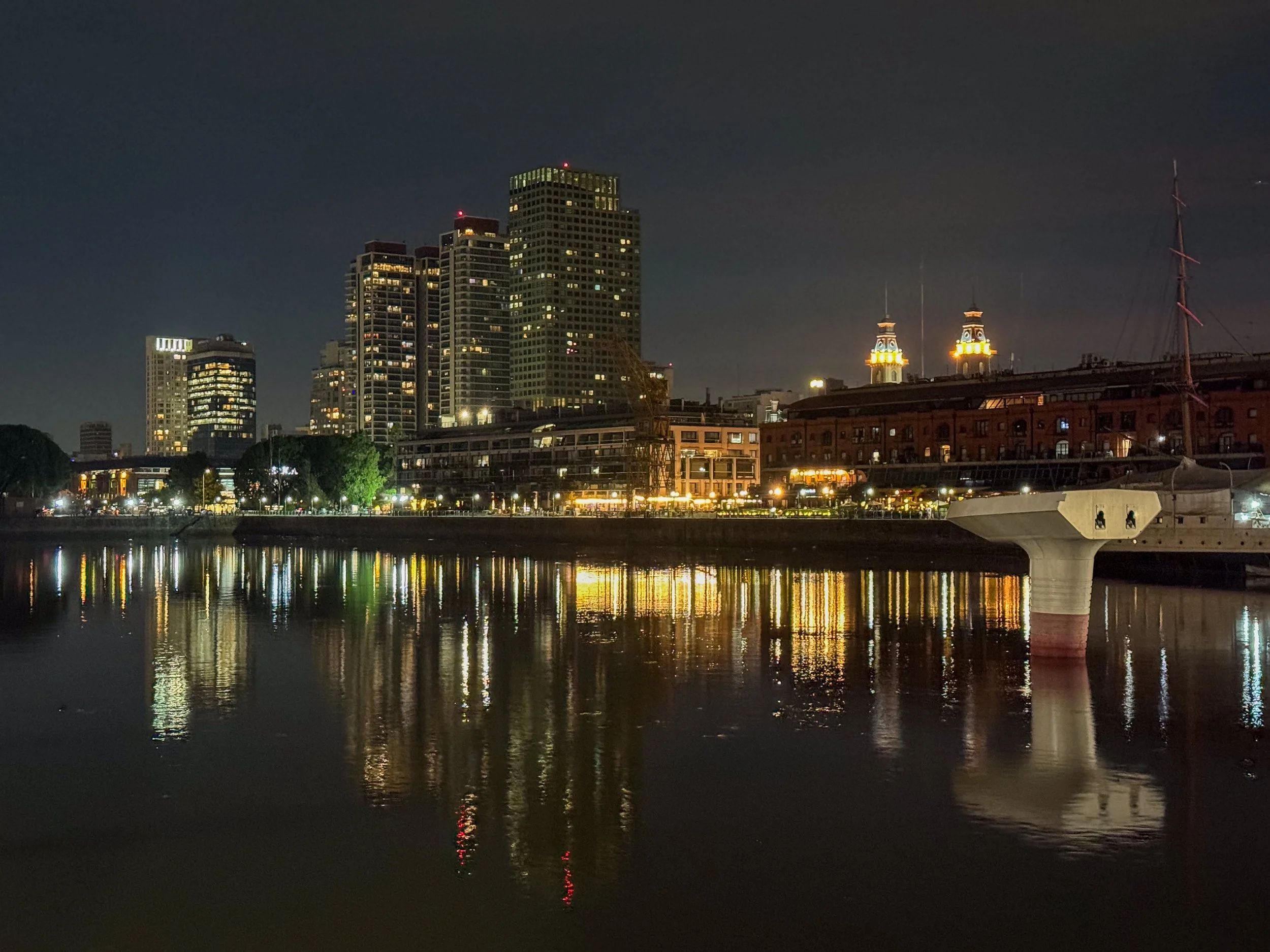
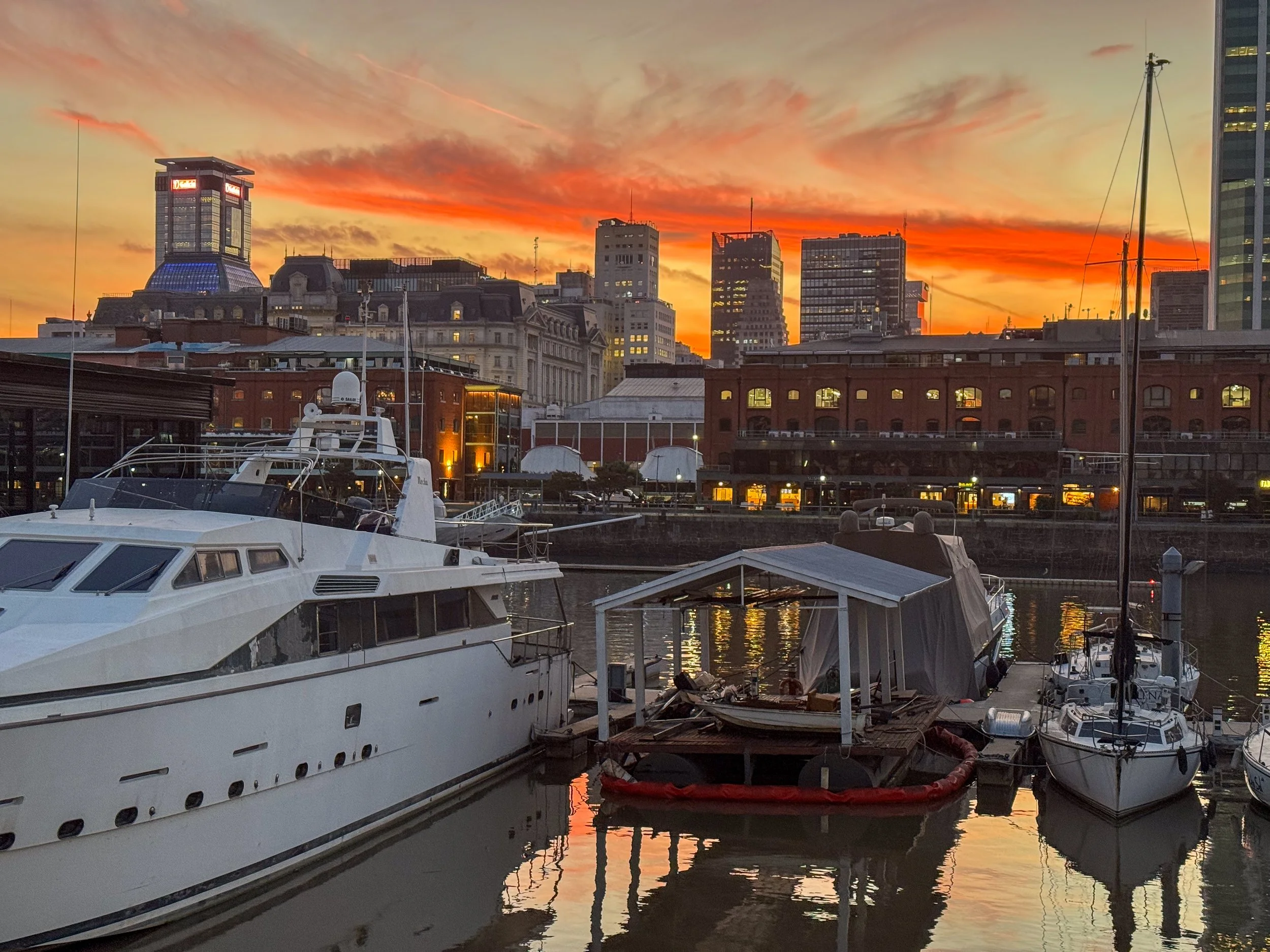
A few photos of Buenos Aires in the evening. We hadn’t realized that Buenos Aires is the 3rd largest metro area in the Western Hemisphere with a population of almost 17 million people. Buenos Aires was founded in 1536 by a Spanish explorer and eventually became a major colonial port of the Spanish Empire.
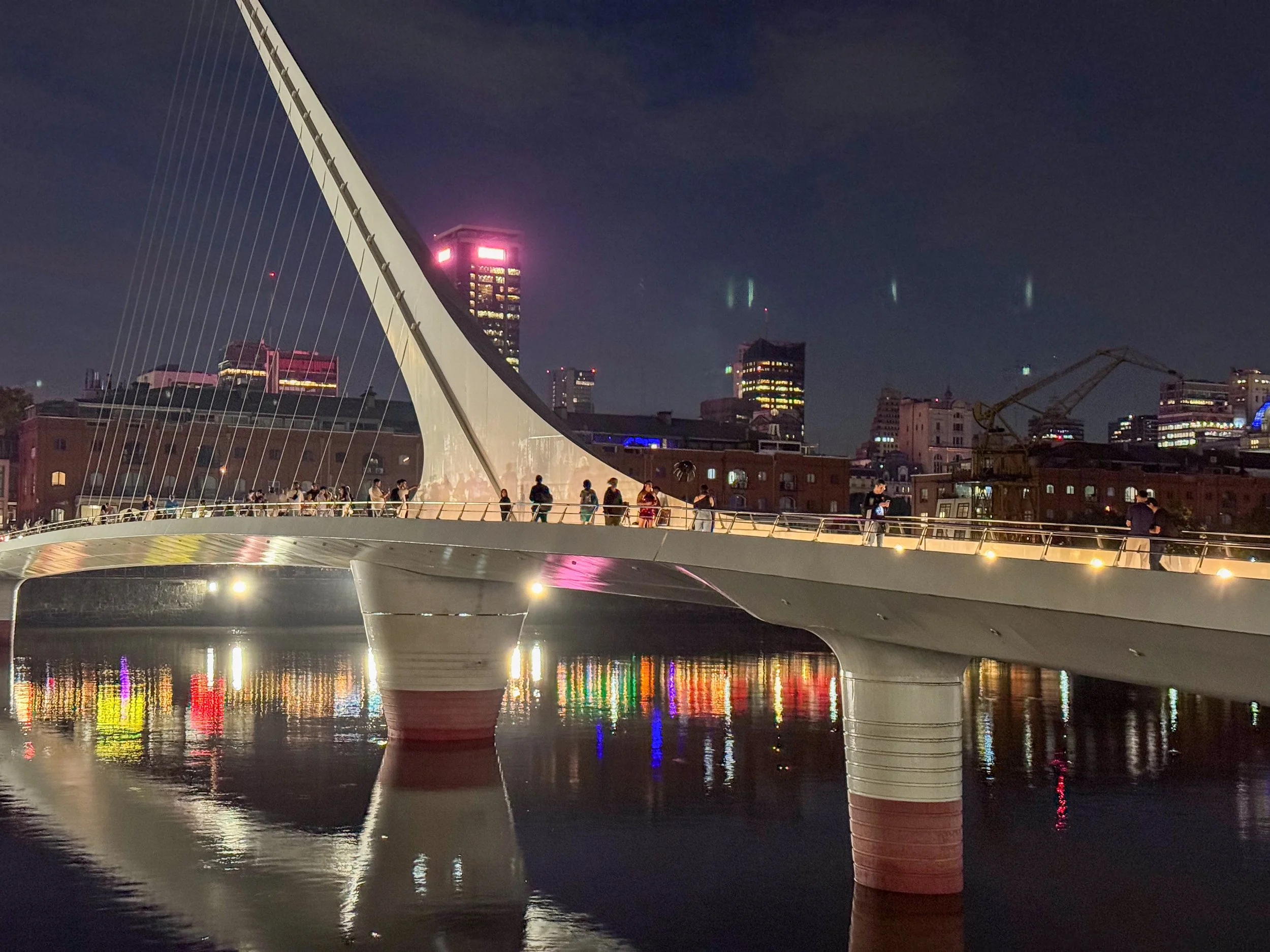
The beautiful Puente de la Mujer pedestrian bridge spans the docks of the Puerto Madero.
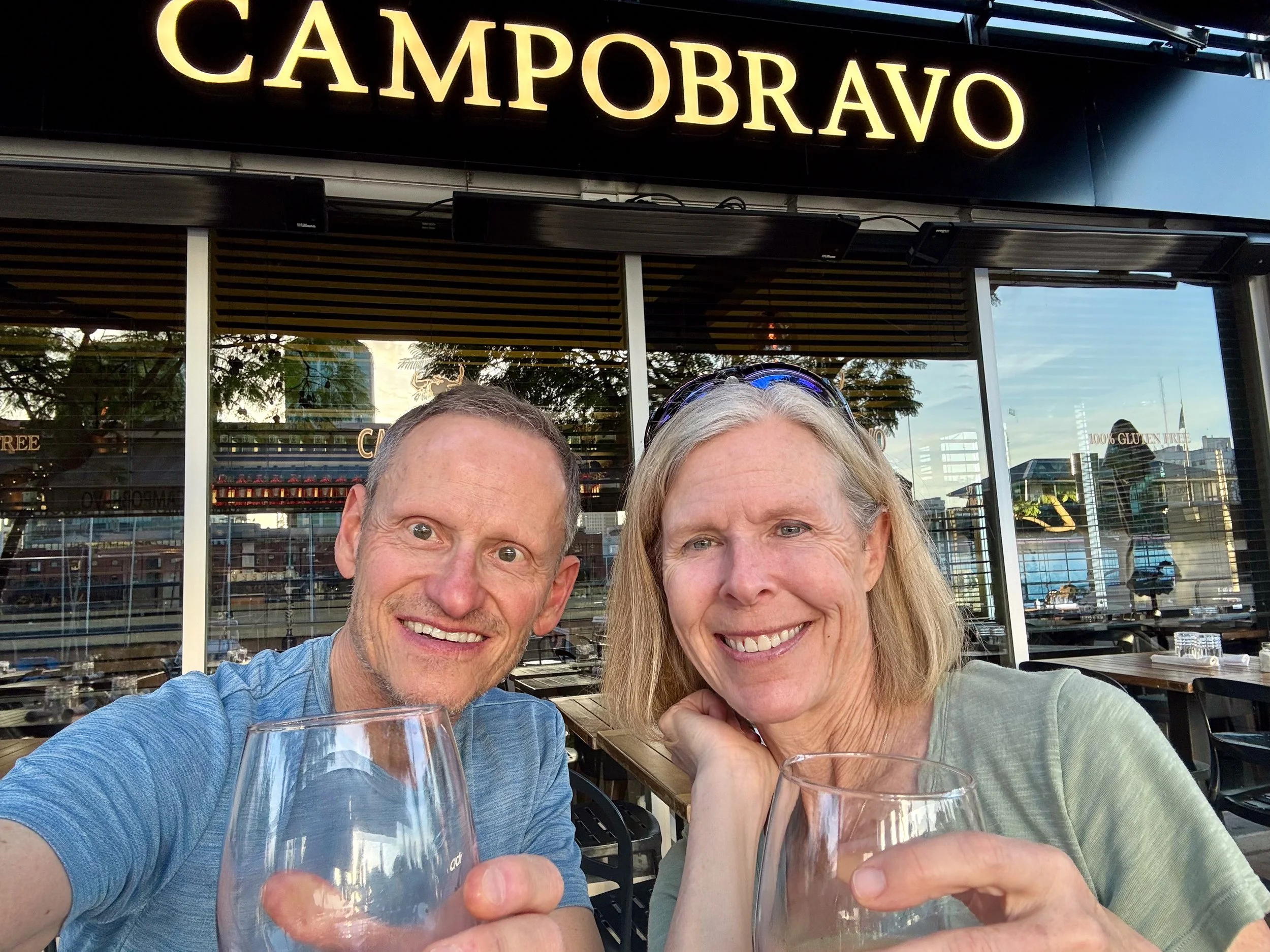
We had dinner at Campobravo restaurant which is 100% gluten free. For some reason, Buenos Aires is one of the best cities for gluten free dining.
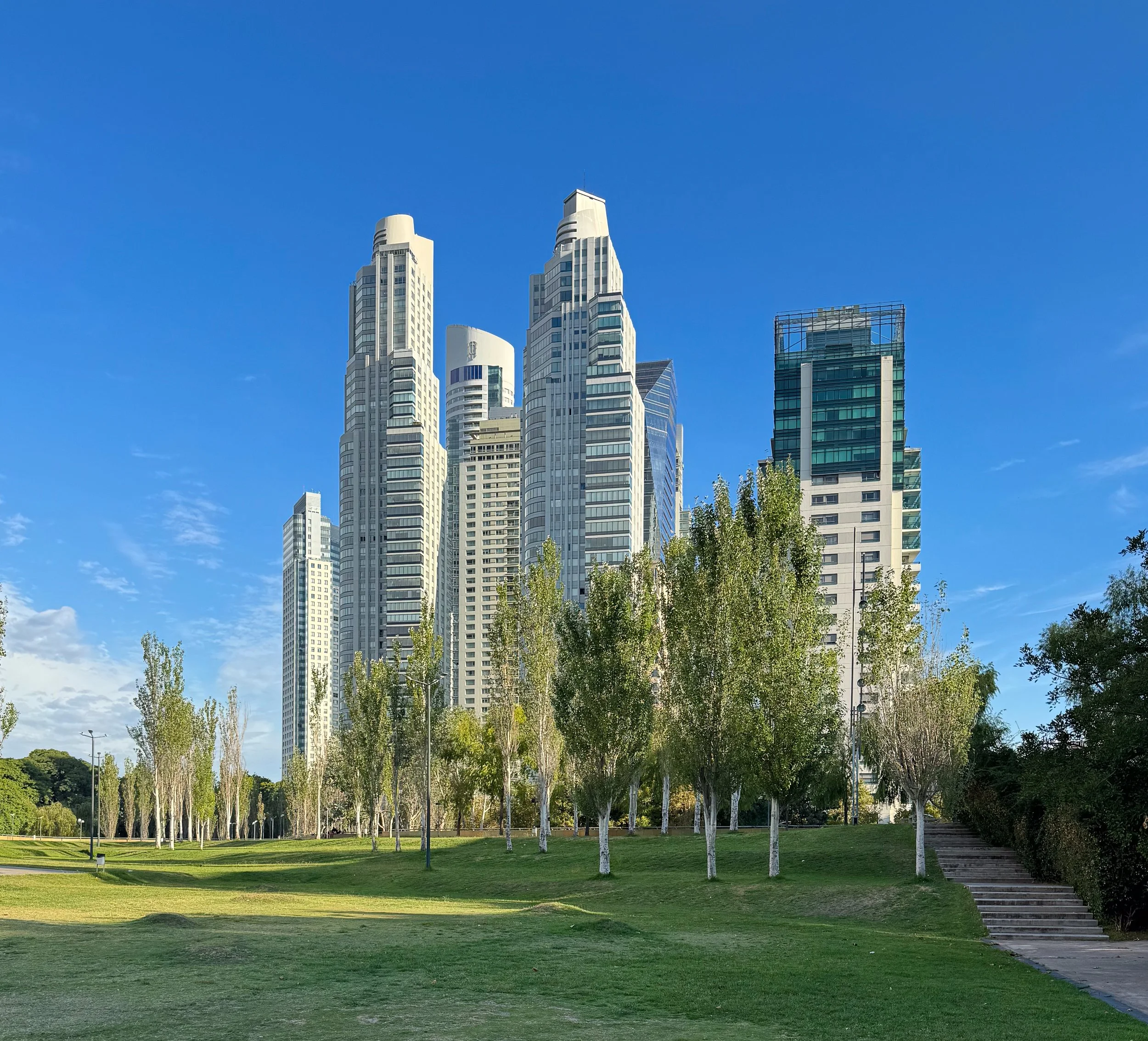
The entire marathon group took a tour of Buenos Aires.
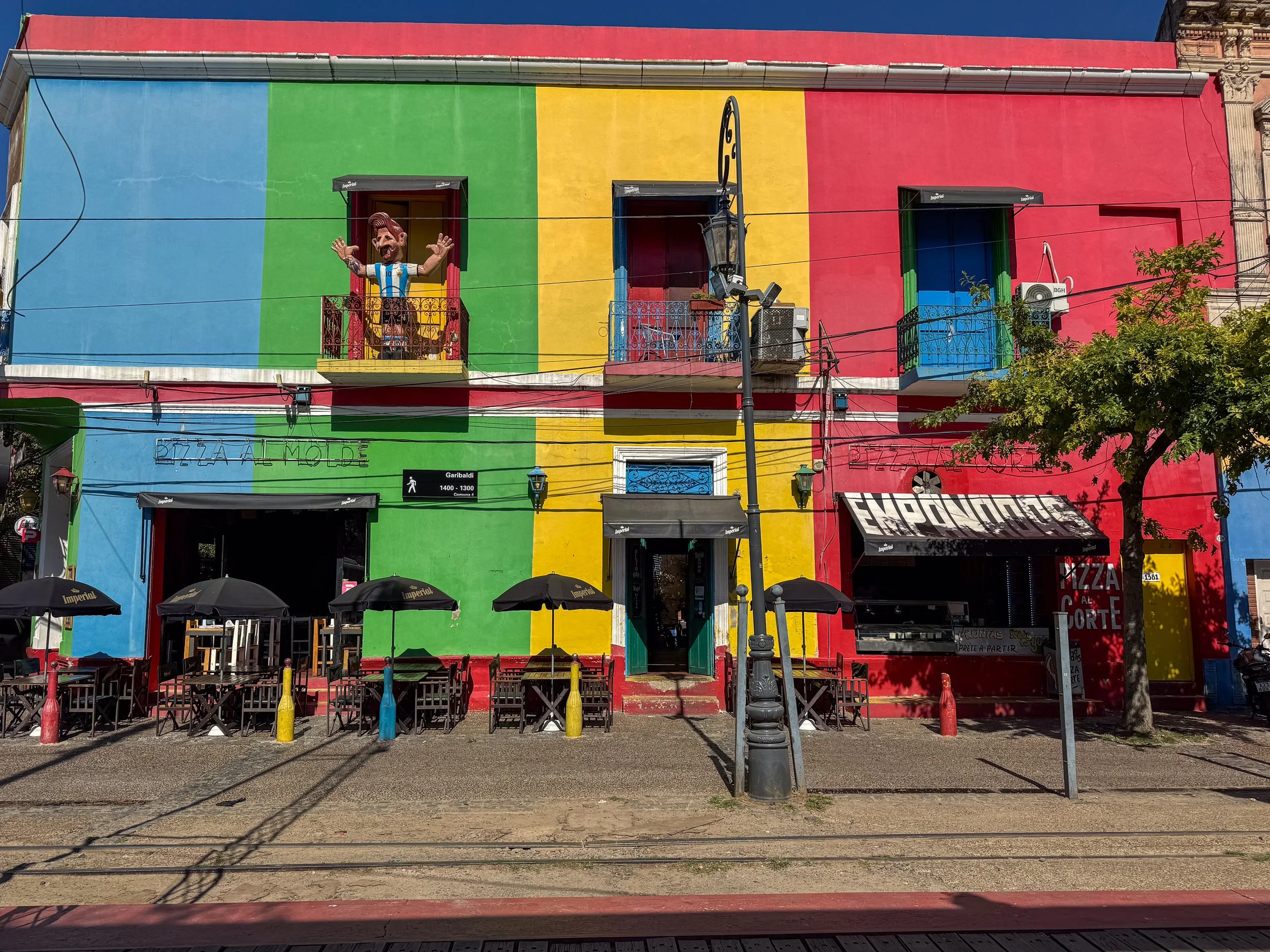
We visited the La Boca historical neighborhood which is know for brightly colored buildings, street art and small cafes. La Boca is home to the Football stadium and is one of the most iconic and visited areas in Buenos Aires.
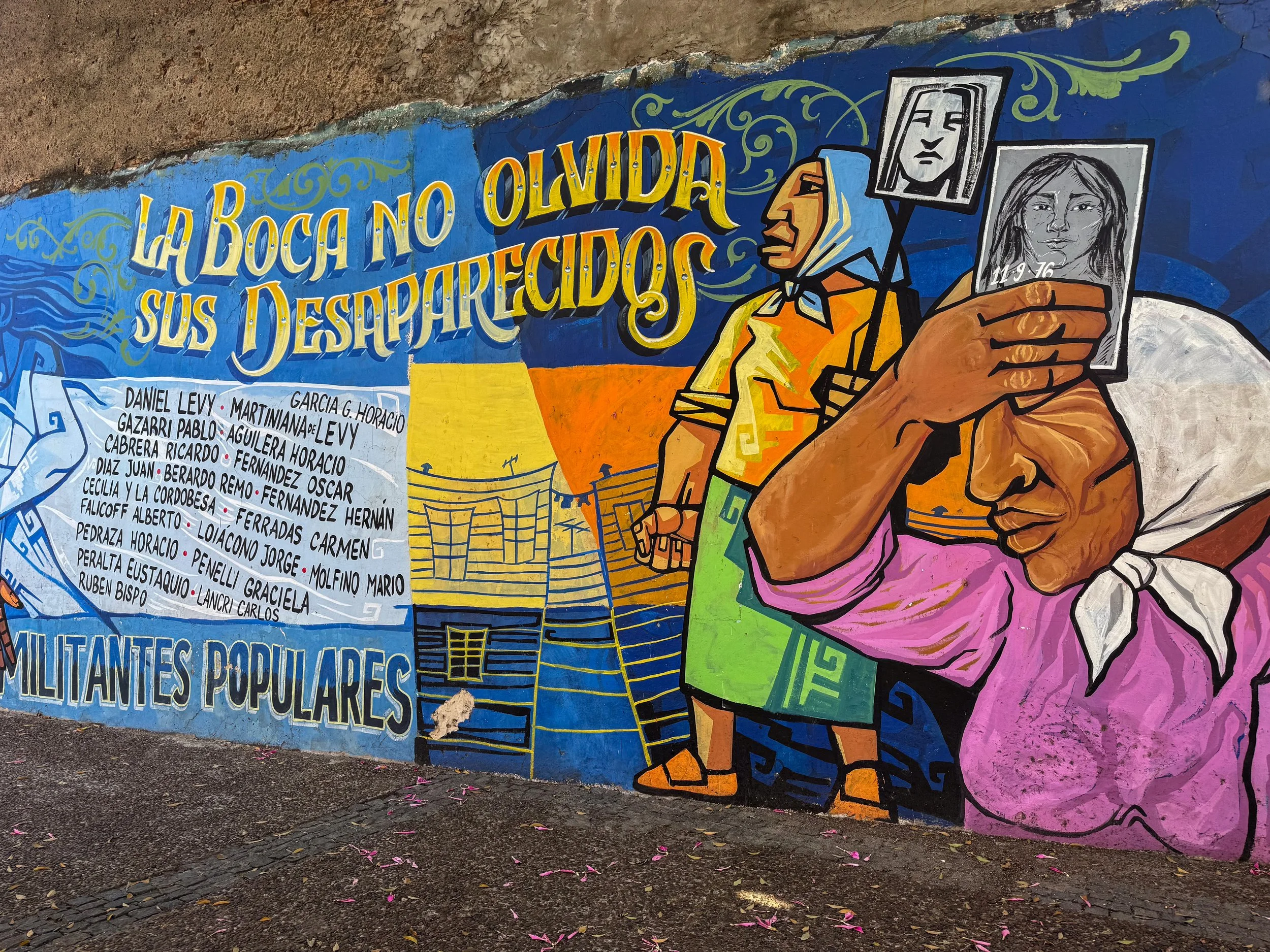
You cannot go anywhere in Buenos Aires without being reminded of the horrible period in the 1980s where the Argentine Military carried out a campaign against people they suspected of being political opponents. Thousands of people were kidnapped and imprisoned in secret detention centers, tortured and killed. These victims became know as the “Desaparecidos” or “The Disappeared”. Pregnant detainees were held until they gave birth and their babies were taken away and given to military and government families.
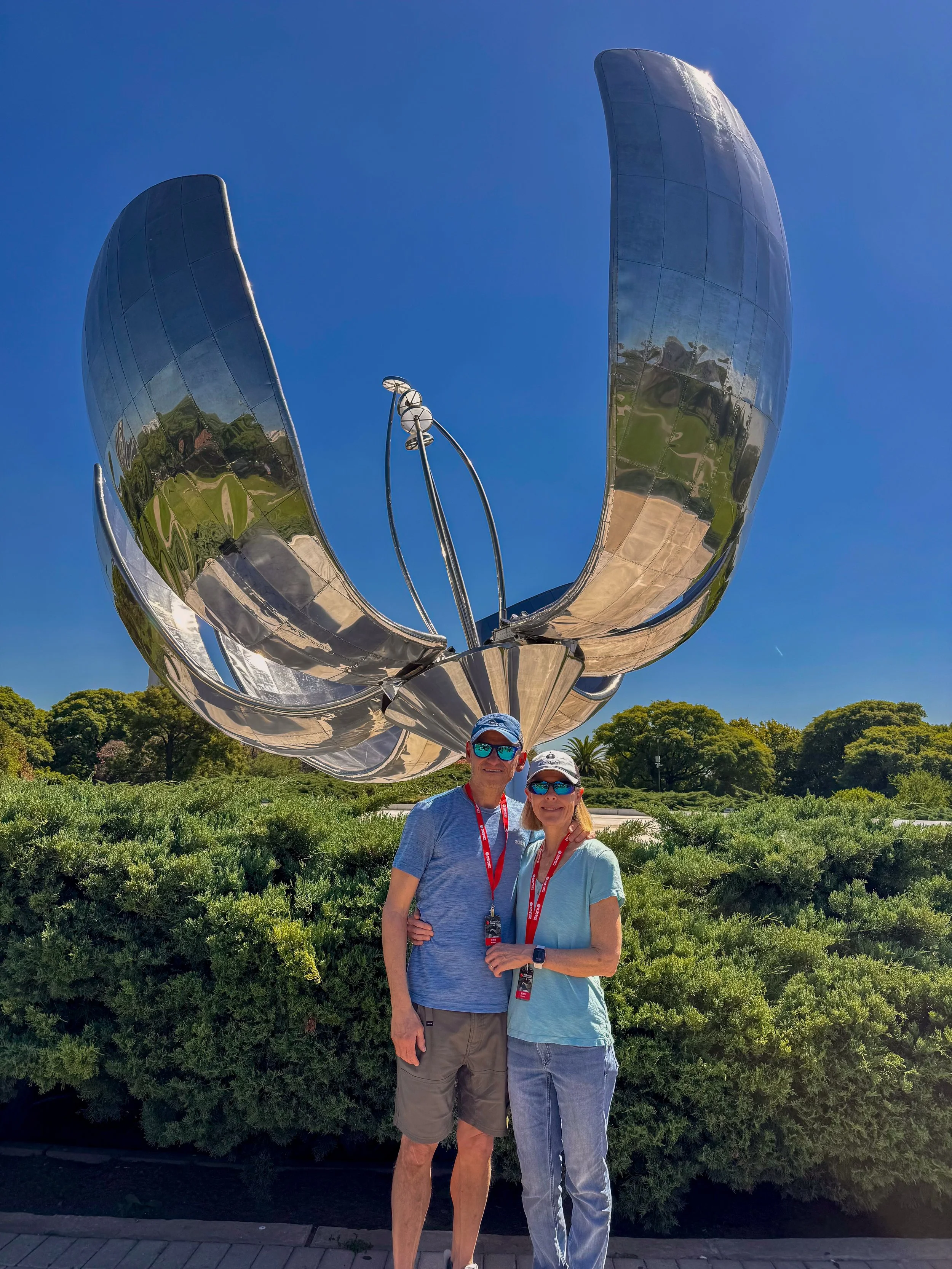
The Floralis Genérica or steel flower stands in the Plaza de las Naciones Unidas. The flower has six large metal petals that mechanically open during the morning and close at night (although it is currently broken).
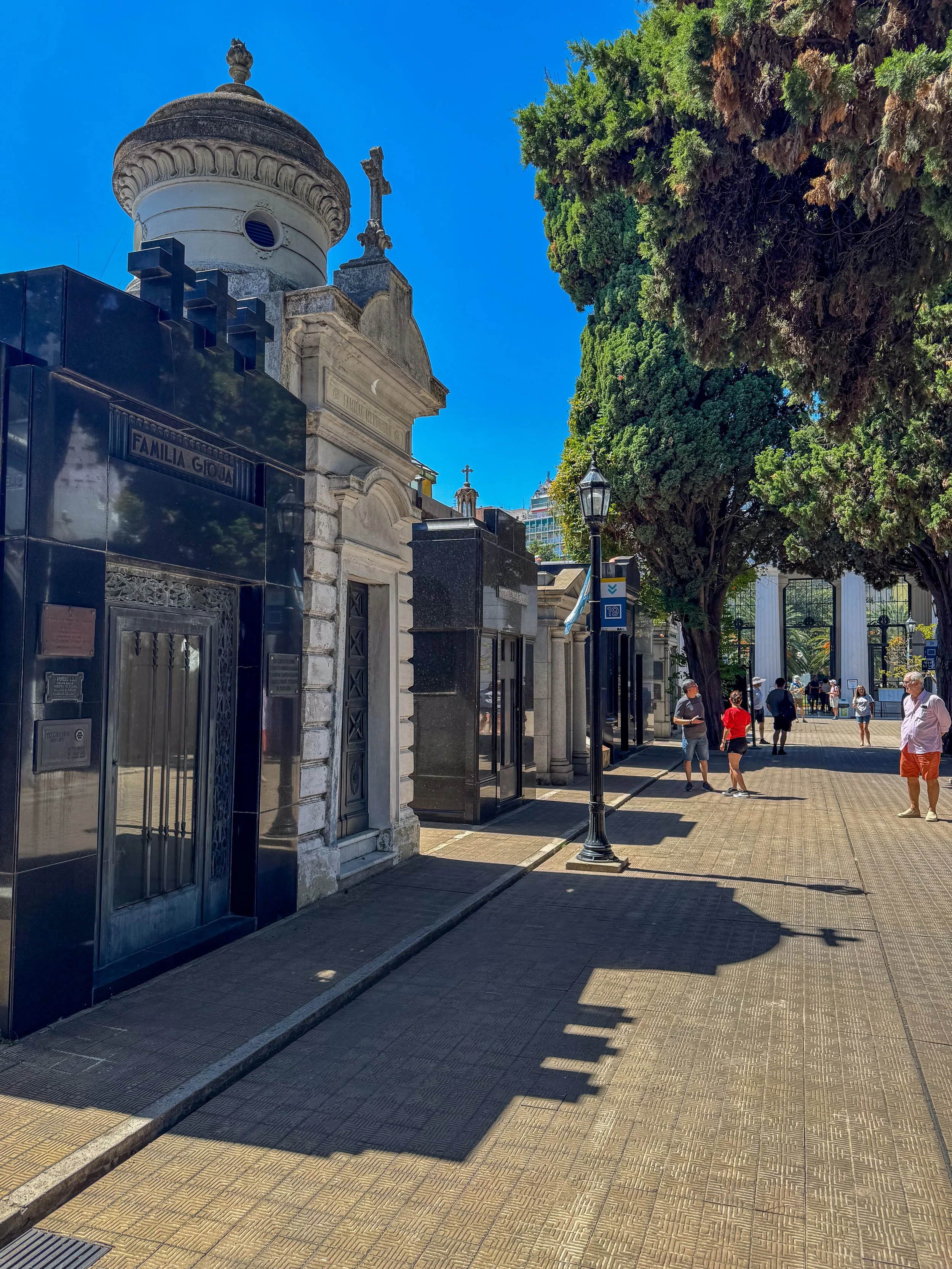
La Recoleta Cemetery is one of the most famous and beautiful cemeteries in the world. It is also where Eva Perón is buried. The cemetery feels like a small city of mausoleums.
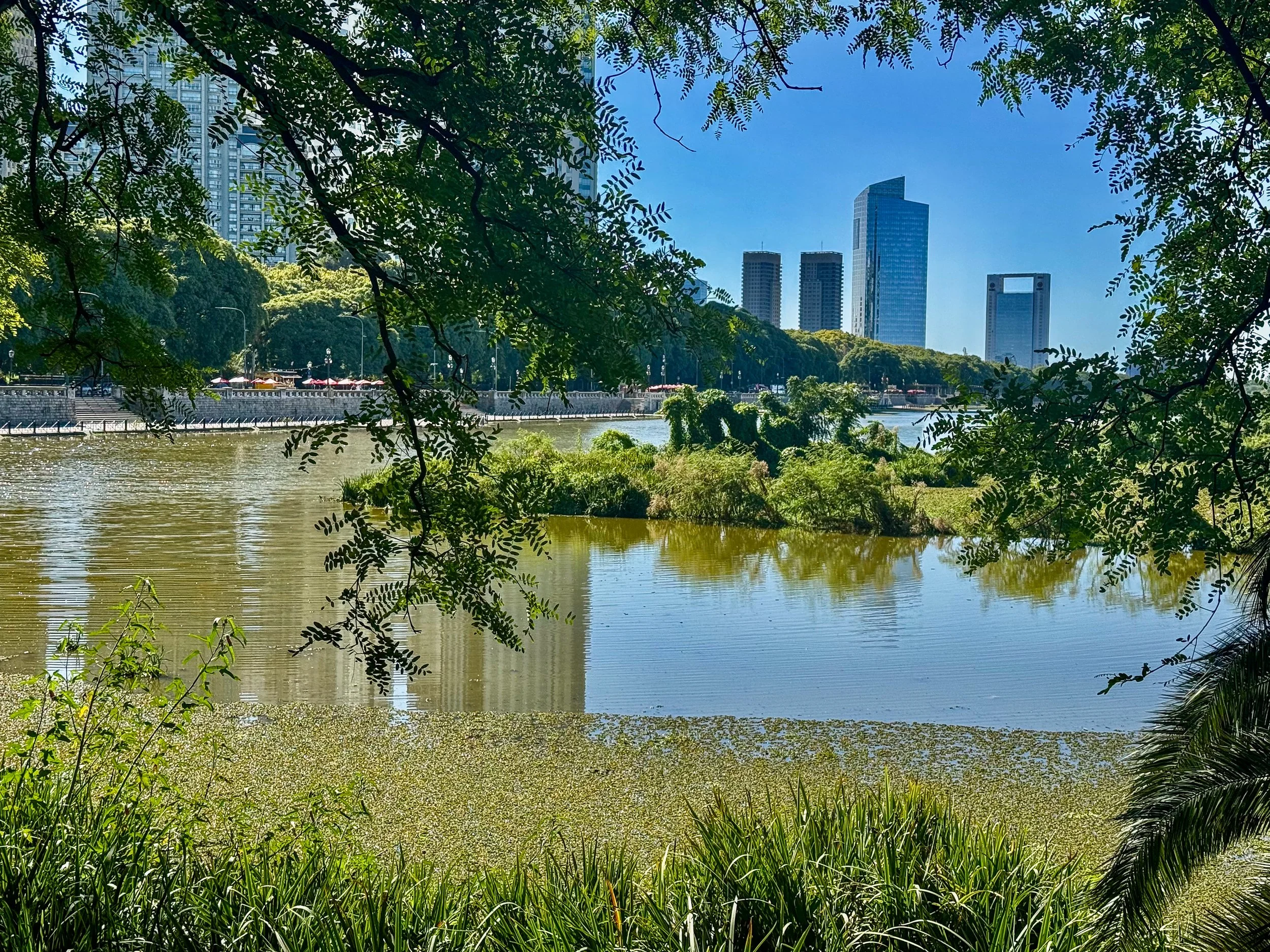
Near our hotel was a nature preserve with great running trails.
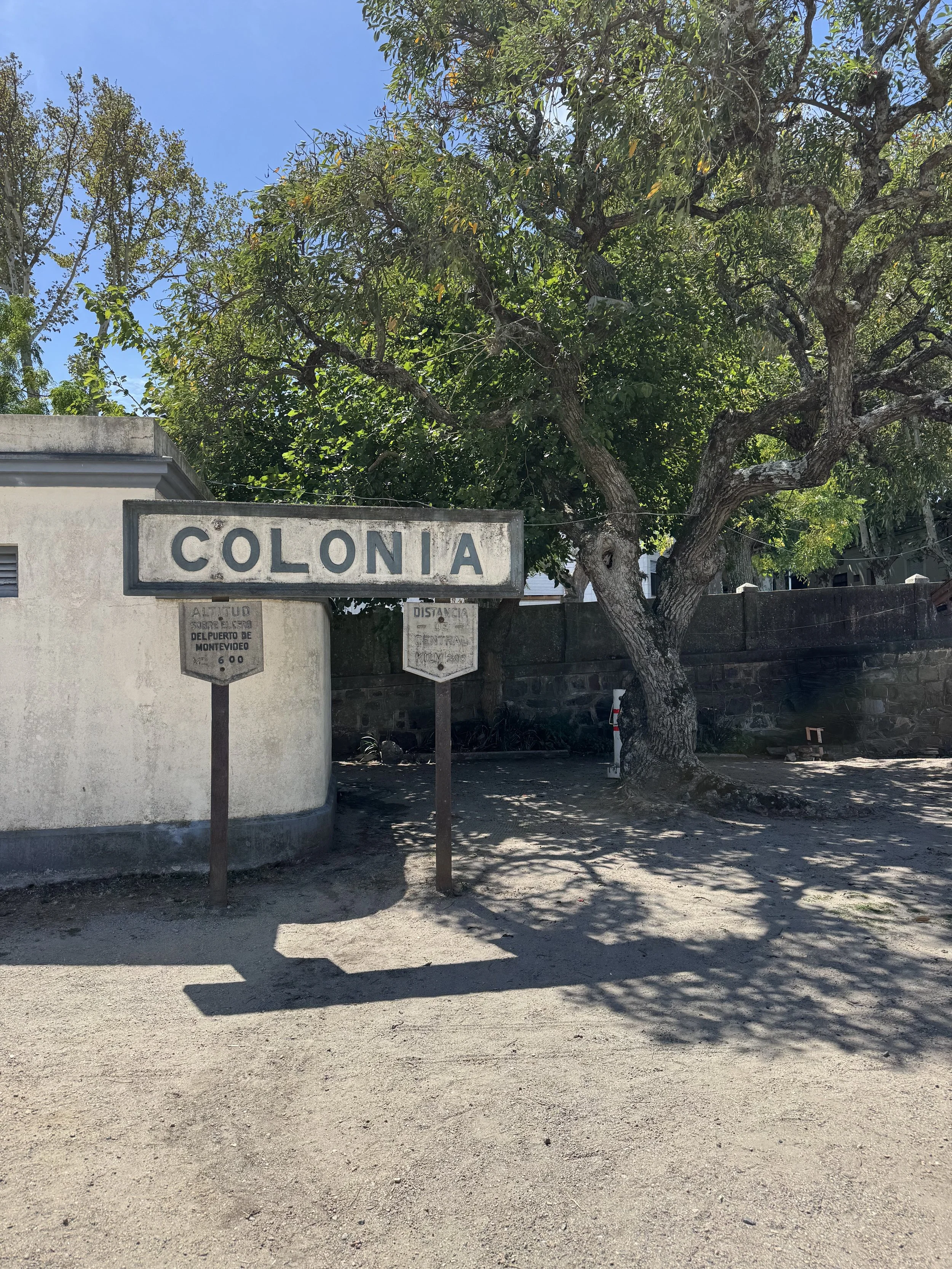
We had one free day and we took the ferry across the Rio de la Plata to Colonia, Uruguay. Colonia was founded in 1680 by the Portuguese and was contested by Spain and Portugal for many years.
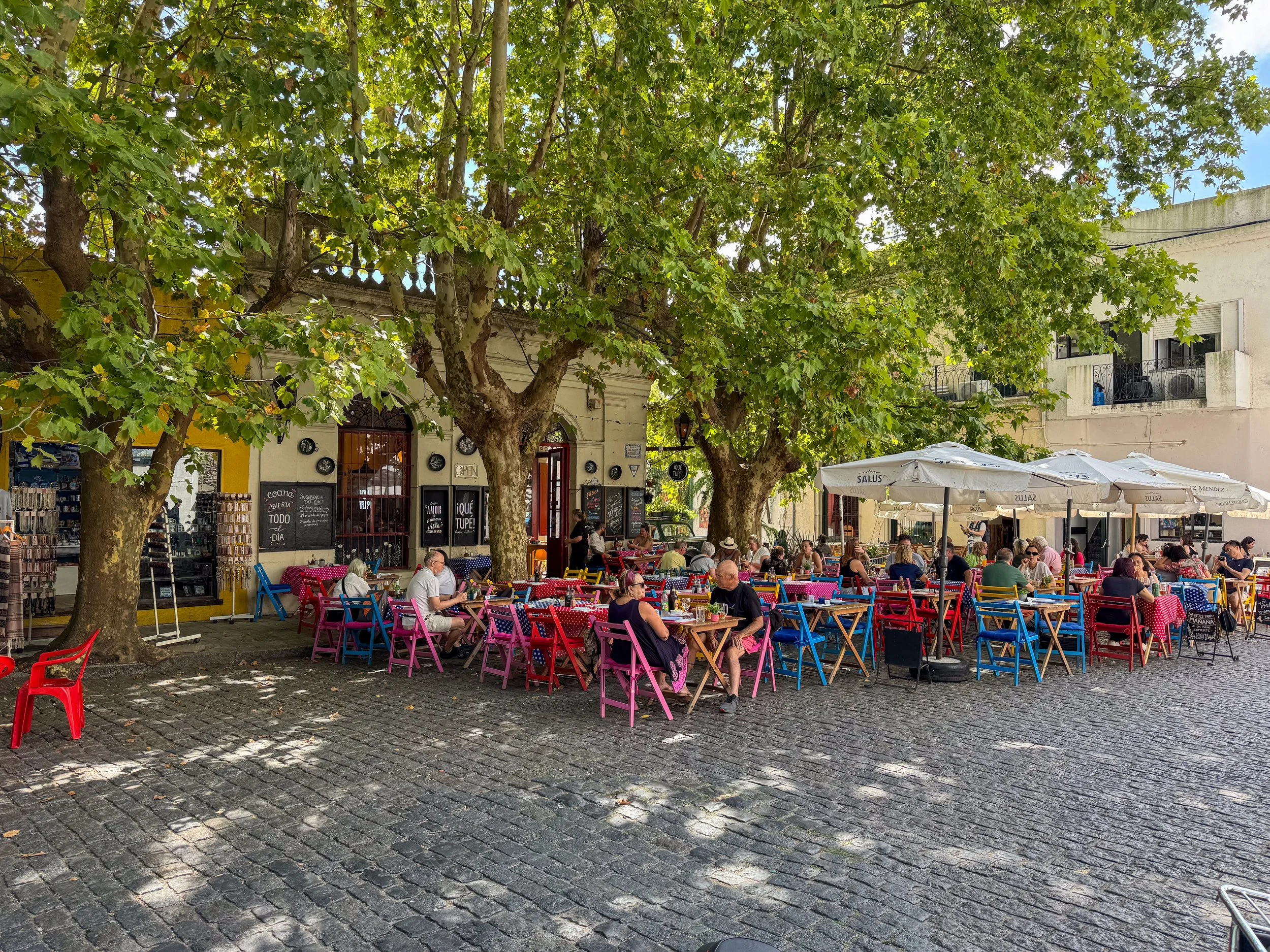
The historic quarter is a quiet area of cobblestone streets and outdoor restaurants.
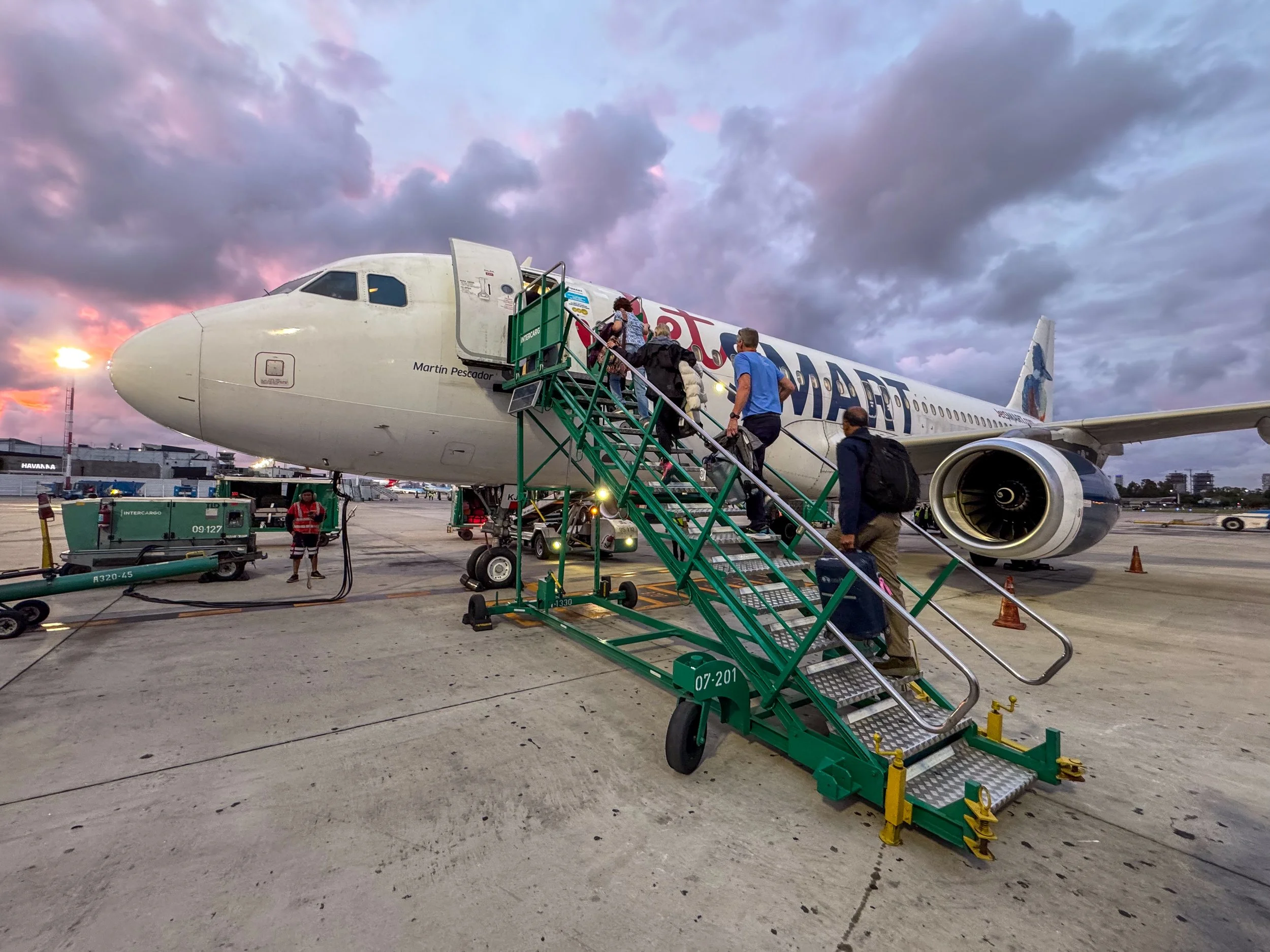
After three days in Buenos Aires it was time to take our charter flight to Ushuaia.
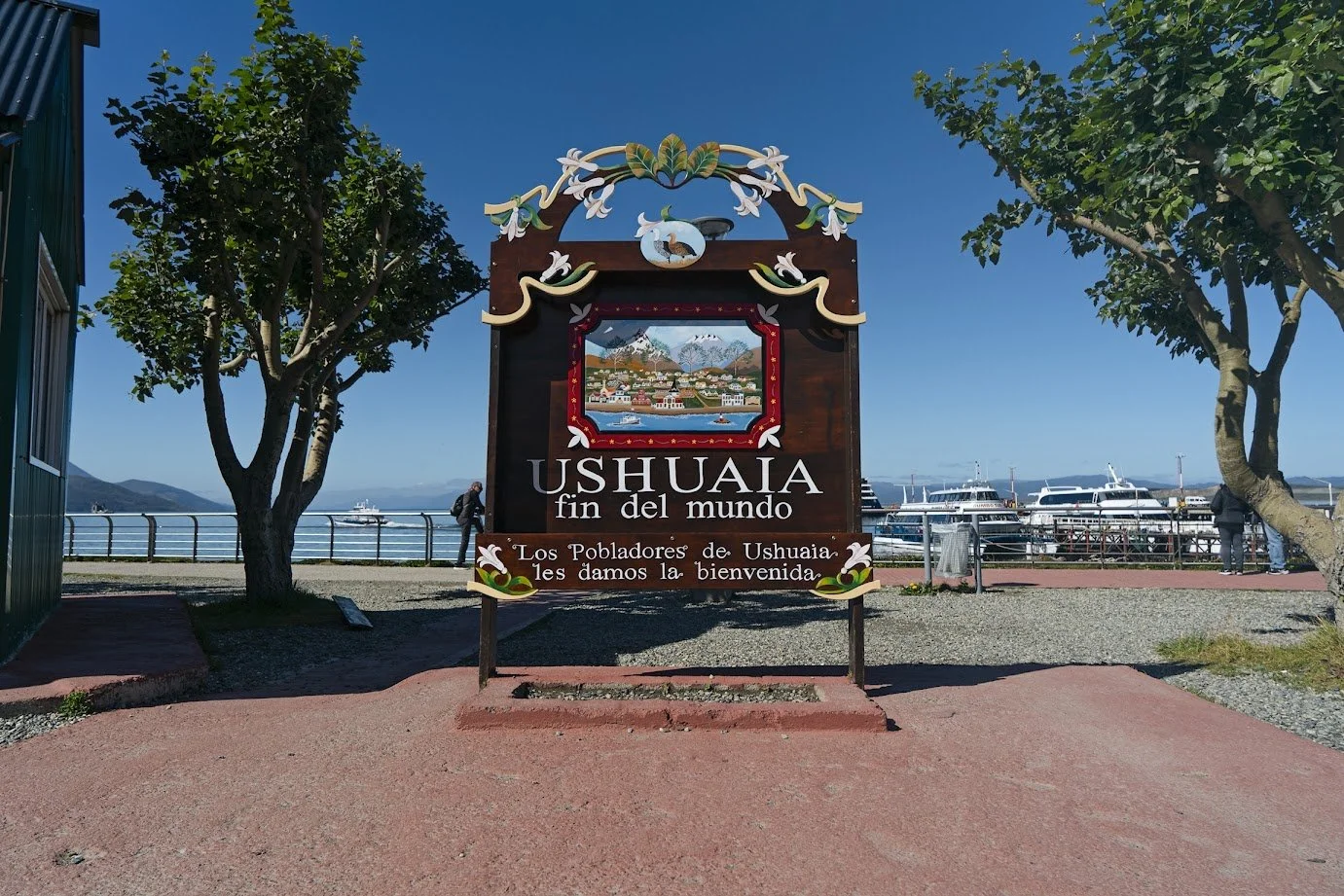
Ushuaia is the southernmost city in the world, located at the tip of South America on the island of Tierra del Fuego, between the snow-covered Andes Mountains and the cold waters of the Beagle Channel. It is the main launch point for Antarctic expeditions.
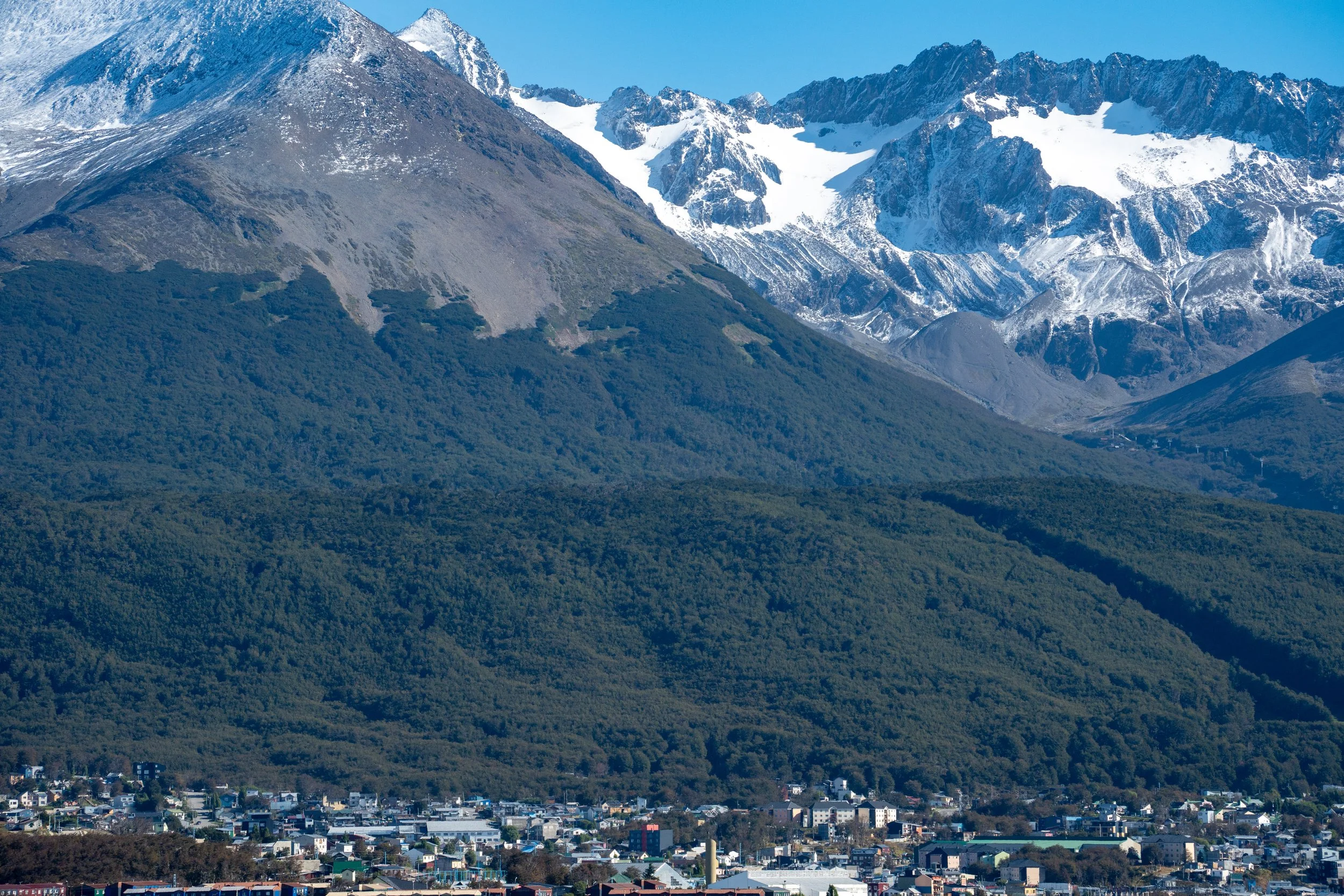
The town of Ushuaia with the Andes mountains rising above.
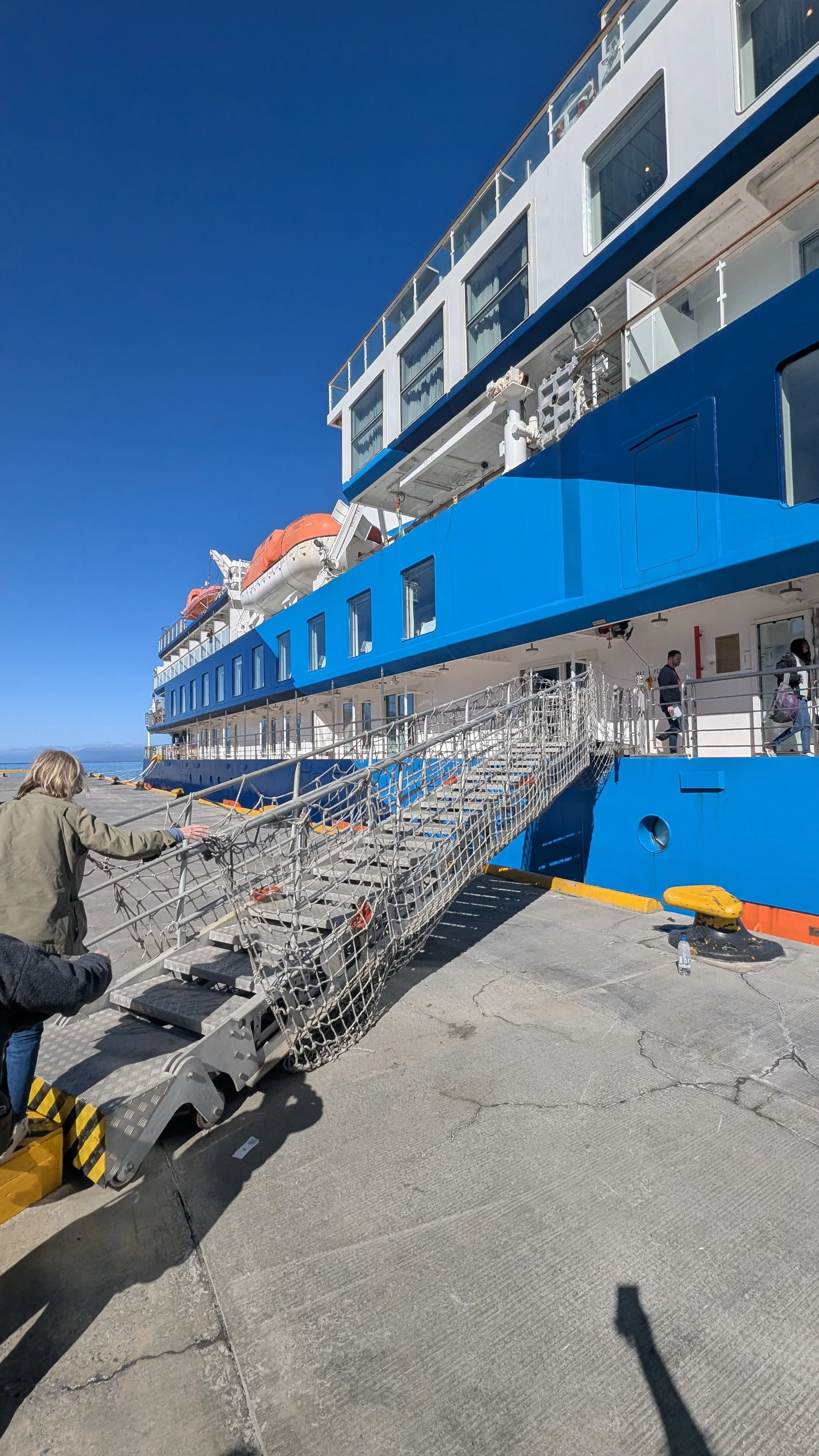
After a short day in Ushuaia we boarded the Ocean Victory. The Ocean Victory is a polar ice breaker with 93 cabins that was built in 2022. It is considered one of the most modern small ship vessels in the industry.
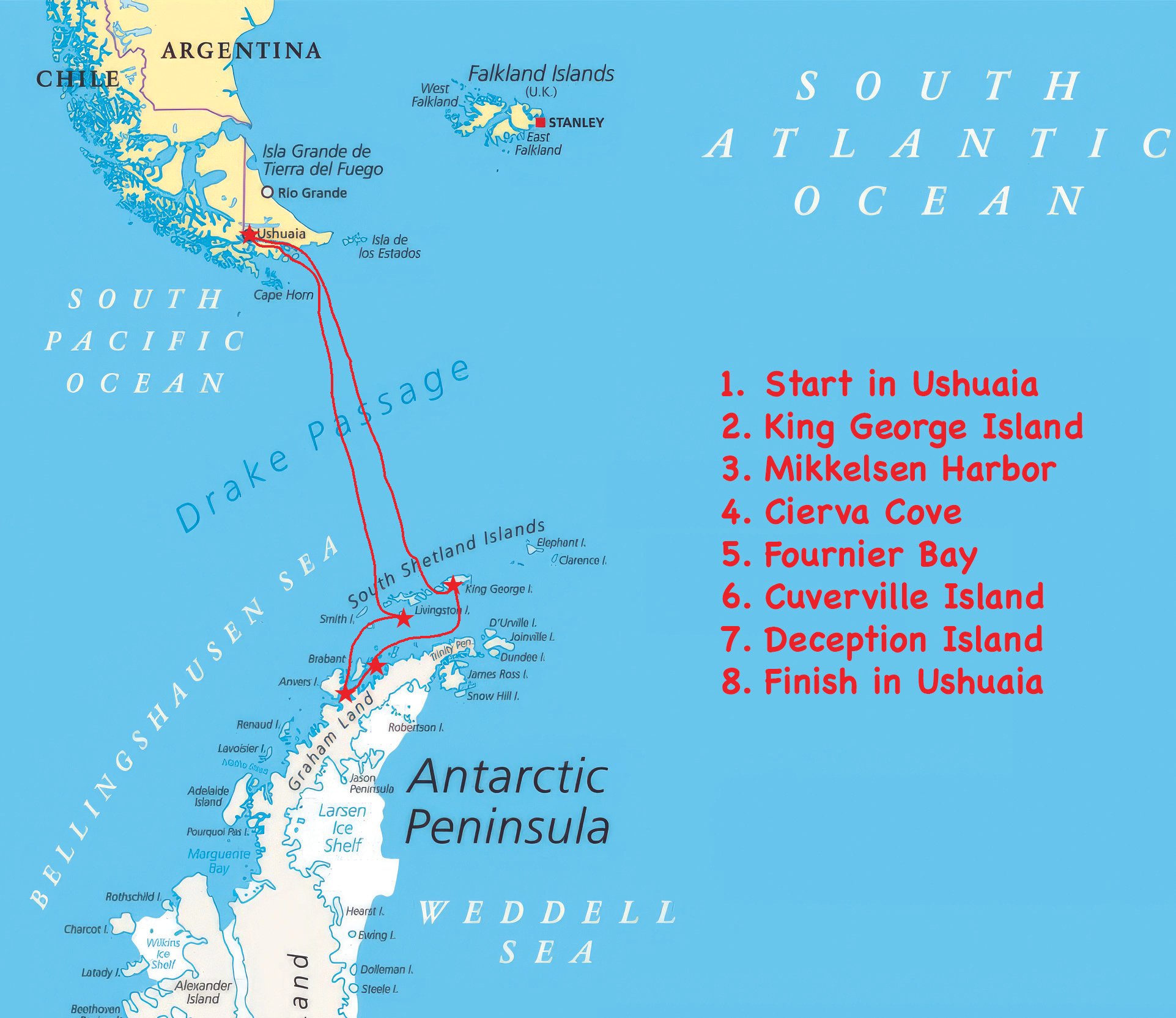
This graphic shows our 10 day voyage from Ushuaia to Antarctica and back. There is no public lodging in Antarctica and you have to sleep on the ship unless you are working at a research station.
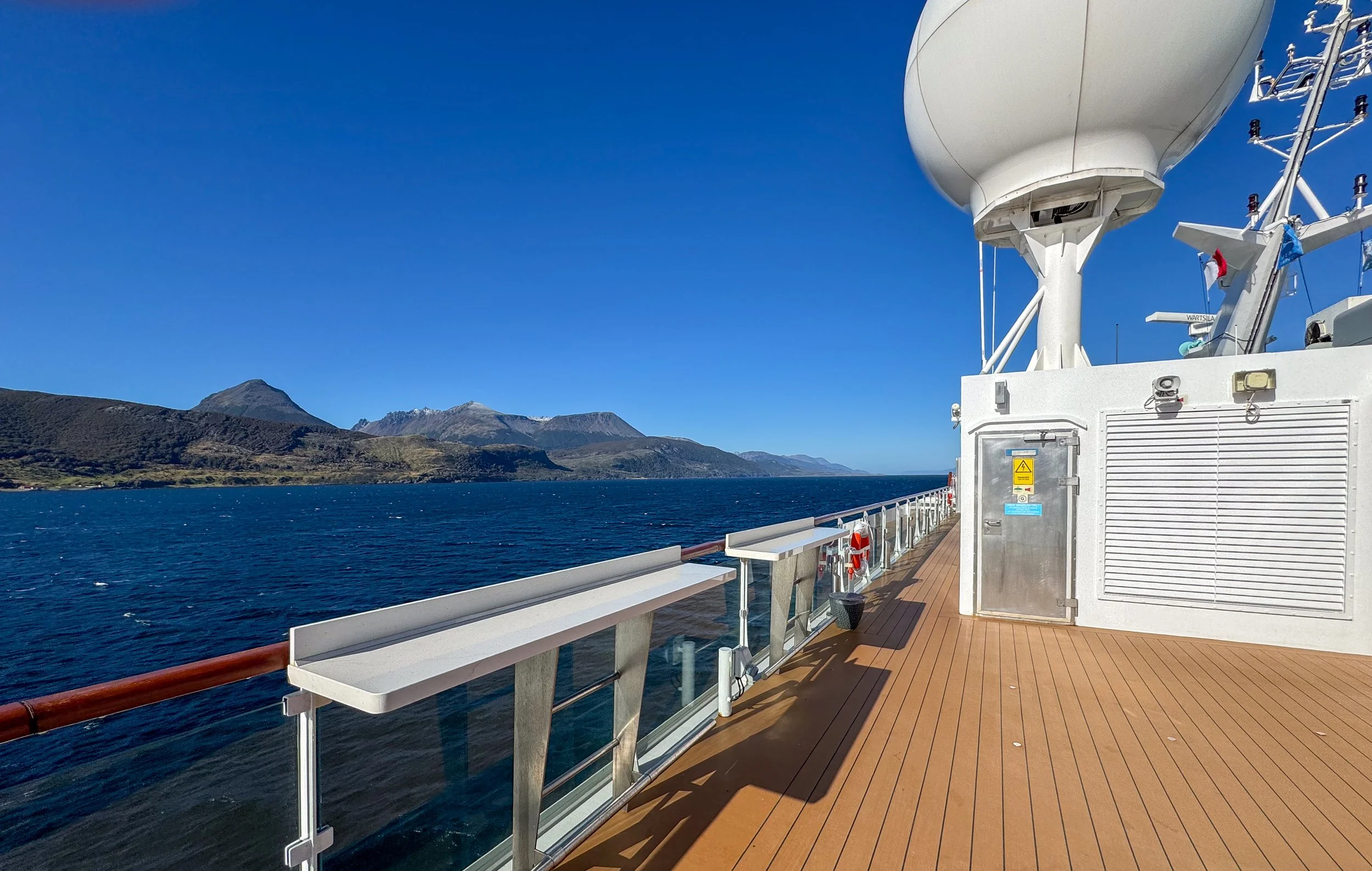
After leaving Ushuaia we sailed through the Beagle Channel toward the Drake Passage. The Beagle Channel is named after the HMS Beagle on which Charles Darwin sailed aboard. The Brits being Brits, named their navy ships after dogs breeds.
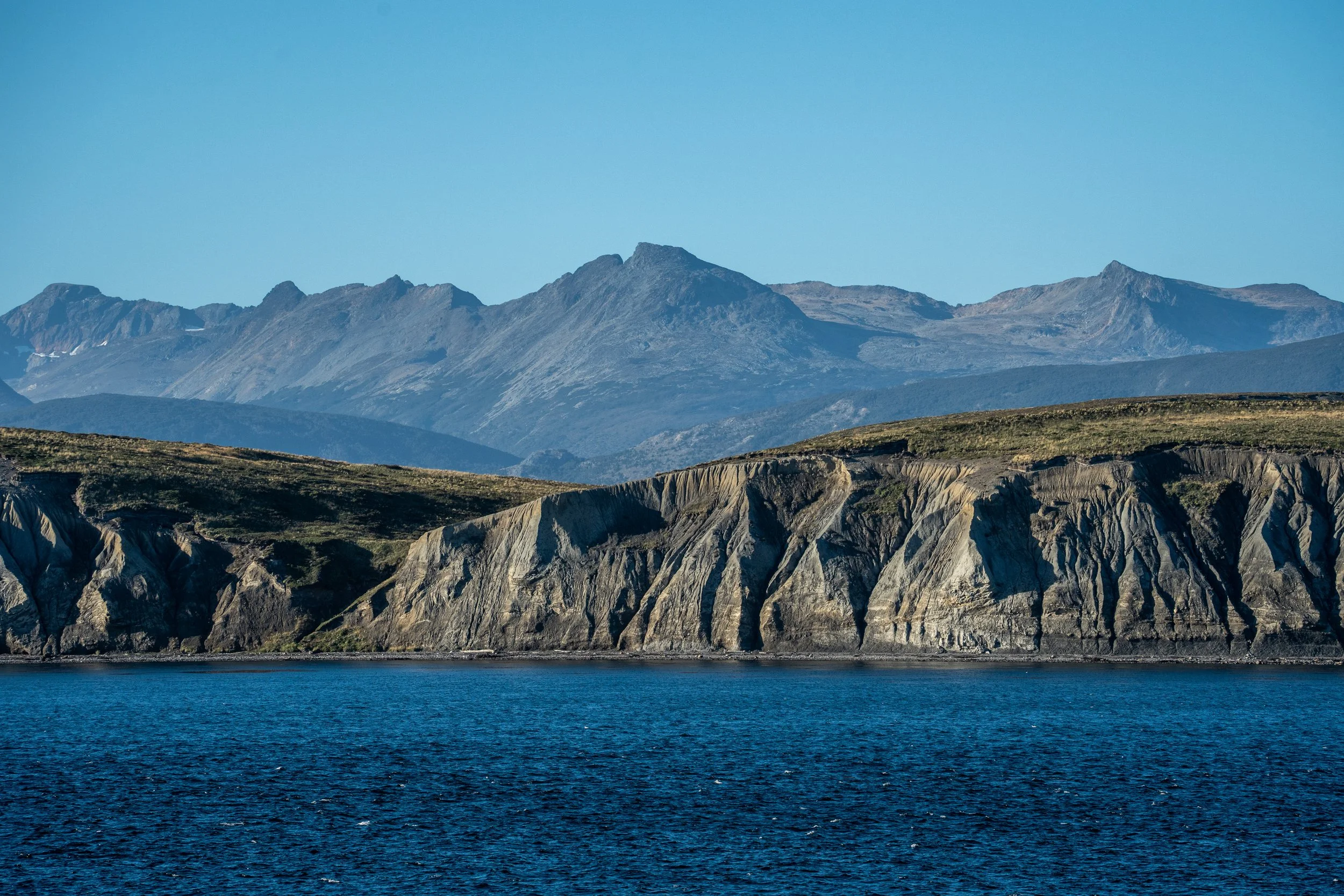
Looking out at Tierra del Fuego from the Beagle Channel.
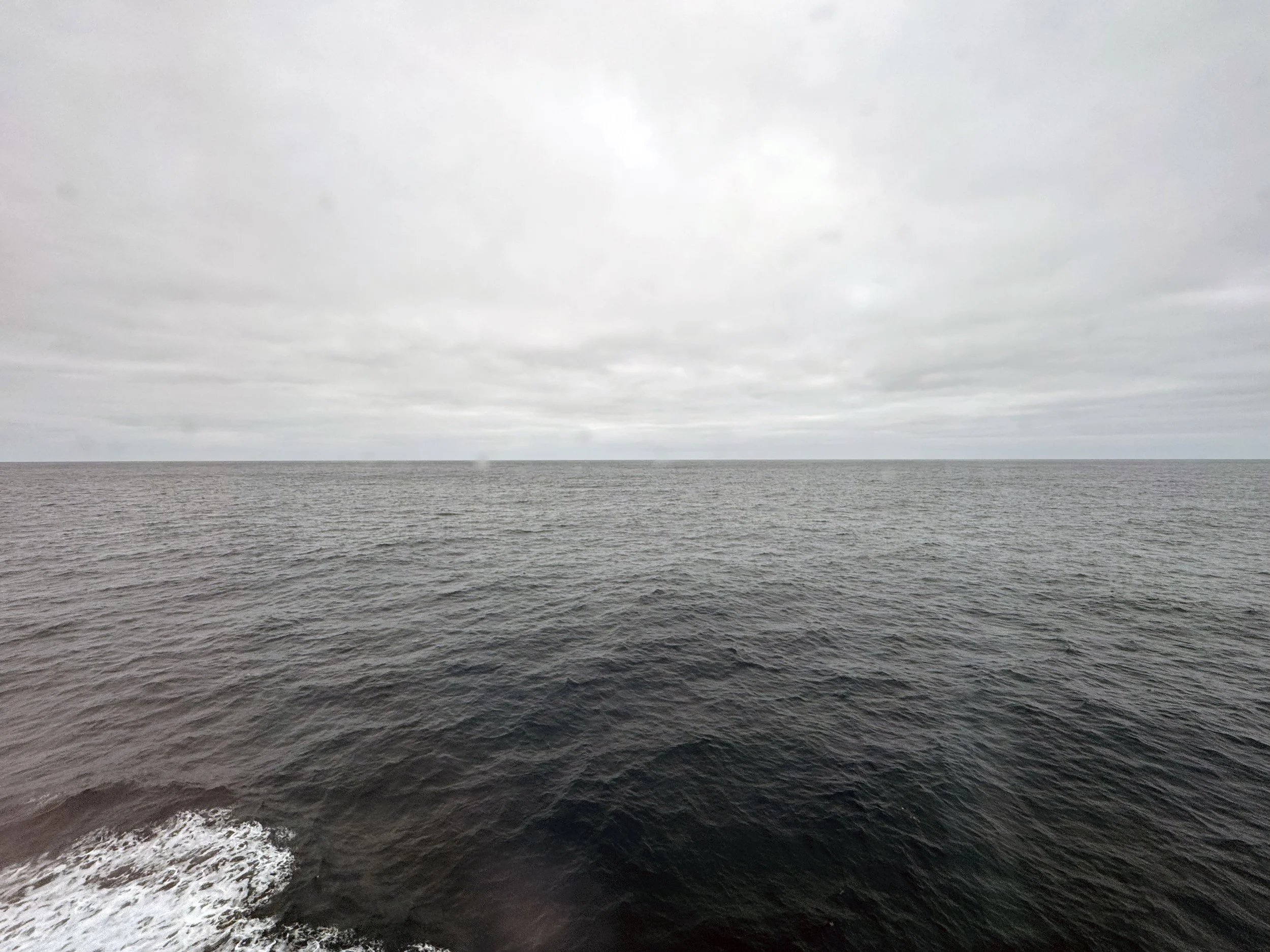
After several hours we left the Beagle Channel and headed out into the Drake Passage. The Drake Passage is a 600 mile section of ocean between Cape Horn at the tip of South America and the Antarctic Peninsula and is where the Atlantic and Pacific oceans meet. It is known for having the roughest seas on earth. Our voyage to Antarctica was very calm and crew members who have sailed the Drake for decades said they had rarely seen it this calm.
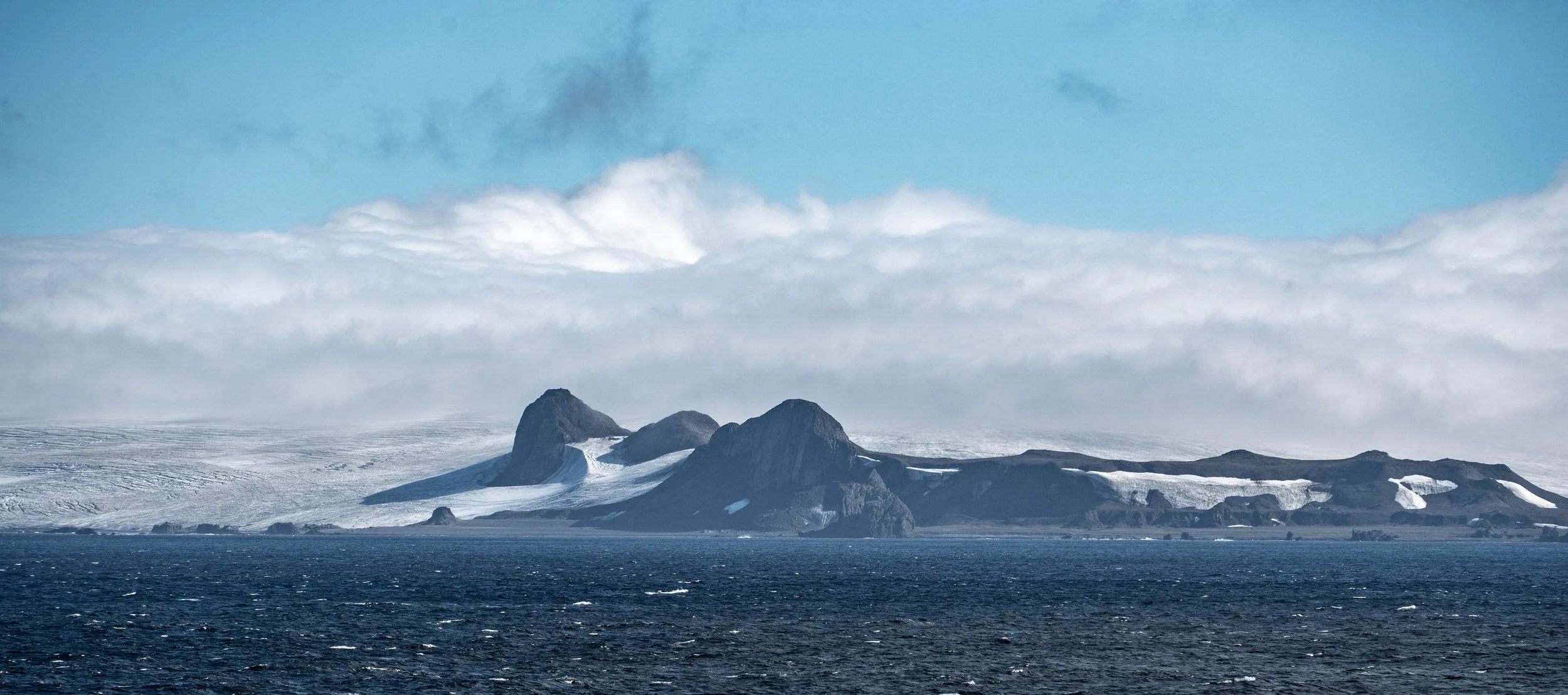
After a day and a half we were across the Drake Passage and got our first view of Antarctica. Our first destination was King George Island.
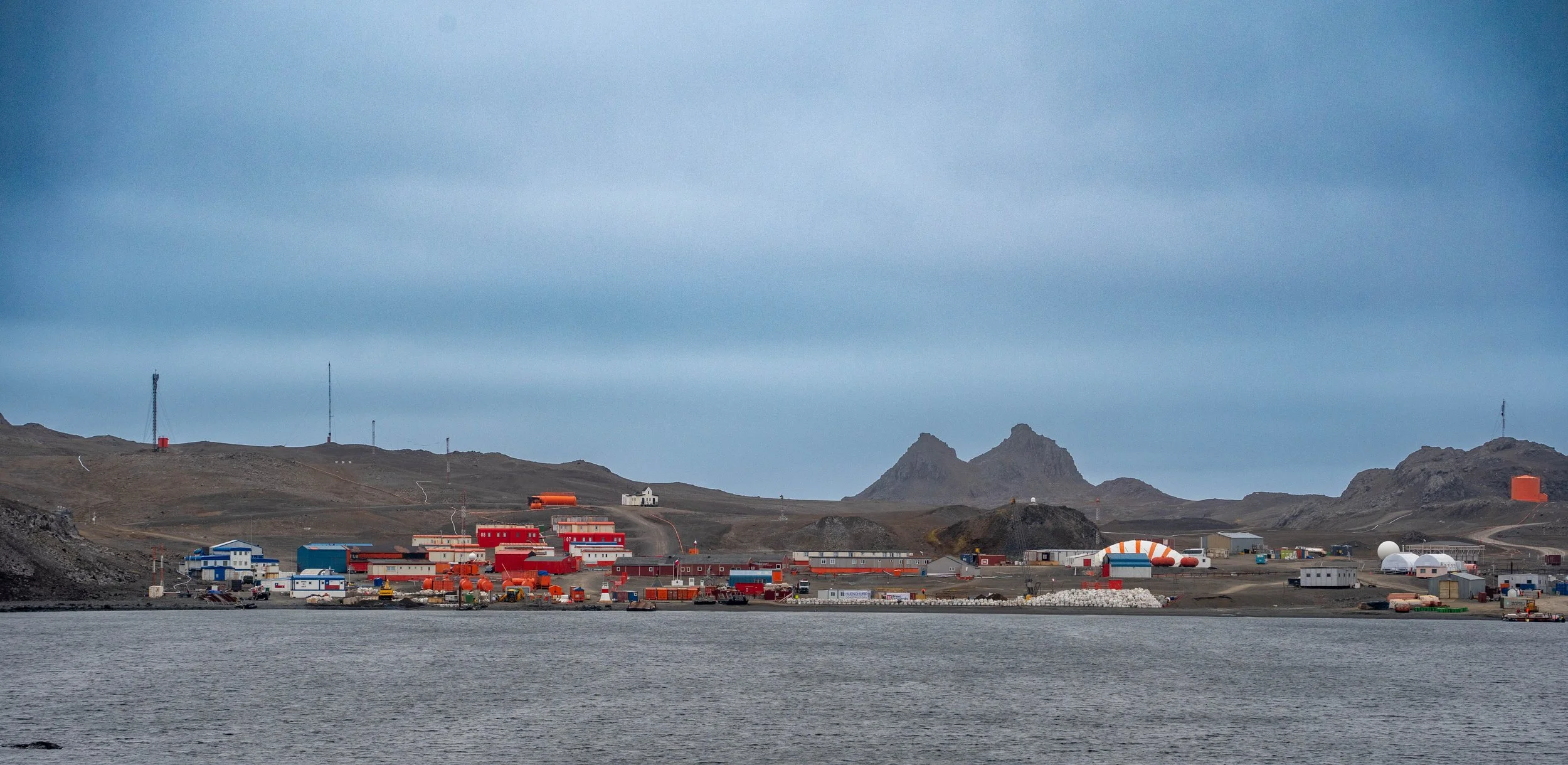
Our ship anchored in a King George Island bay and we could see the Bellinghausen Station (the Russian Antarctic research station) where the marathon would start. It was the end of Antarctic summer and the conditions were dryer than normal.
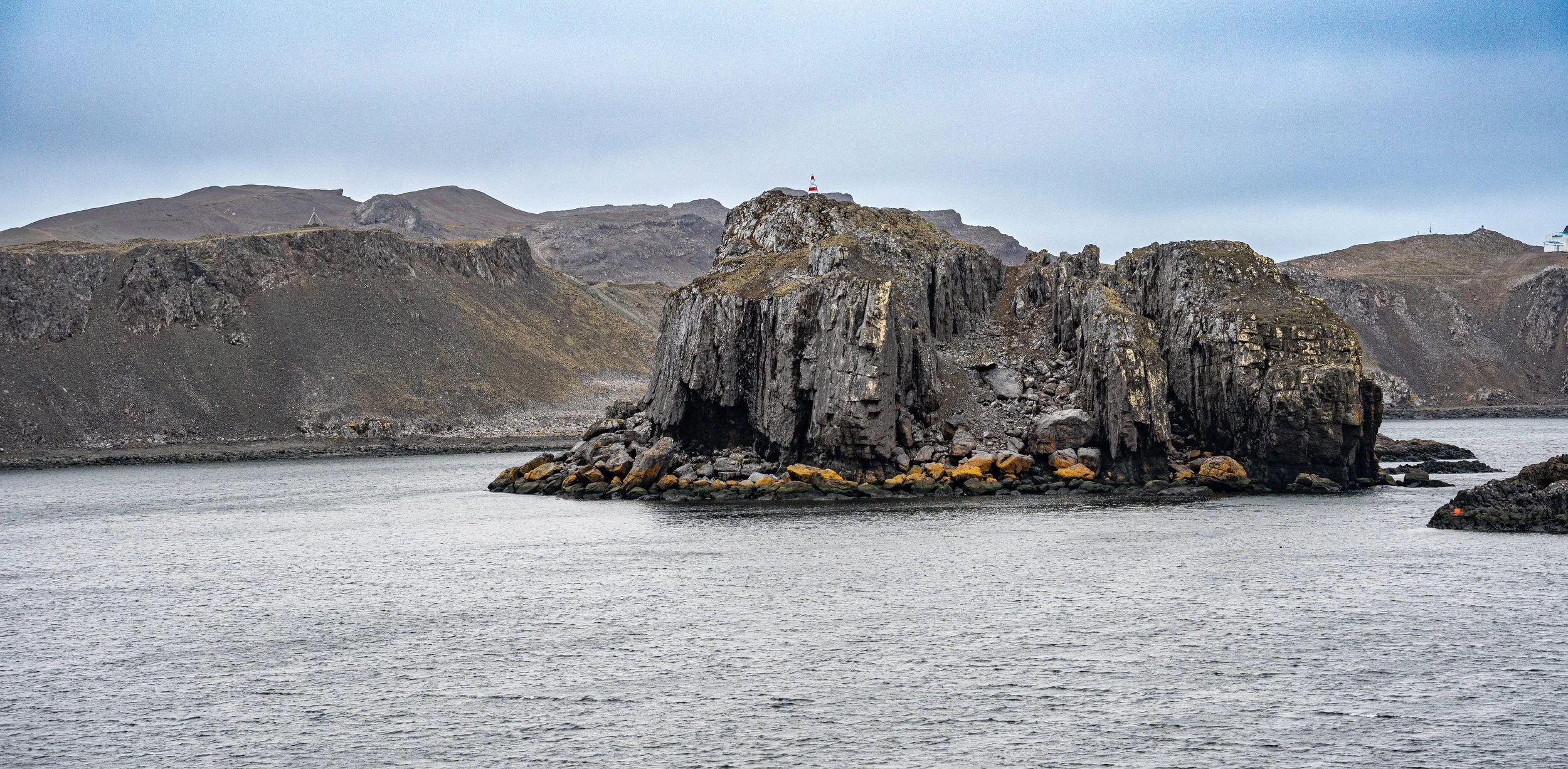
The afternoon after arrival we went for a zodiac cruise around King George Island.
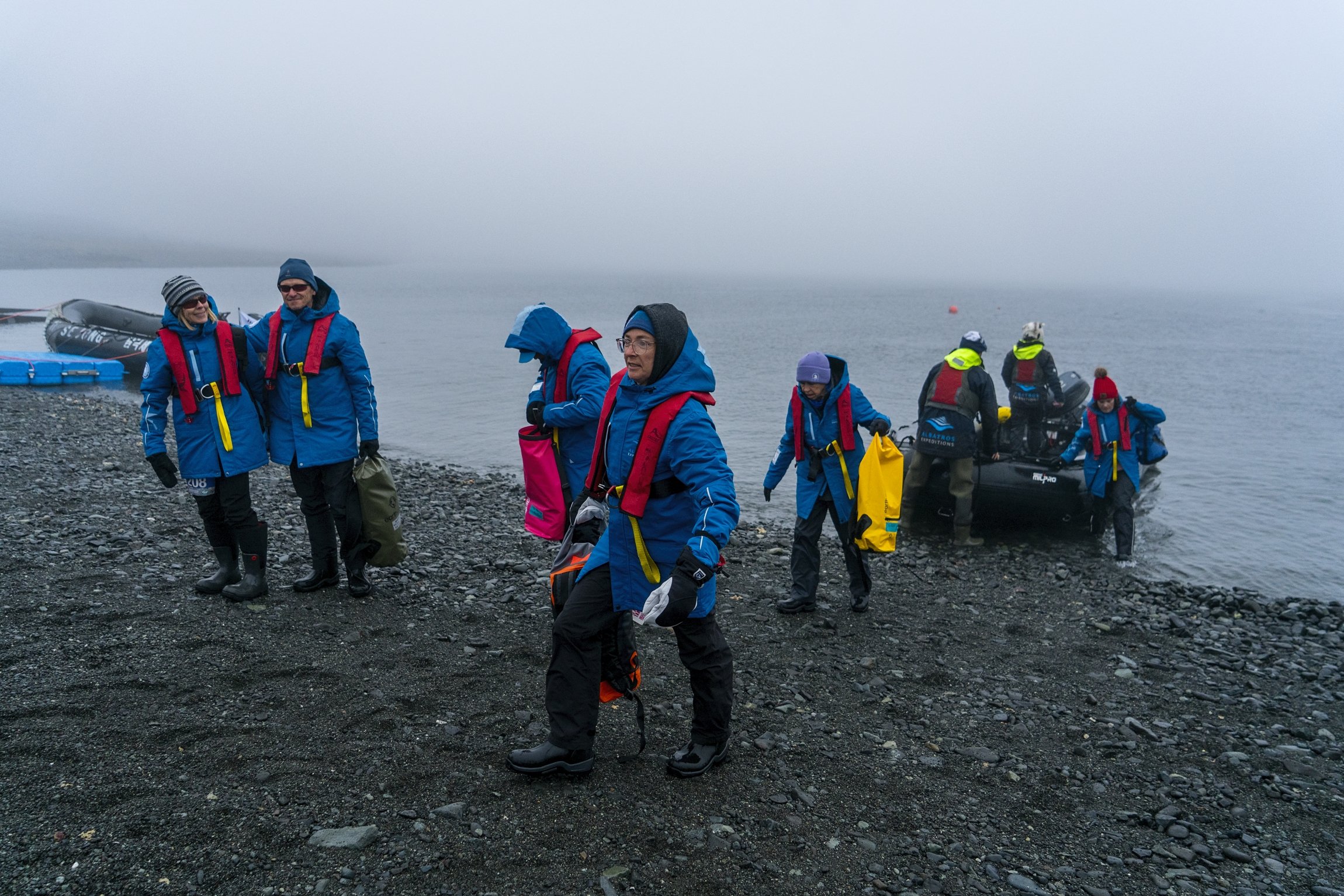
The morning of the marathon was very foggy. We took zodiacs to the start.
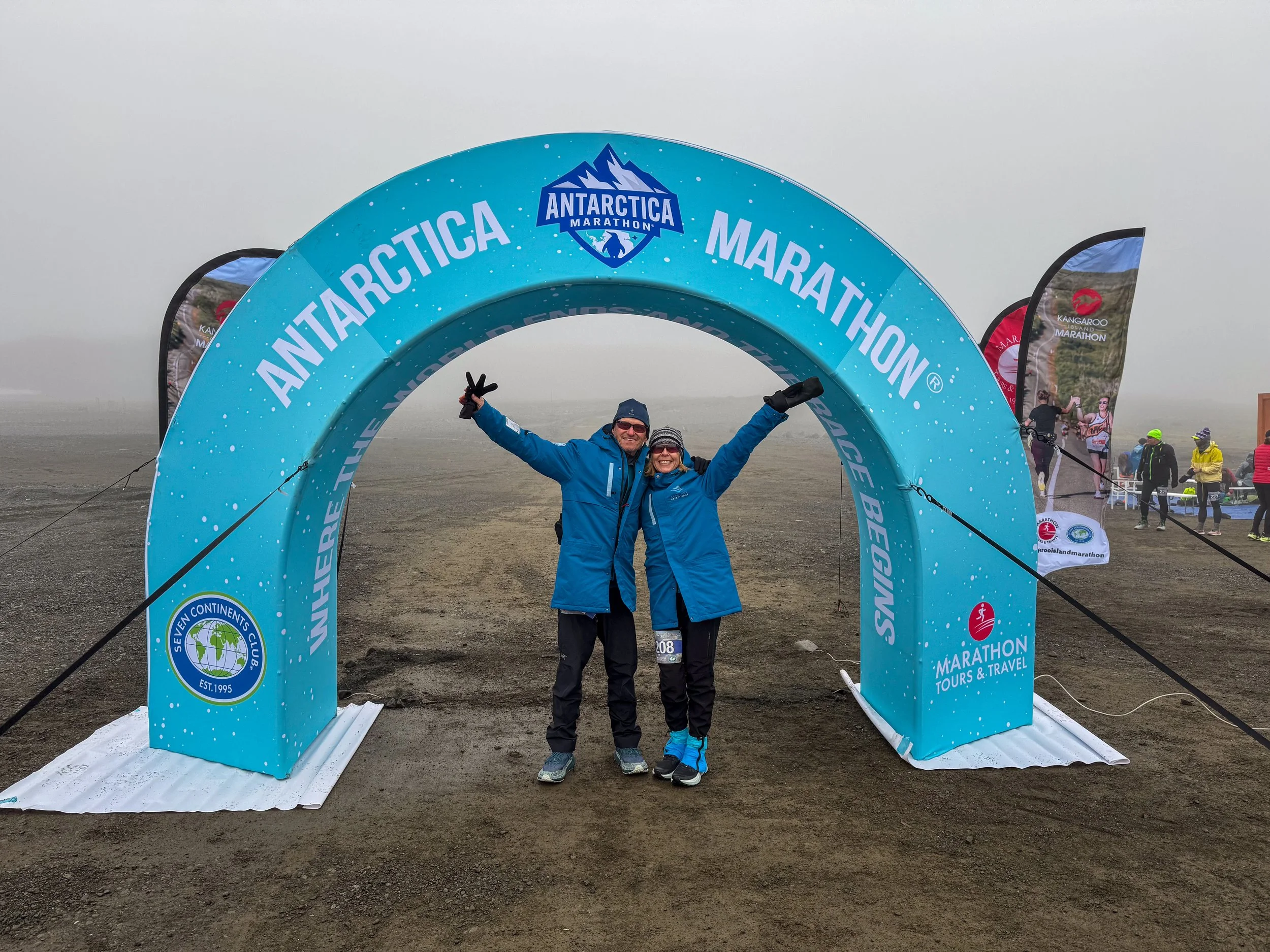
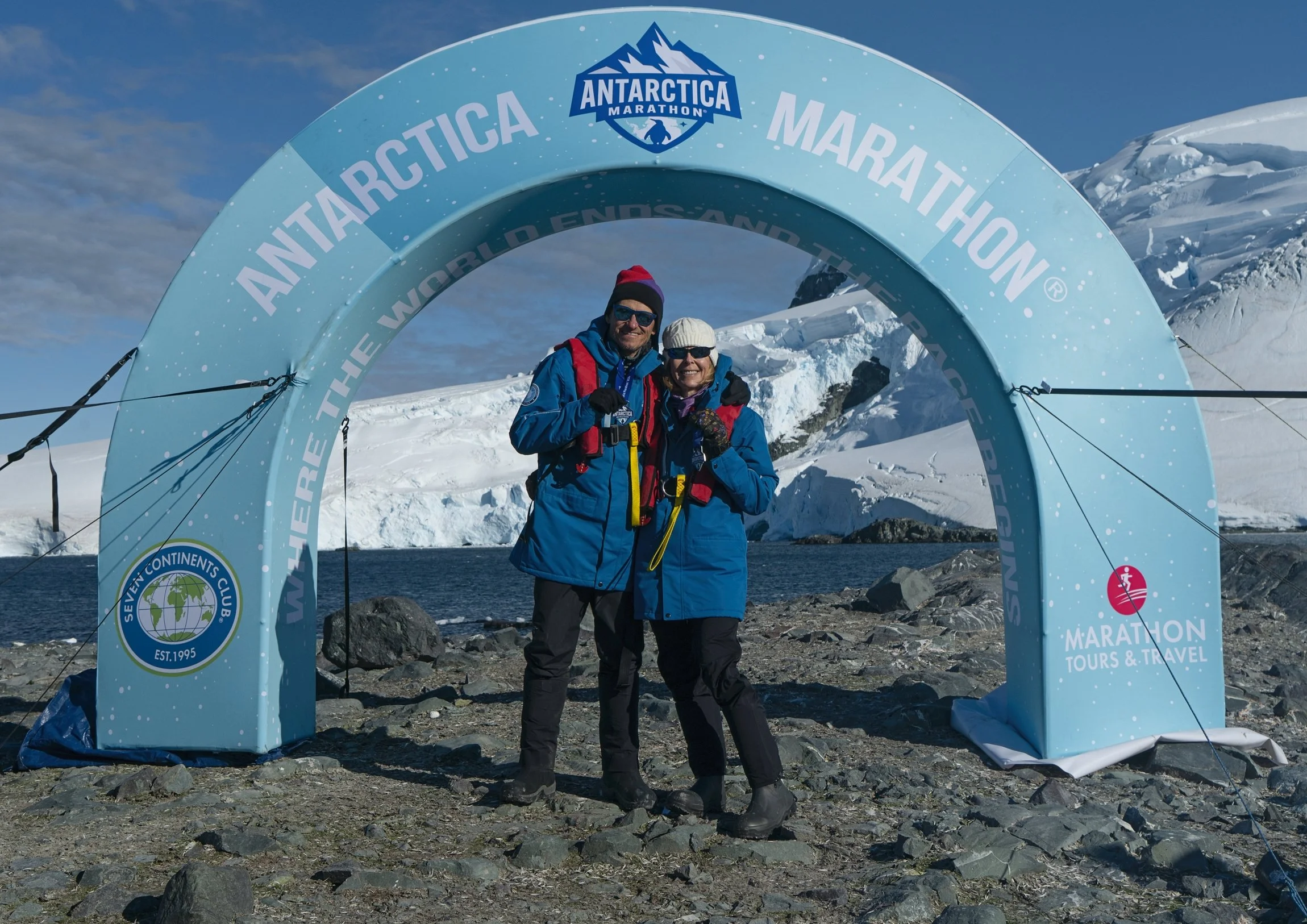
A start/finish line photo before the race began.
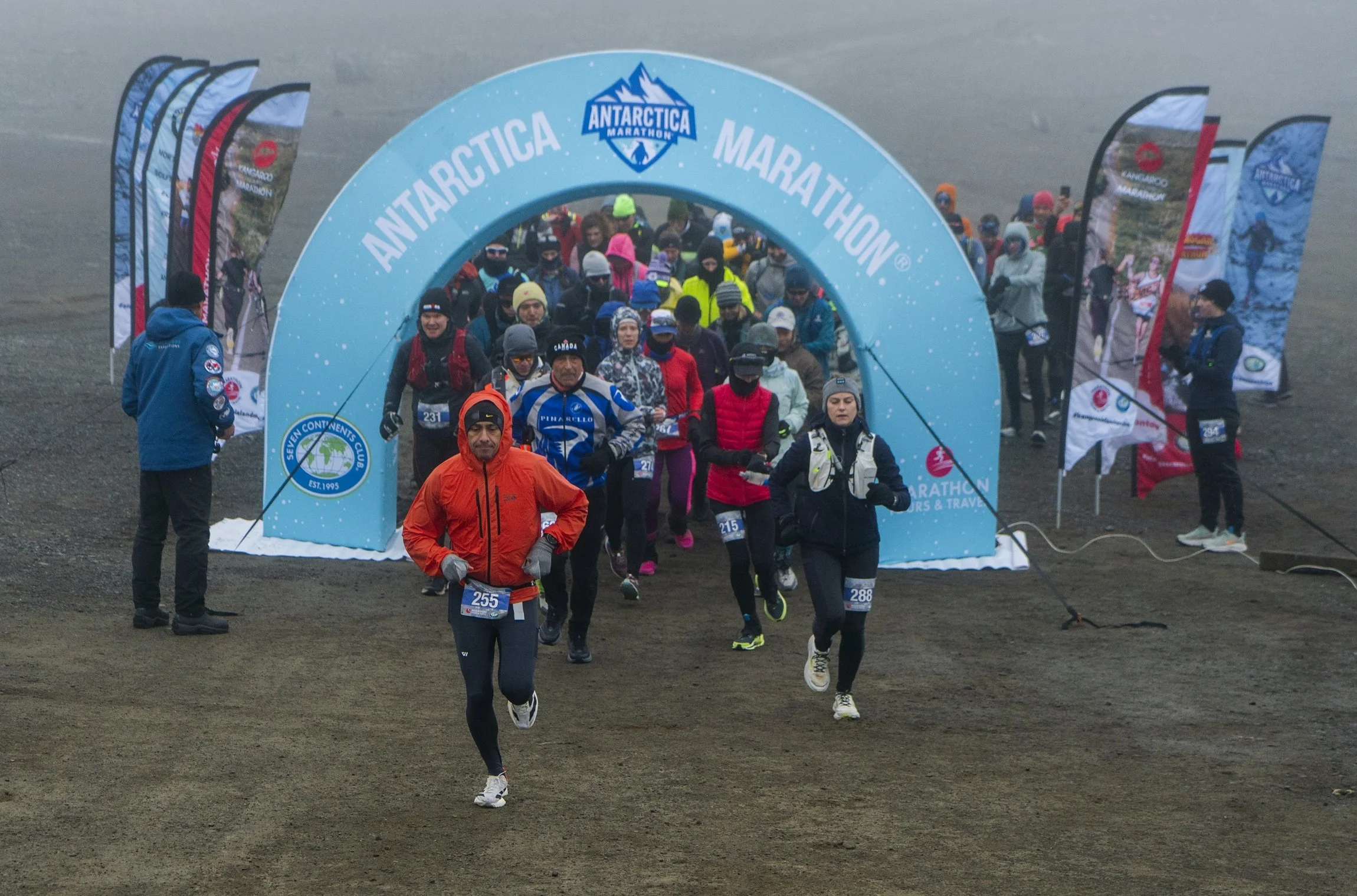
The start of the Antarctica Marathon. There were about 95 runners in the marathon including a few people from the research stations.
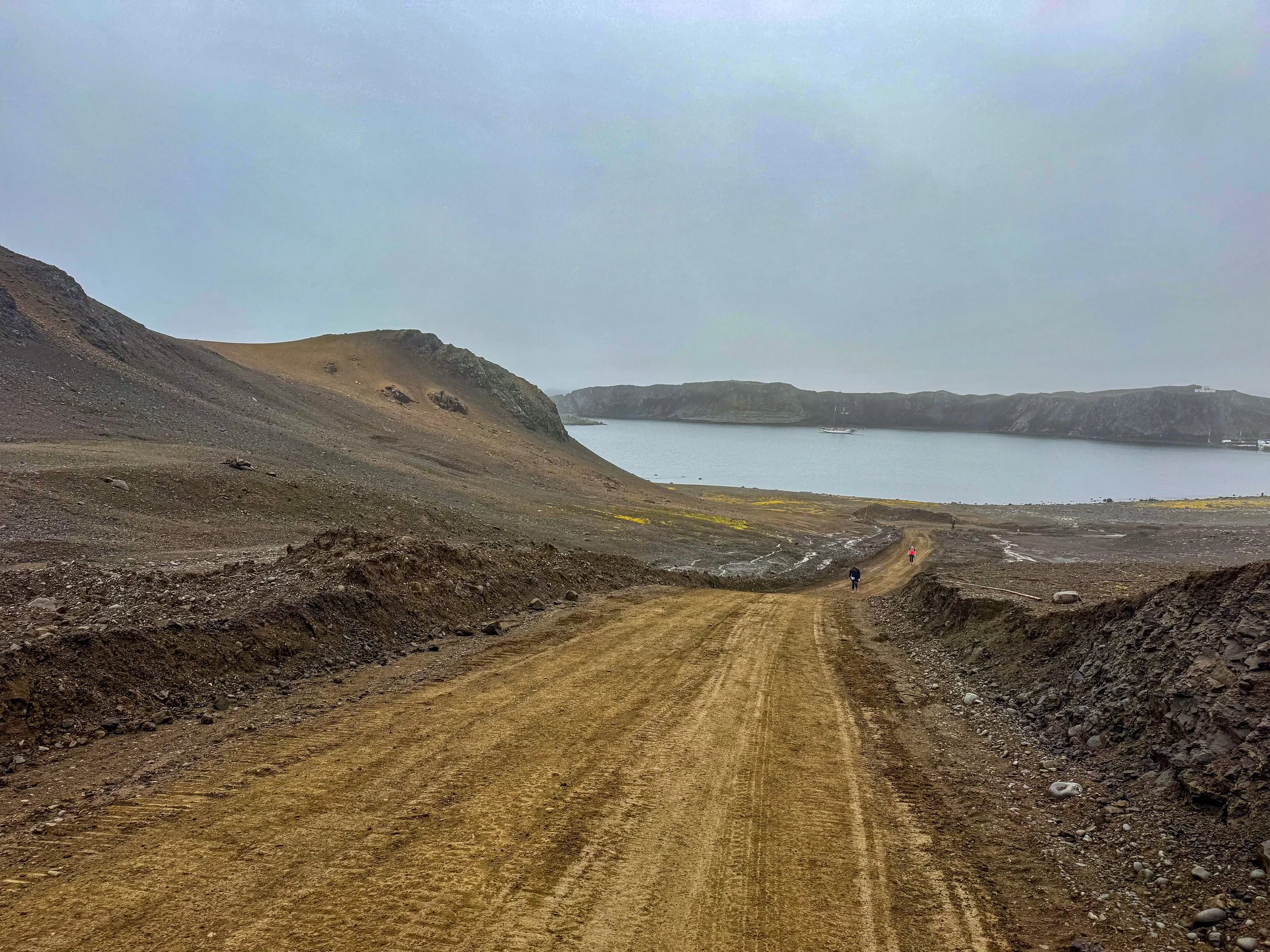
The course was three laps of the 9 mile road connecting the Chinese, Russian and Uruguayan research stations. We lucked out with fairly dry conditions.
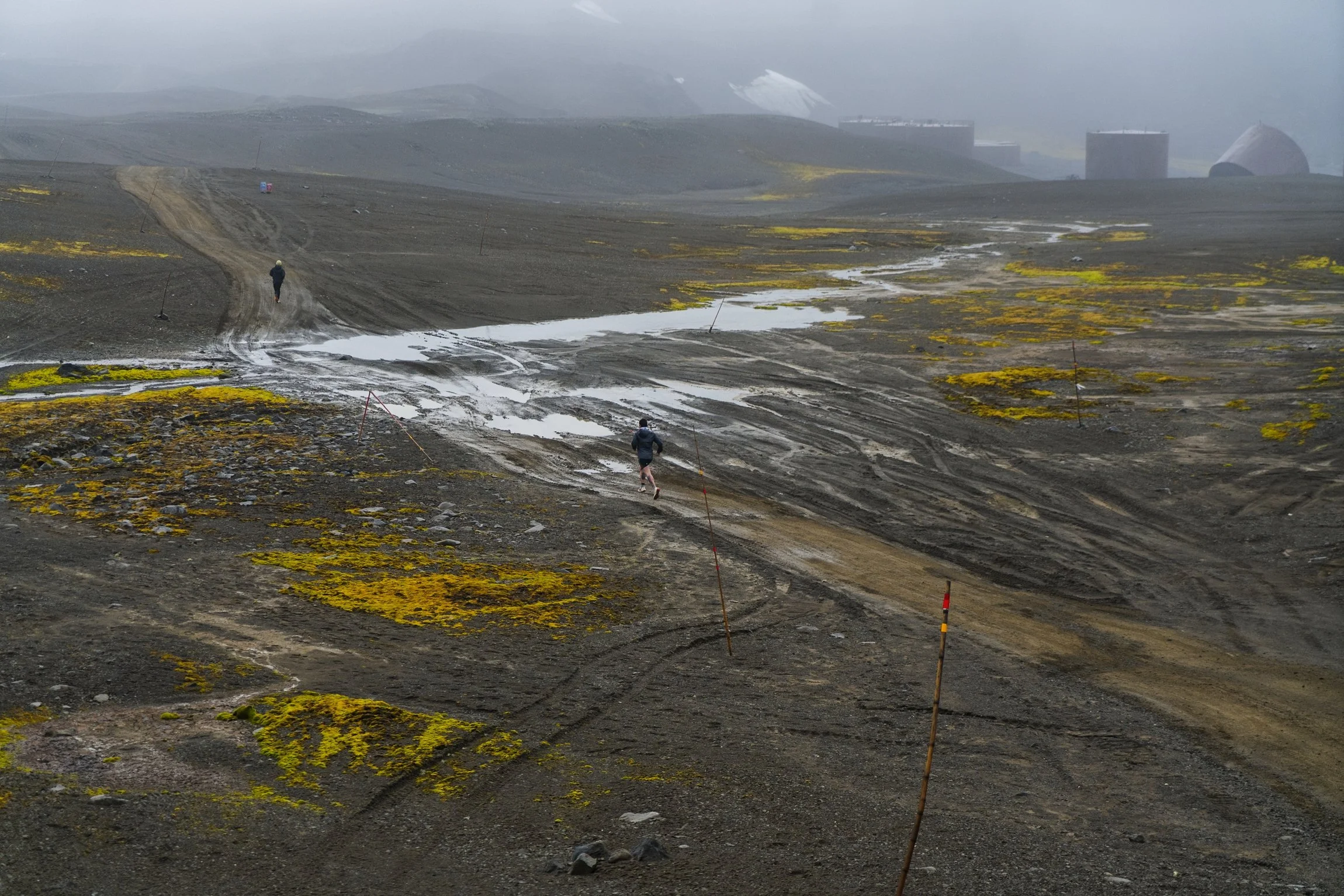
Although some sections of the course were still muddy. In some years, much of the course is like this.
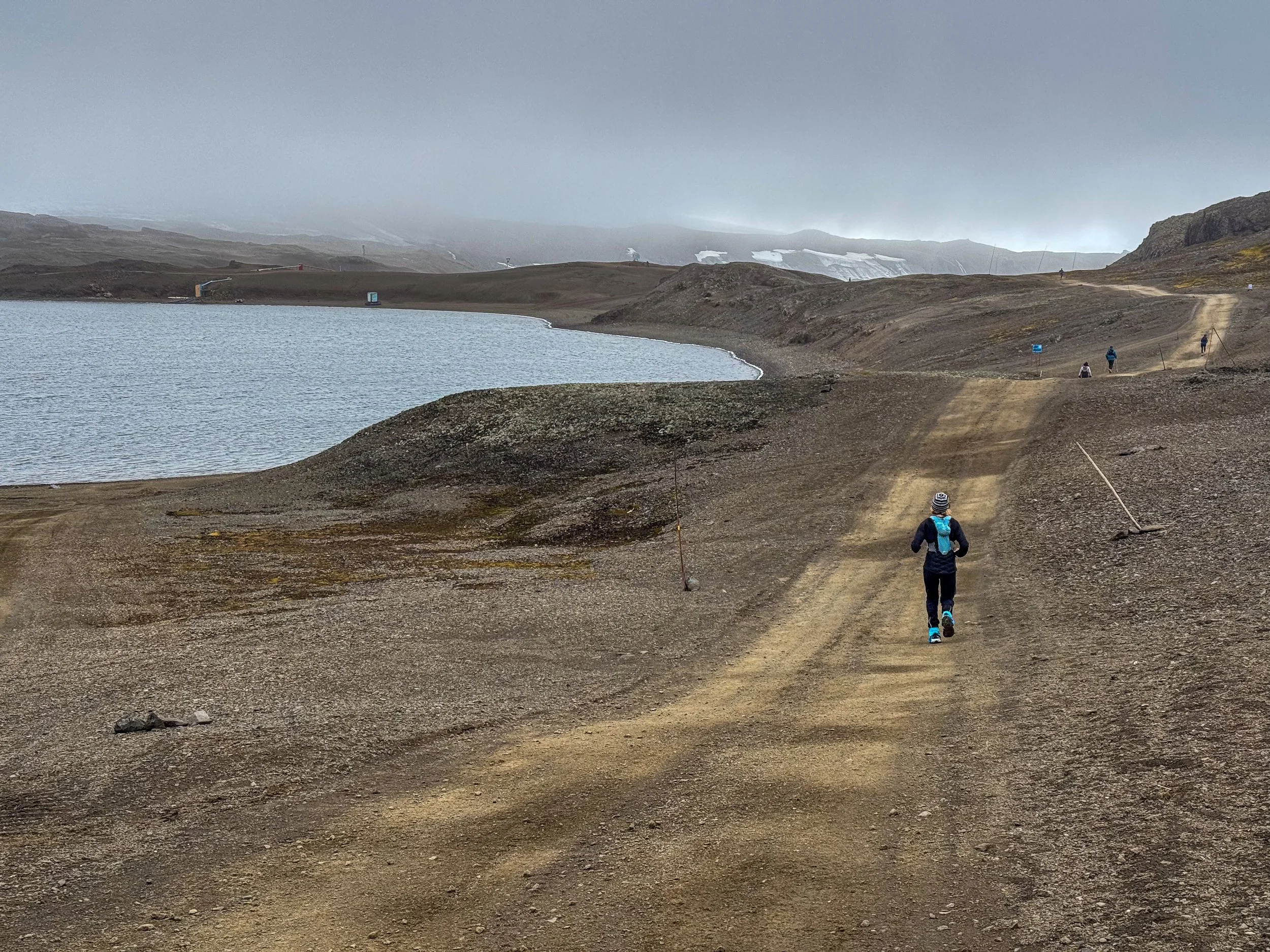
Staci running toward the turnaround near the Uruguayan research station.
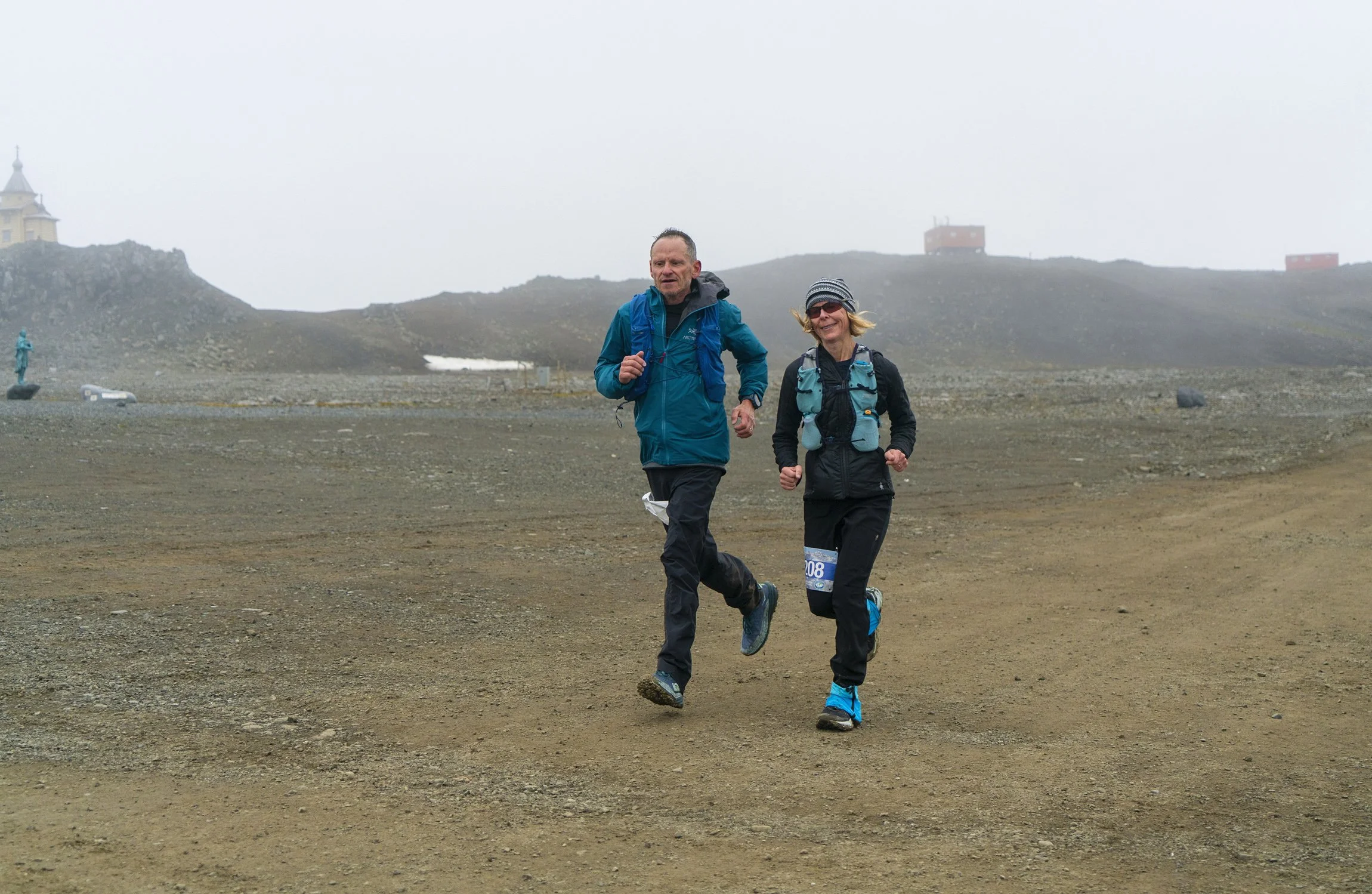
Rich & Staci nearing the finish.
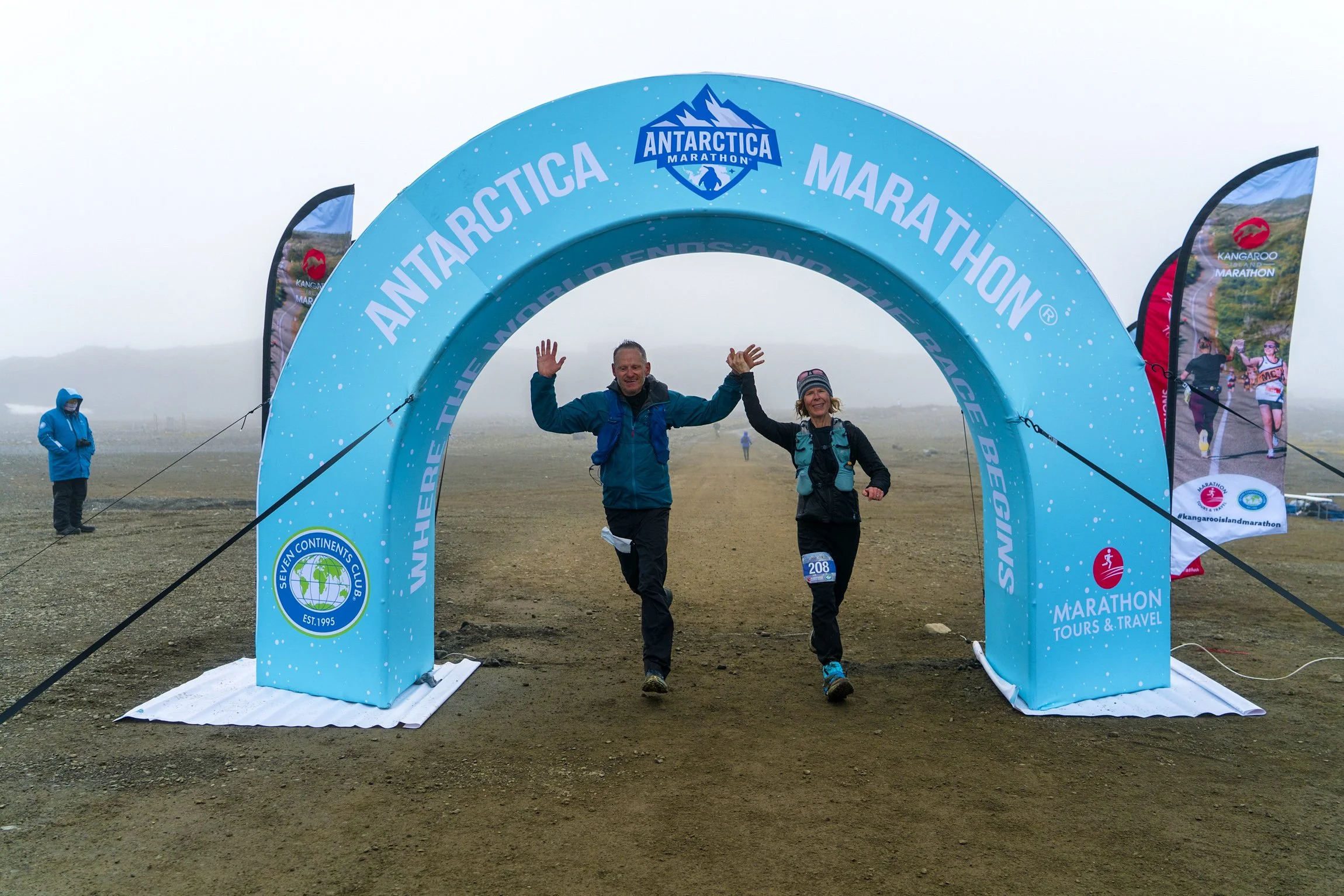
Very happy to be finished. We ran comfortably but did well - finishing 13th out of 95 runners.
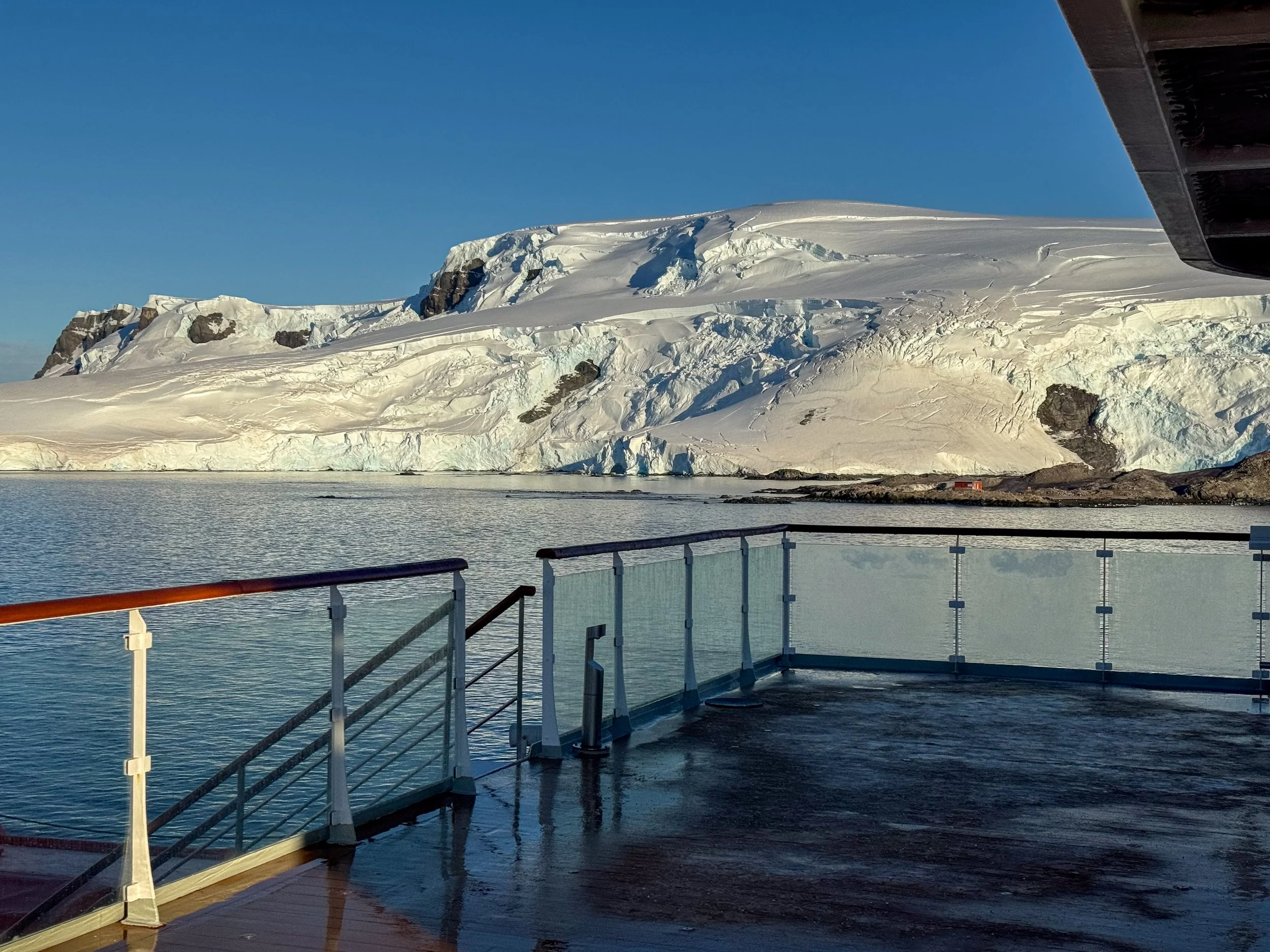
The day after the marathon was clear and beautiful as we arrived at Mikkelsen Harbour.
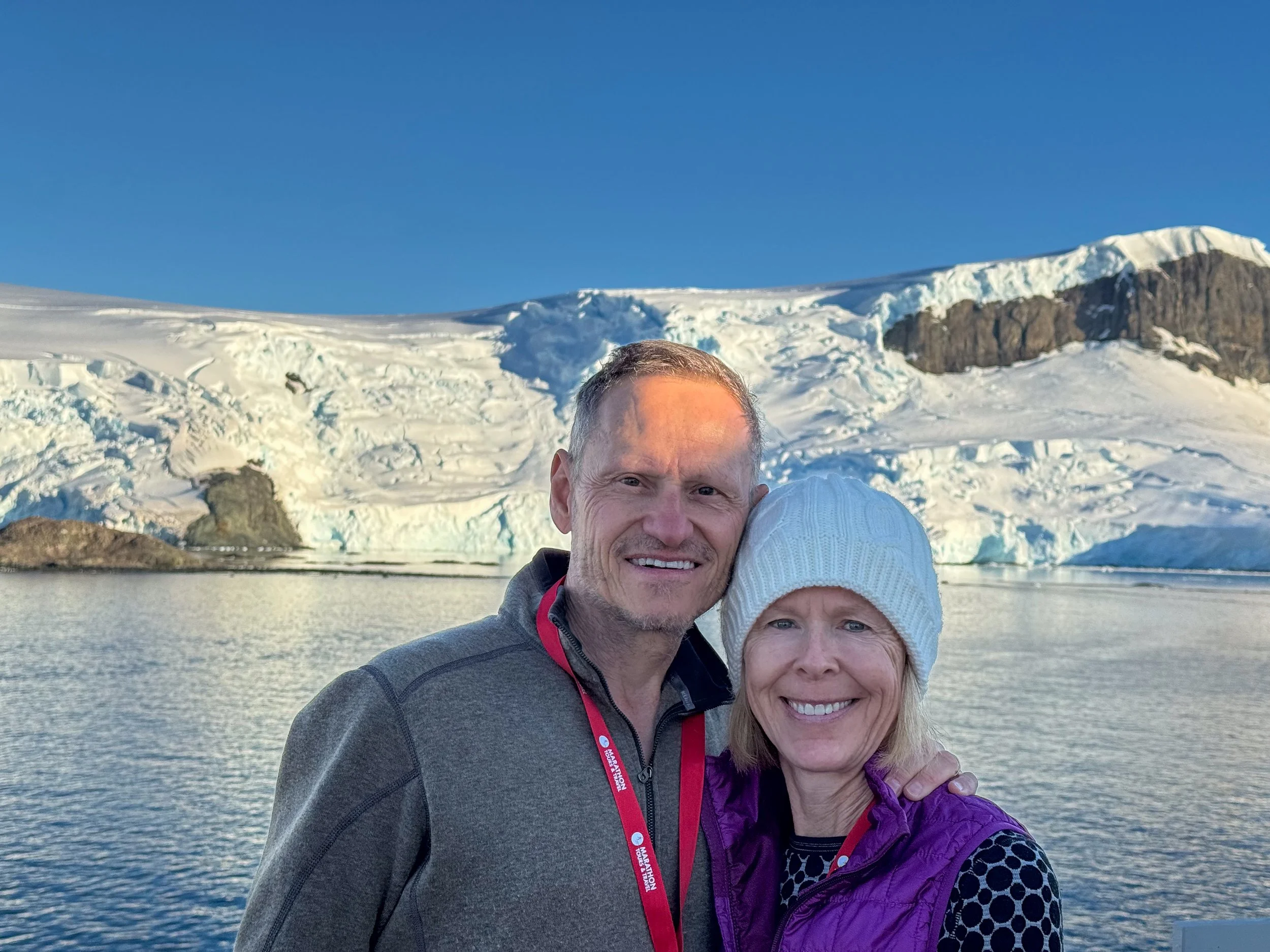
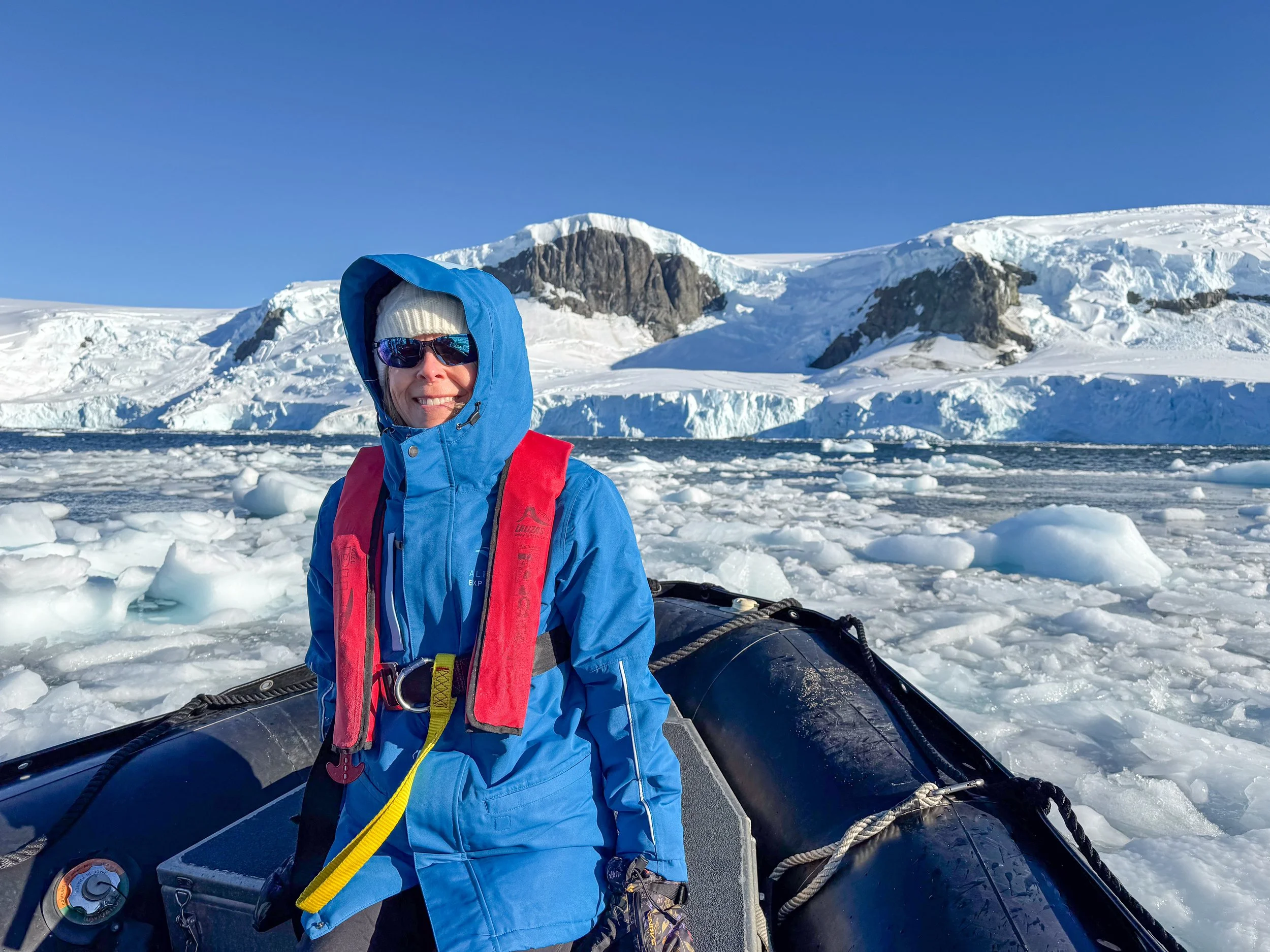
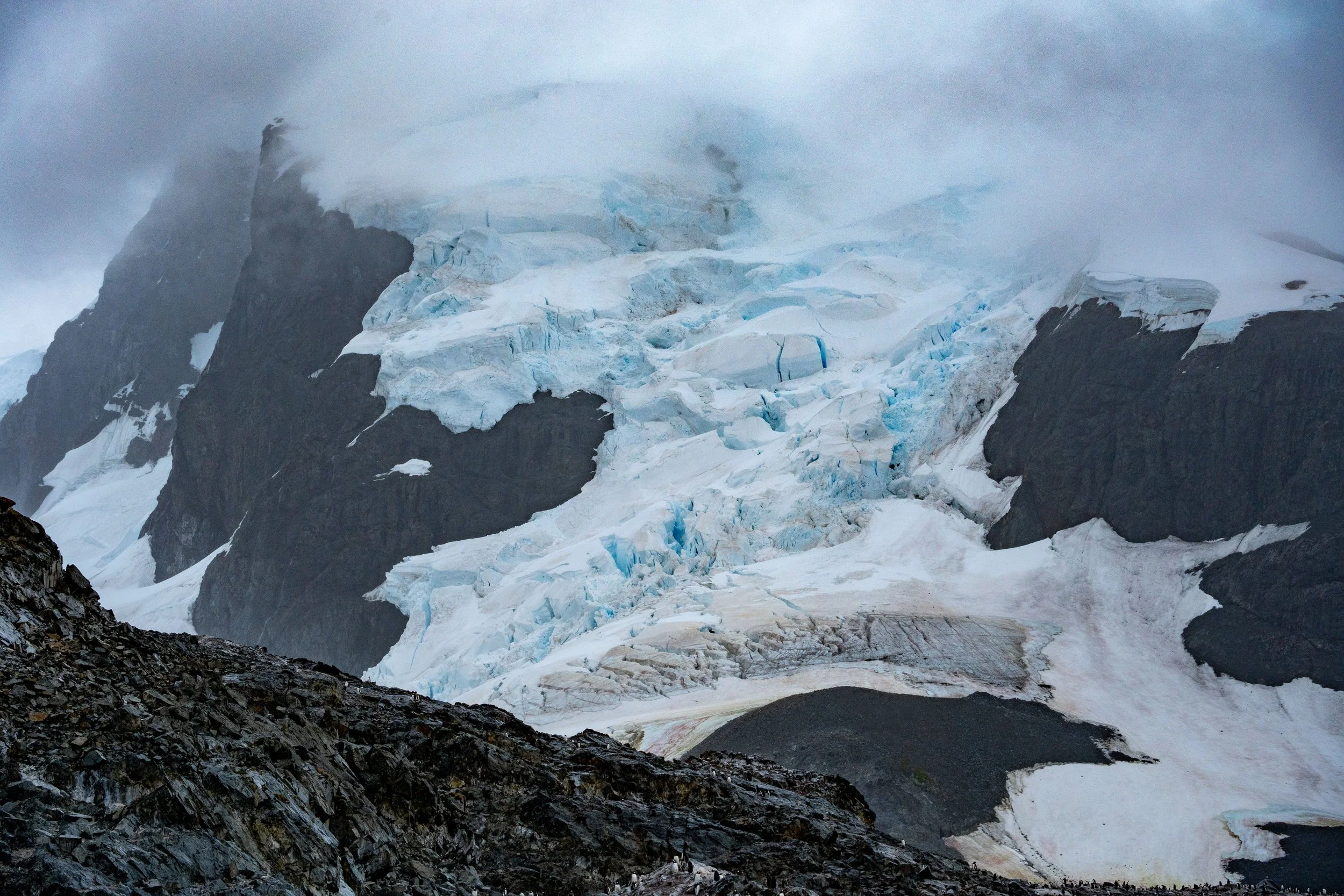
We took zodiacs to explore Mikkelsen Harbour - a spectacular area with enormous glaciers.
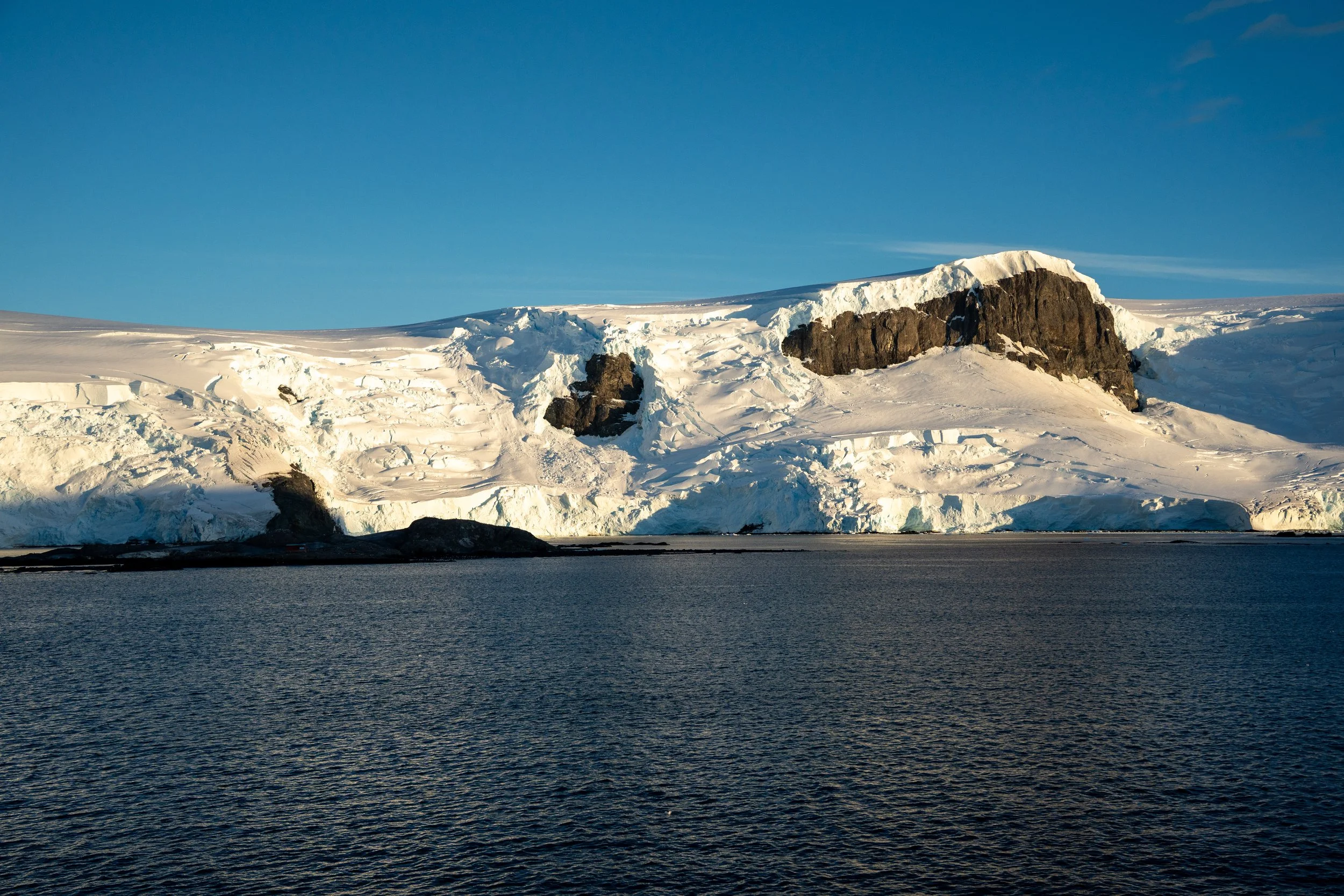
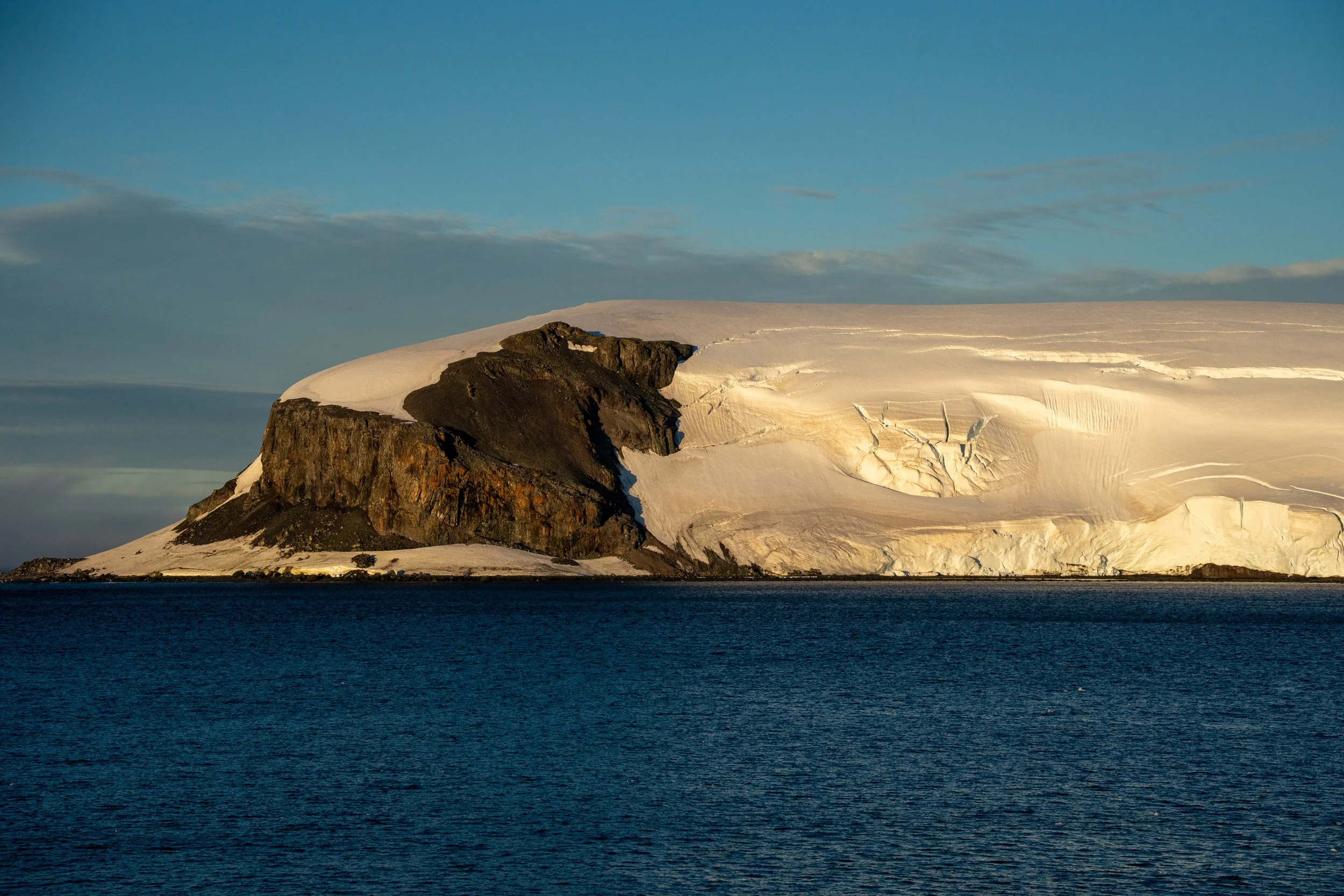
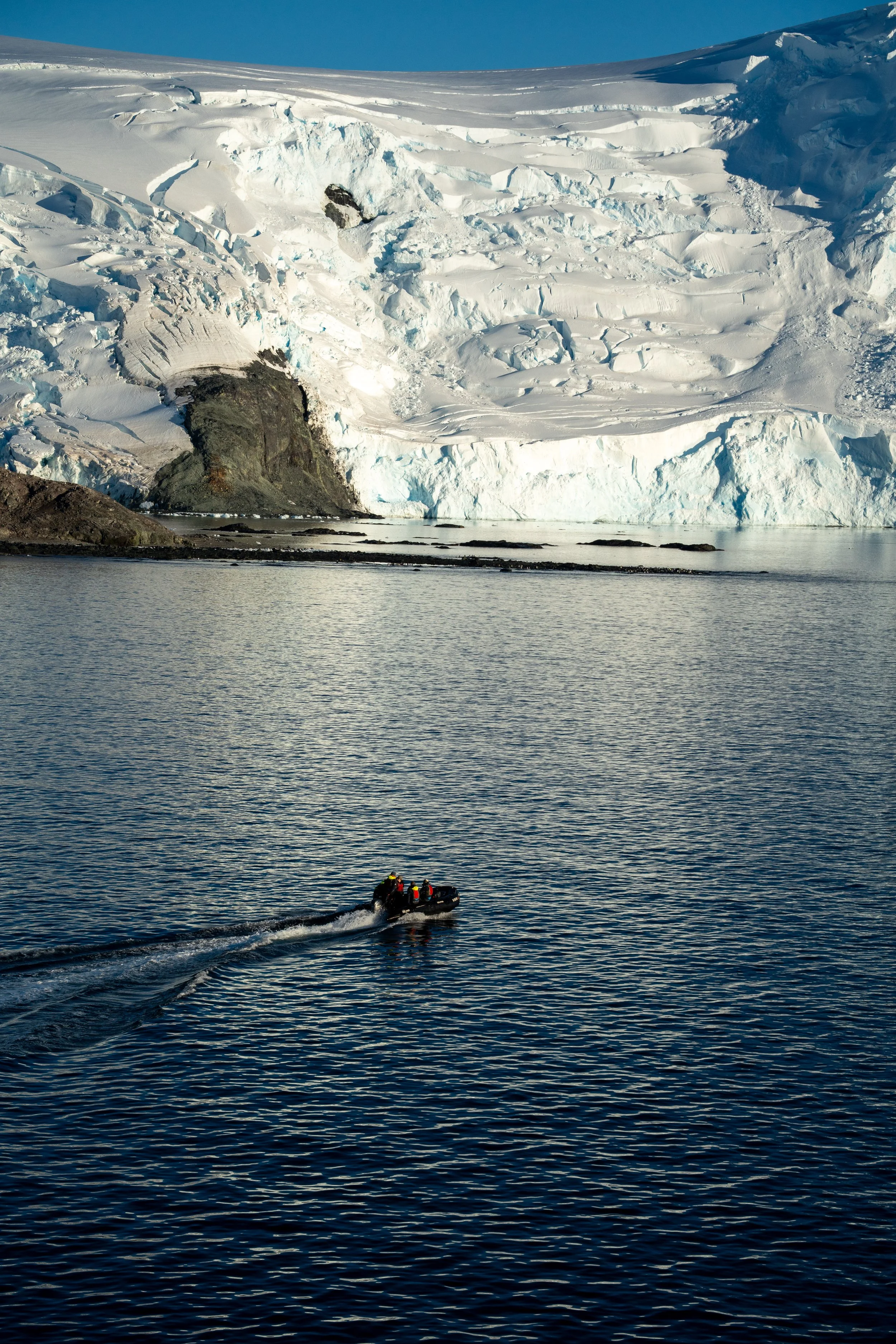
The glaciers have walls of ice hundreds of feet high calving into the bay.
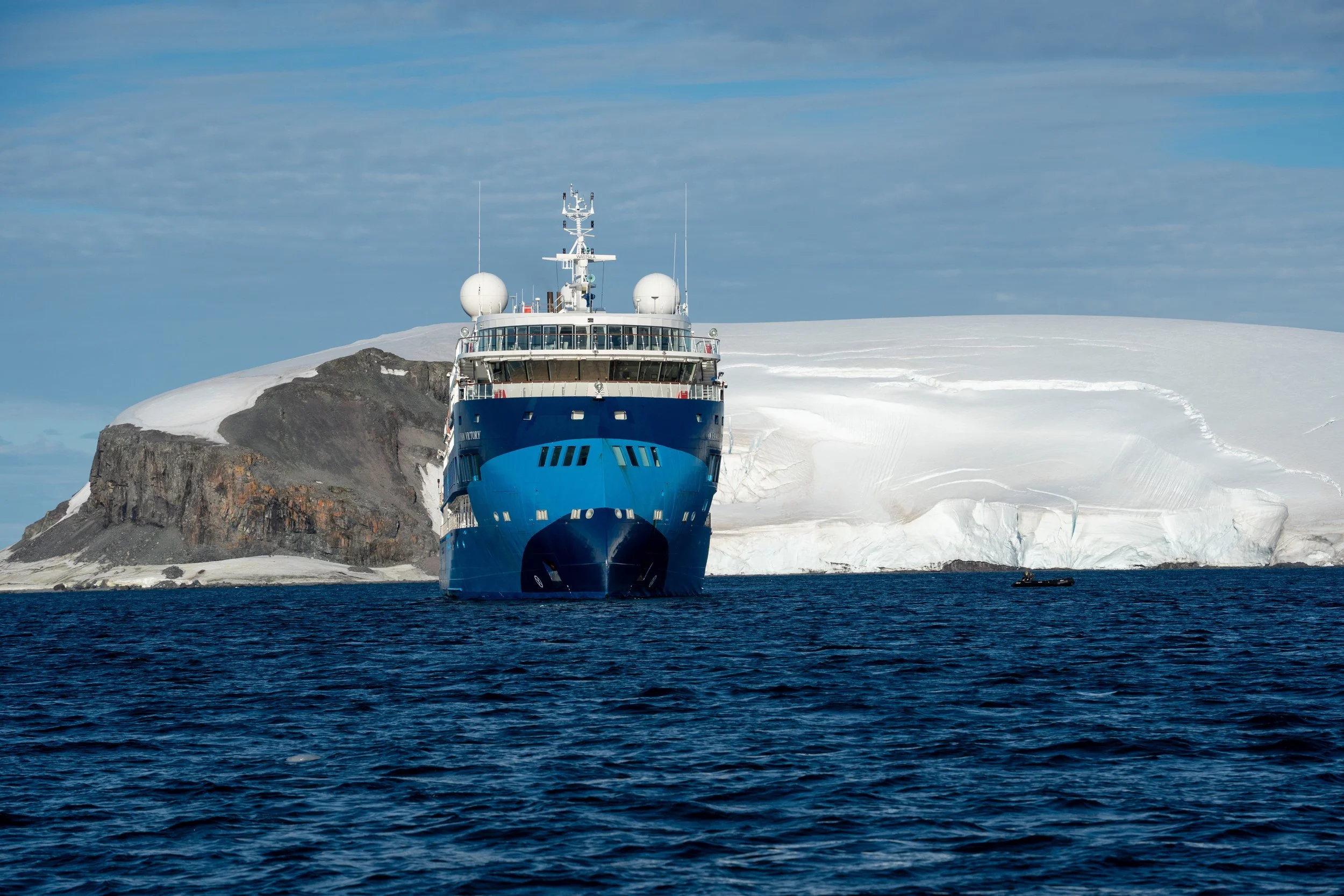
The Ocean Victory in Mikkelsen Harbour.
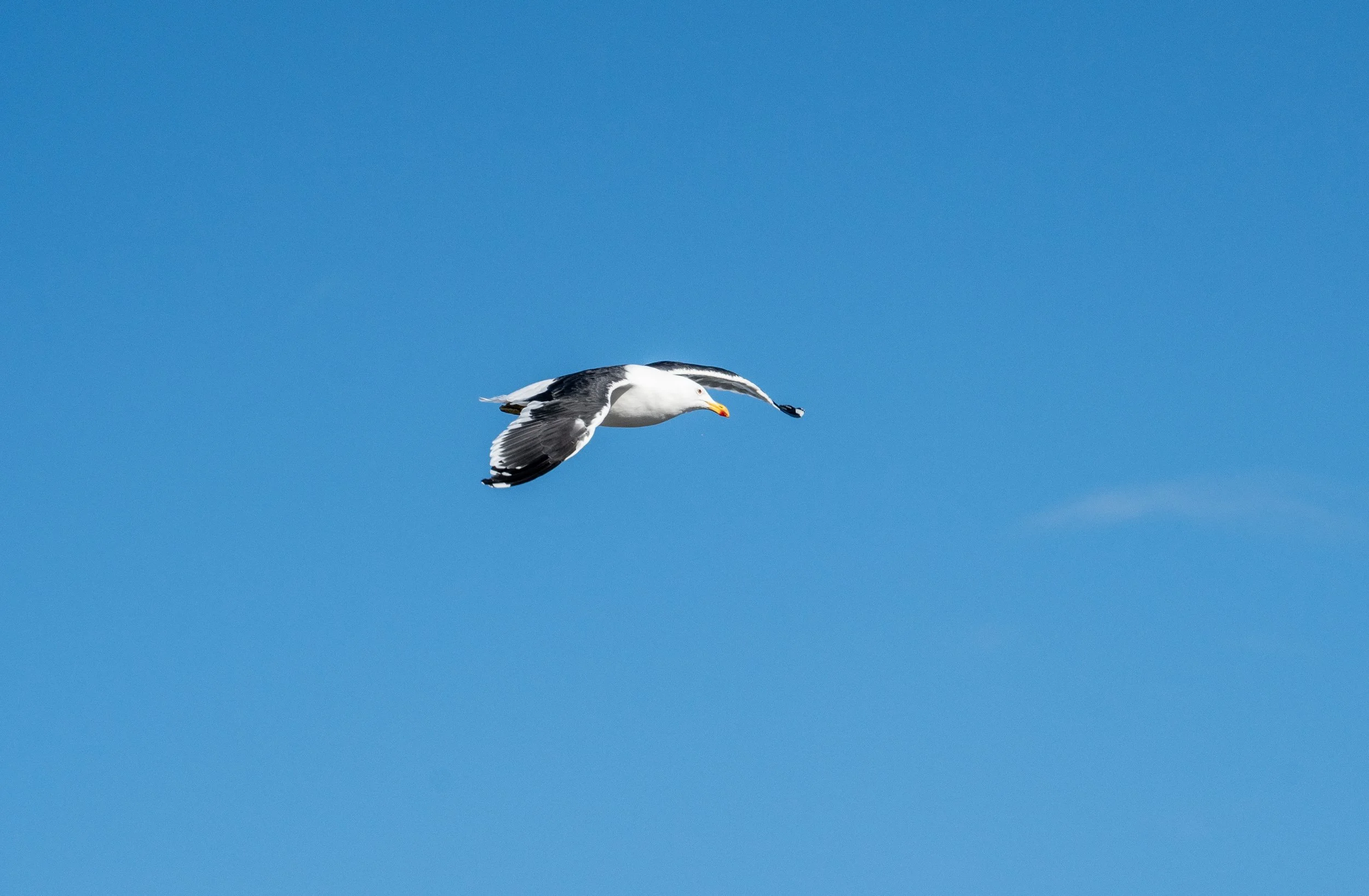
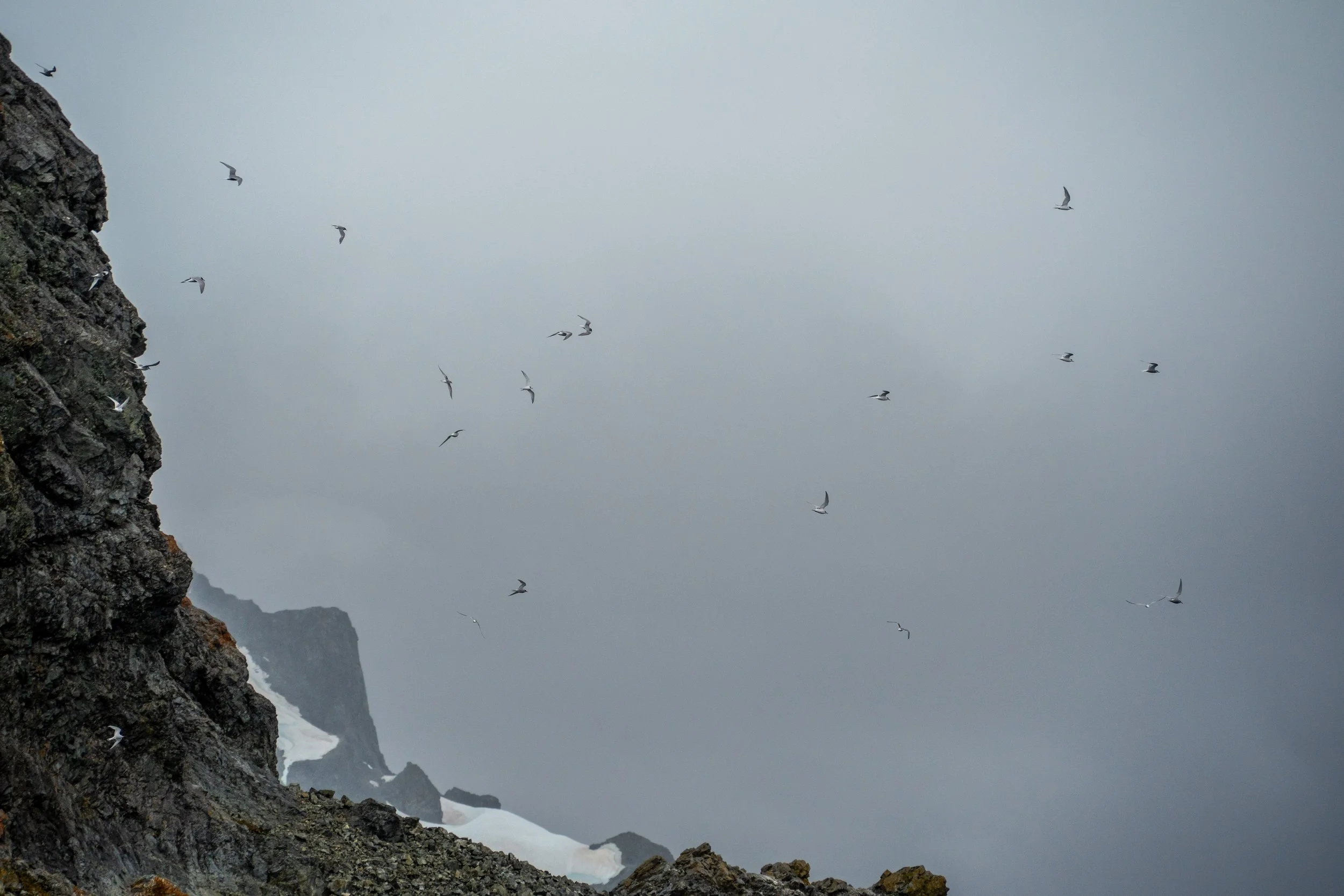
We saw many birds but Petrels were the most common.
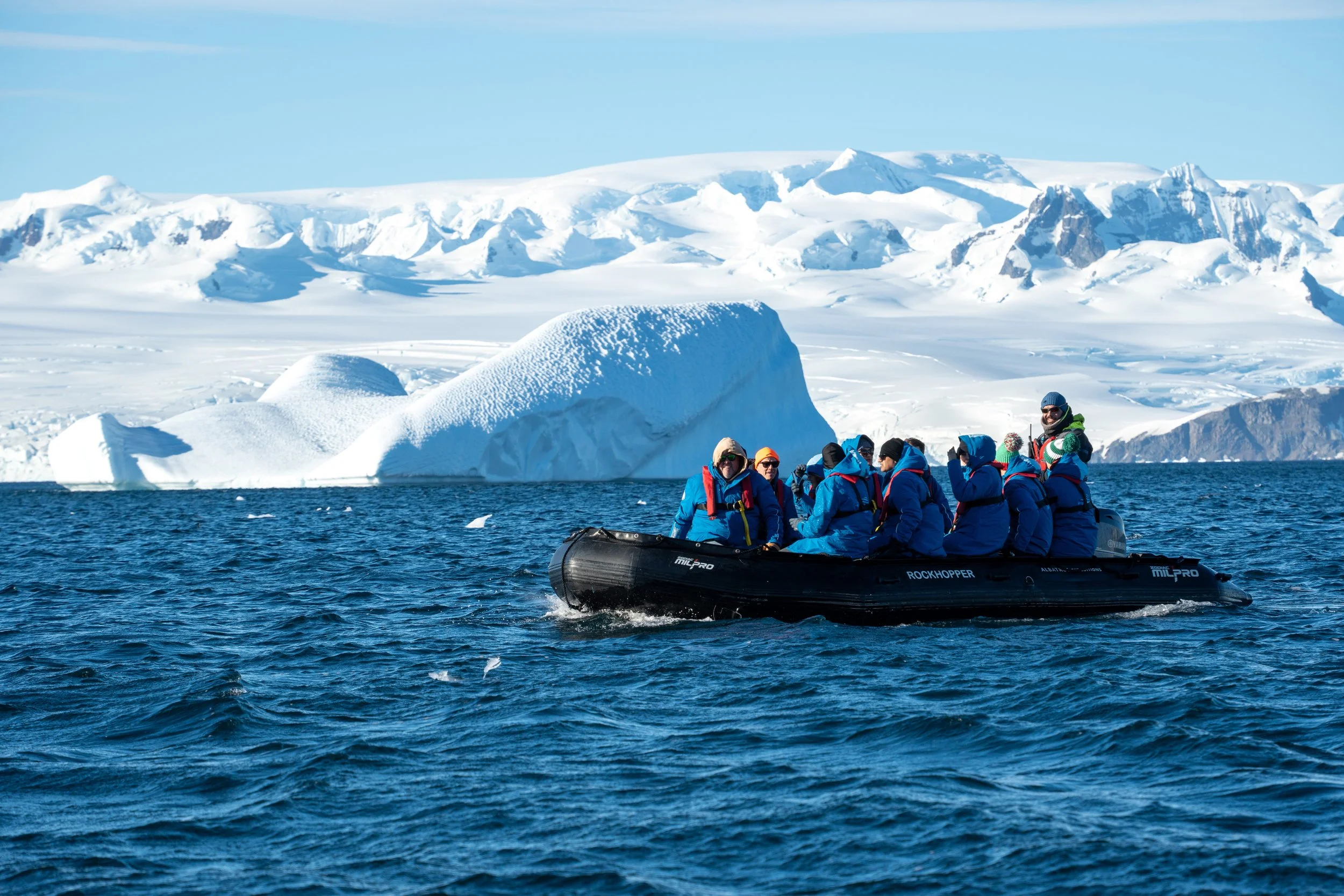
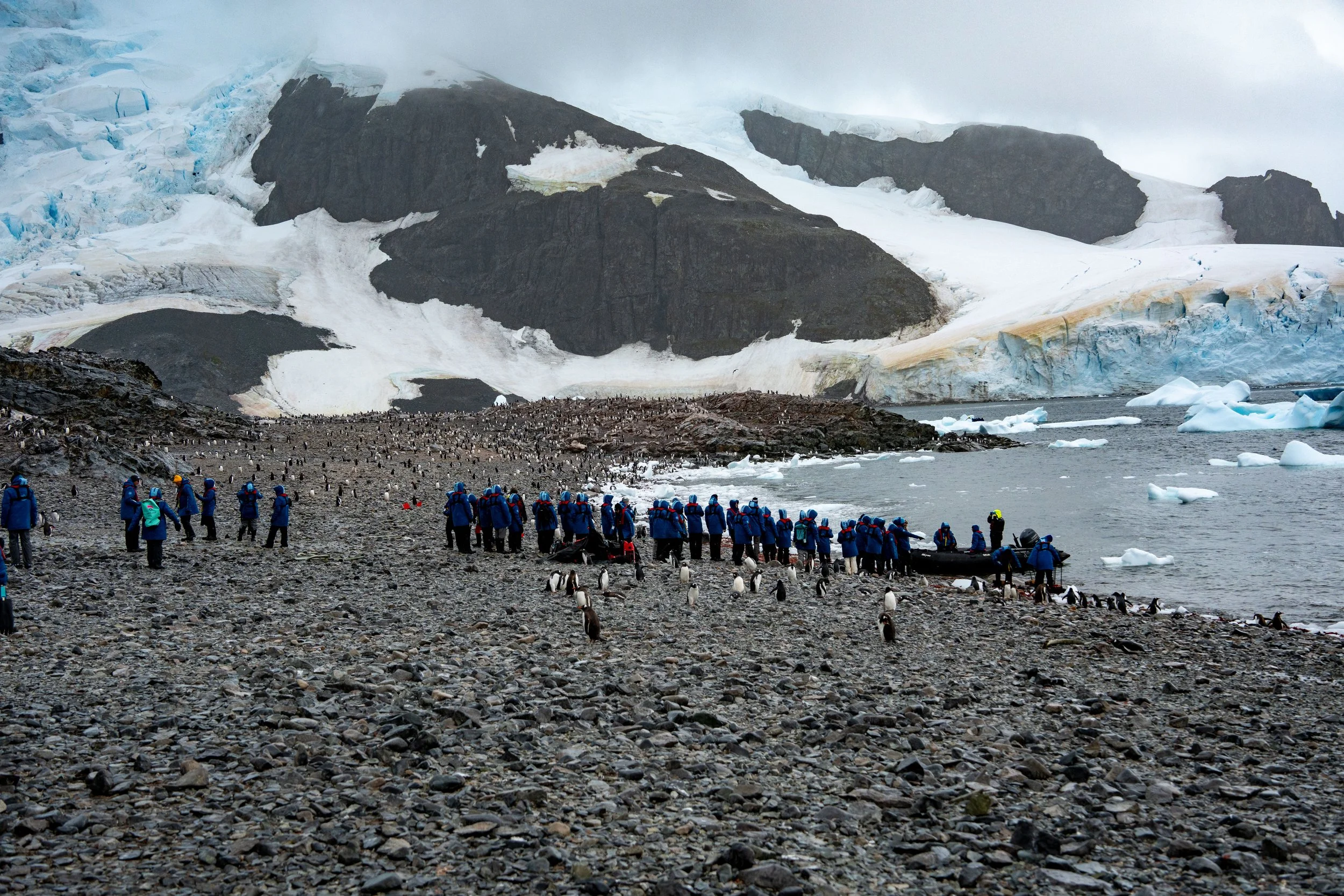
Our ship carried 20 zodiacs and everyone was able to go out at once.
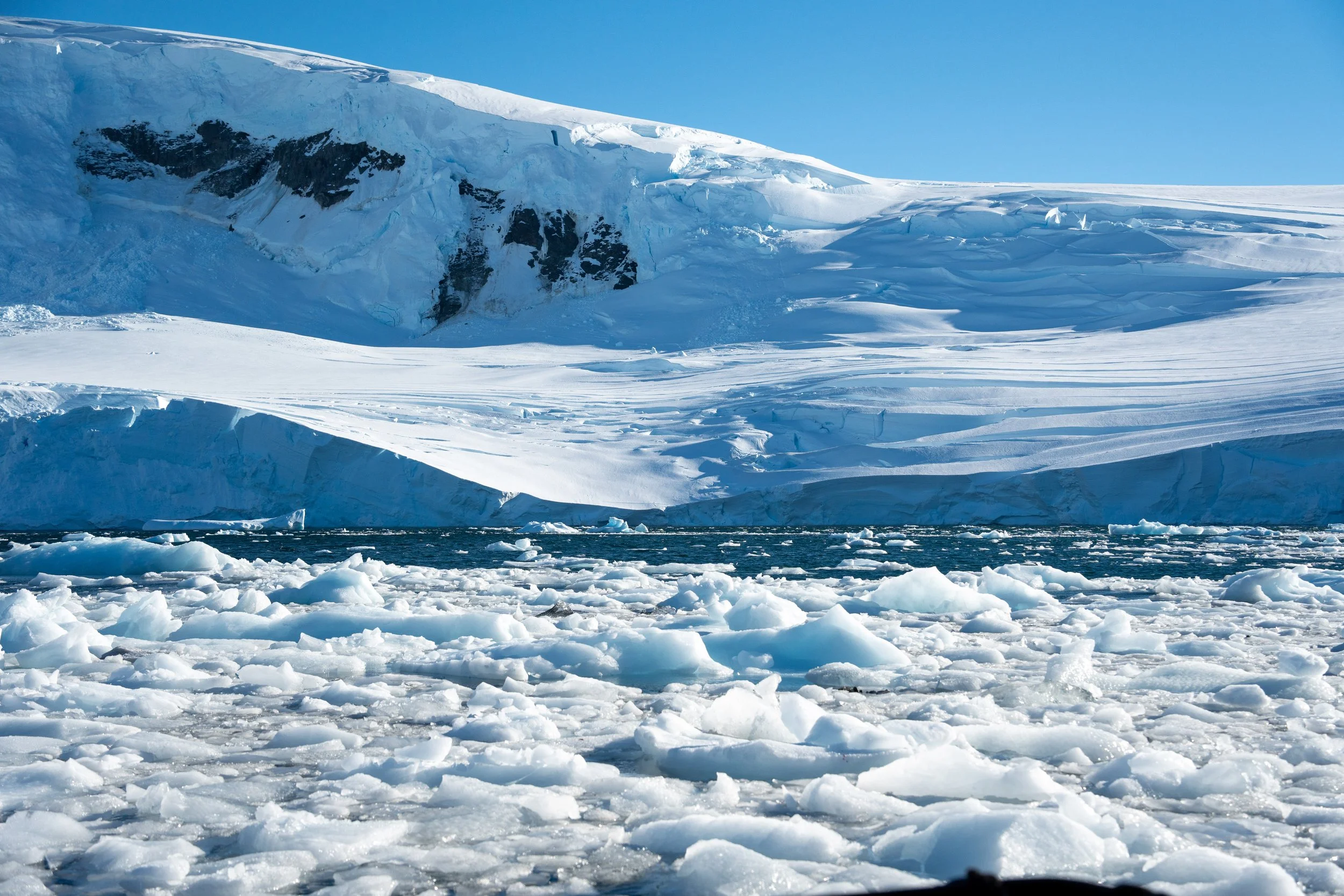
Depending on the wind, bays would go from clear to ice-clogged in a short period of time.
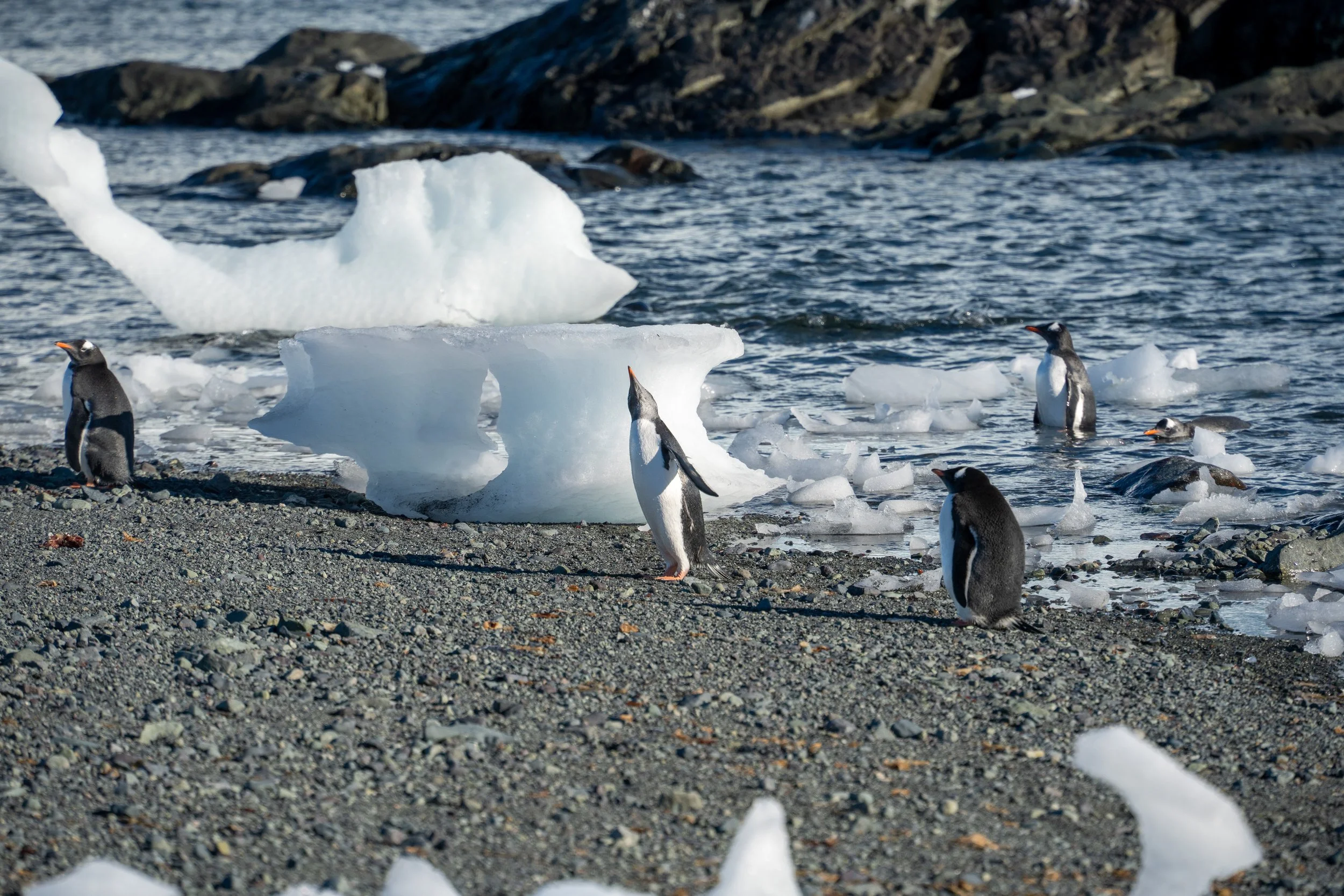
We got to explore the coast of Cierva Cove which had thousands of Penguins.
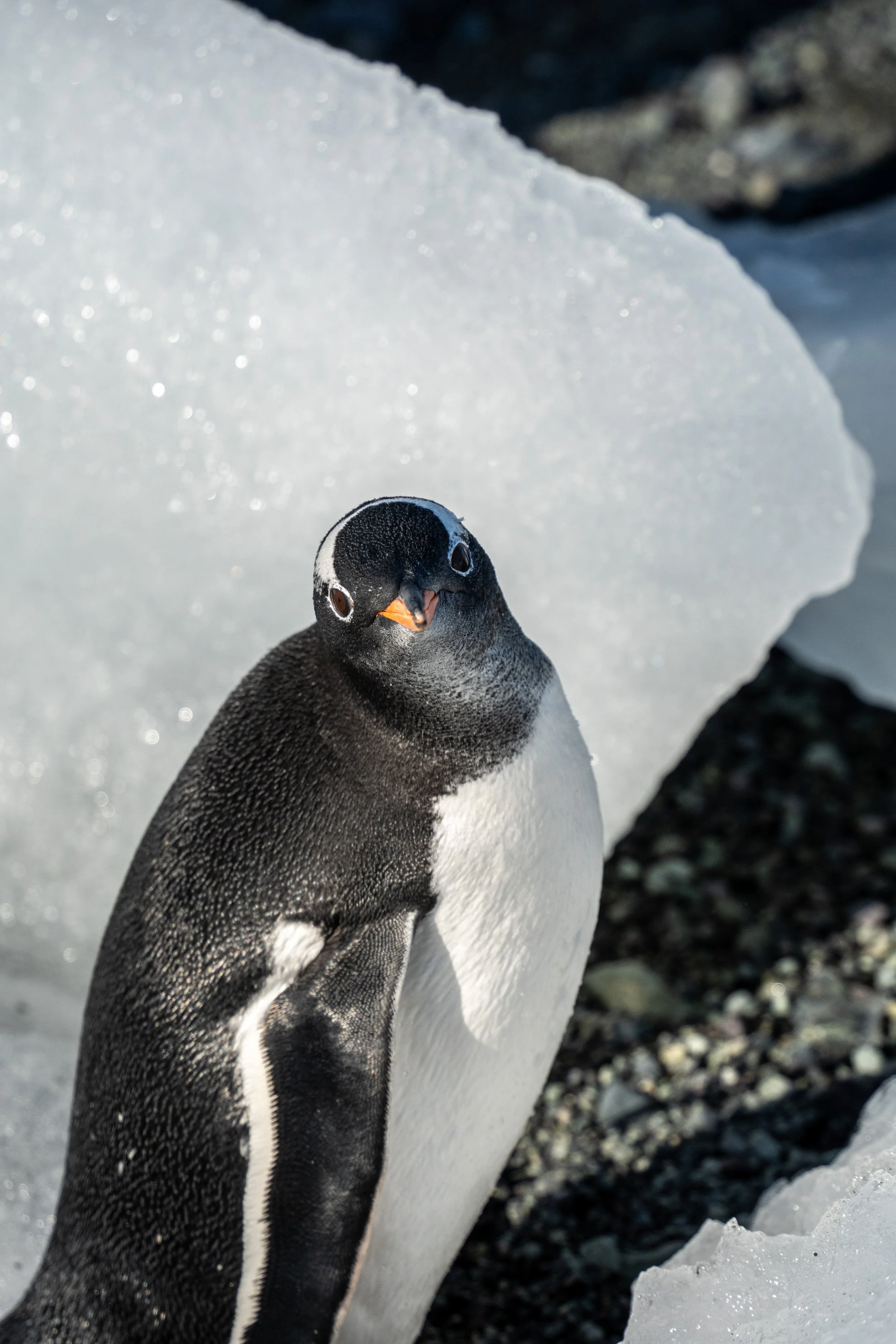
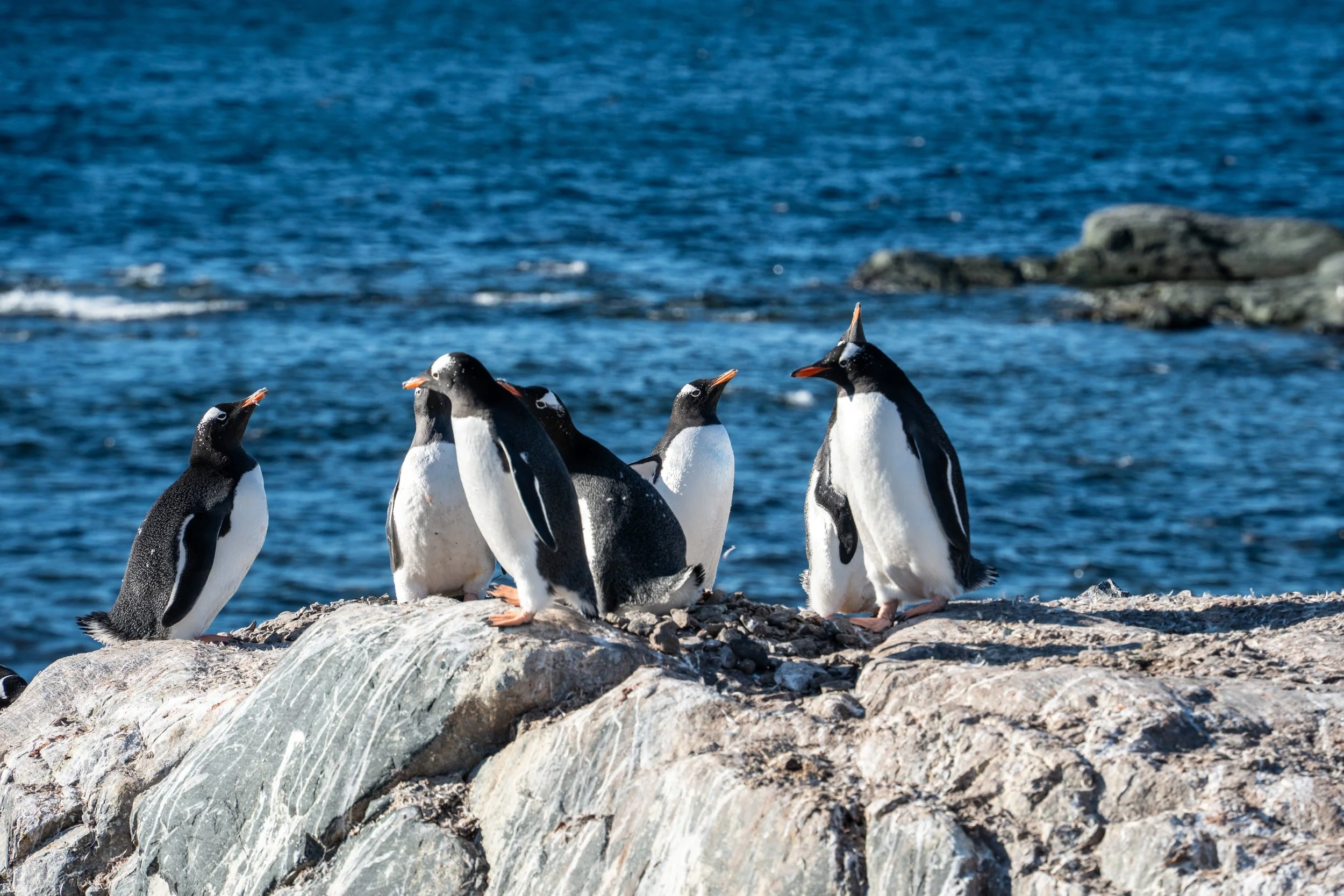
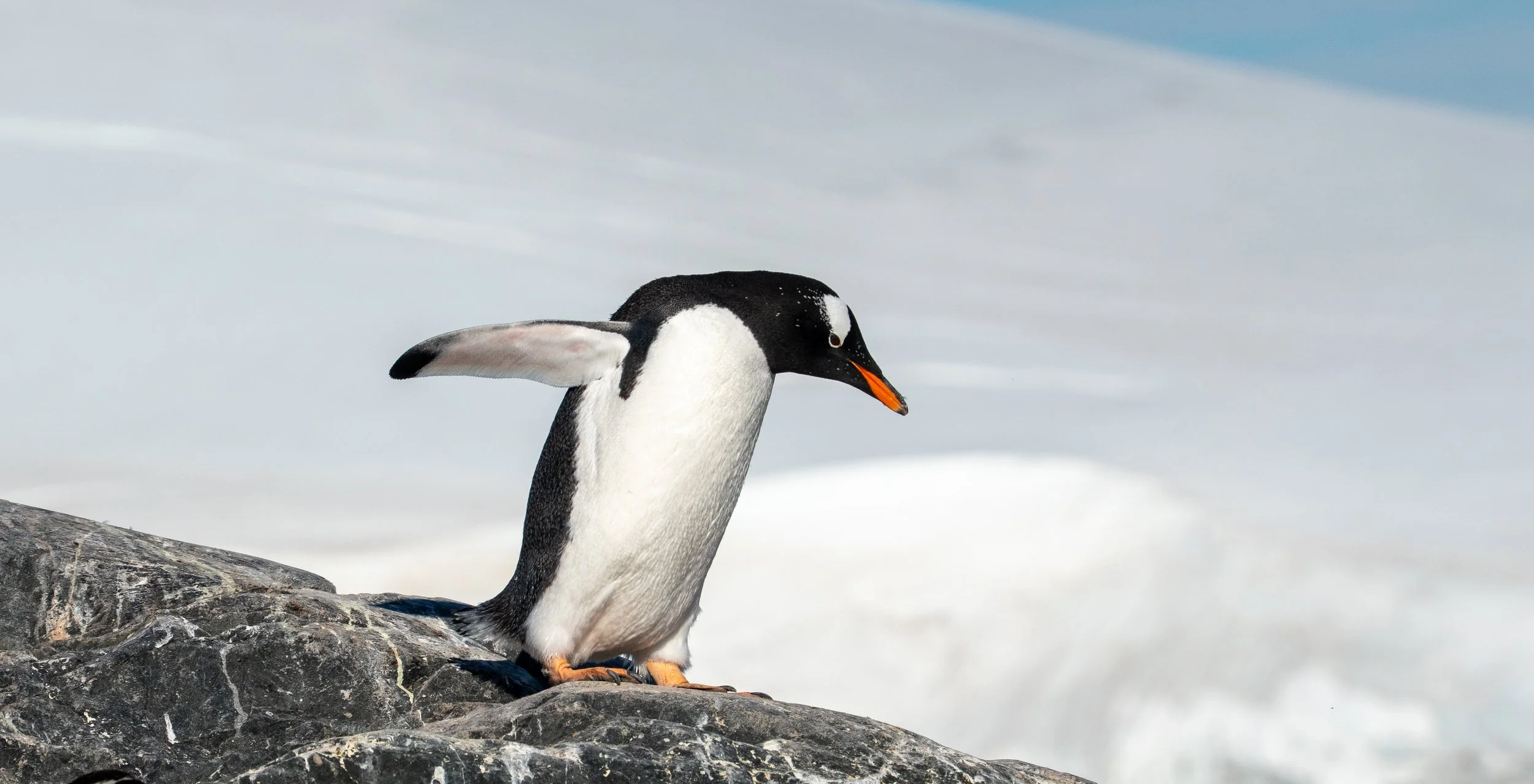
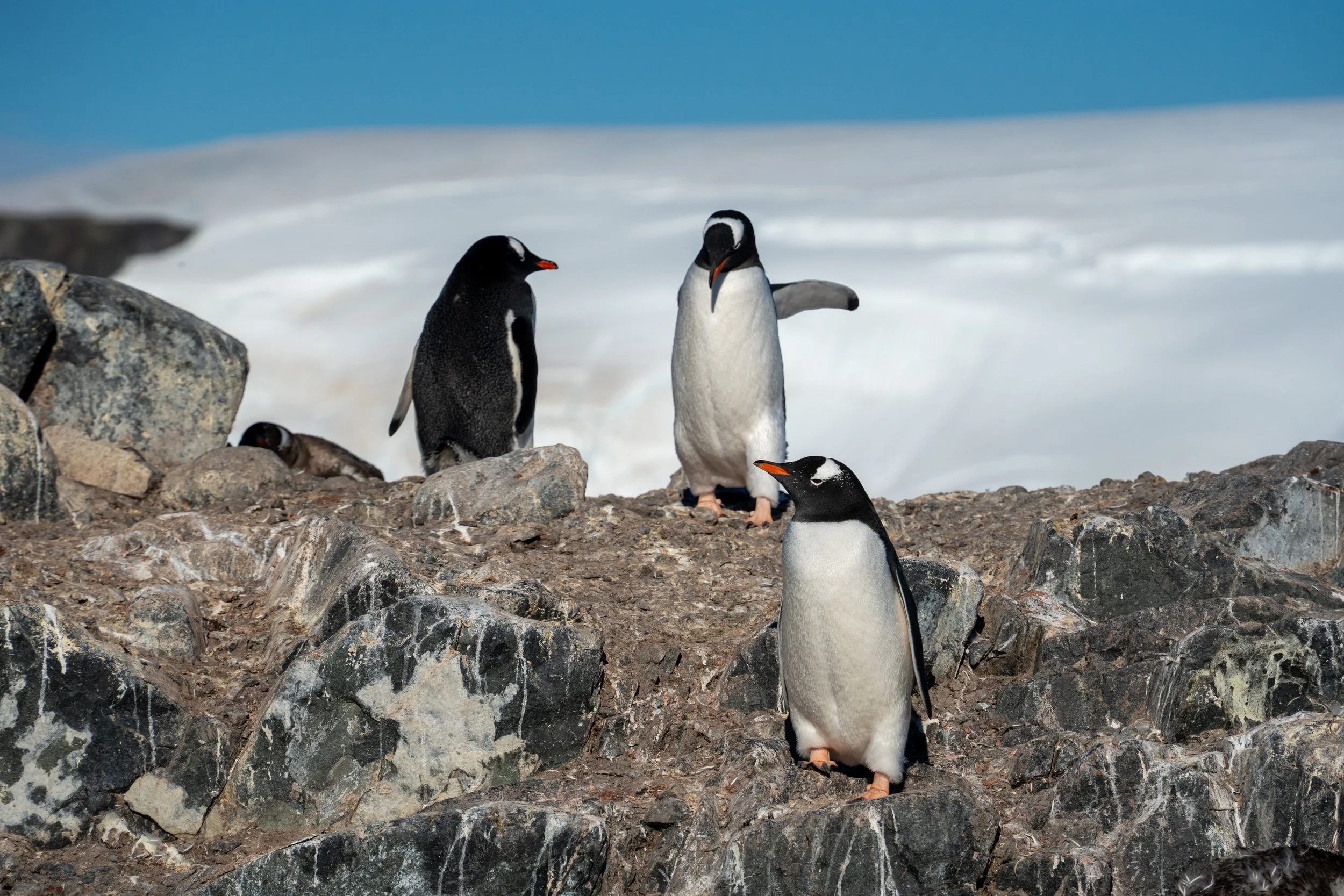
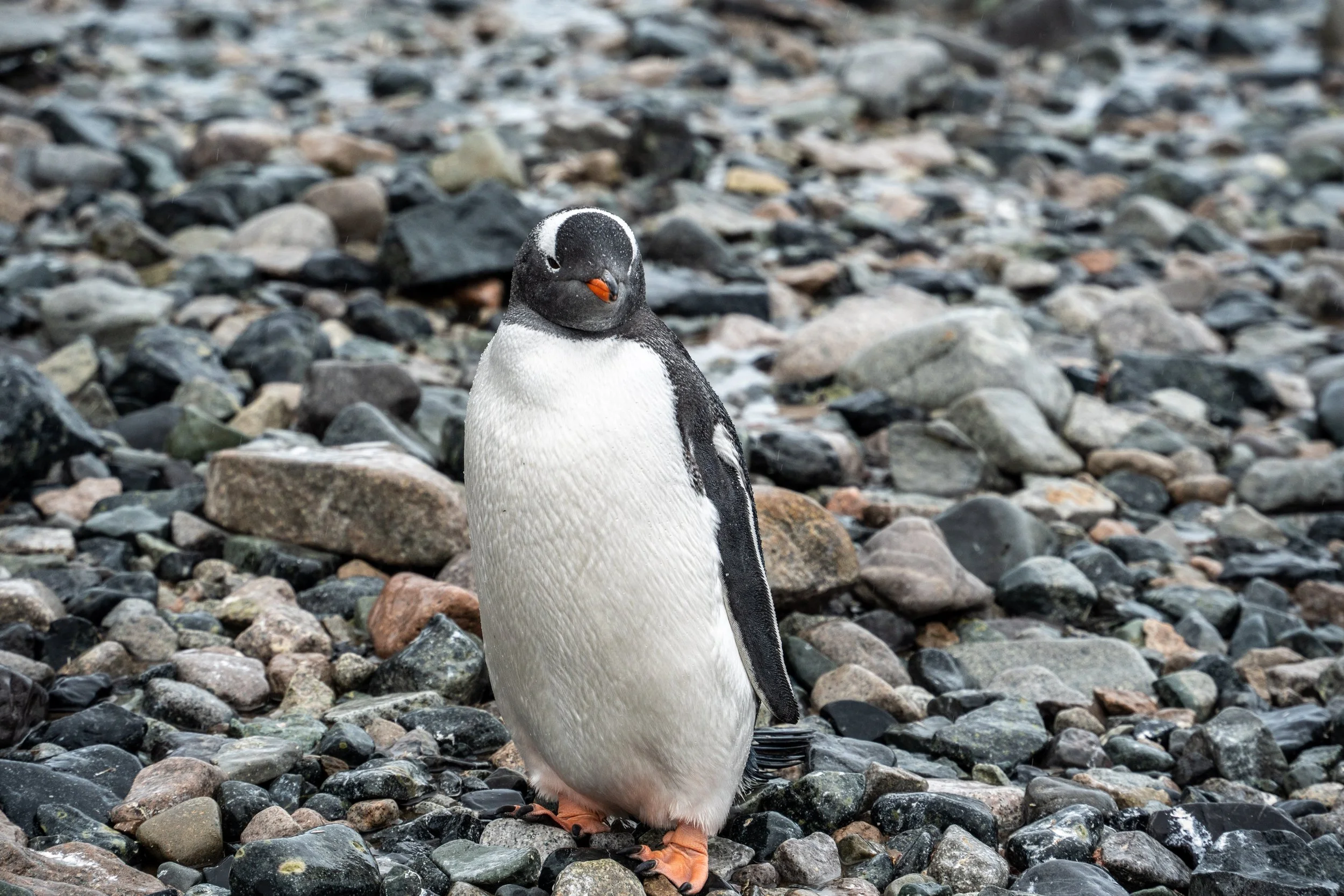
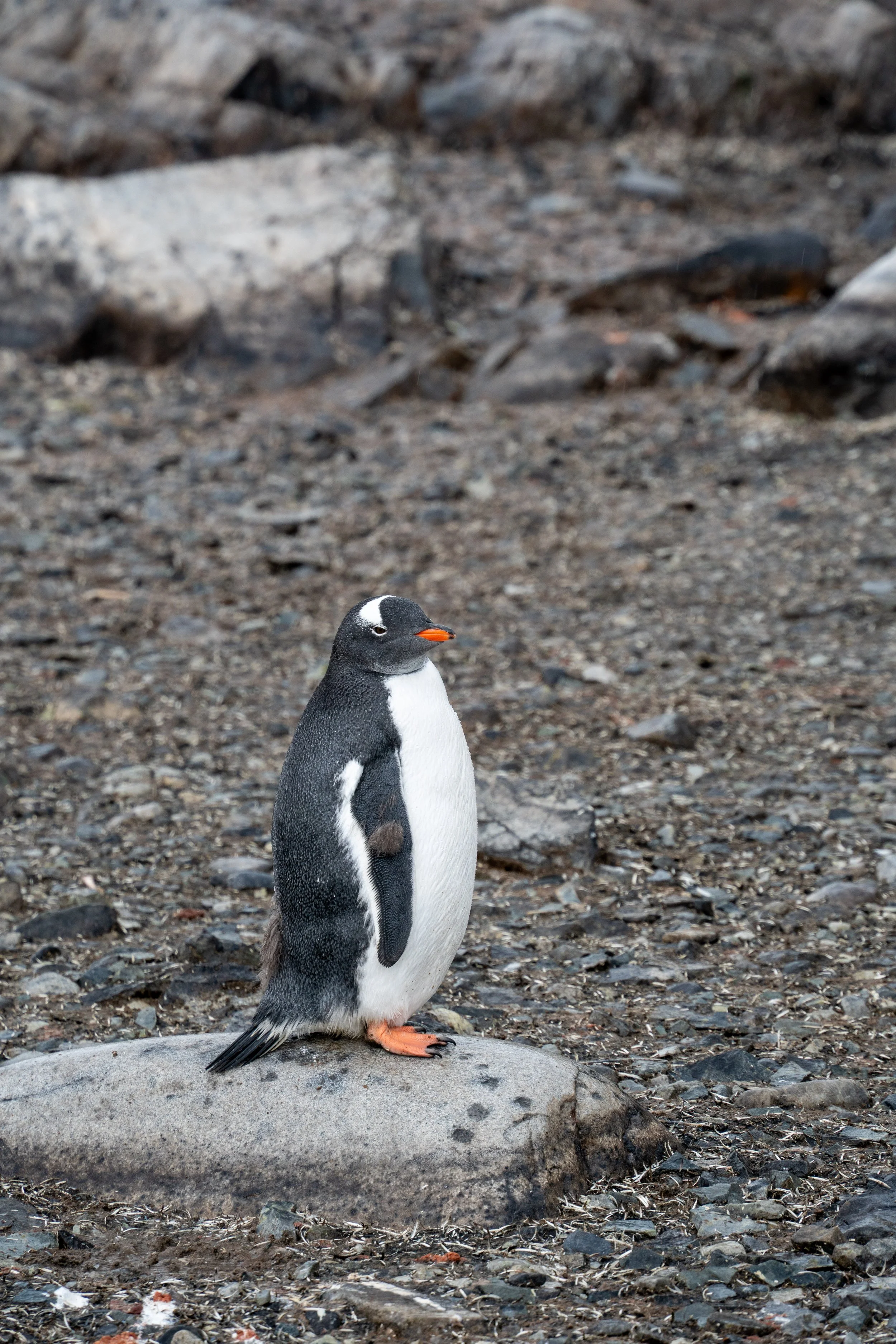
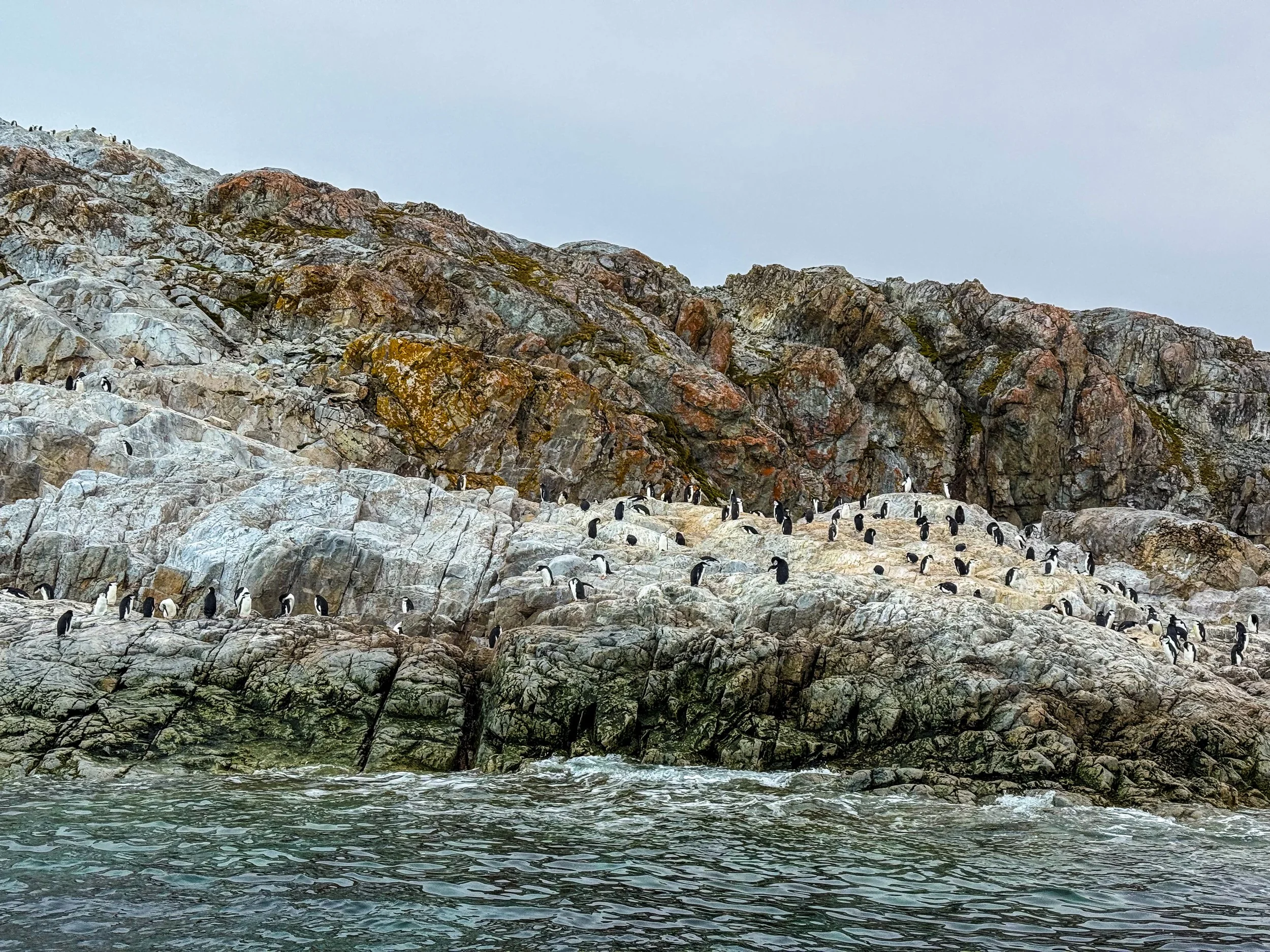
We saw primarily Gentoo Penguins and a few Chinstrap Penguins.
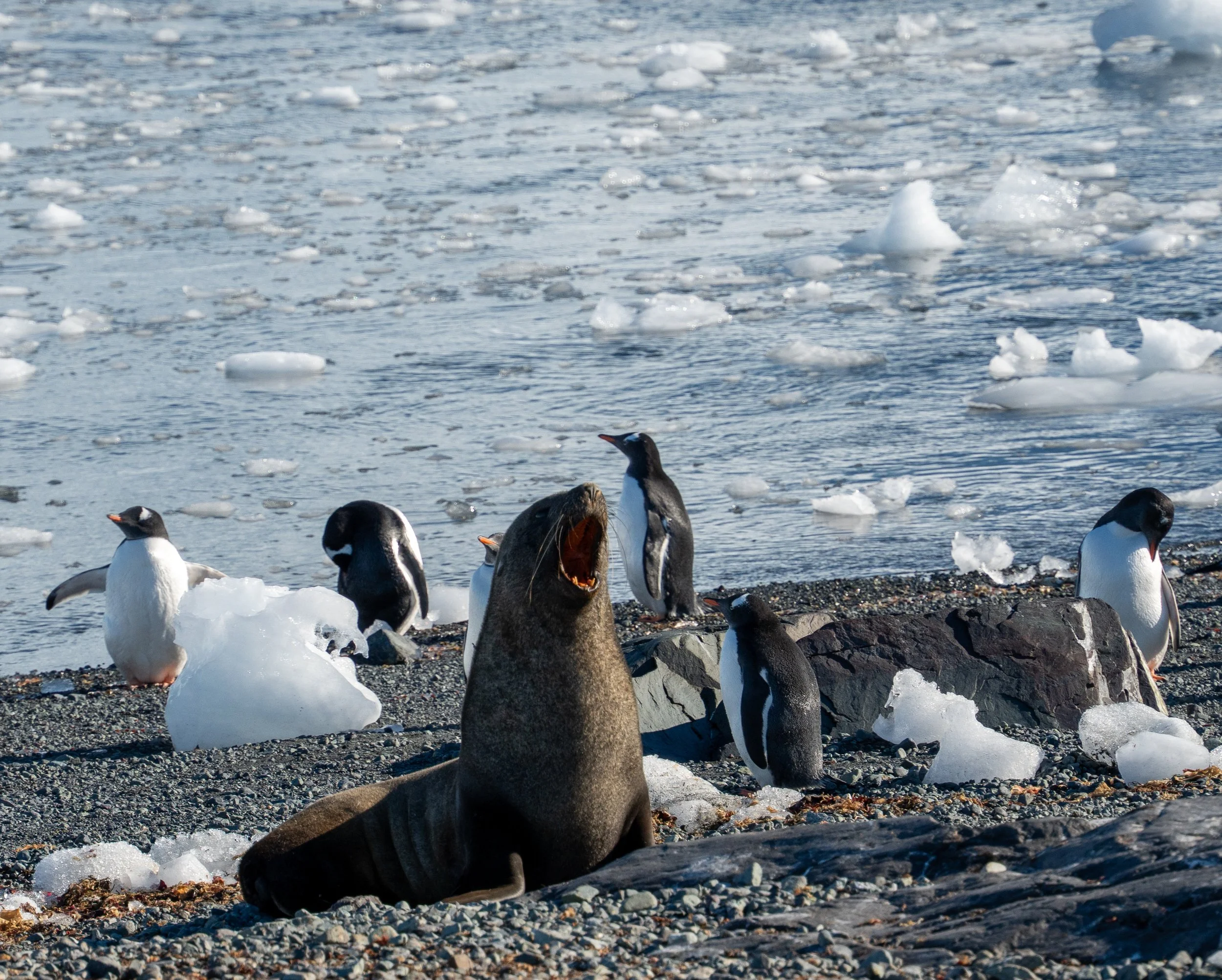
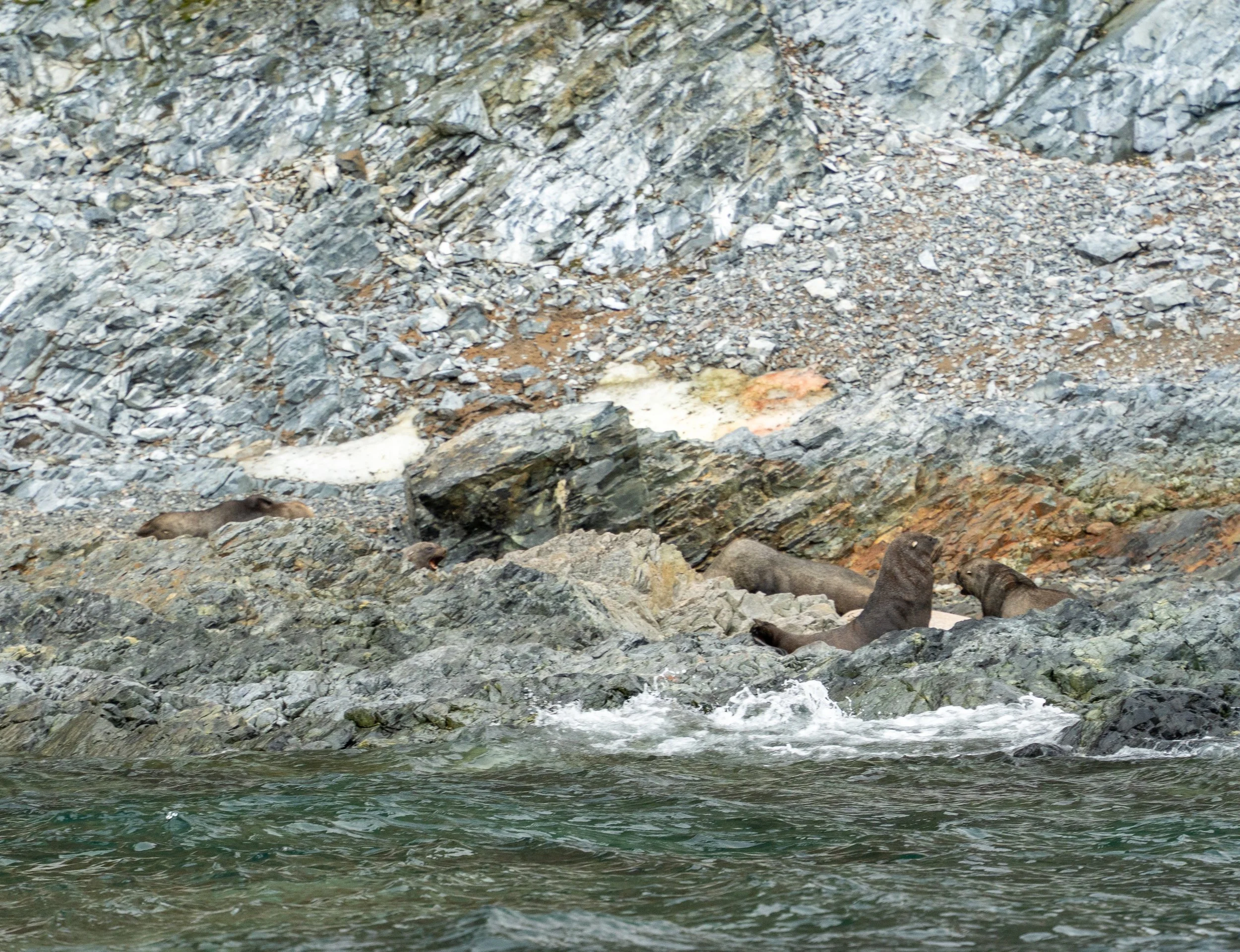
Fur Seals were everywhere as well.
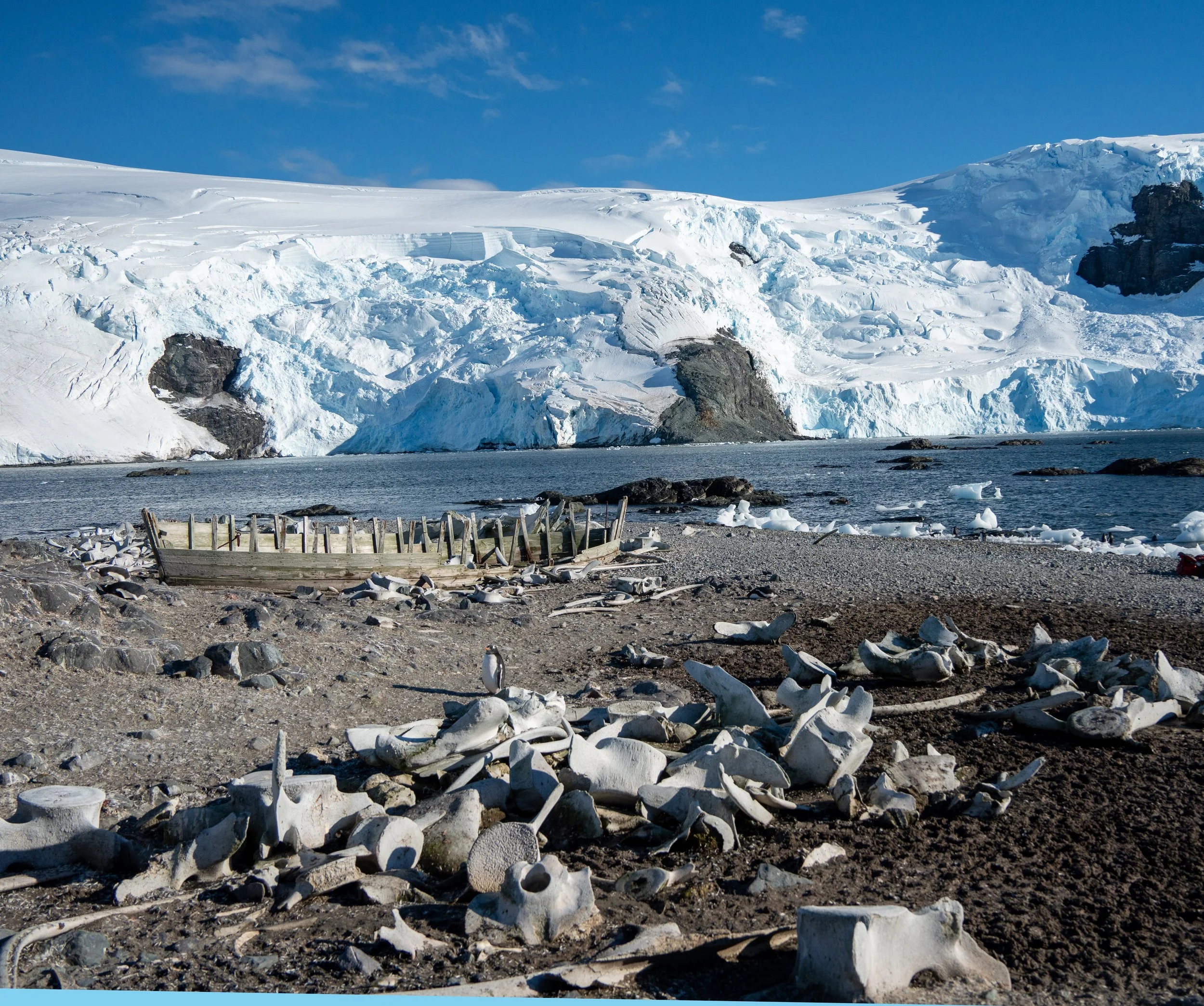
The bays of Antarctica were a very big place for whaling.
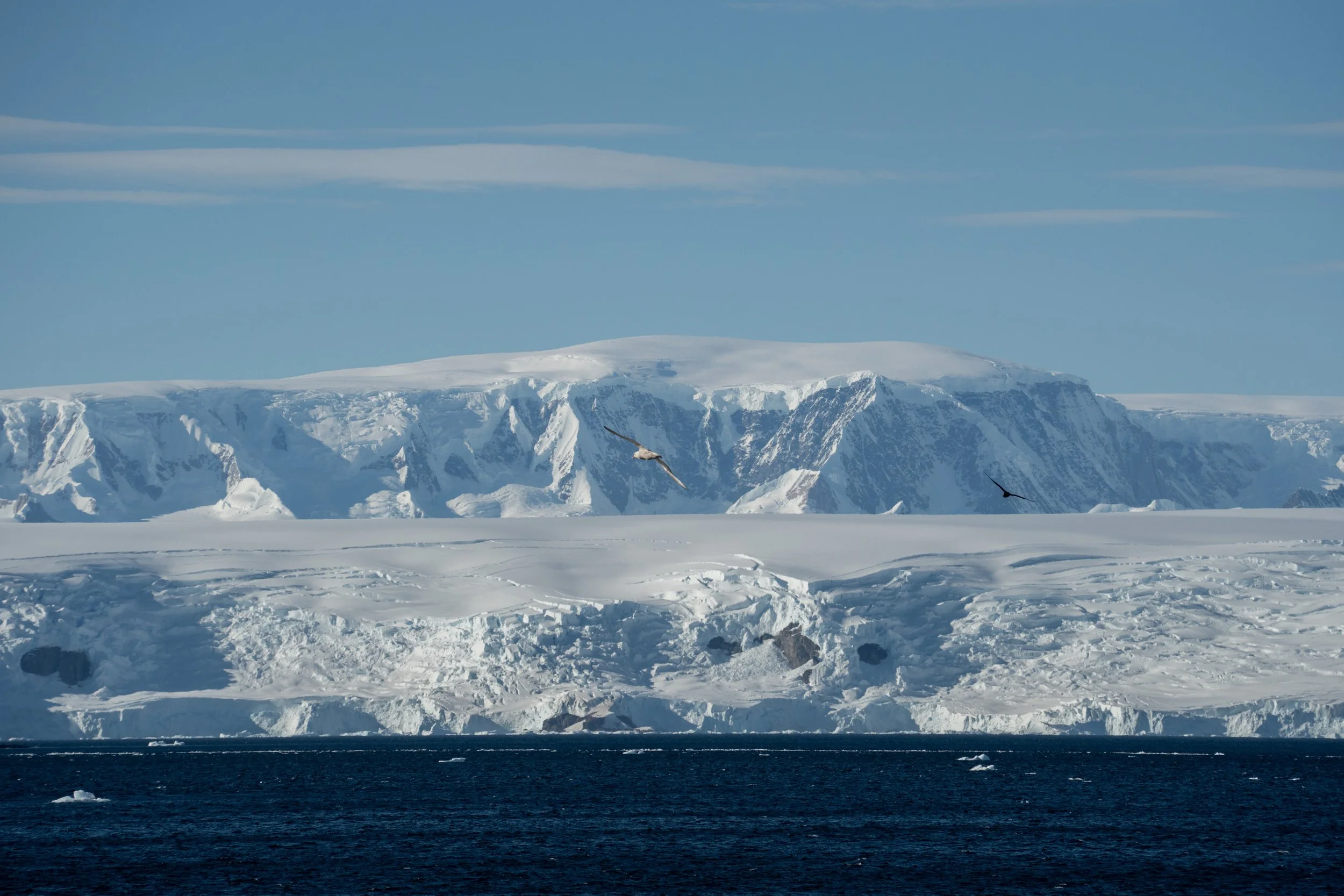
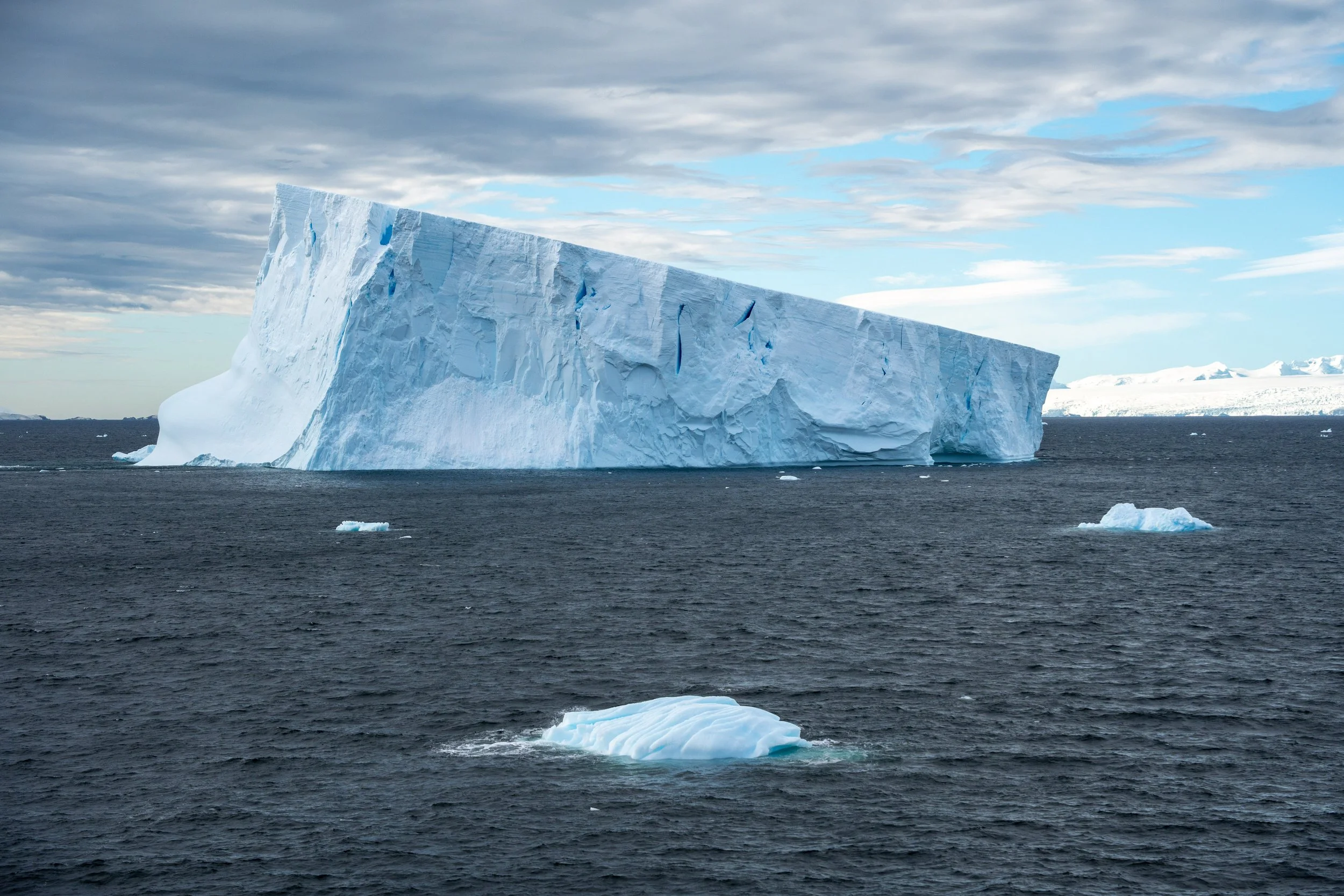
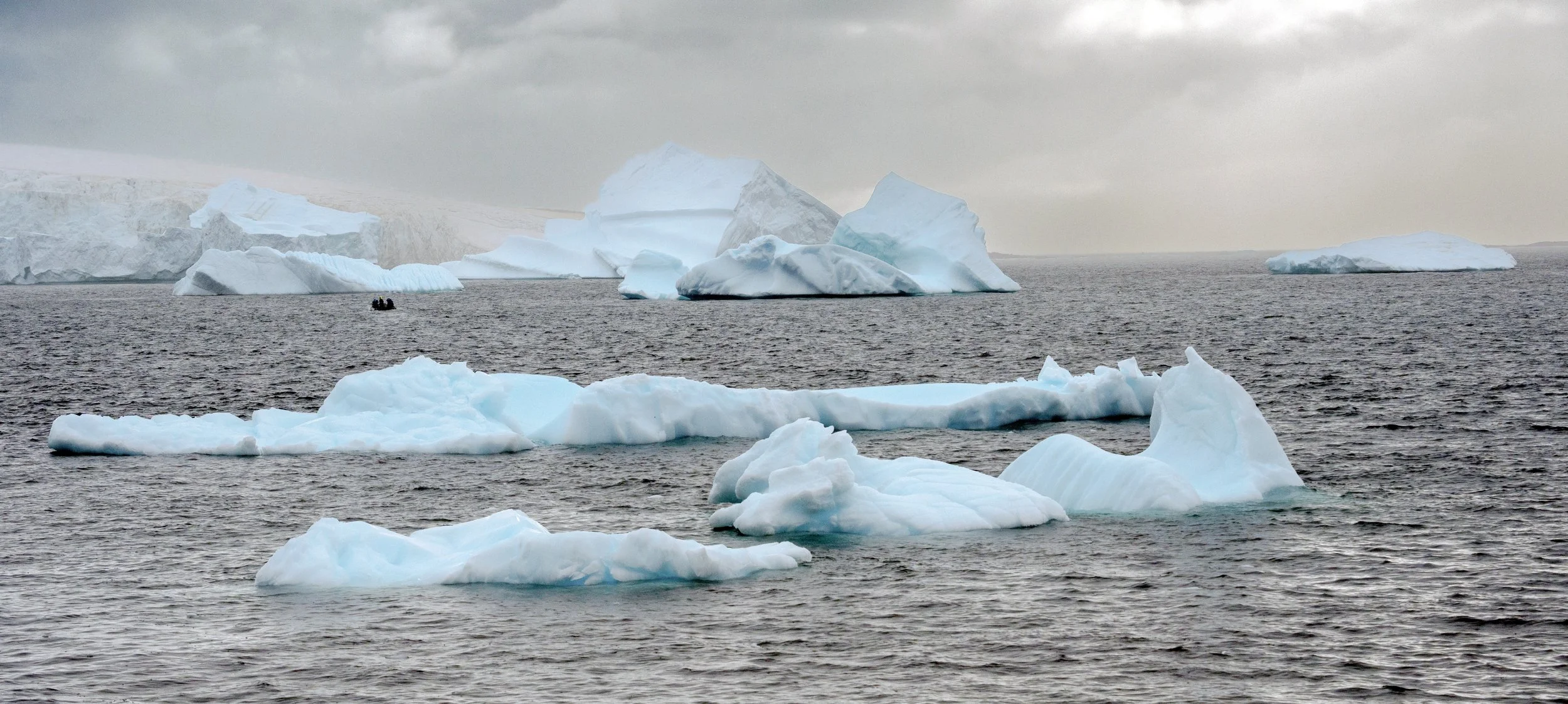
Icebergs - small and large were everywhere between 60 and 70 degrees south latitude.
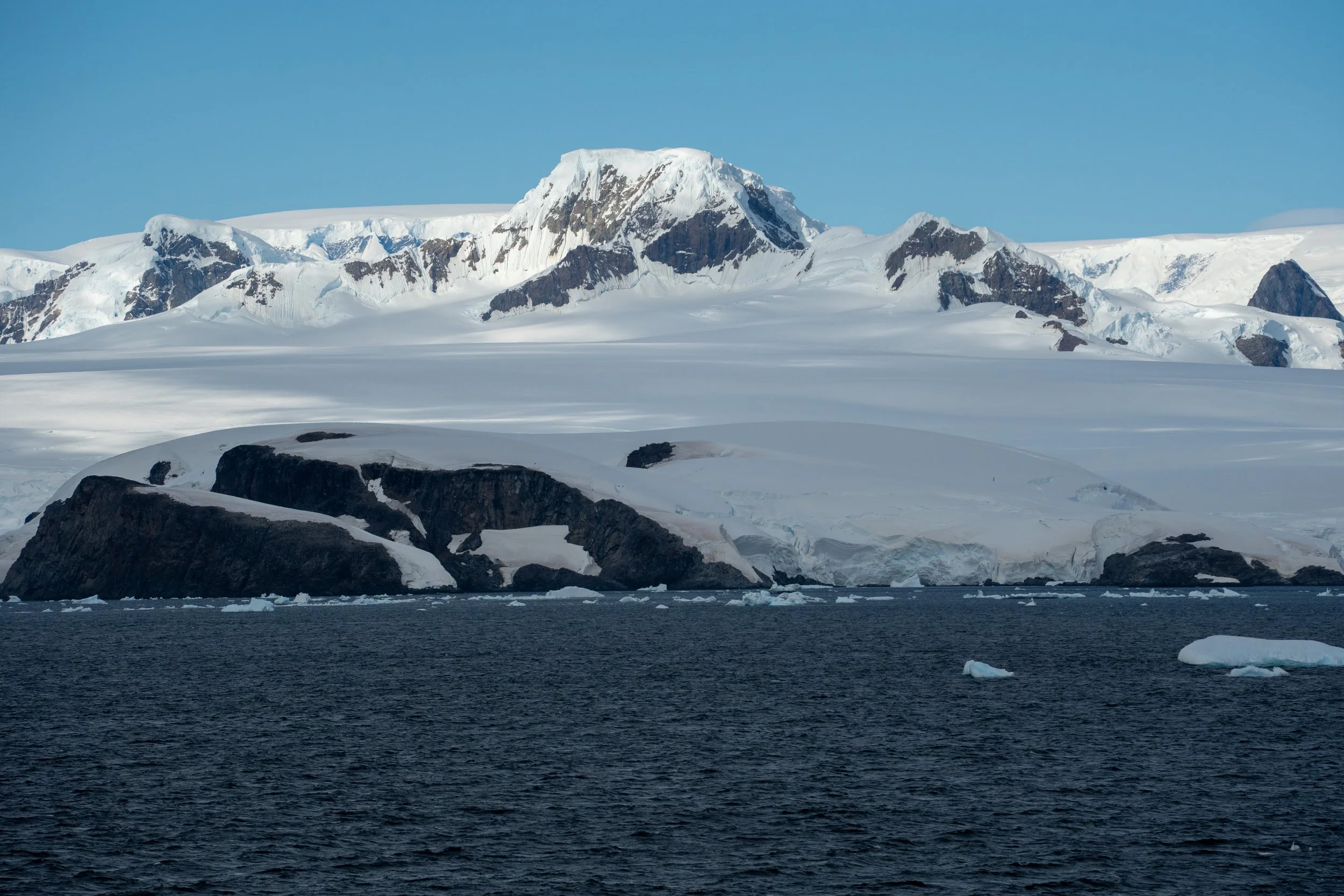
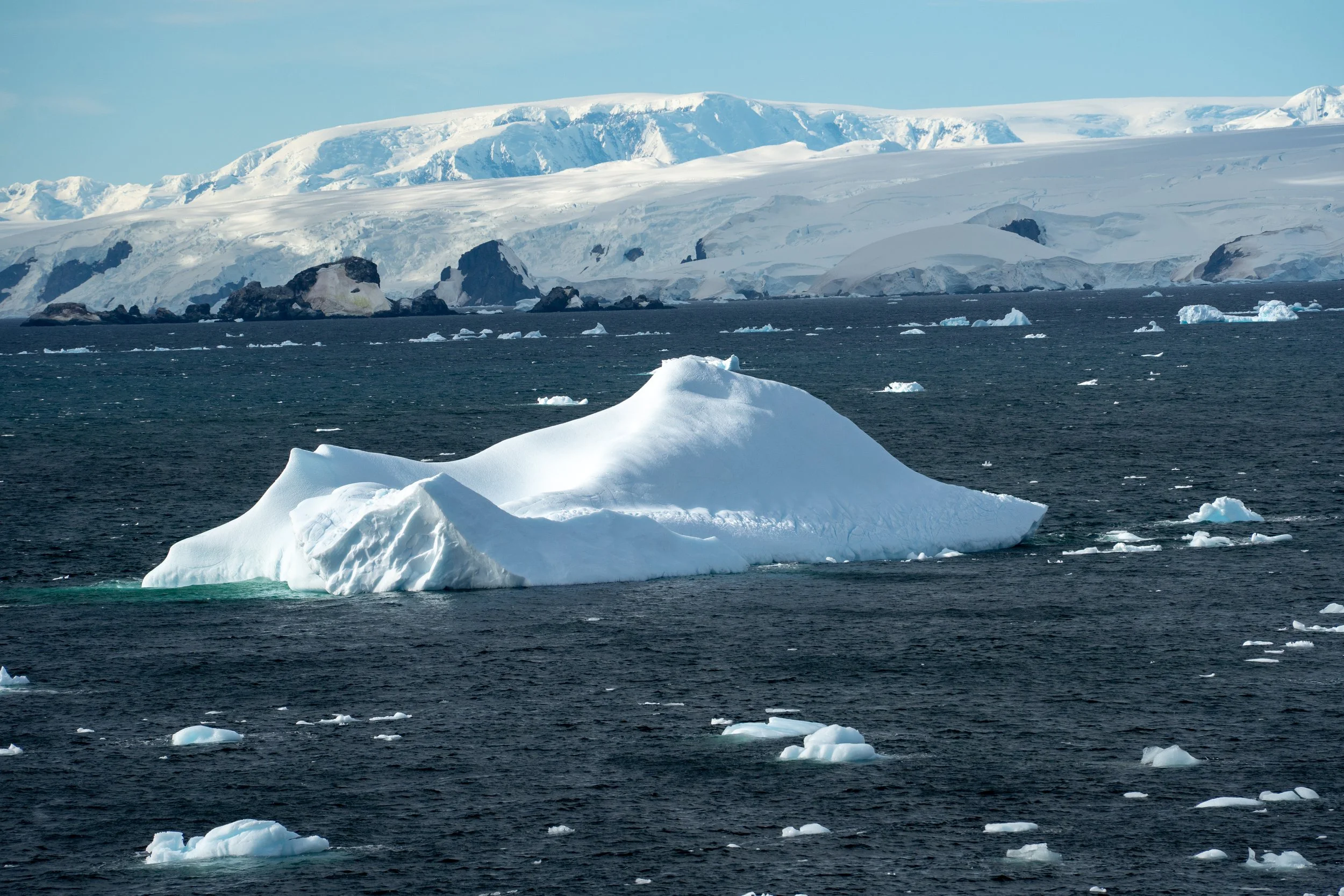
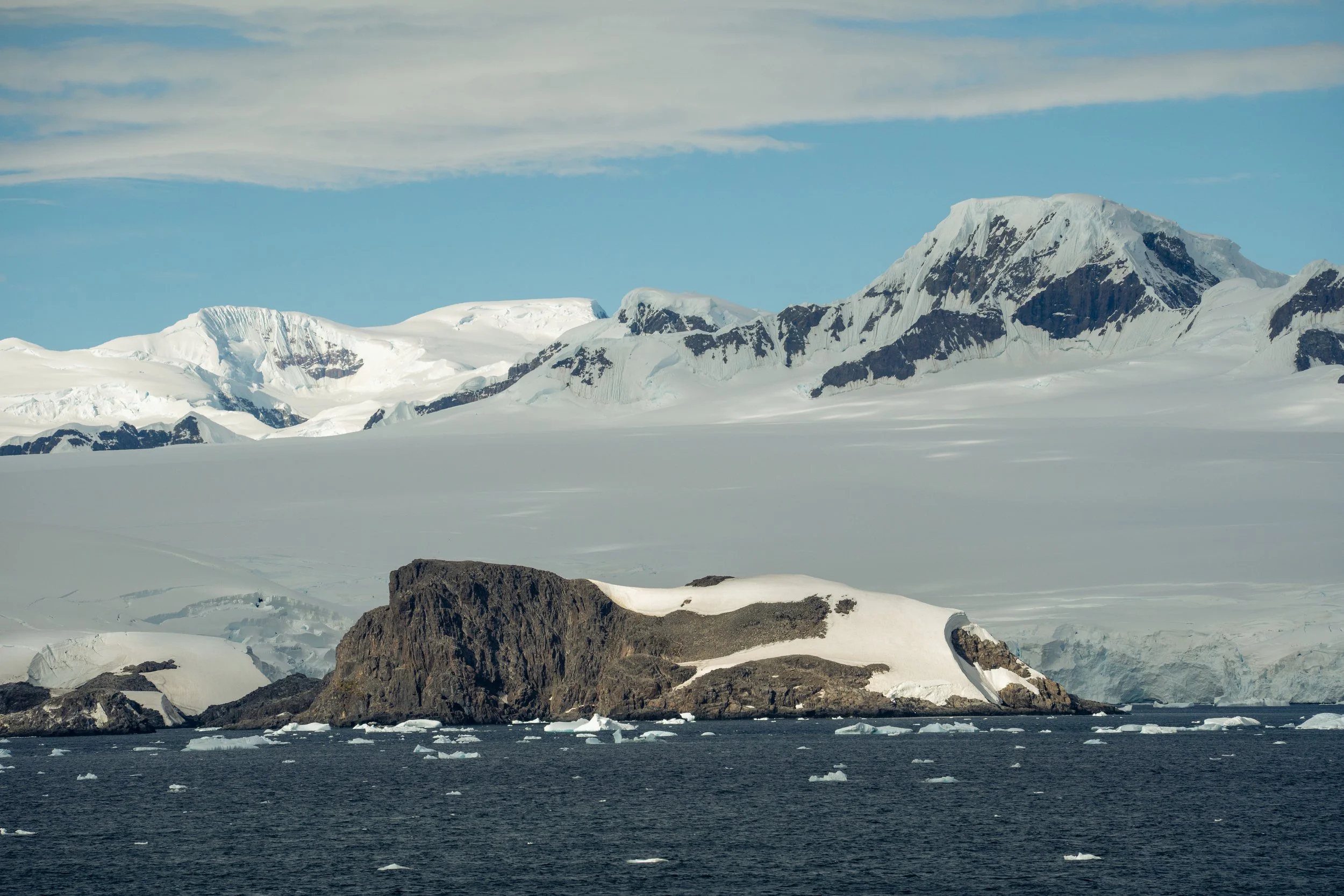
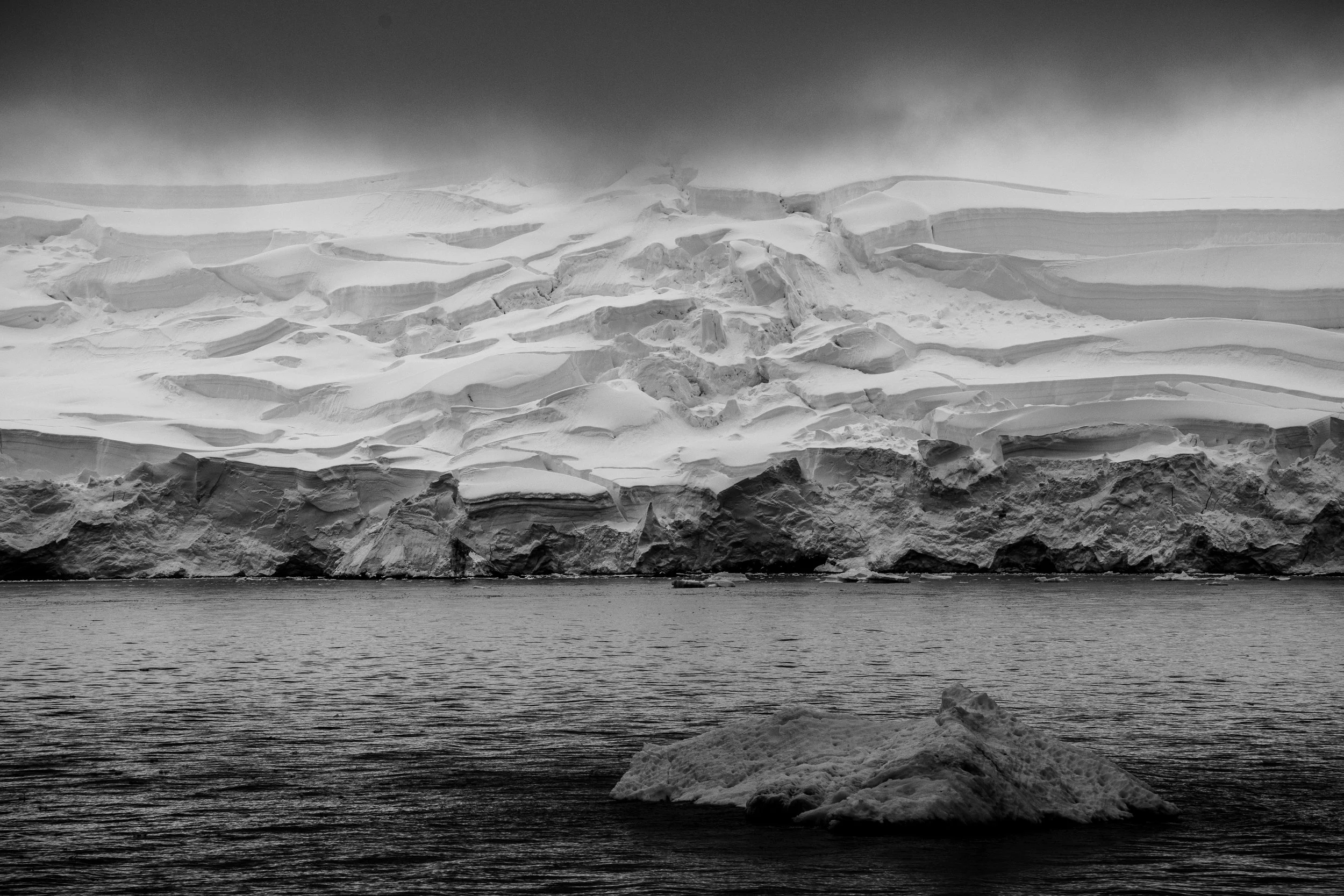
Our next stop was Fournier Bay.
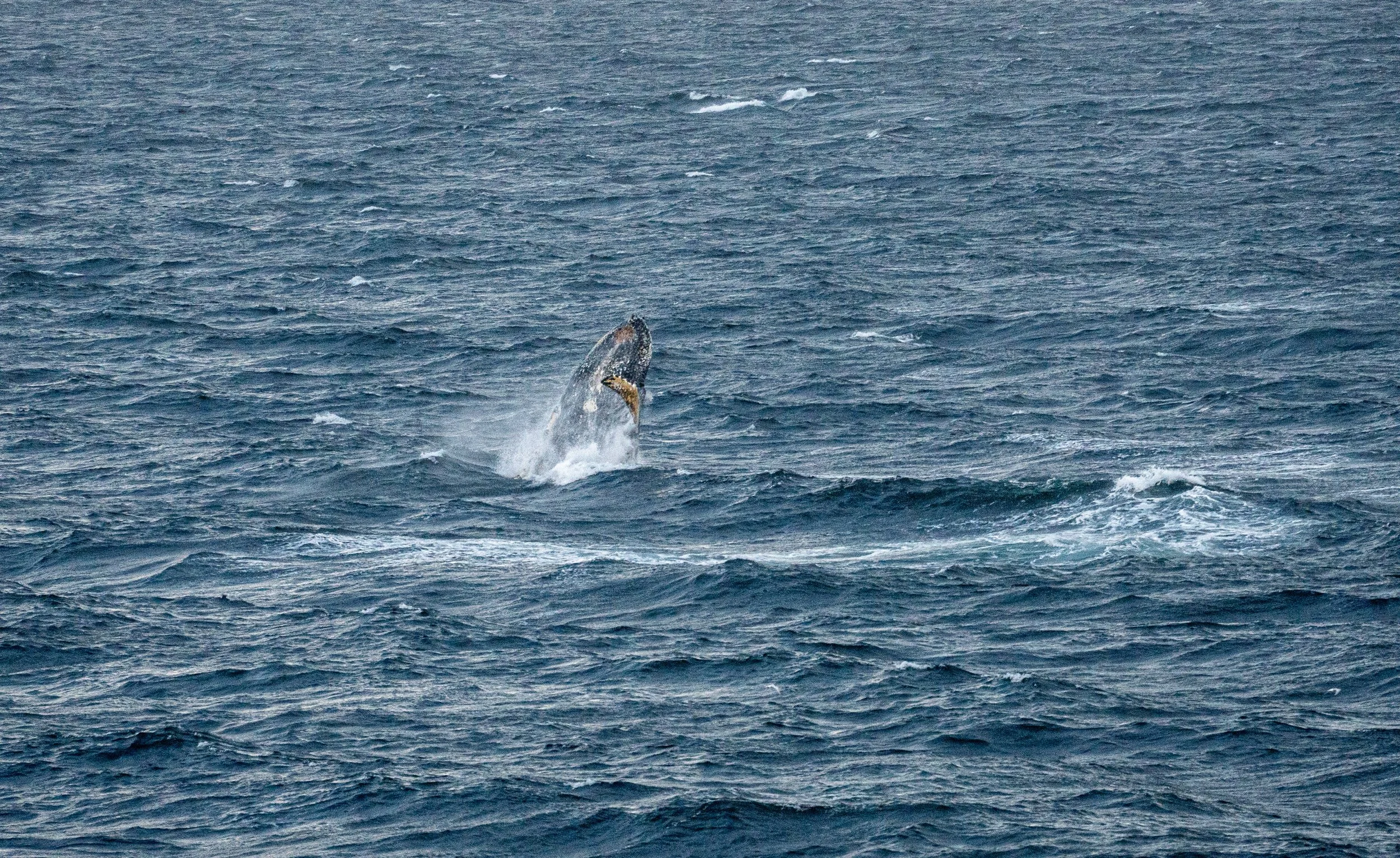
We were able to watch Humpback whales in Fournier Bay.
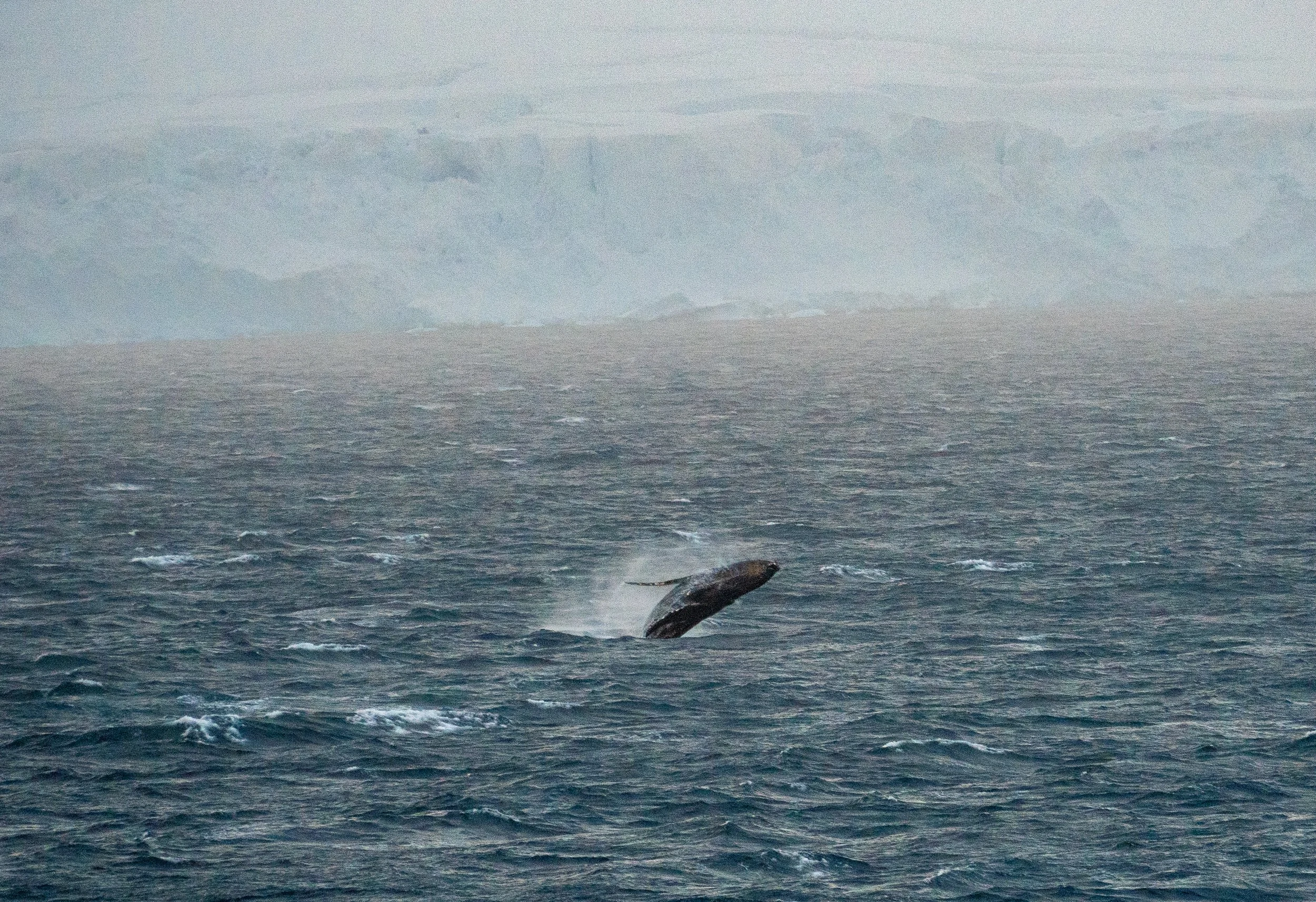
There is nothing quite like watching whales breeching.
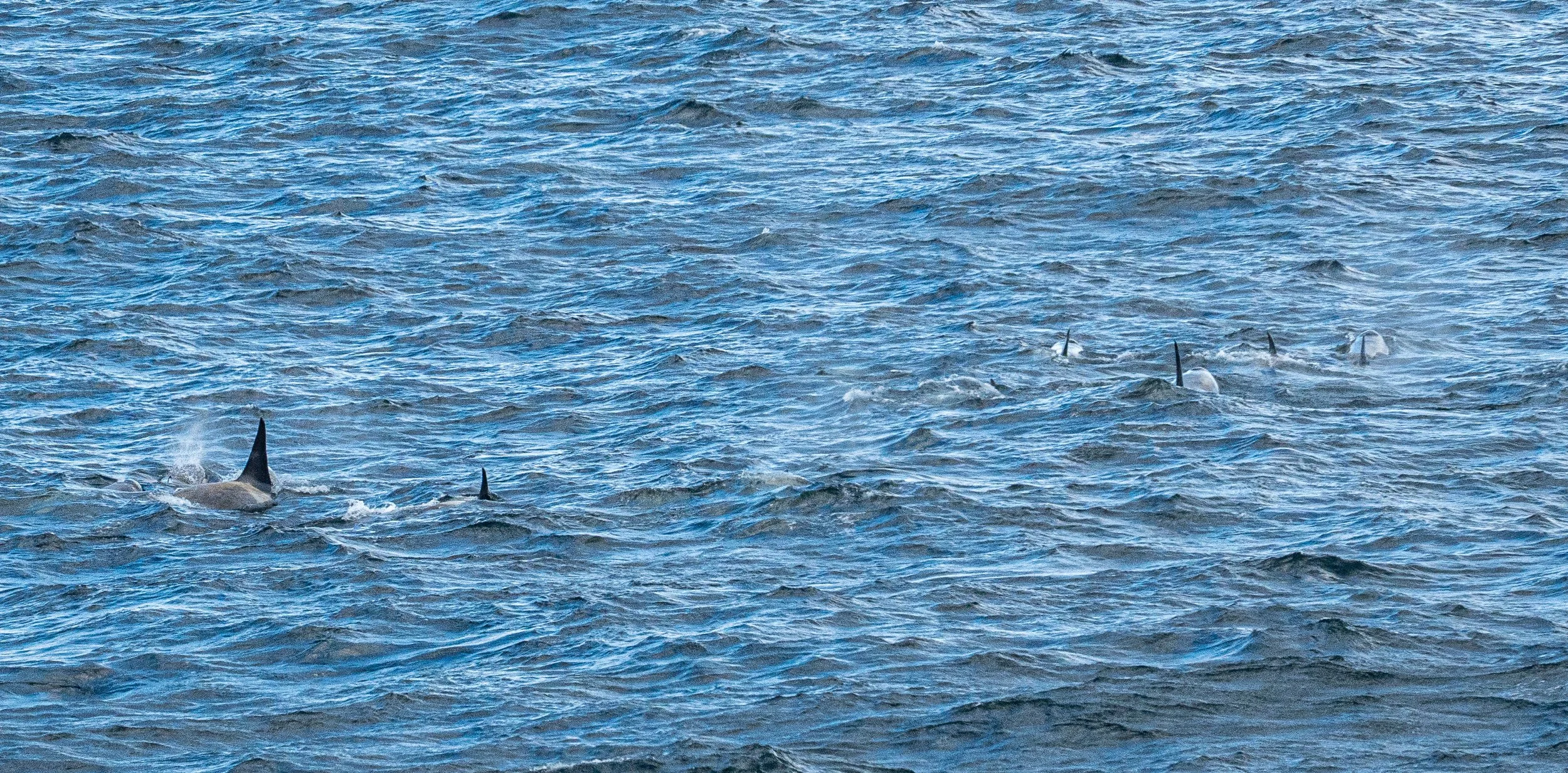
We watched several large PODs of Orcas.
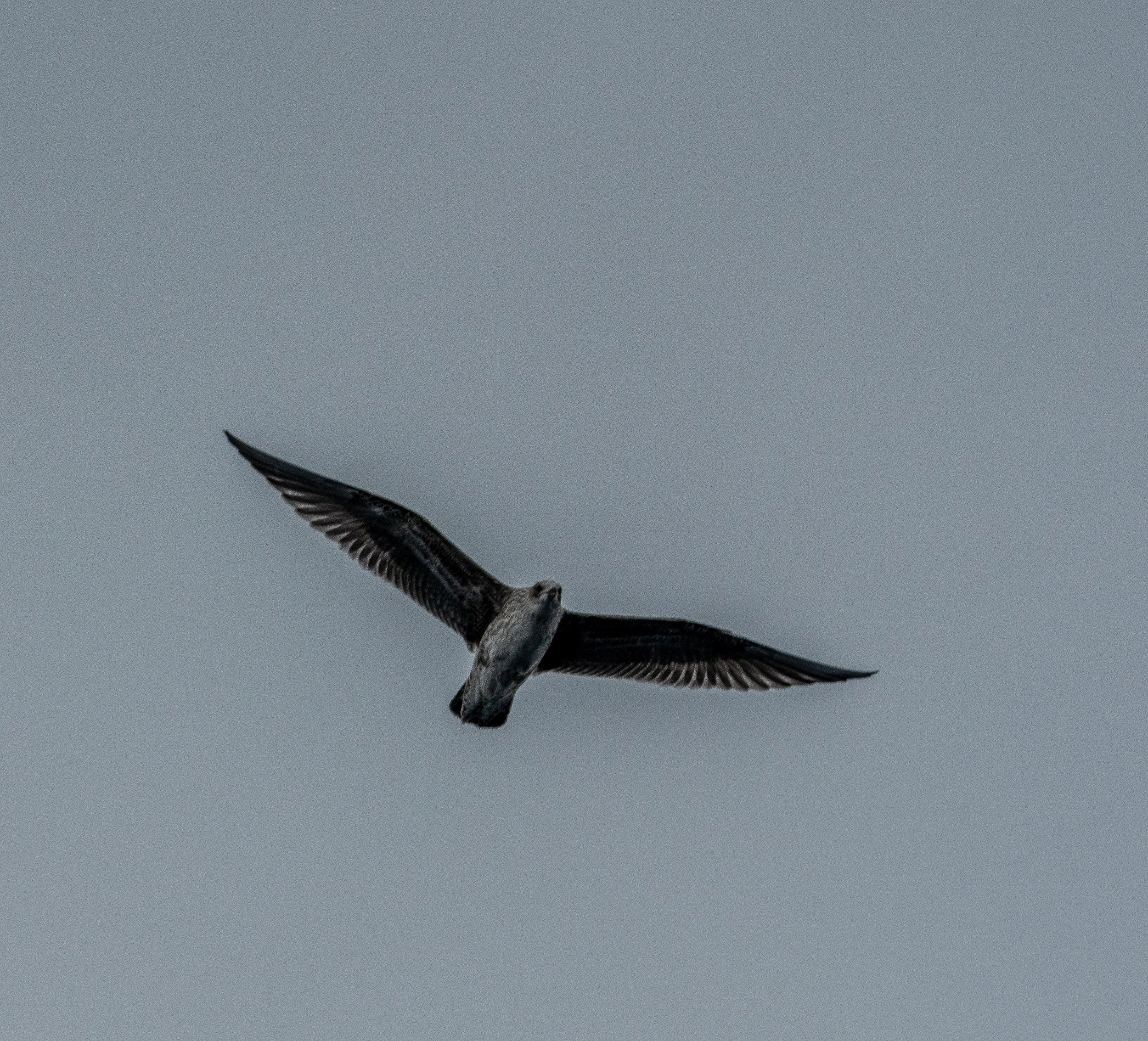
More Petrels.
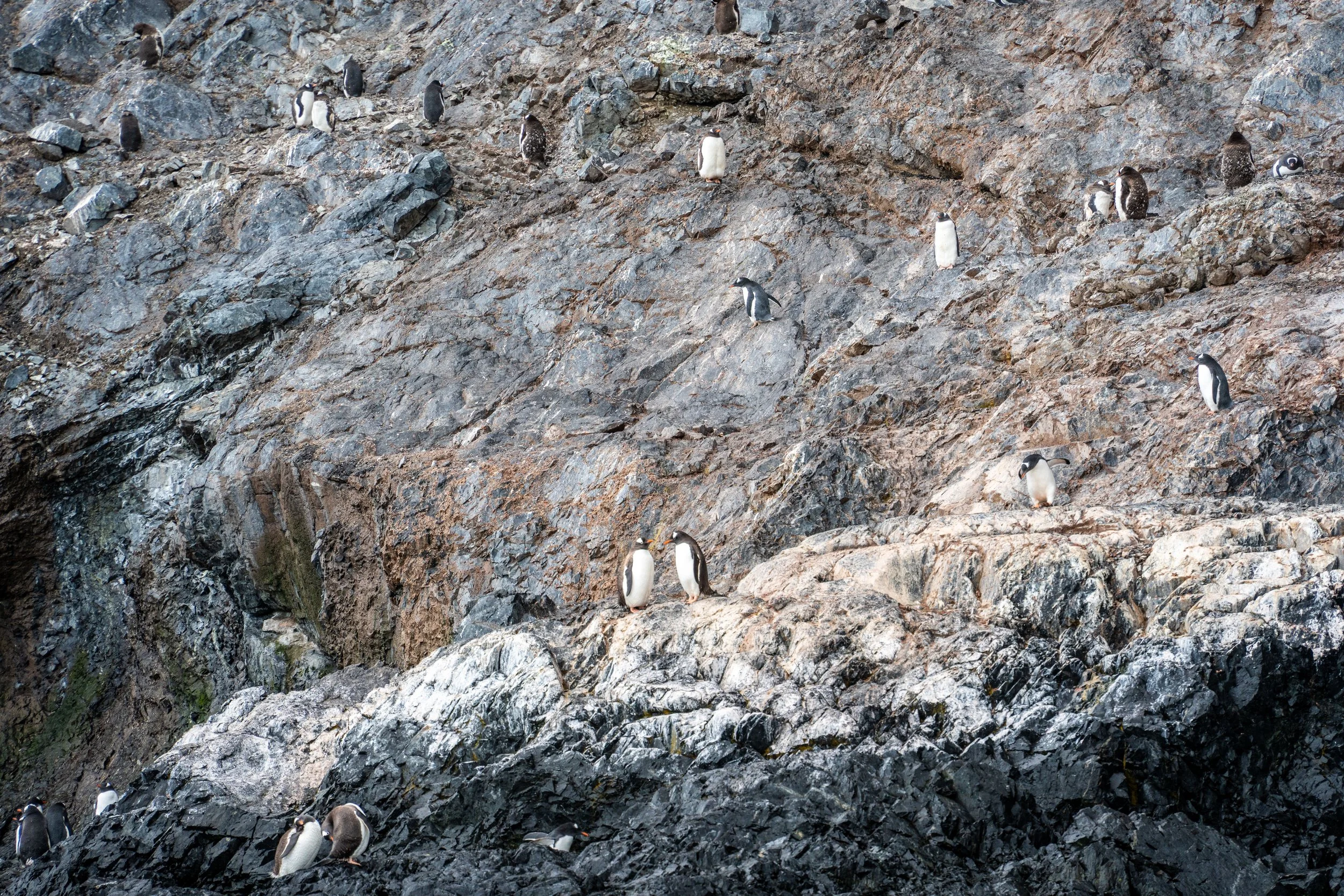
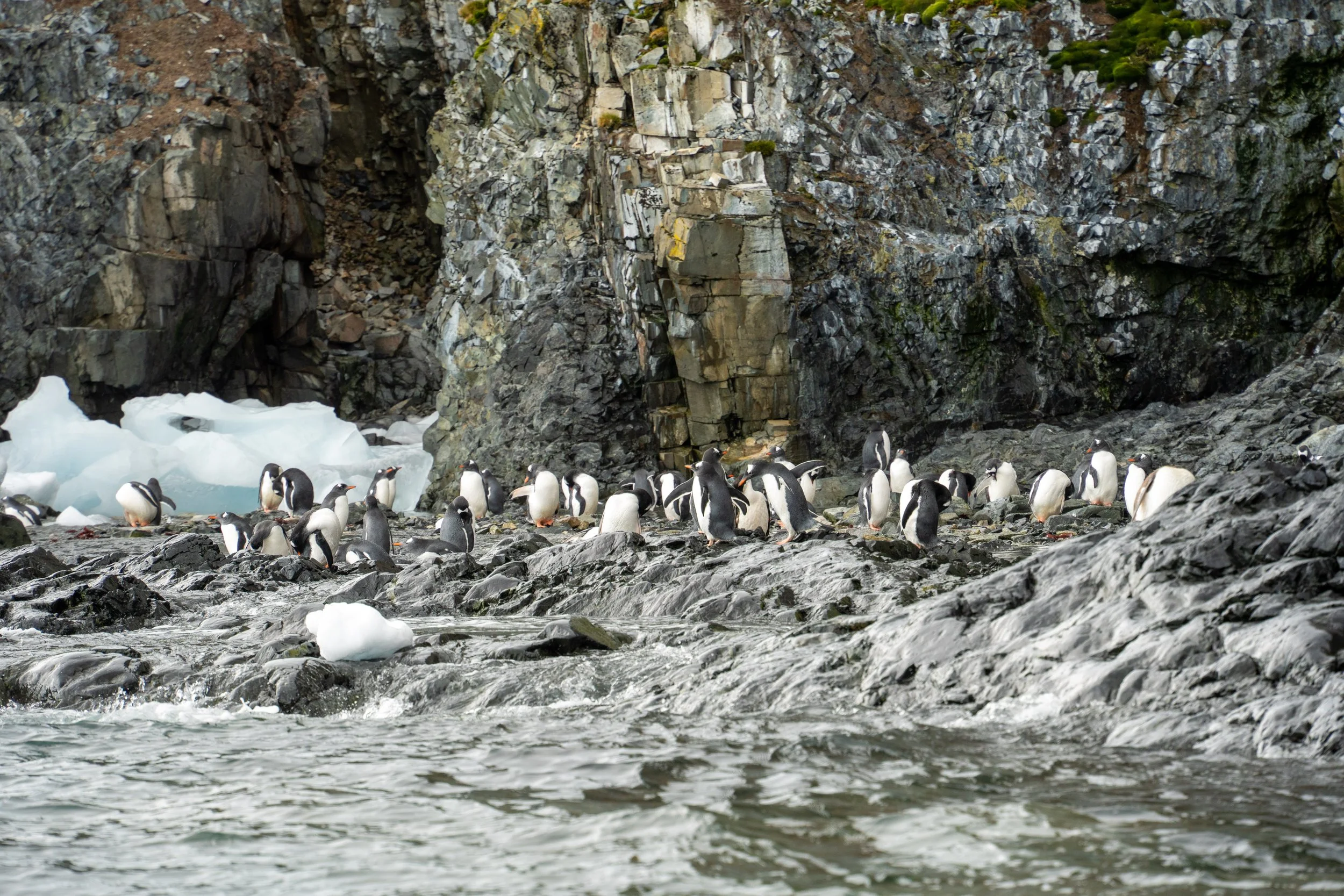
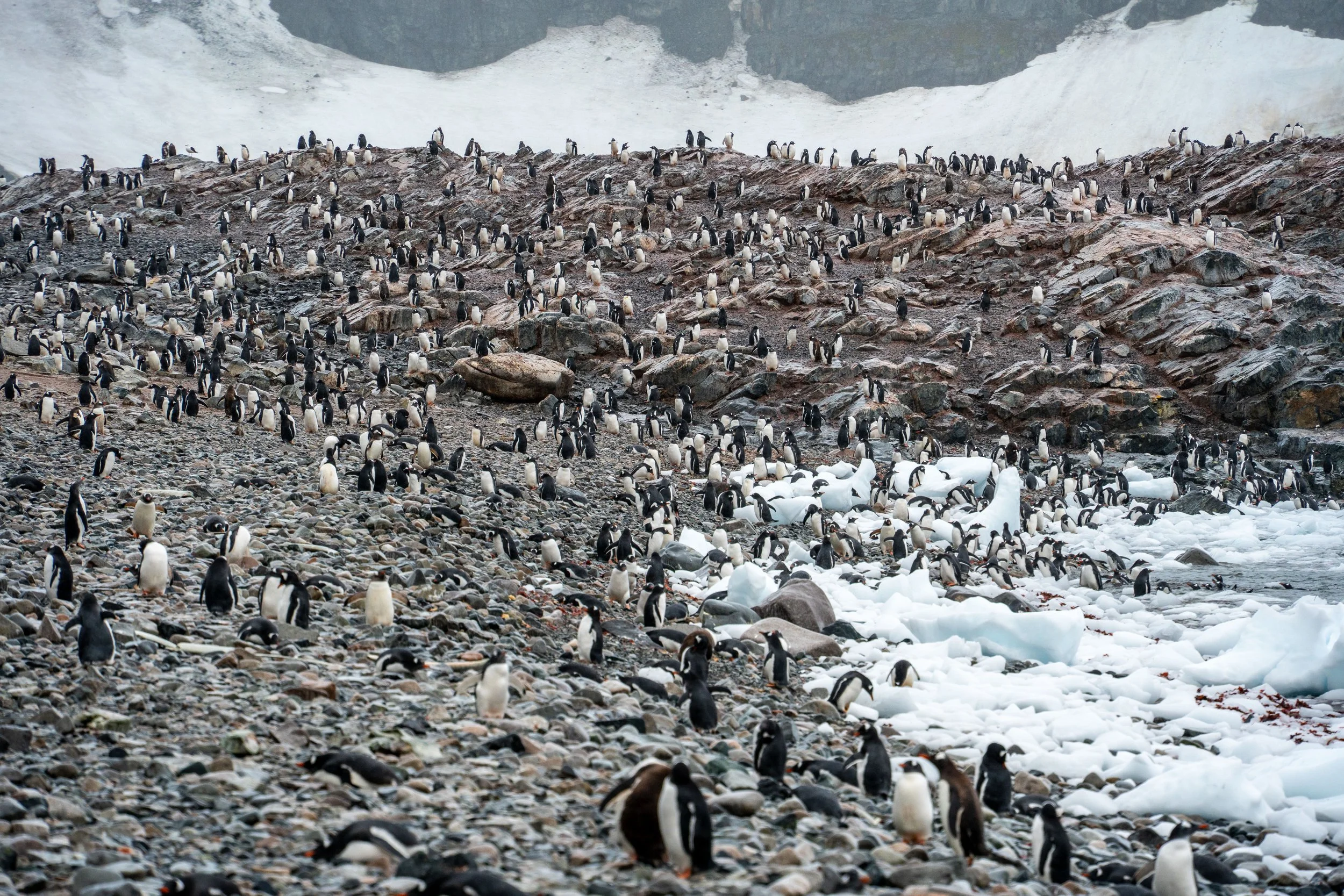
On some of the landing sites we saw thousands of Penguins.
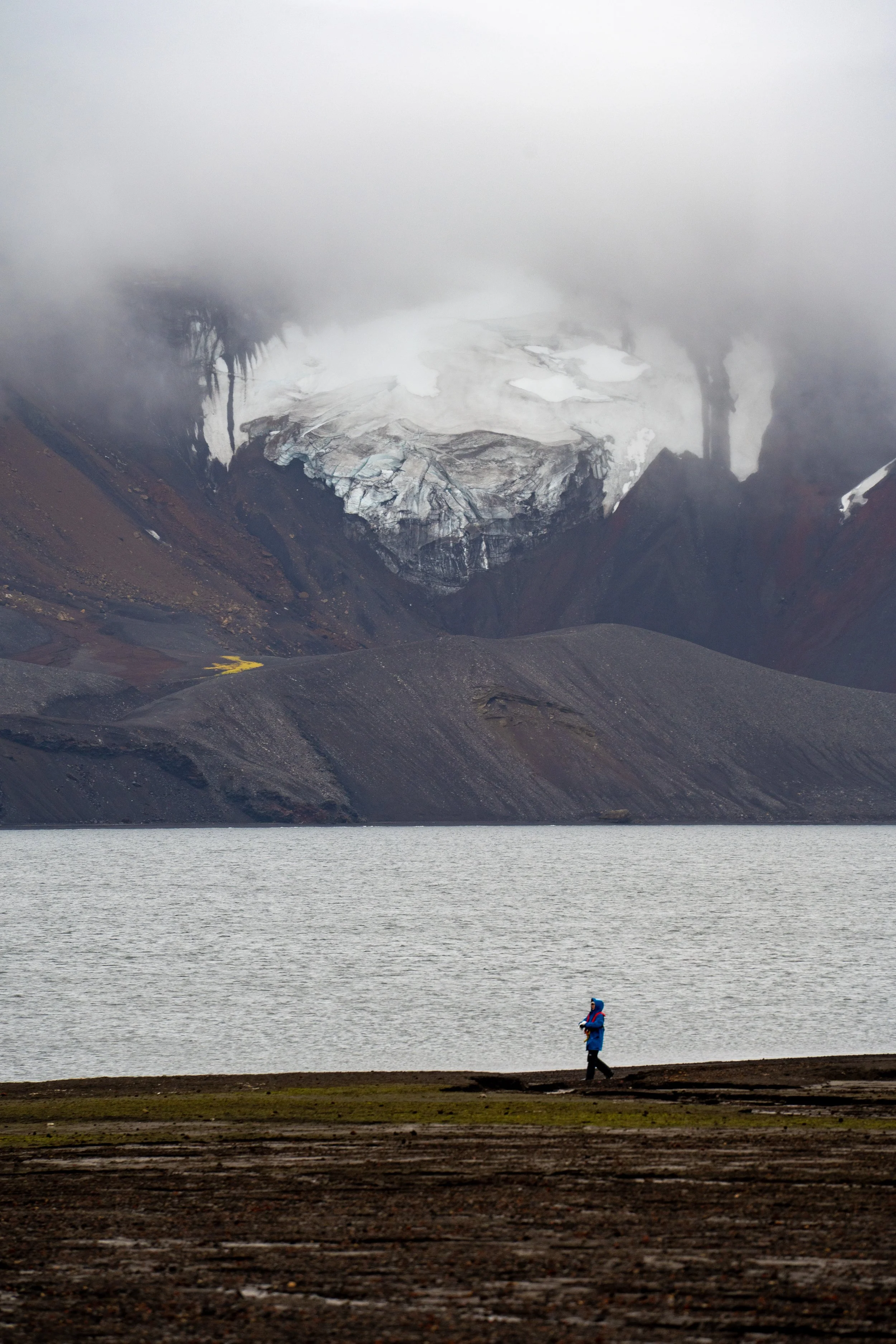
Our last stop was Deception Island.
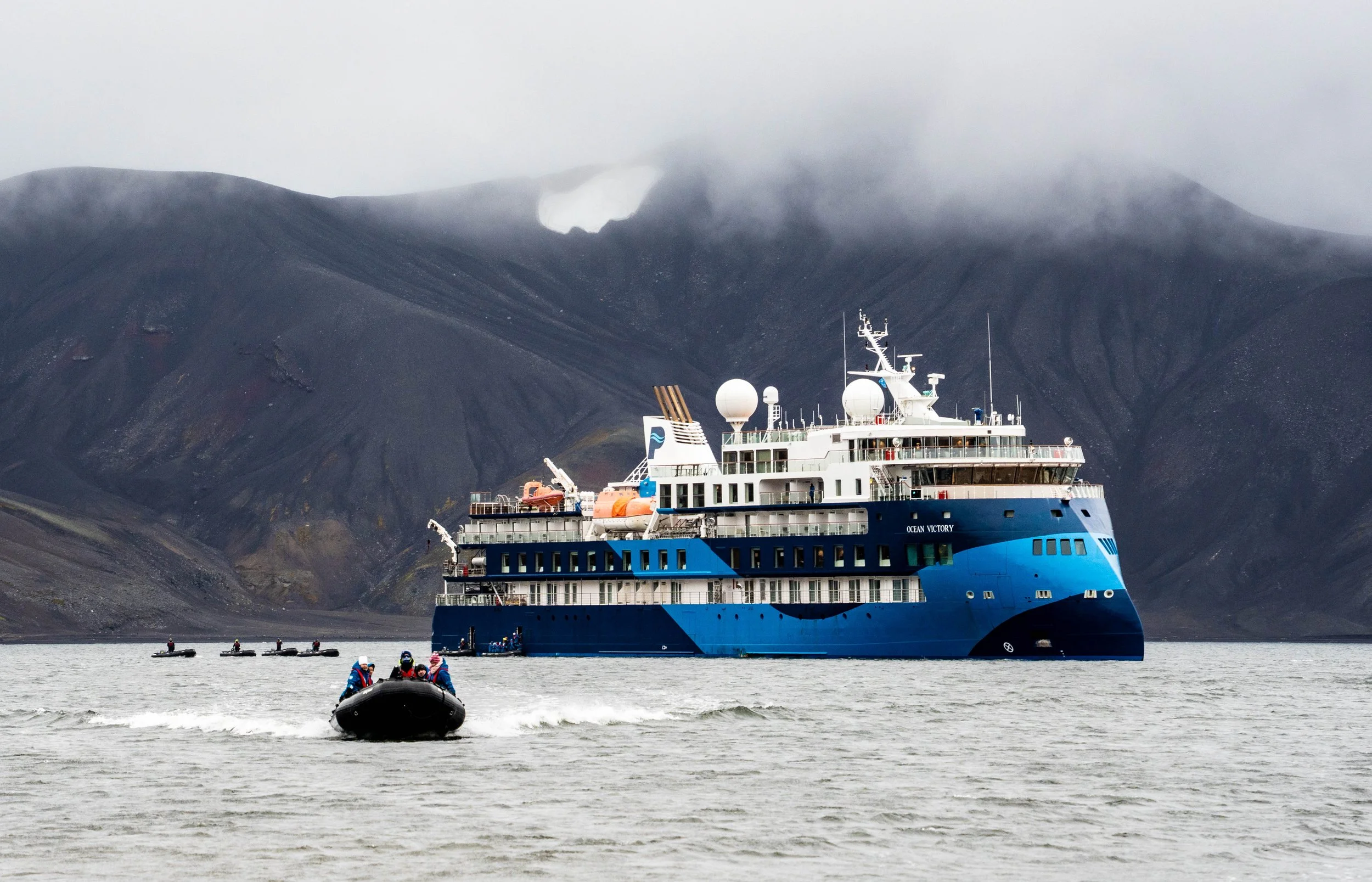
Deception Island is the caldera of an active volcano which last erupted in 1969.
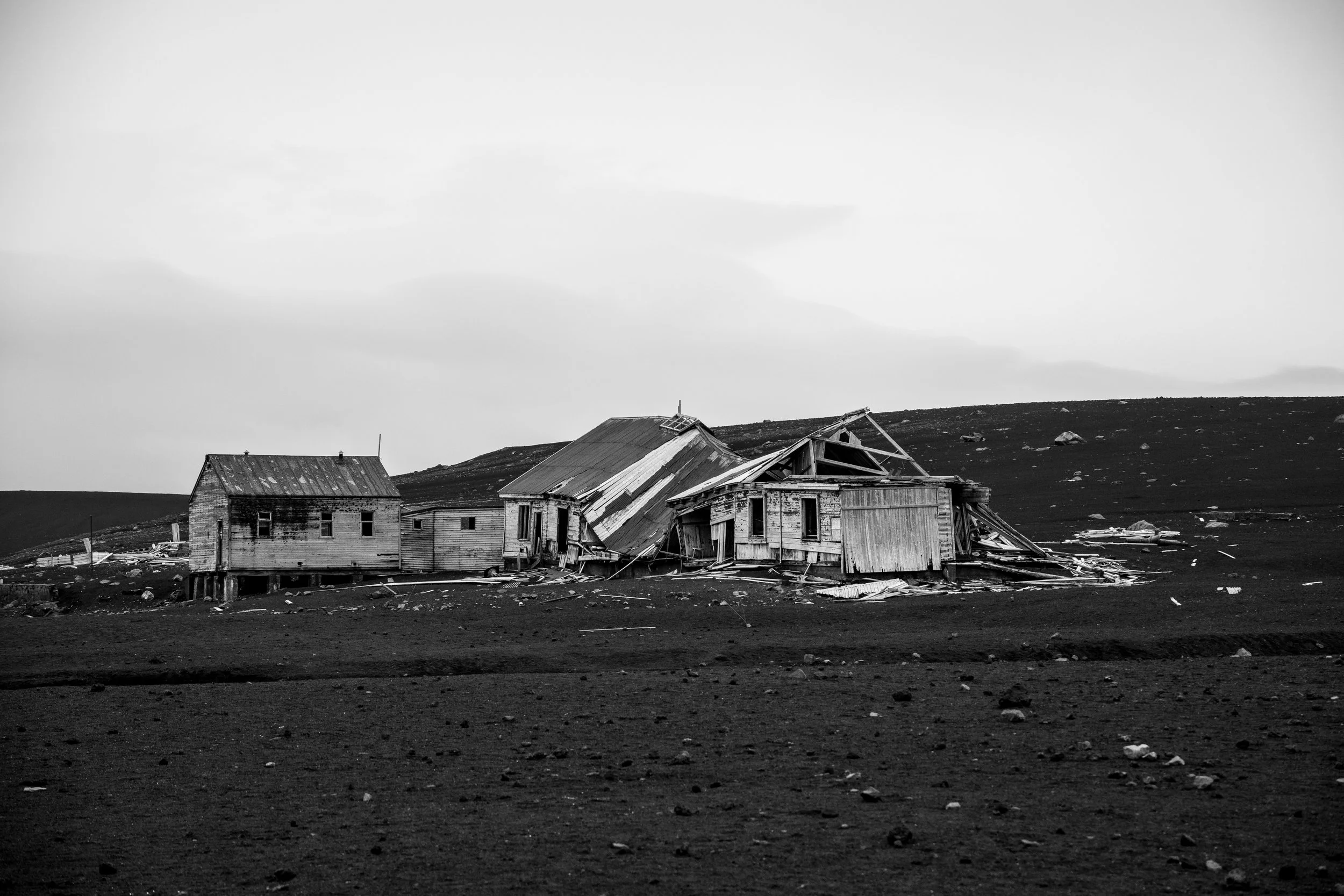
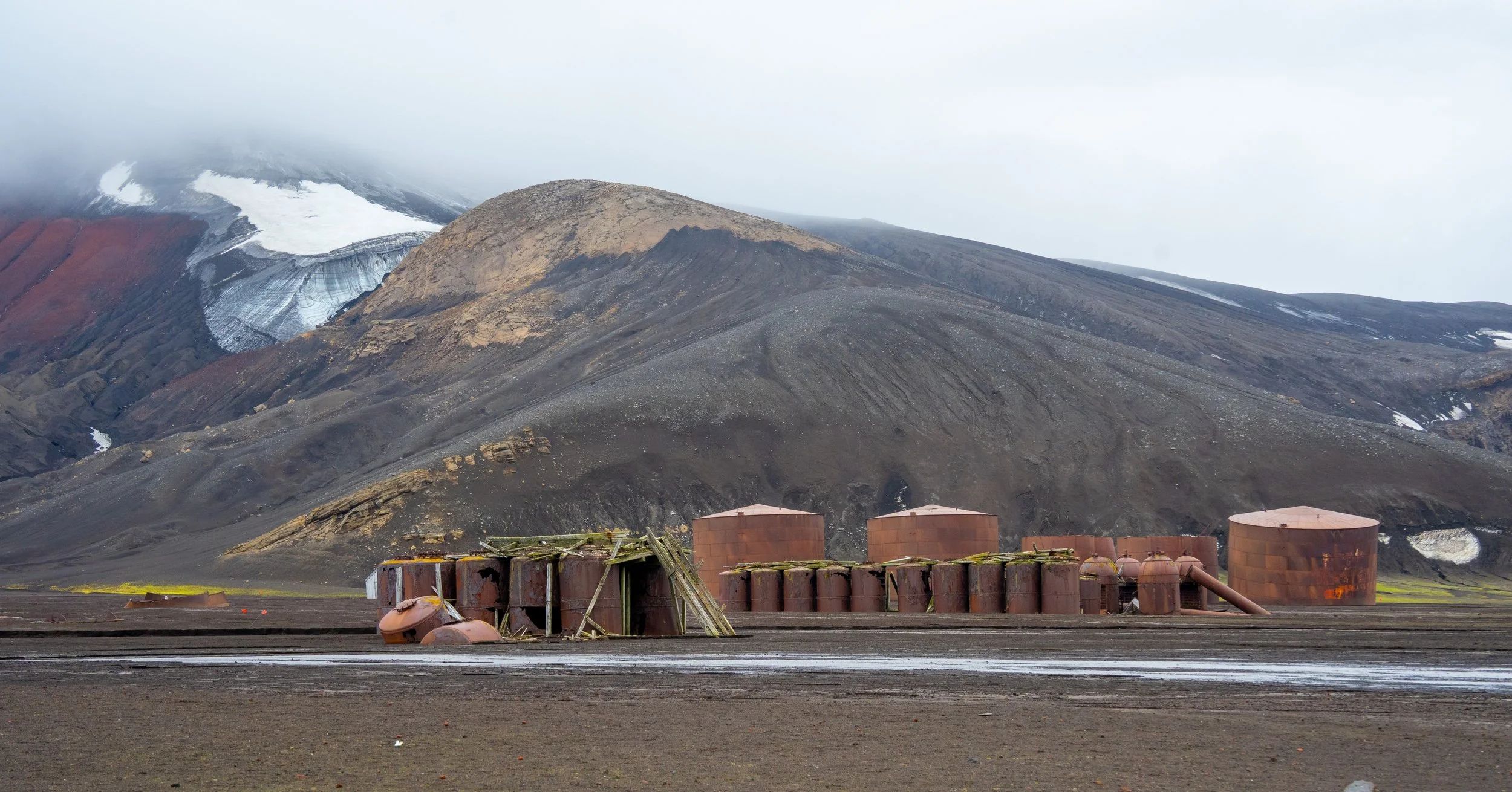
We explored the area called Whaler’s Bay. In the 1800s, this area became a major hub for fur sealing and in the early 1900s, for whaling. The Seal and Whale populations were devastated in this area.
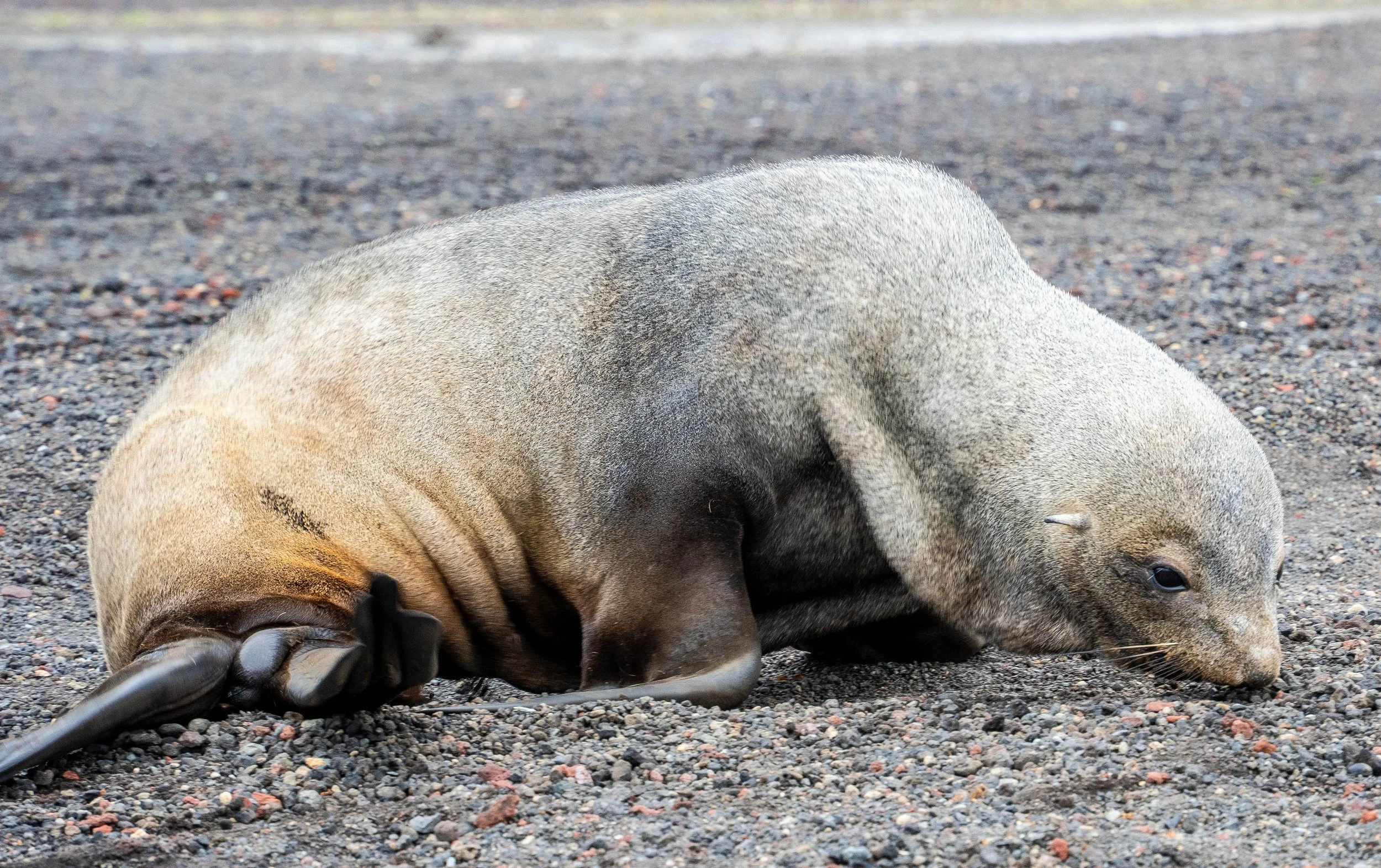
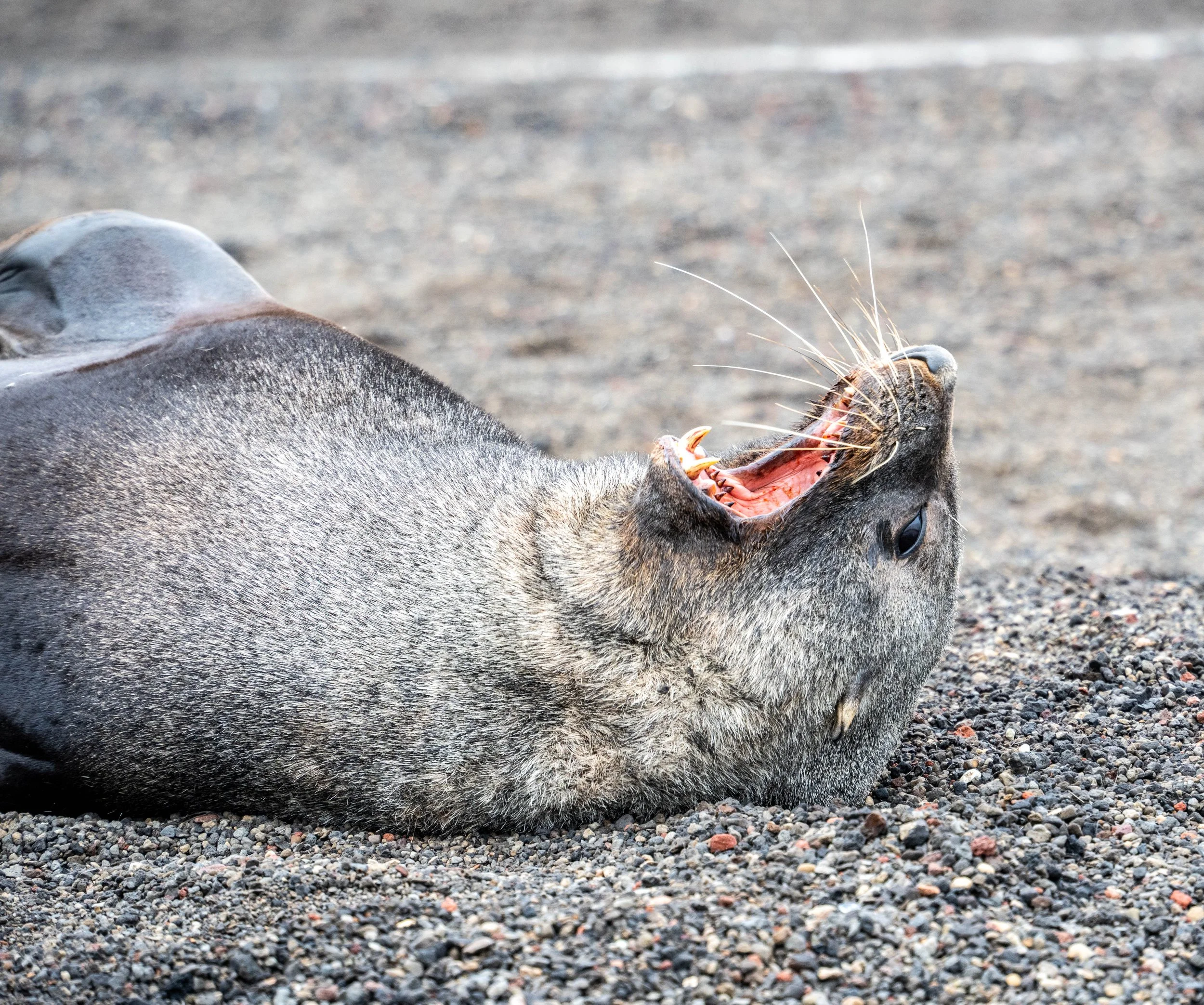
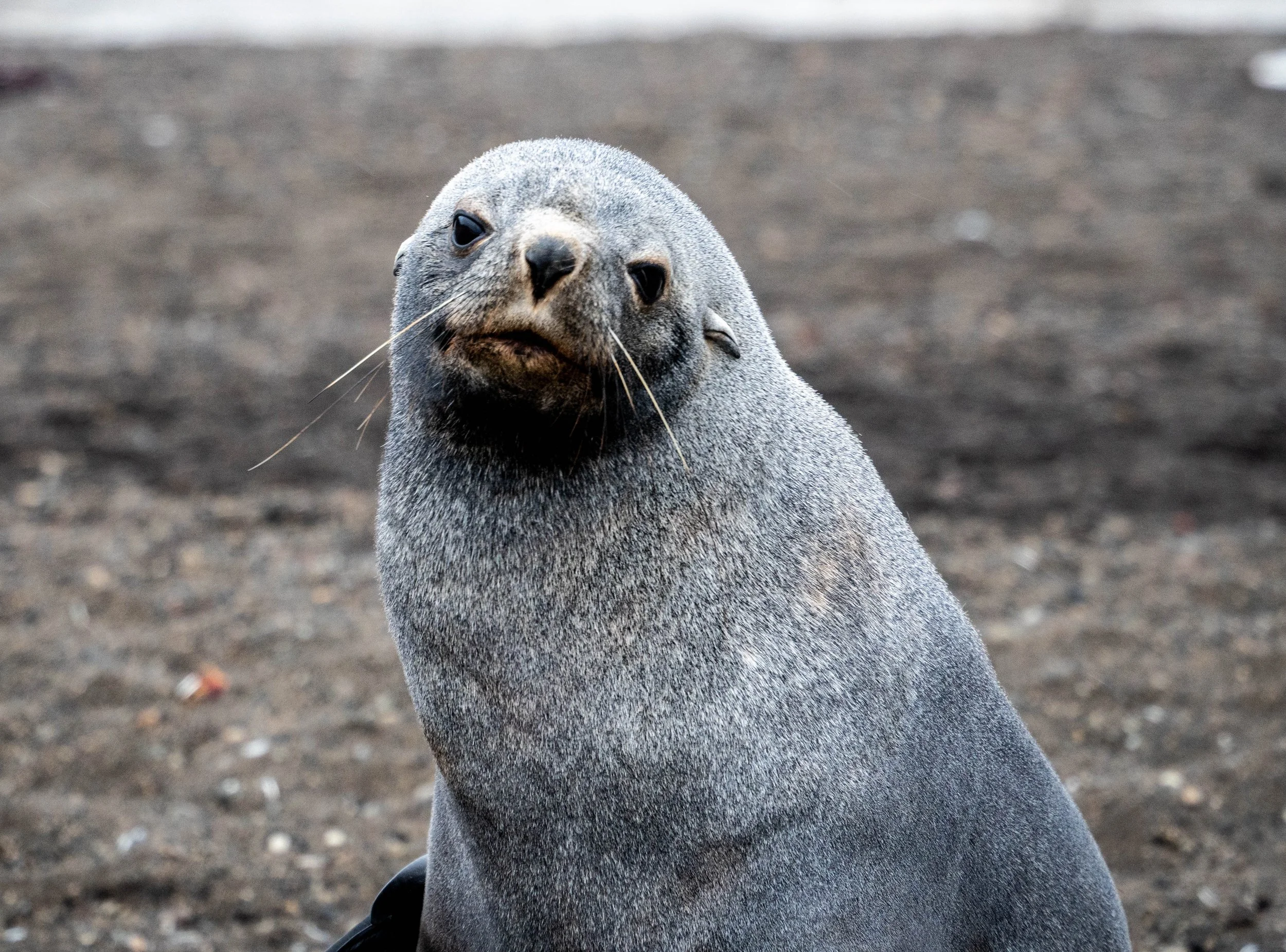
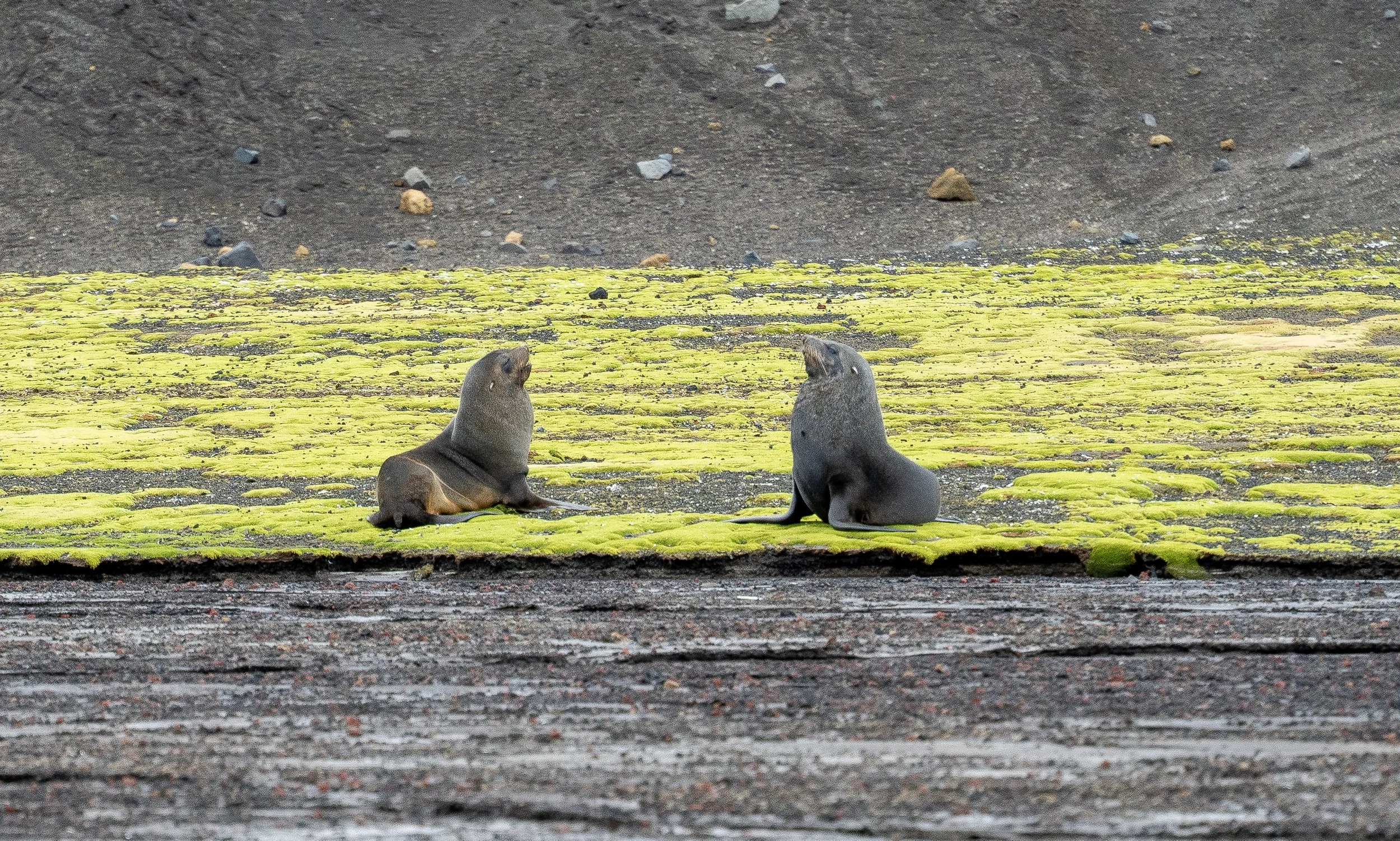
Fur Seals are easily seen on Deception Island.
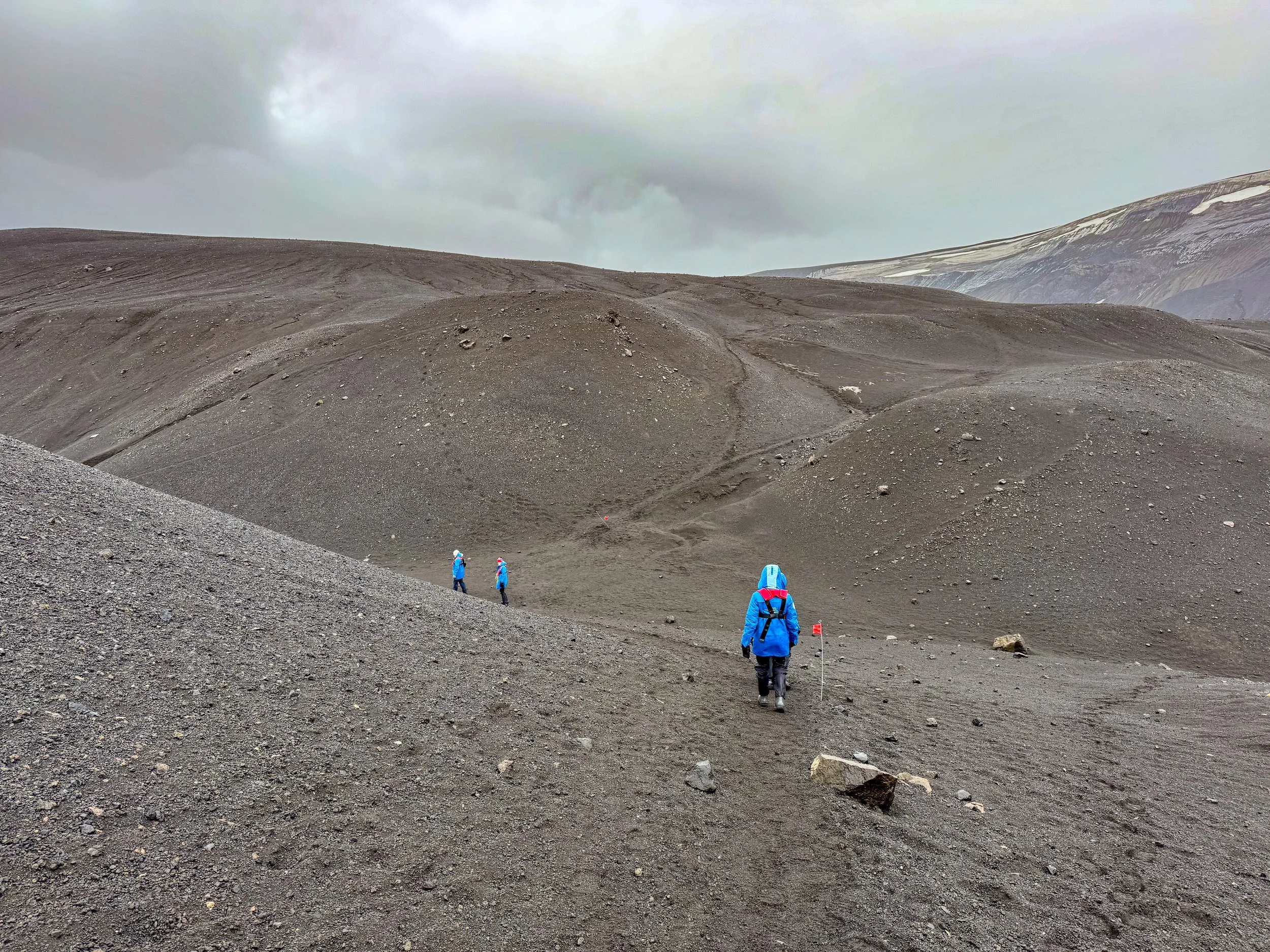
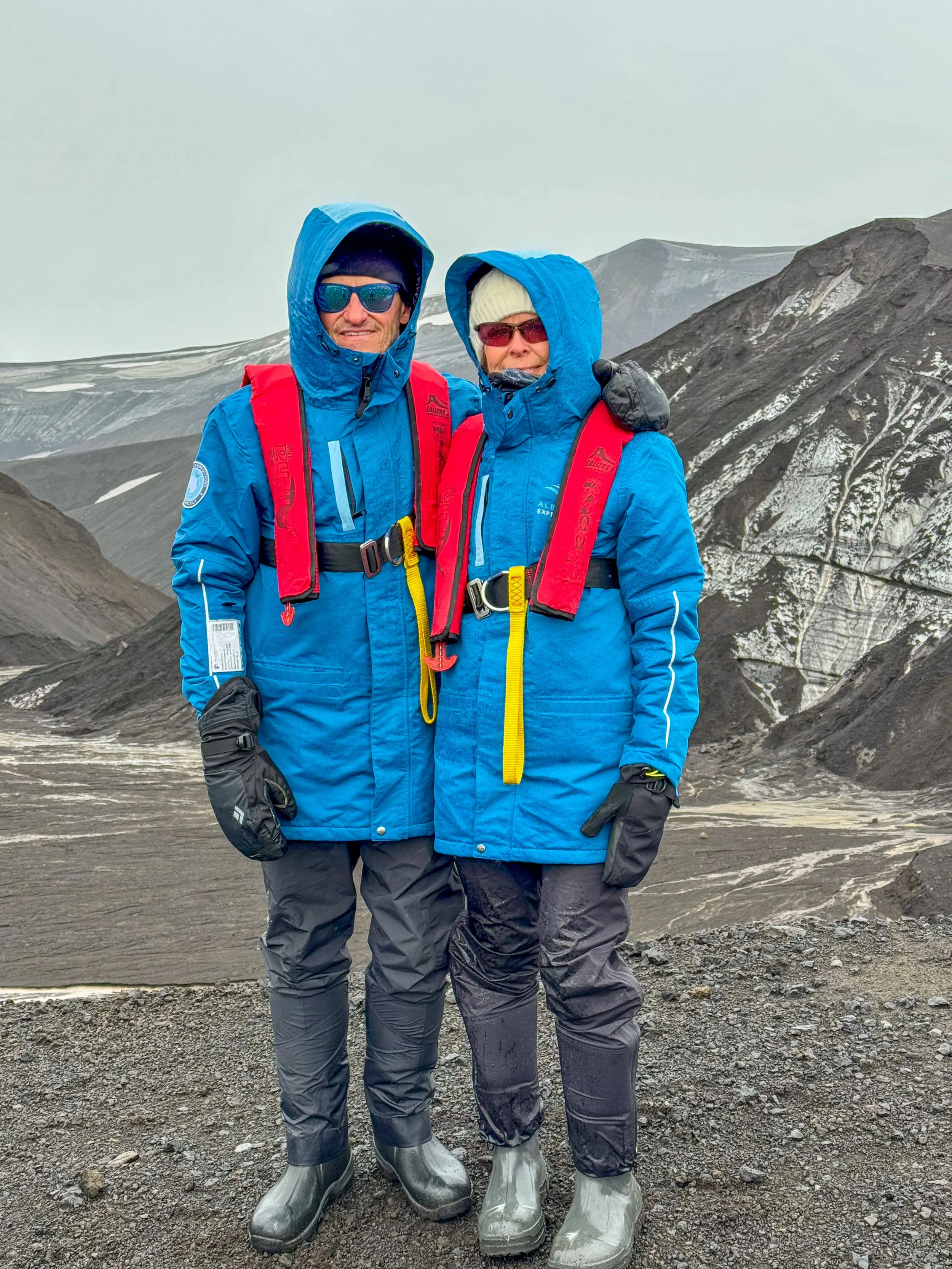
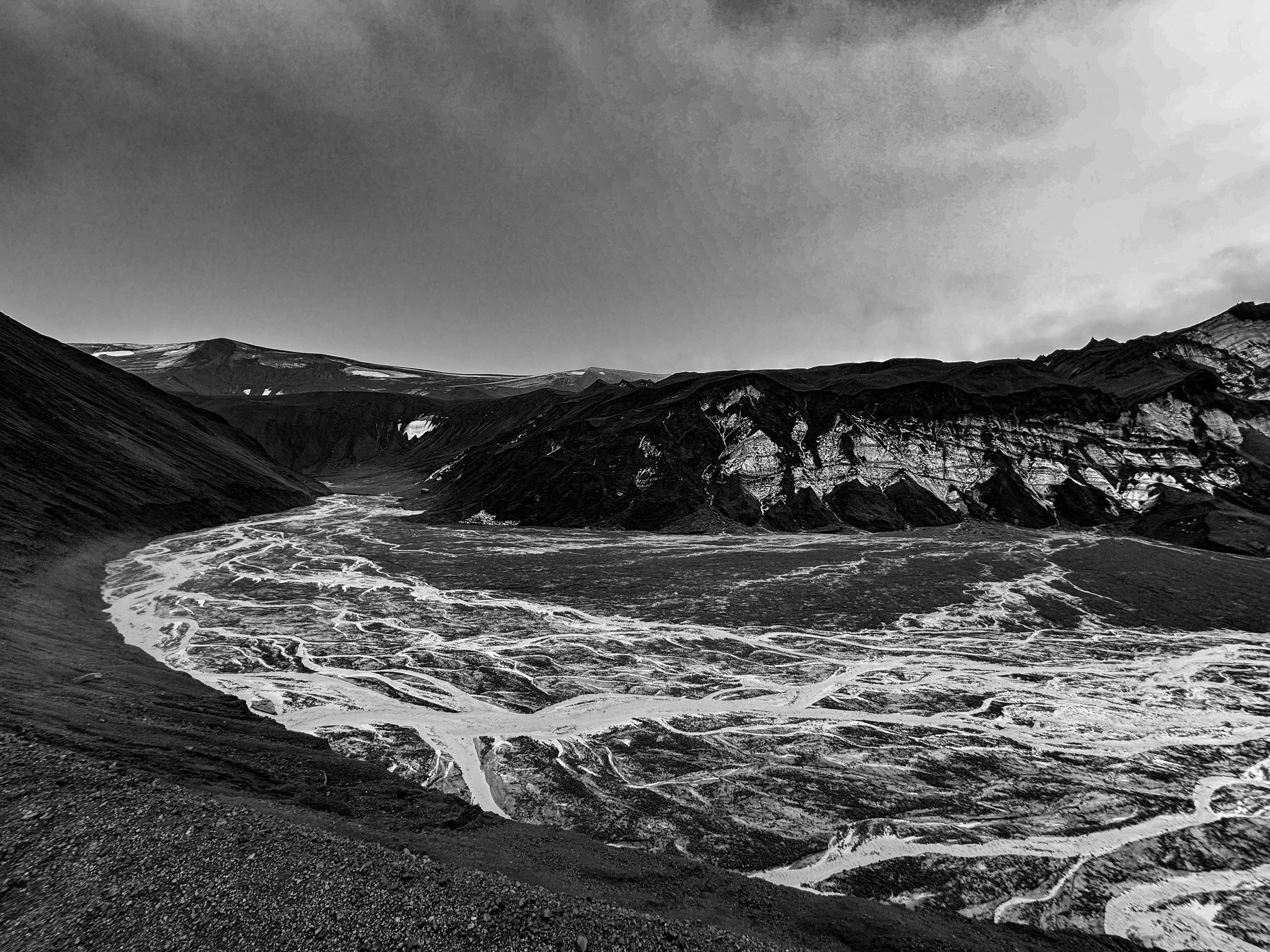
Our next stop on Deception Island was Telefon Bay where we hiked around the caldera rim.
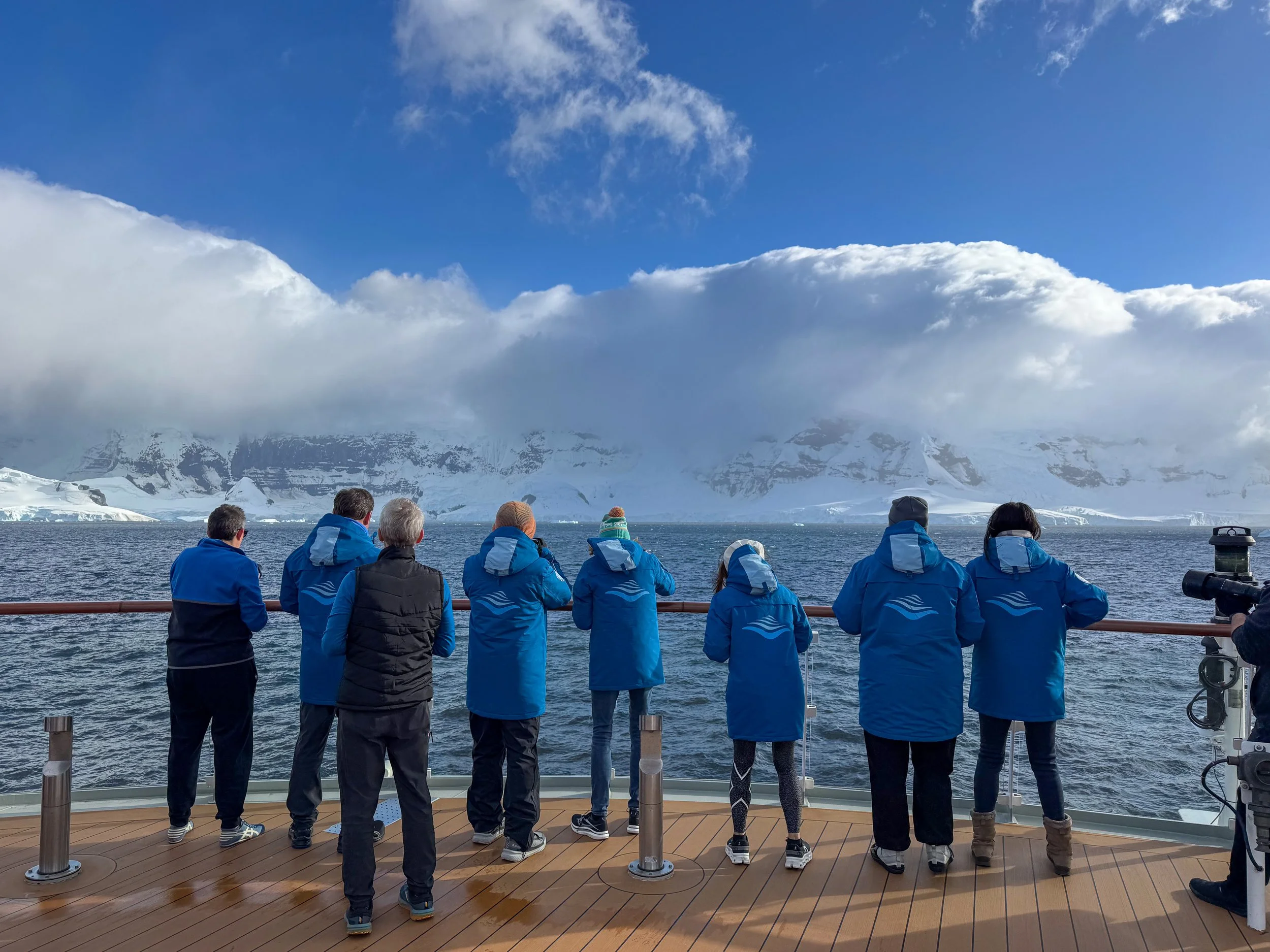
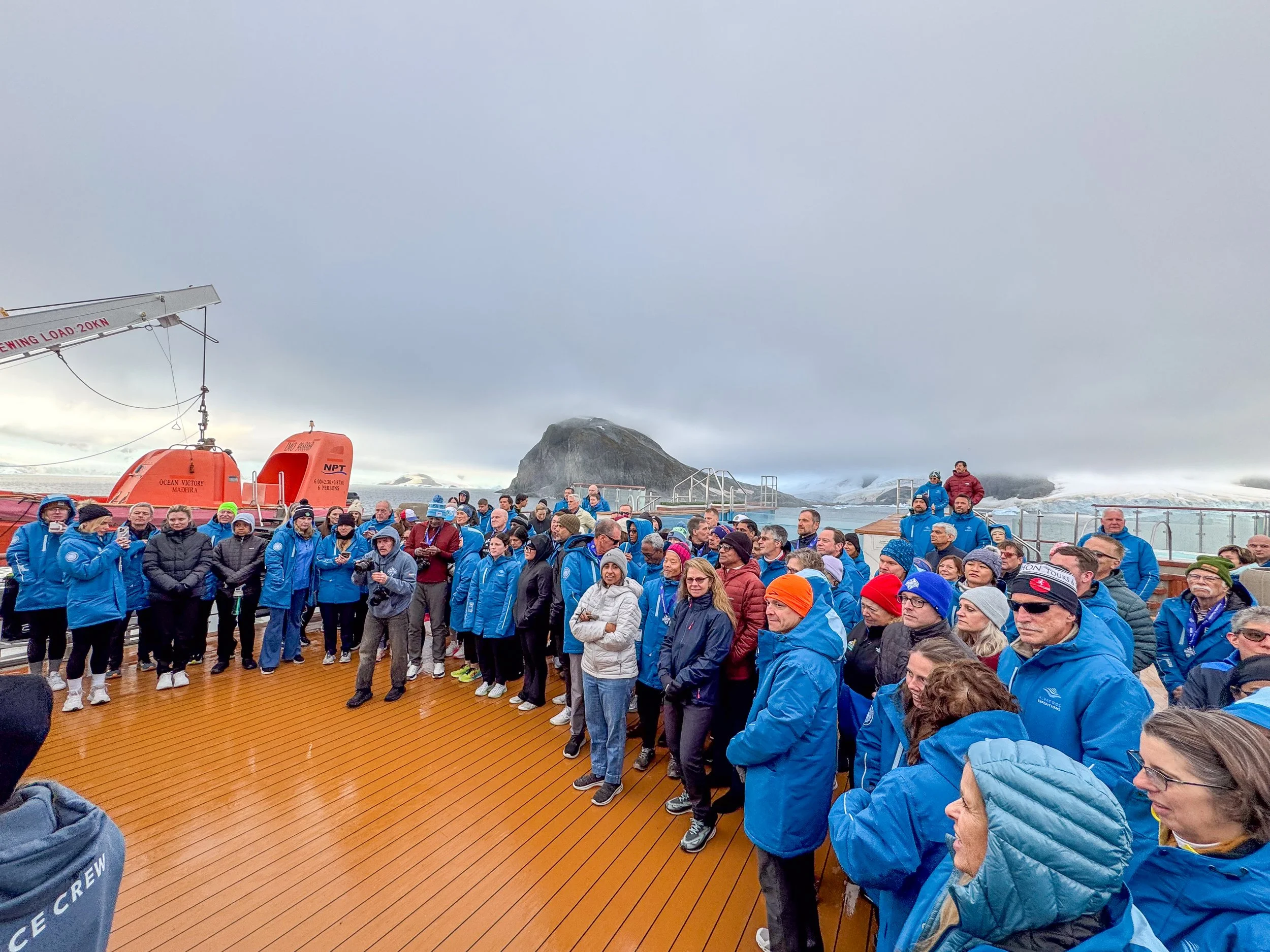
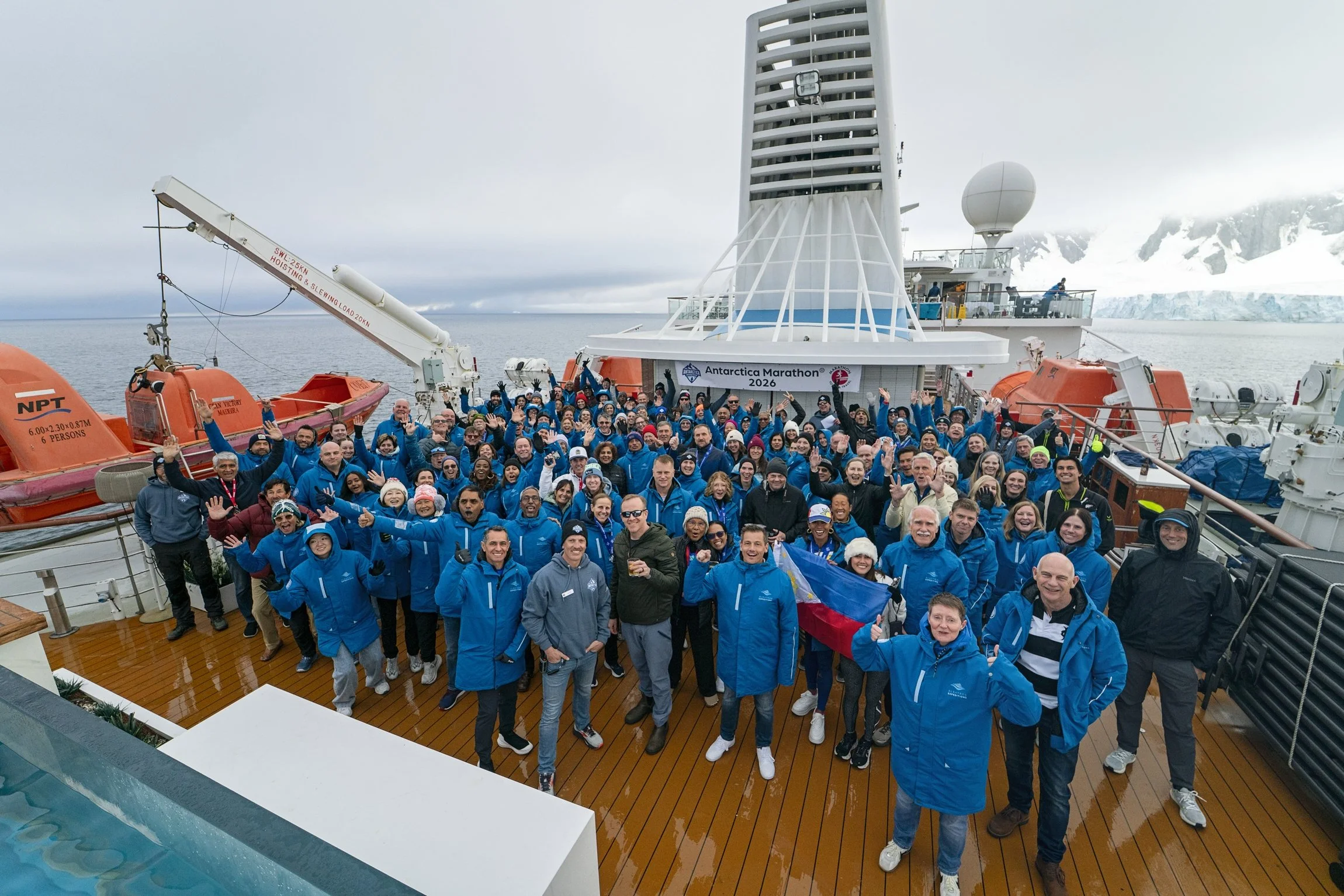
The Marathon awards ceremony was on the last night in Antarctica.
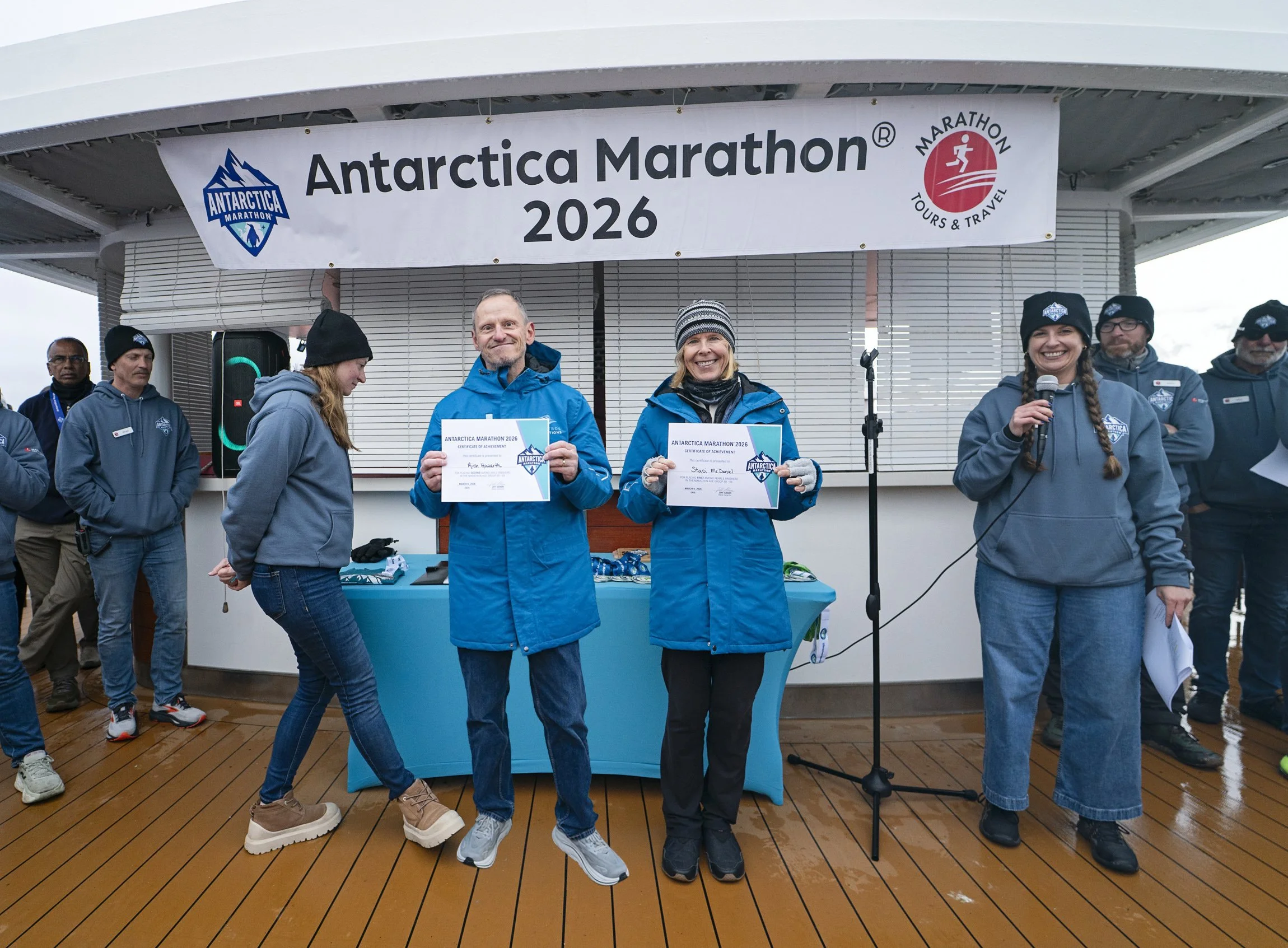
We both won age group awards.
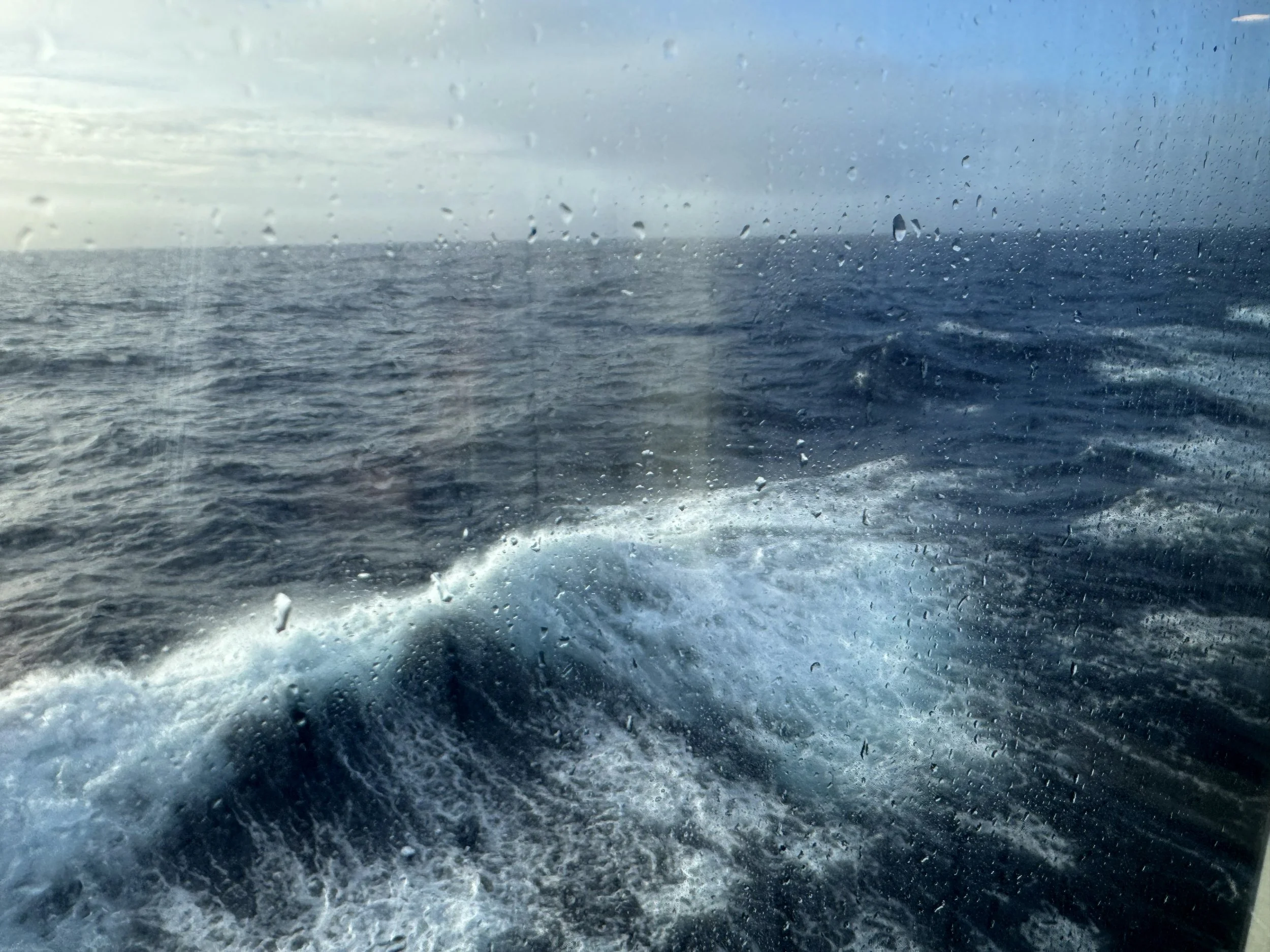
Our voyage back across the Drake Passage was not as calm as our way over. We had 30 foot swells overnight.
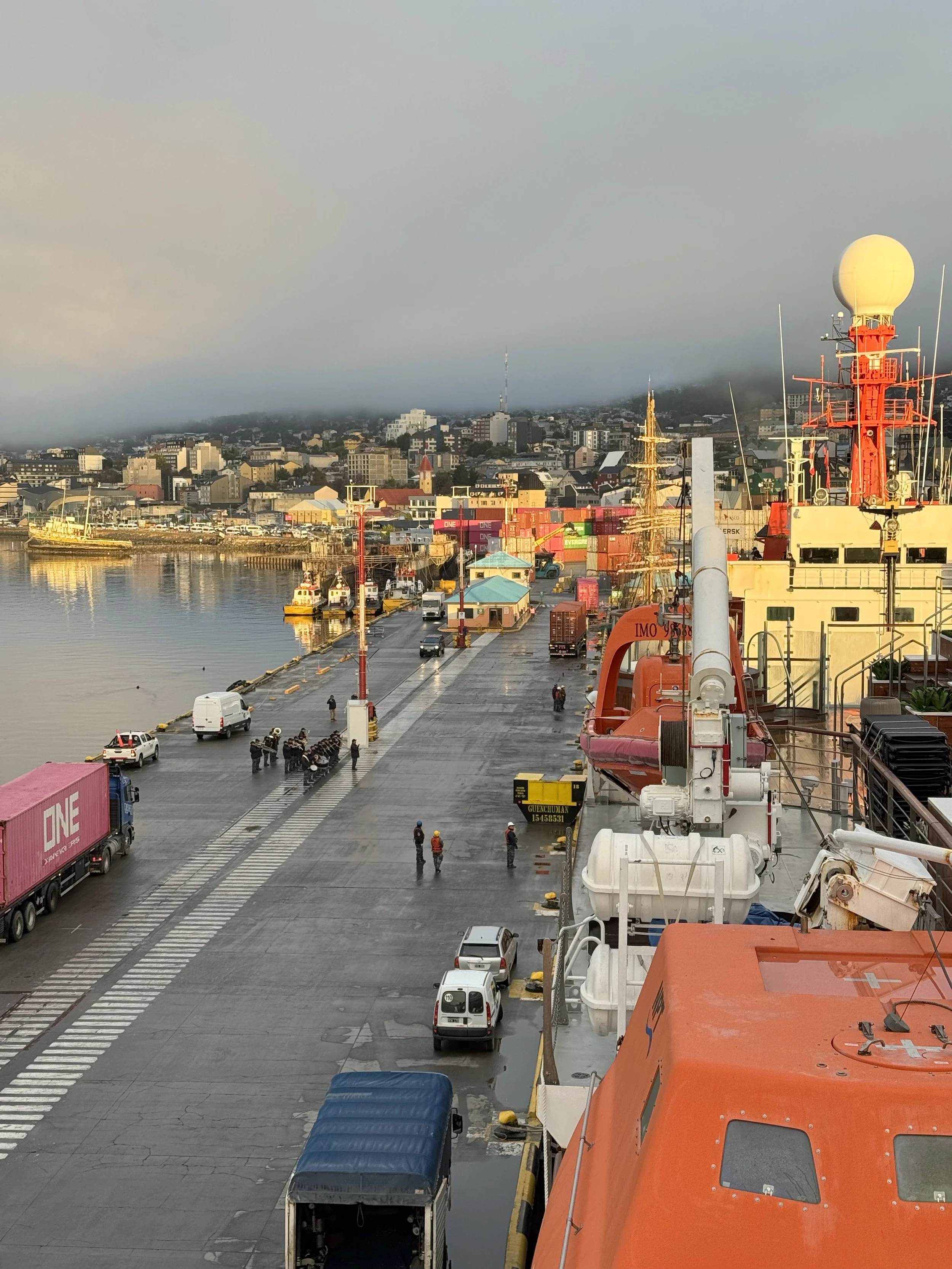
Arriving back in Ushuaia.
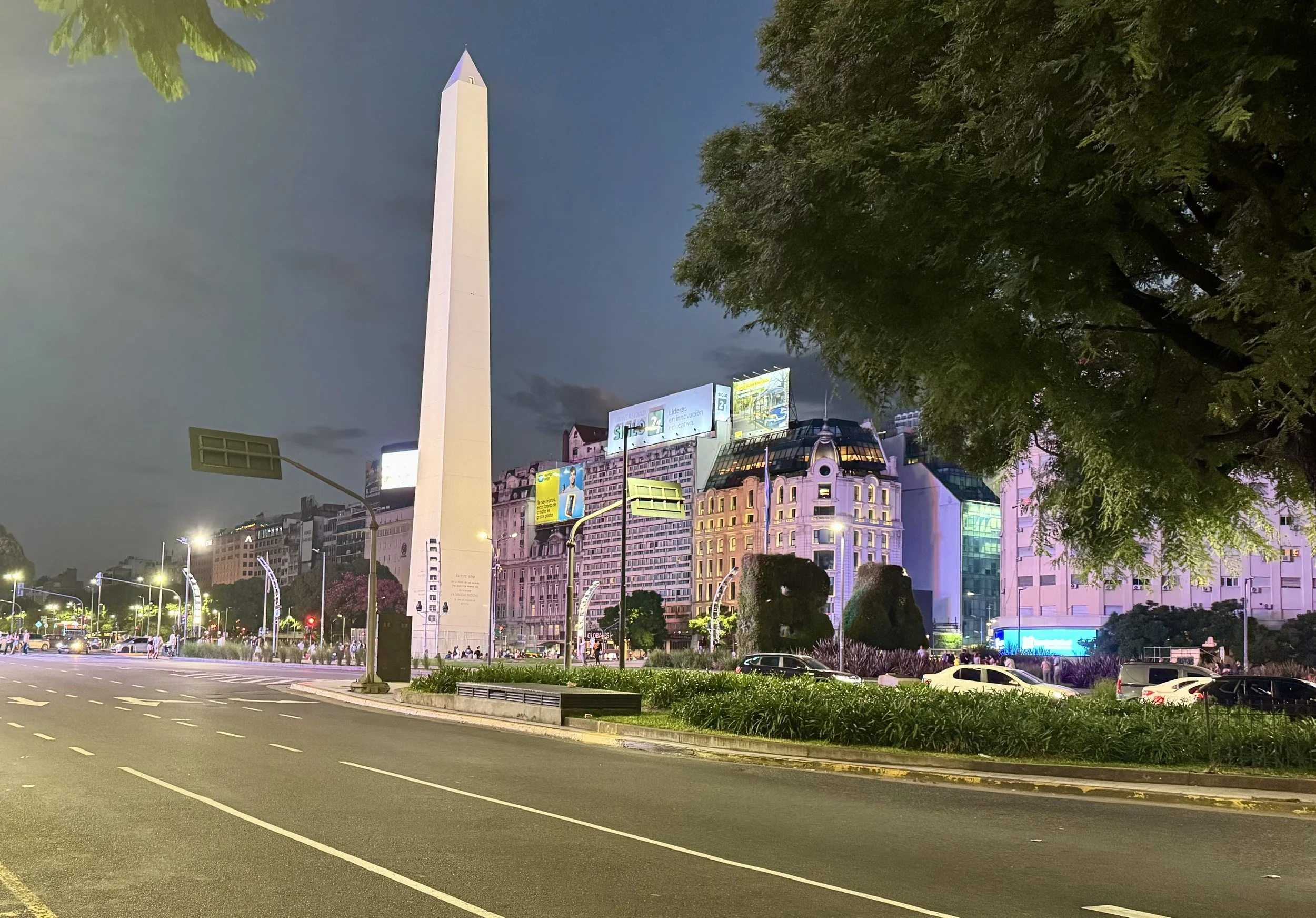
We spent an extra day in Buenos Aires before flying back to the US. We stayed on Avenida 9 de Julio, which is the most famous street in Buenos Aires. Its name honors Argentina’s Independence Day, July 9, 1816.